Contact Us
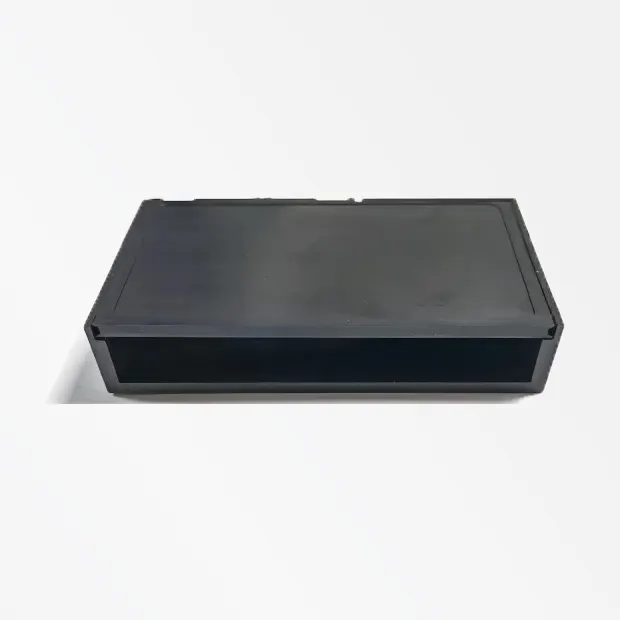


Low Volume Polyurethane Vacuum Casting Nylon PA Plastic Enclosure Prototypes
Nylon vacuum casting parts are components made from nylon material using the vacuum casting process. Vacuum casting is a rapid prototyping method that allows for the creation of complex parts with fine details and smooth surfaces.
- Process: Polyurethane Vacuum Casting
- Materials: ABS
- Tolerance: ±0.2mm
- Surface Finishes: Polishing, Sandblasting, Painting, Silkscreen printing, etc.
- Customization: Custom shapes and colors available
- Applications: Consumer Electronics, Automotive, Medical Devices, Aerospace, Industrial Equipment
 Get Free Quote


KT TOOL provided a highly efficient solution for a client in the consumer electronics industry who required low-volume prototypes for a Nylon PA plastic enclosure. These prototypes were critical for testing the functionality and user experience of a new, cutting-edge electronic device. The goal was to produce high-quality parts with intricate designs and smooth surface finishes while adhering to a tight lead time and keeping production costs low.
| Parameter | Details |
| Production methods | Polyurethane Vacuum Casting |
| Available materials | ABS |
| Service type | Urethane Casting Service, Vacuum Casting Service, Rapid Prototype Service |
| Surface Finishes | Polishing, Sandblasting, Painting,Silkscreen printing,etc |
| Drawing format | CAD, PDF, DWG, IGS, STEP |
| Experience | Over ten years of experience in Plastic Vacuum Casting Parts Production |
| Quality control | Full inspection before delivery |
| Tolerance | +-0.2mm |
| Shape | Customized Shape |
| Color | Custom color as per customer requirement |
| Lead time | 7-10 days for Low volume vacuum casting prototypes |
Polyurethane Vacuum Casting Process
Polyurethane vacuum casting is an efficient manufacturing process used for low-volume production of plastic parts, especially when fine details and complex geometries are required. This method involves creating a silicone mold of the part, followed by casting the part in polyurethane resin. It offers a cost-effective and fast alternative to traditional methods like injection molding, making it ideal for prototypes, functional testing, and small production runs.
Steps in the Polyurethane Vacuum Casting Process:
- Design the Part: The first step is to create a design of the part using CAD software or by building a physical prototype.
- Create a Master Pattern: Once the design is complete, a master pattern of the part is produced. This can be done using CNC machining or additive 3D printing techniques.
- Make the Silicone Mold: The master pattern is then used to create a silicone mold. Several layers of silicone are applied to the pattern and allowed to cure, forming the mold.
- Casting the Part: Once the mold is ready, it is placed in a vacuum chamber where polyurethane resin is poured. The vacuum removes any air bubbles, ensuring the mold is fully filled and the part retains its fine details.
- Part Removal: After the resin has cured, the mold is opened and the part is removed. Any excess material is trimmed, and additional features or surface finishes can be added as needed.
- Repetition for Production: The process can be repeated as needed to produce the required number of parts for low-volume production runs.
Advantages of Polyurethane Vacuum Casting:
- Quick Turnaround: Ideal for rapid prototyping with short lead times.
- Cost-Effective: Lower production costs compared to traditional injection molding.
- Customization: Perfect for custom parts with complex geometries and fine details.
- Flexibility: Capable of producing various materials like ABS-like, PP-like, Nylon-like, POM-like, and more.
Applications
- Consumer Electronics: Housing for functional prototypes or market-ready products.
- Automotive: Prototypes for interior and exterior components, testing parts before mass production.
- Medical Devices: Prototypes for medical tools and enclosures for regulatory testing and approval.
- Aerospace: Low-volume production of complex parts for functional testing.
- Industrial Equipment: Prototypes for machinery, gears, and enclosures in testing environments.
Polyurethane vacuum casting is particularly suited for industries where the production of high-quality, customized parts in low volumes is required, including consumer electronics, automotive, medical devices, aerospace, and industrial applications.