Contact Us
  Home /
Reliable Surface Finishing Solutions
Improve functionality and appearance with our reliable surface finishing services. From corrosion resistance to aesthetic appeal, we ensure a superior finish tailored to your needs.
 Get Free Quote


Surface Finishing
-
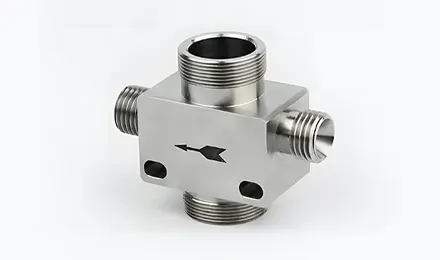 Standard (As-Milled) (Ra 125μin)N/aMetalsPlastics
Standard (As-Milled) (Ra 125yin) surface treatment is suitable for the manufacturing and processing of many metal parts, especially for structural parts that do not require high surface requirements but require high mechanical performance and durability.
-
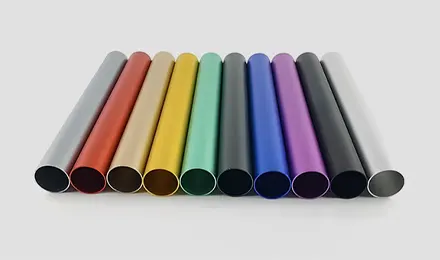 Bead blast + Anodized ColorMetals
Bead blast + Anodized color can form an oxide film on the blasted metal surface and give it a customized color effect by means of dve or electrolvtic coloring.
-
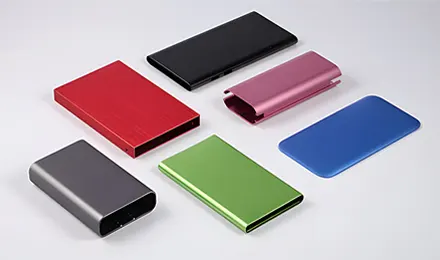 AnodizedMetals
Anodizing is a surface treatment for metal parts that improves corrosion resistance and surface hardness. lt is widely used in industries such as aerospace, automotive, construction, electronics. and home furnishings.
-
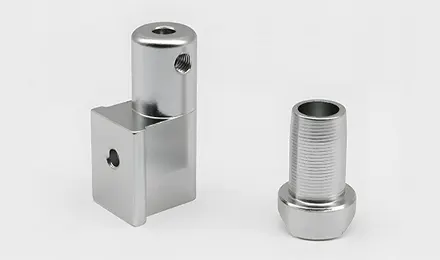 Electrically Conductive OxidationN/aMetals
Electrically conductive oxidation is commonly used in industries such as electronic components and conductive materials. forming conductive oxide layers through oxidation treatment, providing electrical conductivity and protection.
-
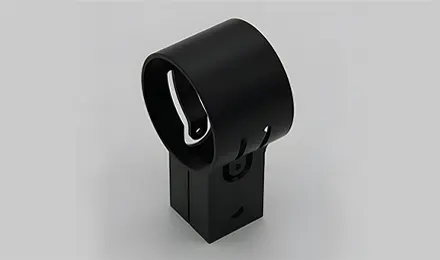 Black QxideN/aMetals
Black oxide is a common surface treatment for metal parts that enhances corrosion resistance and aesthetics. This treatment is applicable in many industries, including automotive parts. mechanical manufacturng. and decorative items.
-
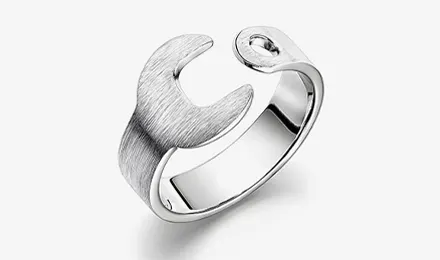 BrushedN/aMetals
Brushed is commonly used in industries such as home decor and appliances, creating a textured metal surface with linear patterns through brushing, enhancing the product's texture and aesthetics.
-
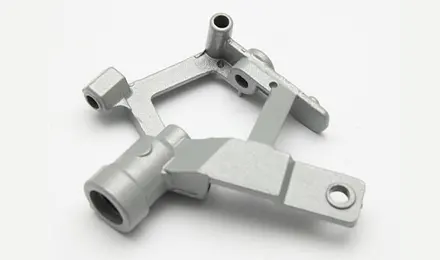 Bead BlastN/aMetalsPlastics
The surface of the part achieves a smooth, matte finish.
-
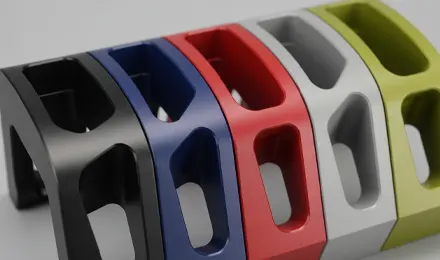 Spray Painting - Matt PaintMetalsPlastics
Spray painting involves using air pressure to disperse paint into fine, uniform droplets, which are then applied to the surface.
-
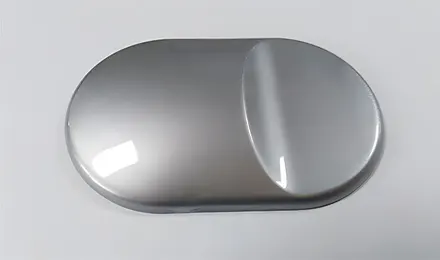 Spray Painting - High Gloss PaintMetalsPlastics
A process where paint is atomized into fine, uniform droplets using air pressure and applied to the surface, resulting in a glossy and smooth finish.
-
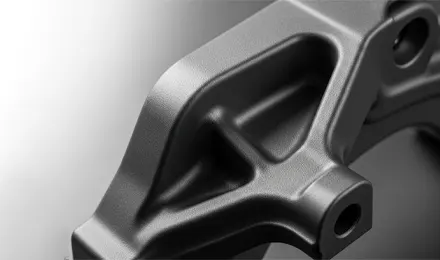 Powder Coat - MattMetals
Powdered paint is applied to a part and baked in an oven, forming a durable, wear- and corrosion-resistant layer. It is available in a wide range of colors to achieve the desired aesthetic.
-
Standard (As-Milled) (Ra 125μin)Colors:N/aApplicable Materials:MetalsPlasticsDescription:
Standard (As-Milled) (Ra 125yin) surface treatment is suitable for the manufacturing and processing of many metal parts, especially for structural parts that do not require high surface requirements but require high mechanical performance and durability.
-
Bead blast + Anodized ColorColors:Applicable Materials:MetalsDescription:
Bead blast + Anodized color can form an oxide film on the blasted metal surface and give it a customized color effect by means of dve or electrolvtic coloring.
-
AnodizedColors:Applicable Materials:MetalsDescription:
Anodizing is a surface treatment for metal parts that improves corrosion resistance and surface hardness. lt is widely used in industries such as aerospace, automotive, construction, electronics. and home furnishings.
-
Electrically Conductive OxidationColors:N/aApplicable Materials:MetalsDescription:
Electrically conductive oxidation is commonly used in industries such as electronic components and conductive materials. forming conductive oxide layers through oxidation treatment, providing electrical conductivity and protection.
-
Black QxideColors:N/aApplicable Materials:MetalsDescription:
Black oxide is a common surface treatment for metal parts that enhances corrosion resistance and aesthetics. This treatment is applicable in many industries, including automotive parts. mechanical manufacturng. and decorative items.
-
BrushedColors:N/aApplicable Materials:MetalsDescription:
Brushed is commonly used in industries such as home decor and appliances, creating a textured metal surface with linear patterns through brushing, enhancing the product's texture and aesthetics.
-
Bead BlastColors:N/aApplicable Materials:MetalsPlasticsDescription:
The surface of the part achieves a smooth, matte finish.
-
Spray Painting - Matt PaintColors:Applicable Materials:MetalsPlasticsDescription:
Spray painting involves using air pressure to disperse paint into fine, uniform droplets, which are then applied to the surface.
-
Spray Painting - High Gloss PaintColors:Applicable Materials:MetalsPlasticsDescription:
A process where paint is atomized into fine, uniform droplets using air pressure and applied to the surface, resulting in a glossy and smooth finish.
-
Powder Coat - MattColors:Applicable Materials:MetalsDescription:
Powdered paint is applied to a part and baked in an oven, forming a durable, wear- and corrosion-resistant layer. It is available in a wide range of colors to achieve the desired aesthetic.
-
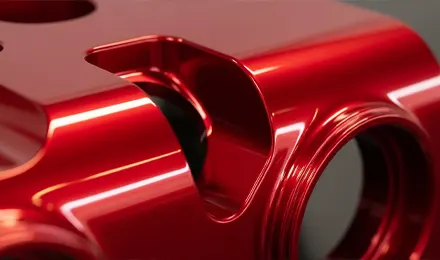 Powder Coat - High GlossColors:Applicable Materials:MetalsDescription:
Powder coating involves spraying powdered paint onto a part, followed by baking it to create a durable, wear-resistant, and corrosion-resistant layer. It offers superior durability compared to traditional painting methods and is available in a wide range of colors for customization.
-
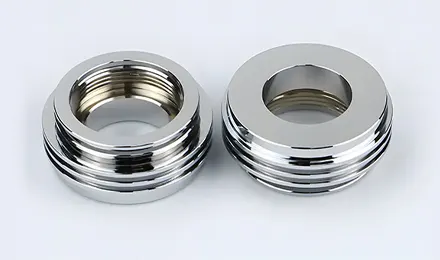 Chrome PlatingColors:N/aApplicable Materials:MetalsDescription:
Chrome plating is an electroplating process that applies a thin chromium layer to a metal object. This chrome layer can be decorative, improve corrosion resistance, ease cleaning, or increase surface hardness. In some cases, a more cost-effective alternative may be used for aesthetic purposes.
-
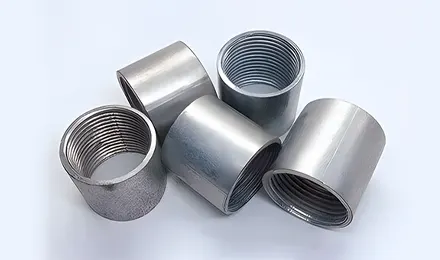 Zinc PlatingColors:N/aApplicable Materials:MetalsDescription:
Zinc plating applies a protective zinc coating to steel or iron to prevent rusting using the electro-galvanizing method. The zinc ingot acts as the anode, losing electrons to become ions, which then deposit on the steel strip to form the coating.
-
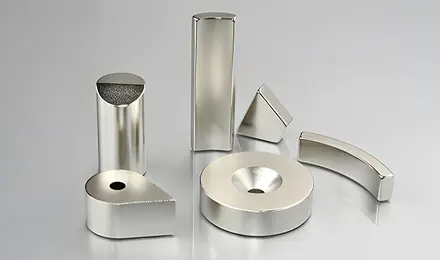 Nickel PlatingColors:N/aApplicable Materials:MetalsDescription:
Nickel plating is an electroplating technique where a thin layer of nickel is applied to a metal object. The nickel layer can serve decorative purposes, provide corrosion and wear resistance, or be used to rebuild worn or undersized parts for repair.
-
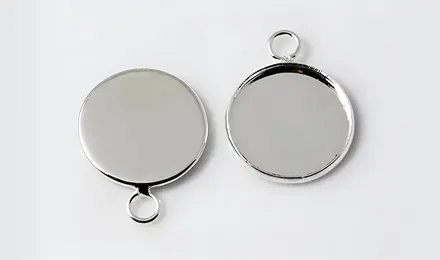 Silver PlatingColors:N/aApplicable Materials:MetalsDescription:
Silver plating is the process of applying a thin layer of silver to an object.
-
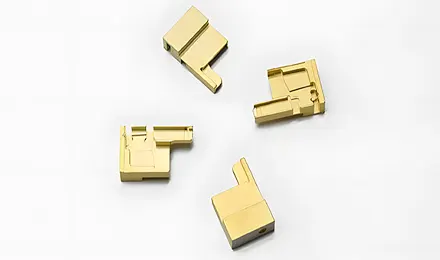 Gold PlatingColors:N/aApplicable Materials:MetalsDescription:
Gold plating is the process of depositing a thin layer of gold onto the surface of glass or metal, typically copper or silver.
-
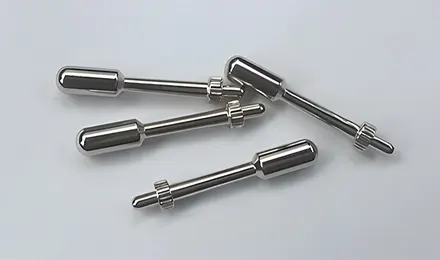 Tin PlatingColors:N/aApplicable Materials:MetalsDescription:
Tin plating is the process of coating sheets of wrought iron or steel with a thin layer of tin, resulting in tinplate. It is also used to describe the process of coating a metal with solder before soldering.
-
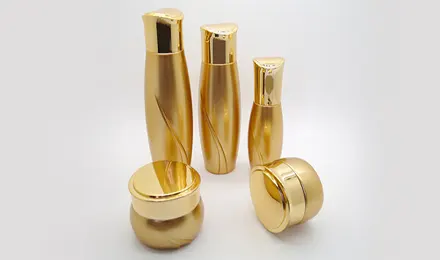 Vacuum Plating - High Gloss PaintColors:Applicable Materials:PlasticsDescription:
Vacuum plating includes techniques like vacuum evaporation, sputtering, and ion plating, used to deposit metal and non-metal films on plastic parts under vacuum conditions. The process results in a very thin surface coating, and detail sanding is performed to achieve the best finish.
-
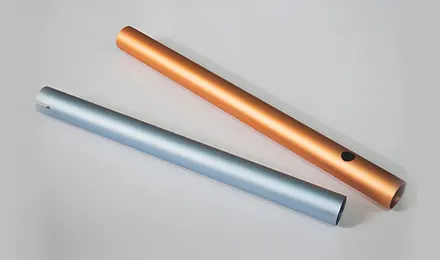 Vacuum Plating - Matt PaintColors:Applicable Materials:PlasticsDescription:
Vacuum plating involves techniques like vacuum evaporation, sputtering, and ion plating to deposit metal and non-metal films onto plastic parts under vacuum conditions. This process creates a very thin surface coating, with detail sanding applied afterward to achieve the best matte finish.
-
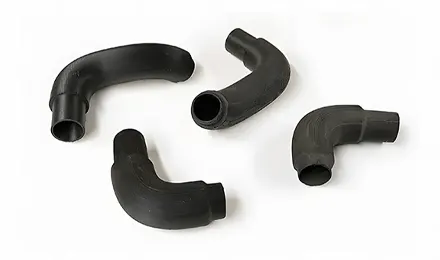 #1000 SandingColors:N/aApplicable Materials:MetalsPlasticsDescription:
Sanding involves rubbing the surface of a product with fine abrasive particles to create a diffuse, non-linear texture. Different abrasive grits are adhered to backing paper or boards, and the grit size determines the texture. The higher the particle size, the finer the abrasive grit, resulting in a smoother, better surface finish.
-
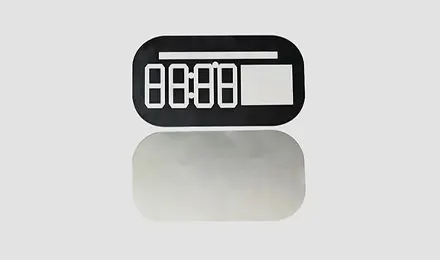 SilkscreenColors:Applicable Materials:MetalsPlasticsDescription:
Silkscreen, also known as screen printing, is the process of pressing ink through a mesh screen with a stencil to create printed designs, graphics, or text.
-
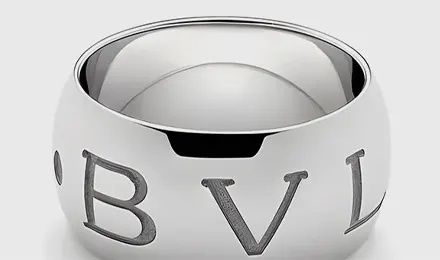 Laser EngravingColors:N/aApplicable Materials:MetalsPlasticsDescription:
Laser engraving uses laser technology to etch text and patterns onto objects. The engraved characters are smooth with no nicks, and the text and patterns will not wear off.
-
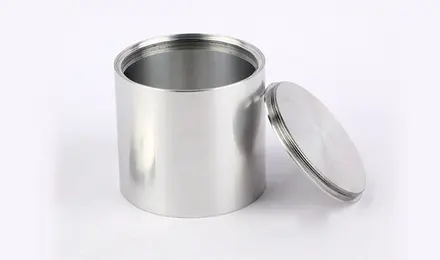 Smooth Machining (Ra1.6µm, 63 µin)Colors:N/aApplicable Materials:MetalsPlasticsDescription:
A finishing CNC machining operation is used to reduce surface roughness, with the standard smoothing surface roughness (Ra) being 1.6 μm (63 μin). It can be further reduced to 0.4 μm (15.7 μin) upon request, depending on the specific case. Machine marks are less visible but still present.
-
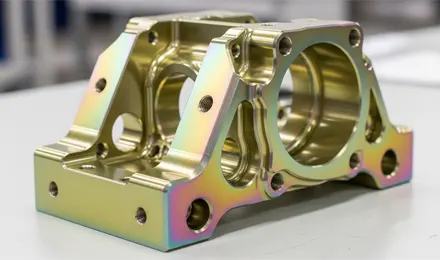 Chemical Conversion Coat (Chem Film)Colors:N/aApplicable Materials:MetalsDescription:
Chemical conversion coating (non-chromic) offers corrosion resistance and excellent conductivity with minimal thickness, ranging from 0.00001” to 0.00004”. It complies with MIL-DTL-5541, TYPE II standards and is free of hexavalent chromium, a regulated substance under the RoHS directive for its environmental hazards.
-
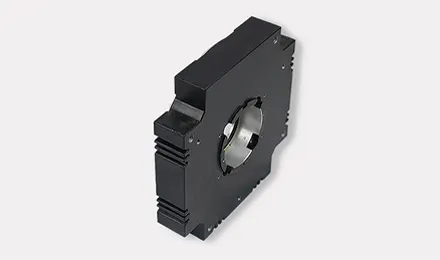 ElectrophoresisColors:N/aApplicable Materials:MetalsDescription:
Electrophoresis is the movement of dispersed particles in a fluid under the influence of a uniform electric field. The technique applies a negative charge, causing particles, such as proteins, to move towards a positive charge. This movement is driven by the charged interface between the particle surface and the surrounding fluid.
-
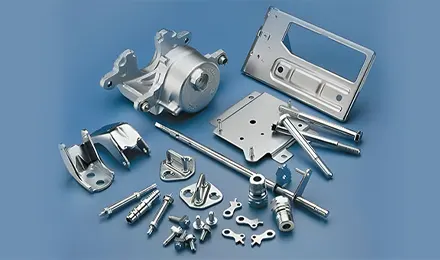 PassivationColors:N/aApplicable Materials:MetalsDescription:
Passivation enhances the corrosion resistance of 200 and 300 series, as well as precipitation-hardened corrosion-resistant steels. The coating is extremely thin, approximately 0.0000001” in thickness. It complies with standards including ASTM A967, AMS-QQ-P-35, MIL-STD-171, ASTM A380, and AMS 2700.
-
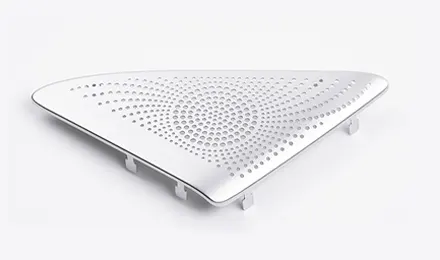 EtchingColors:N/aApplicable Materials:MetalsDescription:
Etching creates visible marks on materials like metal, plastic, stone, and glass. Laser etching uses a high-heat laser, electrolytic etching is for metals, and chemical etching involves UV light exposure and an etching solution to create precise patterns.
-
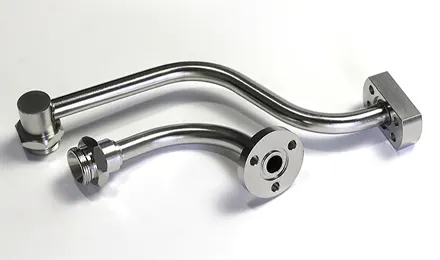 Electropolished (Ra0.8µm, 32µin)Colors:N/aApplicable Materials:MetalsDescription:
Electropolishing is an electrochemical process that cleans steel parts to reduce corrosion and enhance appearance by making the metal brighter. It removes about 0.0001” to 0.0025” of metal and conforms to ASTM B912-02.
-
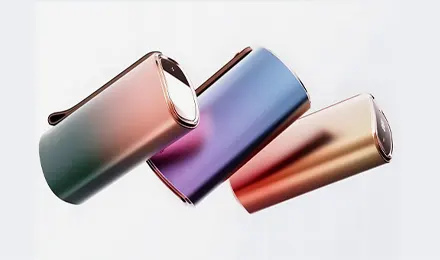 PVD (Physical Vapor Deposition)Colors:N/aApplicable Materials:MetalsDescription:
PVD is a process used to create a metal vapor that is deposited onto electrically conductive materials as a thin, strongly adhered pure metal or alloy coating. It is performed in a vacuum chamber at high vacuum (10–6 torr) using a cathodic arc source.
-
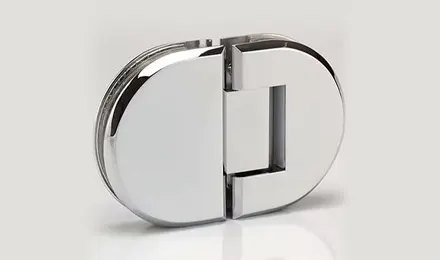 PicklingColors:N/aApplicable Materials:MetalsDescription:
Pickling is a metal cleaning process that utilizes strong acids to remove surface imperfections like mill scale, oxides, and stains. The metal is immersed in an acidic solution, known as pickling liquor, for a designated period before being removed.
-
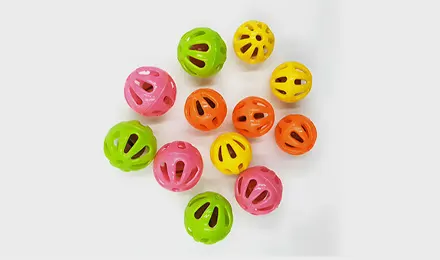 DyeingColors:Applicable Materials:PlasticsDescription:
Dyeing is a process where fibers are immersed in a special solution containing dyes and chemicals. The dye molecules are bonded to the fibers through absorption, diffusion, or bonding, with temperature and time being key controlling factors. The final result often shows a slight color variation.
-
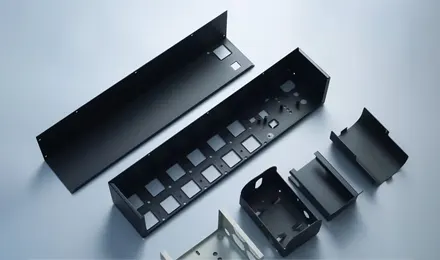 Black AnodizeColors:Applicable Materials:MetalsDescription:
Black anodizing is a Type II anodizing process combined with an integrated coloring step that produces a rich, deep black finish on aluminum.
-
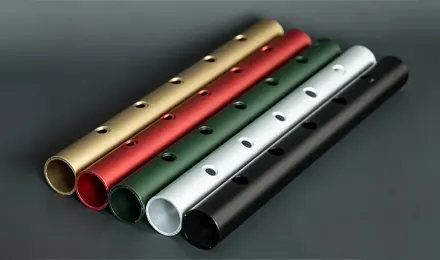 Clear Anodize (Type II)Colors:Applicable Materials:MetalsDescription:
Clear anodizing, also known as Type II anodizing or standard anodizing, is an electrochemical process that converts the aluminum surface into a durable aluminum oxide layer
-
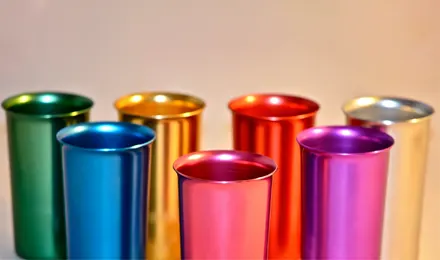 Color AnodizeColors:Applicable Materials:MetalsDescription:
Color anodizing, also known as dyed anodizing or electrolytic coloring, is a versatile surface treatment process that produces vibrant, durable colors on aluminum through either dye absorption or electrolytic coloring techniques.
-
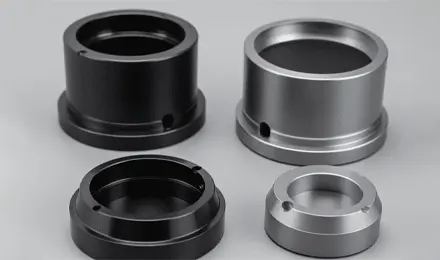 Hard Anodize (Type III)Colors:Applicable Materials:MetalsDescription:
Hard anodizing, also known as Type III anodizing or hard coat anodizing, is a specialized electrochemical process that produces an extremely thick and dense aluminum oxide layer.
-
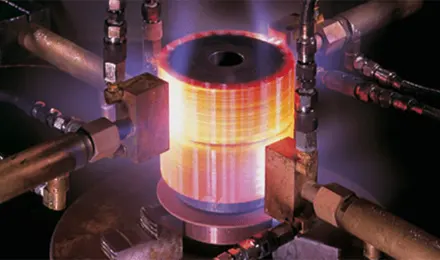 AnnealingColors:N/aApplicable Materials:MetalsDescription:
Annealing is a heat treatment process that involves heating a material above its critical temperature and then slowly cooling it at a controlled rate.
-
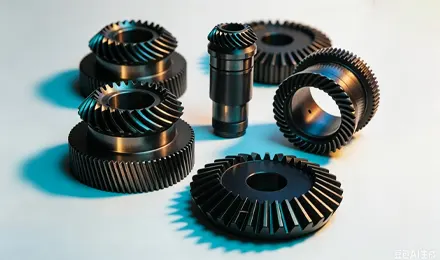 CarburizingColors:N/aApplicable Materials:MetalsDescription:
Carburizing is a surface hardening process that increases the carbon content on the surface of low-carbon steel parts (typically < 0.25% C) while leaving the core relatively soft and tough.
-
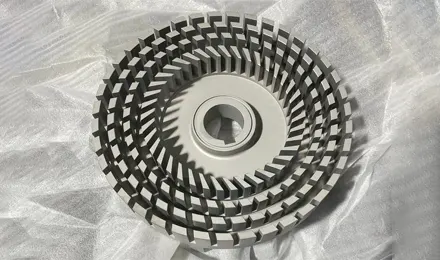 NitridingColors:N/aApplicable Materials:MetalsDescription:
Nitriding is a surface hardening process that diffuses nitrogen into the surface of a steel workpiece at temperatures typically between 450°C – 600°C, below the lower critical temperature (Ac1).
-
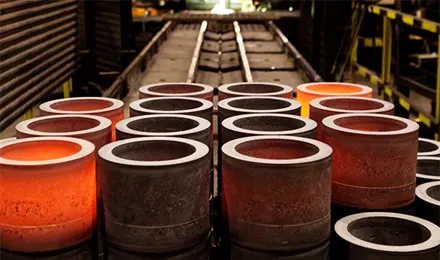 Quenching & TemperingColors:N/aApplicable Materials:MetalsDescription:
Quenching and Tempering is a two-stage heat treatment process that dramatically increases the hardness and strength of steel.
-
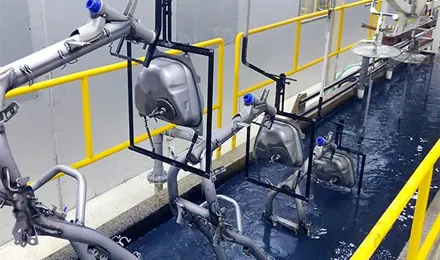 E-coatingColors:Applicable Materials:MetalsDescription:
E-coating, also known as electrophoretic deposition (EPD) or electrocoating, is an electrochemical surface coating process.
-
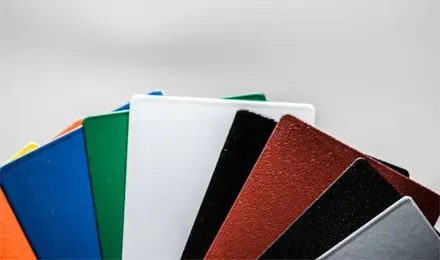 PTFE / Teflon CoatingColors:Applicable Materials:MetalsDescription:
PTFE (Polytetrafluoroethylene), commercially known by the DuPont brand name Teflon™, is a synthetic fluoropolymer renowned for its exceptionally low coefficient of friction (COF: 0.05–0.10), non-stick surface properties, and outstanding chemical inertness.
-
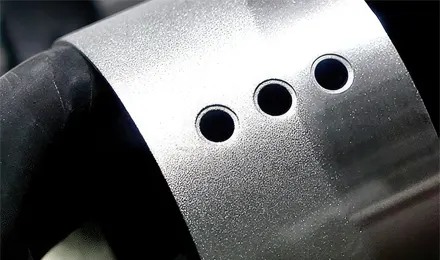 Sandblasting + PaintingColors:N/aApplicable Materials:MetalsDescription:
Sandblasting, also known as abrasive blast cleaning, is a surface preparation process where fine abrasive particles are propelled at high velocity against a workpiece to clean, roughen, or shape the surface.
-
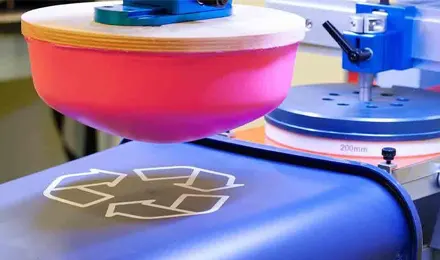 Pad PrintingColors:N/aApplicable Materials:PlasticsMetalsDescription:
Pad Printing (also called Tampography) is an indirect offset printing process that transfers a 2D image from a printing plate (cliché) onto a 3D or irregular surface using a silicone rubber pad.
-
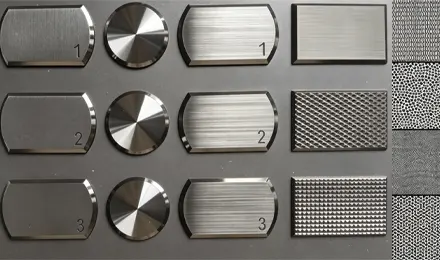 Texture / Pattern Finish (VDI/MT Standard)Colors:N/aApplicable Materials:PlasticsMetalsDescription:
Texture or Pattern Finishing, commonly known as "textured molding" or "matte texturing," is a surface treatment applied to injection molded plastic parts and metal components using chemical etching or laser techniques.
-
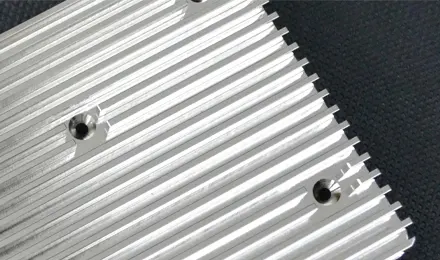 Electroless Nickel PlatingColors:Applicable Materials:MetalsPlasticsDescription:
Electroless nickel plating, also known as autocatalytic nickel or EN plating, is a chemical reduction process that deposits a uniform nickel-phosphorus alloy coating onto metal substrates without the application of external electrical current.
-
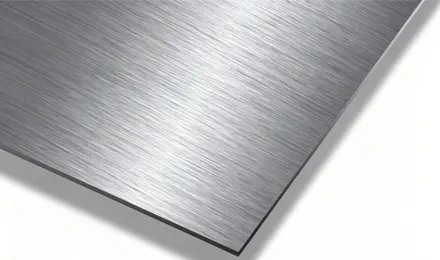 Brushed FinishColors:N/aApplicable Materials:MetalsDescription:
A brushed finish, also known as brushed metal or directional polish, is a surface texturing process that produces a uniform, unidirectional grain pattern on metal surfaces using abrasive brushes, sanding belts, or chemical etching techniques.
-
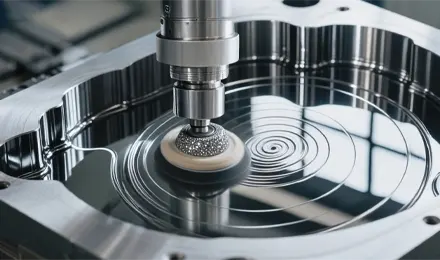 Mirror PolishingColors:N/aApplicable Materials:MetalsDescription:
Mirror polishing, also referred to as buff polishing or reflective polishing, is a multi-stage metal finishing process that progressively refines a metal surface to achieve a mirror-like, highly reflective finish with surface roughness (Ra) values typically between 0.05–0.10 micrometers and a specular reflectance exceeding 90%.
-
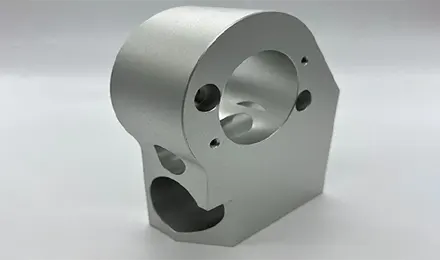 Satin FinishColors:N/aApplicable Materials:MetalsDescription:
Satin finish, also referred to as satin polish or velvet finish, is a surface treatment that produces a soft, uniform, non-directional matte appearance on metal surfaces with surface roughness (Ra) typically ranging from 0.2–0.8 micrometers.
-
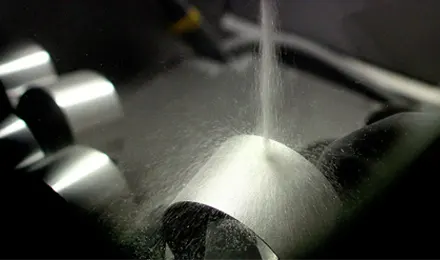 Bead BlastingColors:N/aApplicable Materials:MetalsPlasticsDescription:
Bead blasting (also known as glass bead blasting) is a surface finishing process that uses fine spherical glass beads propelled by compressed air to impact the workpiece surface.
-
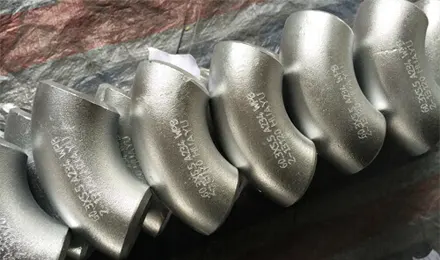 Hot Dip GalvanizingColors:N/aApplicable Materials:MetalsDescription:
Hot dip galvanizing (HDG) is a corrosion protection process in which steel or iron workpieces are immersed in a bath of molten zinc at approximately 450°C (842°F), forming a metallurgically bonded zinc-iron alloy coating that provides robust, long-lasting protection against atmospheric and aqueous corrosion.
-
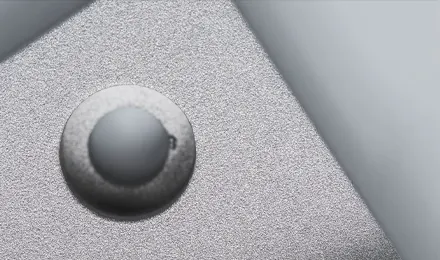 SandblastingColors:N/aApplicable Materials:MetalsDescription:
Sandblasting (also known as abrasive blasting) is a surface preparation process that propels abrasive media—such as aluminum oxide, steel grit, or silica sand—at high velocity using compressed air to impact and clean the workpiece surface.