Contact Us
  Home /
 Precision Metal Stamping Tooling for Every Need
KT TOOL provides precision metal stamping solutions built for both complex geometries and high-volume production. With advanced progressive and compound die capabilities, we ensure stable part quality, tight tolerances, and efficient production at scale.
-
 Stamping press capacities from 25 tons to 300 tons
 -
High-precision stamping with ±0.1 mm tolerances
-
Efficient production for high-volume orders
-
Custom prototypes for unique designs
 Get Free Quote
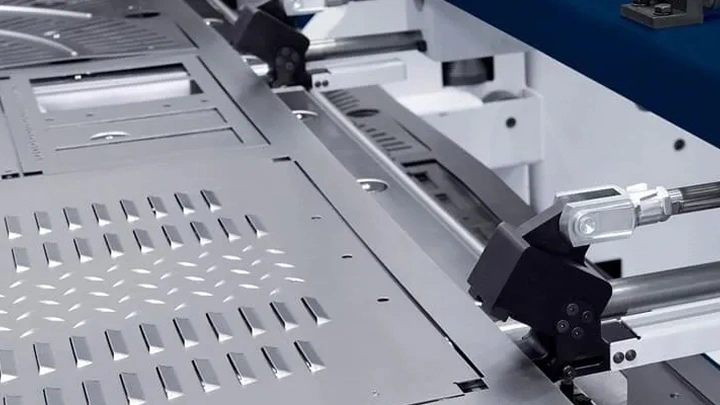
Precision tooling for complex metal parts
Efficient stamping solutions for high volumes
-

Precision Tooling for High-Quality Parts
-

Cost-Effective Stamping Solutions
-

Durable Tooling for Long Runs
-

ISO 9001:2015 certified QMS
Mold Manufacturing
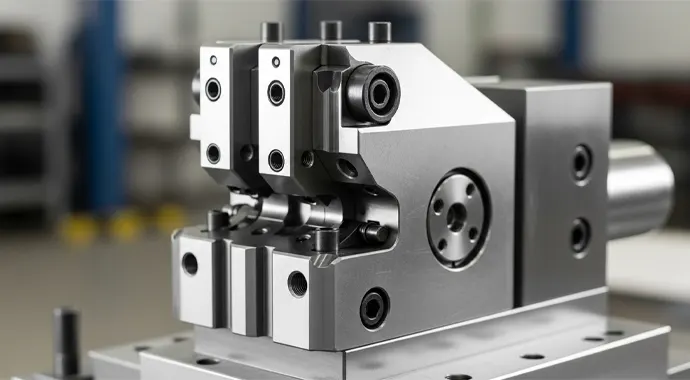
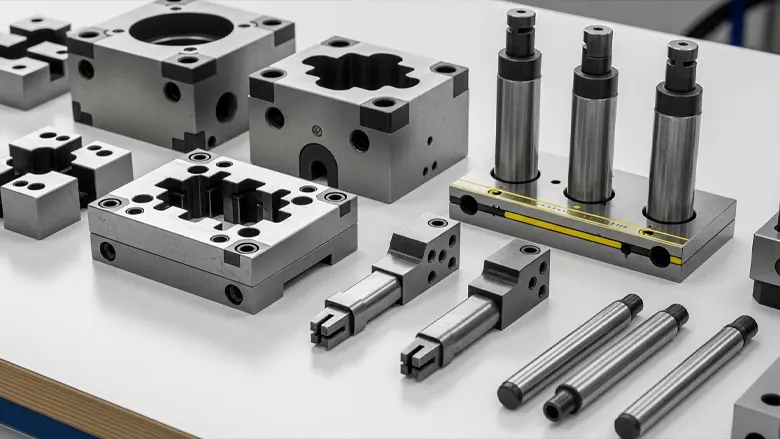
We create custom molds tailored to meet the specific requirements of your project, ensuring precision and durability.
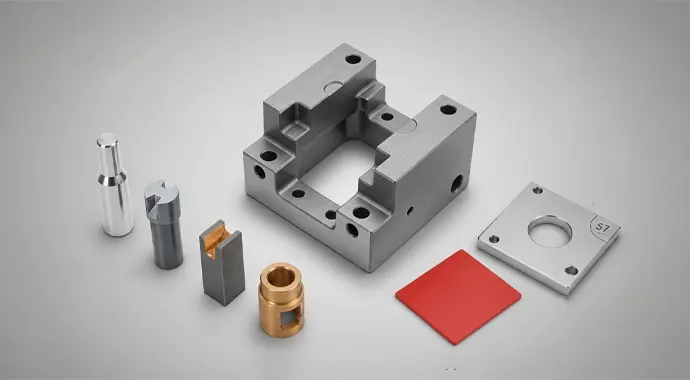
Molds are made using high-quality materials like tool steel and carbide to withstand wear and heat during production.
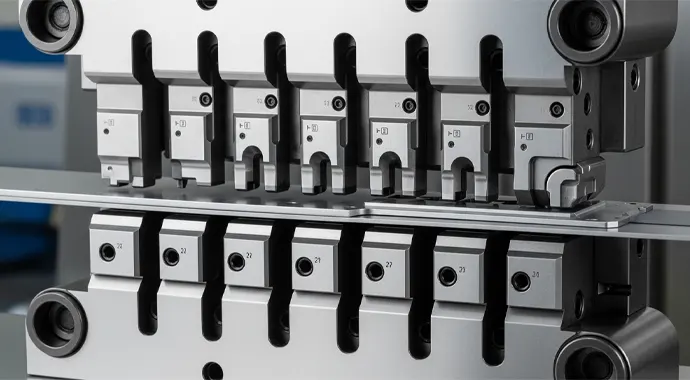
Our manufacturing process ensures smooth production with quick lead times, minimizing delays.
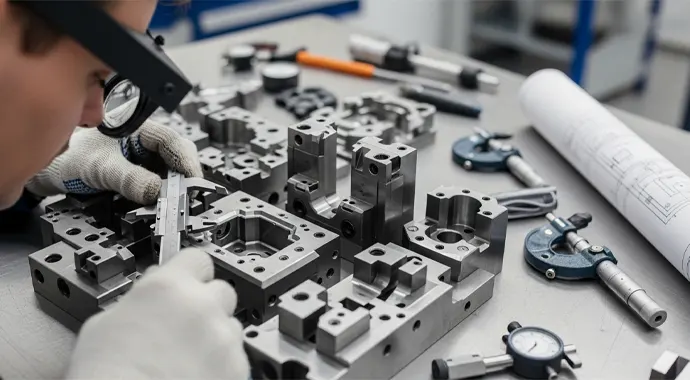
We employ rigorous quality checks at every stage of mold manufacturing to ensure consistent part quality.
Metal Stamping Tooling Design
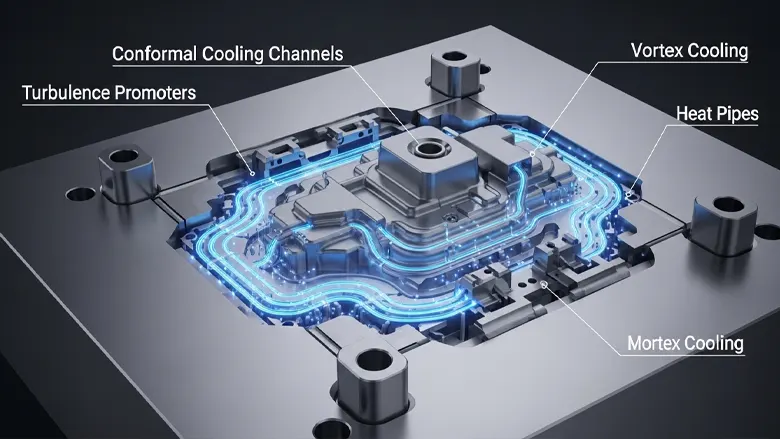
Maximizing Tool Efficiency and Lifespan
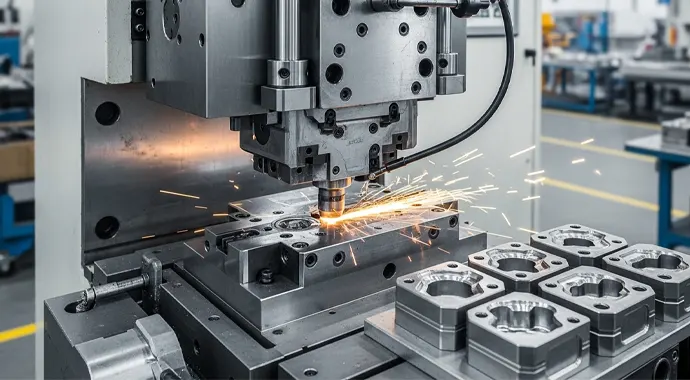
Tool Optimization and Efficiency
- Cycle Time Reduction: Optimize tooling design to reduce cycle times, improving overall production speed.
- Operational Efficiency: Enhance tool design to minimize energy usage and material waste, maximizing output.
- Performance Monitoring: Regularly assess tool performance to identify improvements and potential inefficiencies.
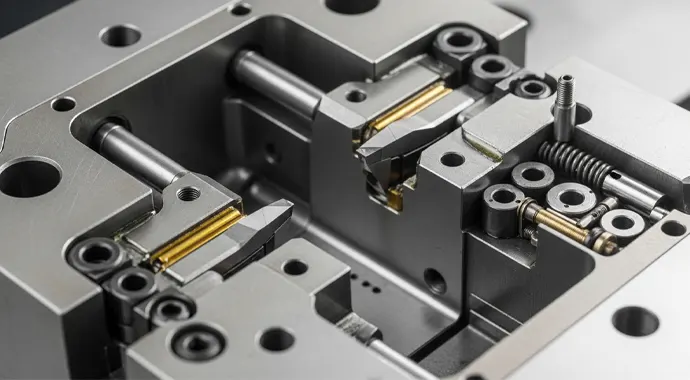
Tool Maintenance and Durability
- Scheduled Maintenance: Implement a structured maintenance schedule to clean, repair, and recalibrate tools as necessary.
- Material Selection for Durability: Use high-strength, wear-resistant materials to extend tool life and minimize wear.
- Quick Repairs: Ensure fast repair capabilities to prevent long downtimes and keep production schedules on track.
Tolerance Management for Metal Stamping Tooling
| Linear Tolerance | Description | Application | Tolerance Range |
| Linear Tolerance | Allowable variation in the part's length or width. | Used in parts where dimensional accuracy is crucial for fitting. | ±0.01 mm to ±0.1 mm |
| Geometric Tolerance | Variation in the shape, orientation, or position of part features. | Applied to ensure parts fit properly in assembly and align as intended. | ±0.05 mm to ±0.2 mm |
| Angular Tolerance | Permissible deviation in angles between part features. | Essential for parts that need precise angular alignment. | ±0.1° to ±1° |
| Surface Finish Tolerance | Allowable roughness or smoothness of a part's surface. | Applied to parts requiring a smooth surface for aesthetic or functional purposes. | Ra 0.8 µm to Ra 3.2 µm |
| Assembly Tolerance | Tolerances ensuring proper fit for parts during assembly. | Important for parts that must assemble easily and function together without gaps. | ±0.02 mm to ±0.5 mm |
| Fit Tolerance | Controls the size of mating parts to ensure proper fit (e.g., clearance, interference). | Crucial in mechanical assemblies where parts must fit precisely. | H7, G6, etc. (Depends on part design) |
Not sure about the right tolerance for your part?
Our engineering team can help optimize your design.
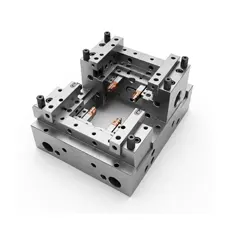
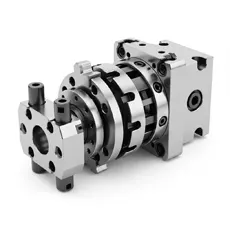
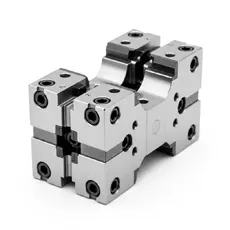
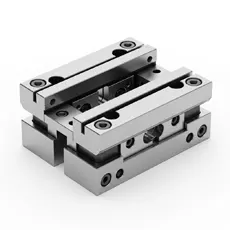
Metal Stamping Tooling Case Studies
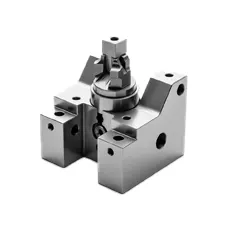
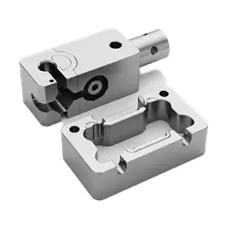
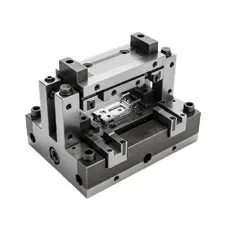
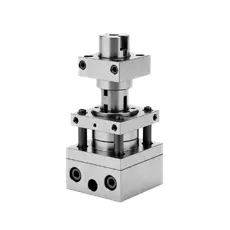
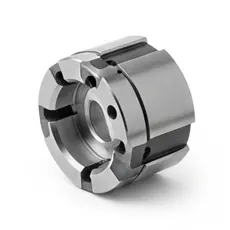
Material Selection
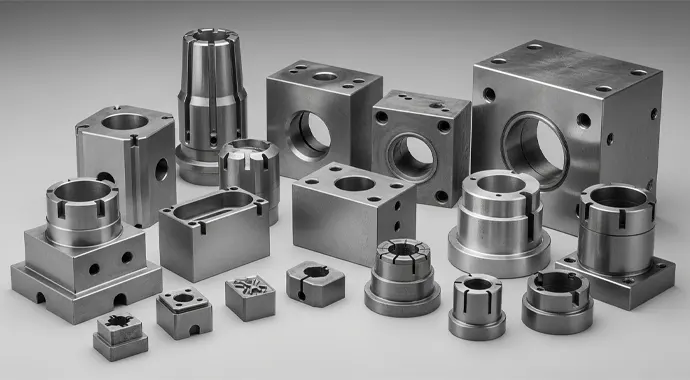
- Mold Steel: Choosing suitable mold steel (e.g., H13, P20) based on the mold's operating environment. These steels need good hardness, toughness, wear resistance, and corrosion resistance.
- Wear-Resistant Materials: For areas requiring high wear resistance (e.g., stamping molds), select materials with strong wear resistance, such as high-speed steel or carbide.
- Plastic Materials: For injection molds, choose appropriate mold materials based on various plastics (e.g., PP, PVC, ABS) to ensure product precision and quality.
- Temperature Control Materials: For molds operating at high or low temperatures, select materials that can withstand extreme temperatures, such as aluminum alloys or copper alloys.

Explore our full material list or contact our engineering team for recommendations.

Surface Finishing Options
Surface finishing enhances mold durability, reduces friction, and improves part quality, ensuring smooth operation and longer tool life.
-
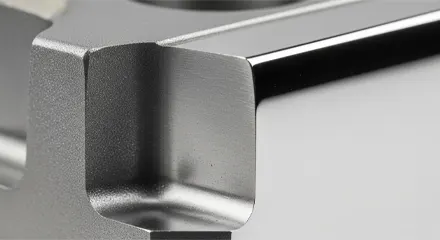
Polishing
Smoothens and polishes the surface to a high gloss, improving the visual and functional finish.
-
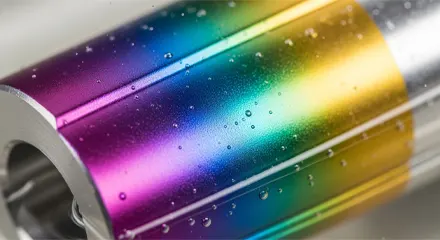
Anodizing
Enhances corrosion resistance and wear resistance, especially for aluminum molds in harsh environments.
-
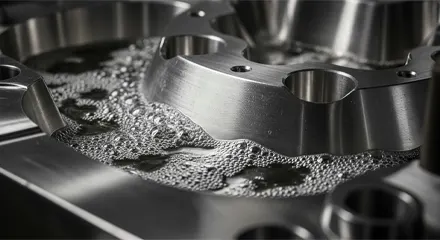
Electroplating
Applies a thin metal layer to improve hardness, corrosion resistance, and surface protection.
-
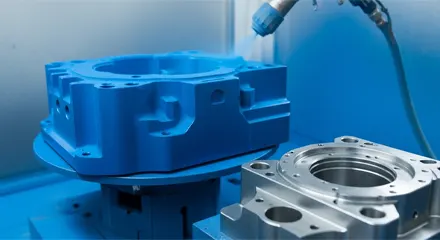
Powder Coating
Provides a durable and hard protective coating to molds, preventing damage and wear.
-
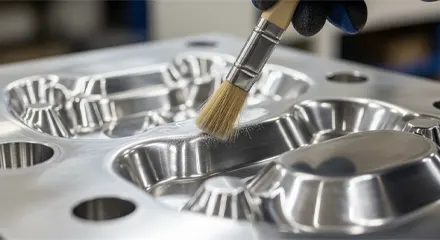
Brushing
Creates a brushed surface texture that adds visual appeal and provides functional benefits.
-
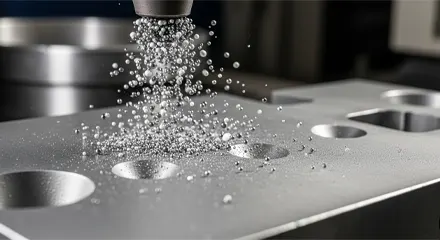
Shot Peening
Improves mold strength and extends service life by reducing surface fatigue and stress.
-
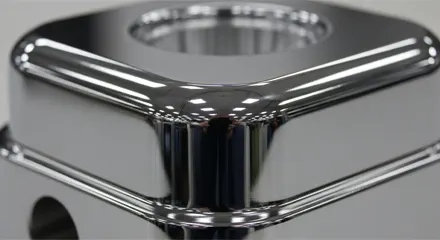
Chrome Plating
Adds a corrosion-resistant chrome layer to improve mold durability and reduce wear.
-
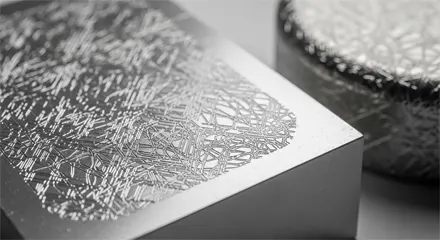
Laser Etching
Utilizes lasers for precise markings or detailing on molds, ensuring accuracy and fine details.
-
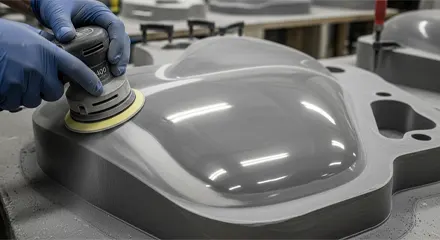
Sanding
Smoothens rough or uneven surfaces, preparing molds for further processing or use.
*Not sure which finish is right for your part? Explore our complete guide
Guides to Your Metal Stamping Tooling
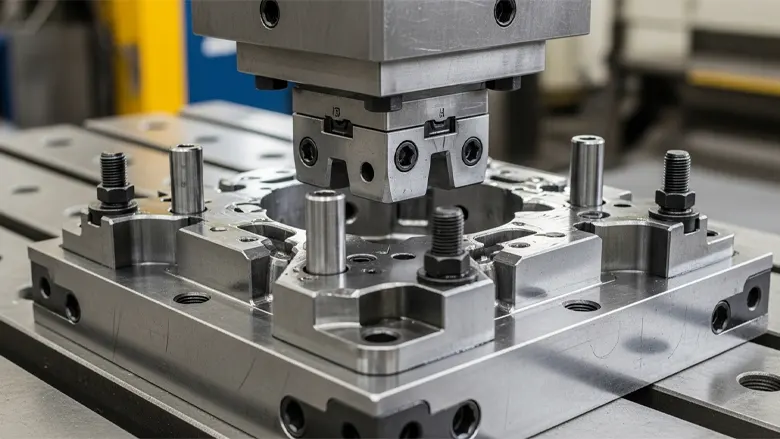
Common Metal Stamping Tooling Questions

Ready to Start Your Custom Parts Project?
Upload your drawings (STEP, STP, IGES, STL) or contact our team for a fast and confidential quotation.
Get Free Quote 

Reliable Metal Stamping Tooling Solutions
We provide precise and durable metal stamping tooling solutions, designed for efficient production of high-quality stamped parts with excellent accuracy and repeatability.
-
Custom tooling for complex designs
-
High precision for tight tolerances
-
Ideal for high-volume production
-
Durable and long-lasting tooling
-
Fast turnaround and reduced lead times
-
Versatile for various materials and applications
What You Can Expect From KT
-

Confidential by Default
Your files and project details are protected under strict NDA standards.
-

Engineering Before Production
We review and optimize your design to ensure manufacturability and cost efficiency.
-

Quality You Can Trust
Every part is inspected to meet your specifications before shipment.
-

Clear & Timely Communication
Stay updated at every stage with responsive and professional support.
-

Transparent Quotation
No hidden costs — clear pricing from the beginning.
-

Flexible Project Support
We support design adjustments and revisions when needed.