Contact Us
  Home /
 Precision Rapid Prototyping for Every Need
KT TOOL offers rapid prototyping services to accelerate product development and reduce time-to-market. Utilizing advanced technologies like 3D printing, CNC machining, and vacuum casting, we deliver functional prototypes that closely match final production parts. Our capabilities include rapid iterations for design validation, allowing clients to test fit, function, and performance before committing to full-scale production.
-
 Quick turnaround for prototypes in as little as 24 hours
 -
Batch production of up to 500 units
-
Materials: Over 10 types, including plastics, metals
-
Custom solutions for complex designs and geometries
 Get Free Quote
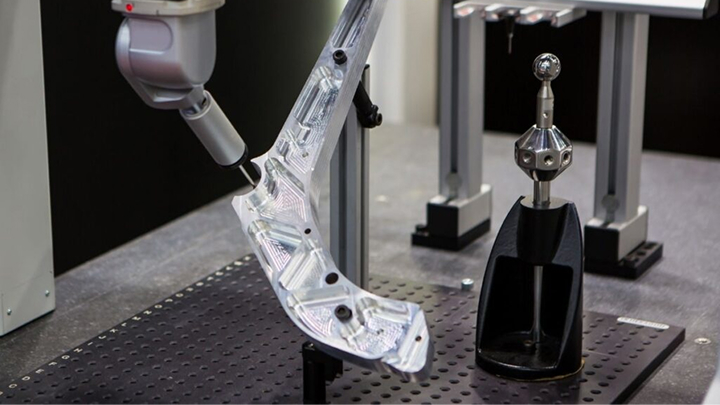
Advanced technology for precision
Ideal for complex prototypes
-

Engineering Design Support
-

Prototype to Production
-

High-Quality Mold Manufacturing
-

ISO 9001:2015 certified QMS
Prototyping Techniques
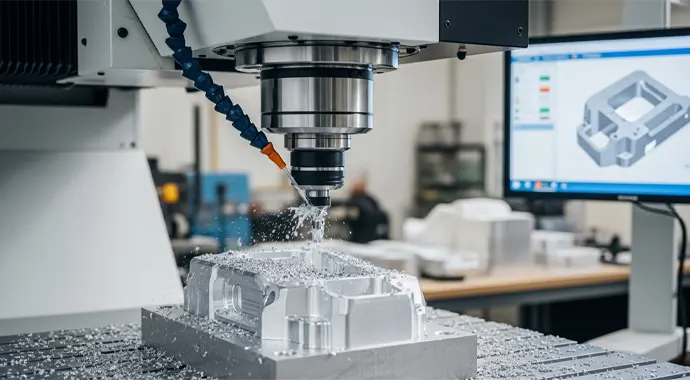
CNC Machining
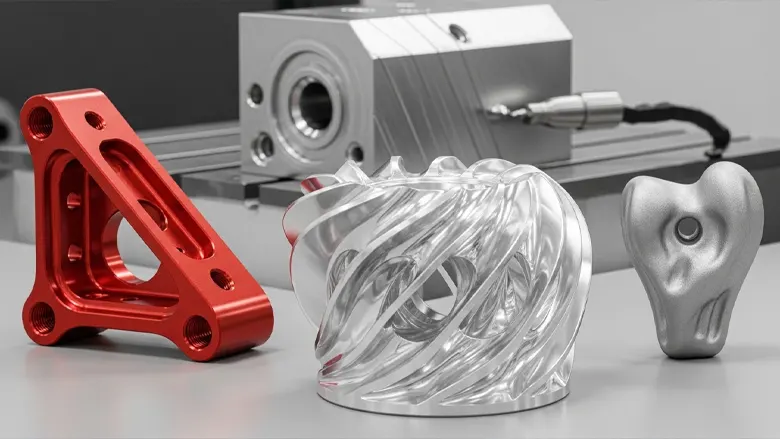
- Precision: CNC machining delivers high accuracy, with tight tolerances typically ranging from ±0.05 mm to ±0.1 mm.
- Material Variety: It can work with a wide variety of materials, including metals (aluminum, steel), plastics (ABS, Nylon), and composites.
- Advantages: CNC machining allows for fast prototyping, quick iterations, and high-quality, fully functional prototypes. It's often used when prototypes need to undergo stress, wear, or other functional testing.
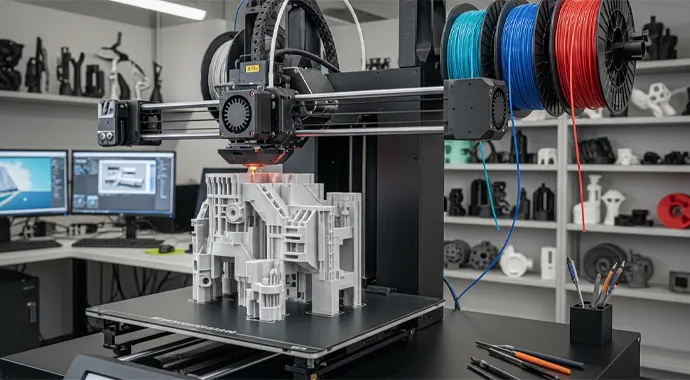
3D Printing
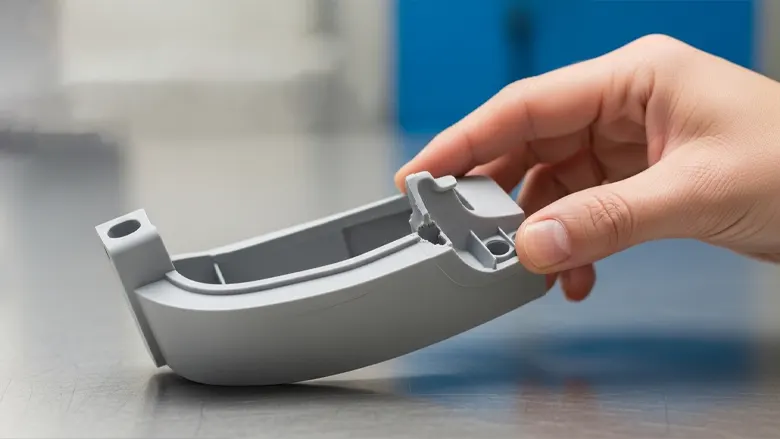
- FDM (Fused Deposition Modeling): A widely used method where thermoplastic material is extruded through a heated nozzle, layer by layer, to form the object.
- SLA (Stereolithography): A laser cures photopolymer resin layer by layer to create high-precision parts with excellent surface finish.
- SLS (Selective Laser Sintering): A laser sinters powdered material (usually nylon or metal), allowing for complex shapes with high strength and durability.
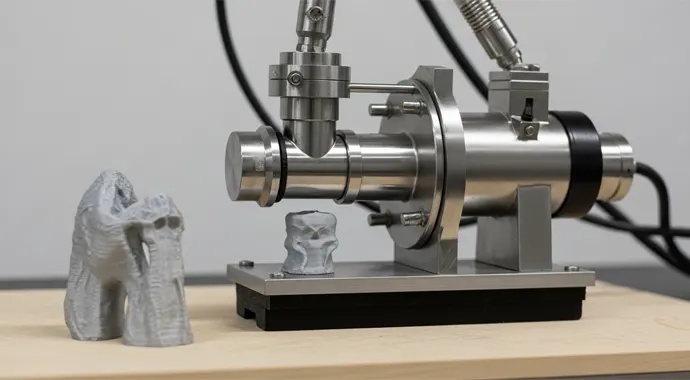
Vacuum Casting
- Small Batch Production: This technique is ideal for producing 10-100 parts in a short time, making it a cost-effective solution for low-volume runs.
- Material Versatility: Materials can include clear, rigid, flexible, or heat-resistant resins, giving a high degree of customization in prototypes.
- Finishing: The cast parts have a high surface finish and can be painted, coated, or assembled to match the final product’s appearance and functionality.
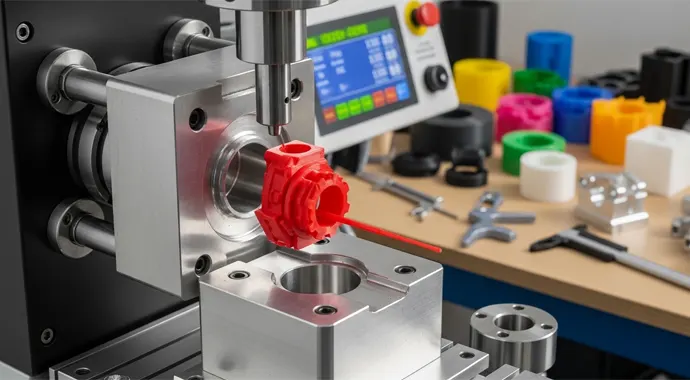
Injection Molding
- Production-like Prototypes: This method is ideal for creating prototypes that will be molded in high quantities during full production.
- Precision: Injection-molded parts are precise and consistent, and the process is suitable for a wide range of materials (plastics, metals, elastomers).
- Cost Efficiency in Small Batches: Injection molding is often used for producing small batches of high-quality prototypes, especially for parts requiring high durability and fine detail.
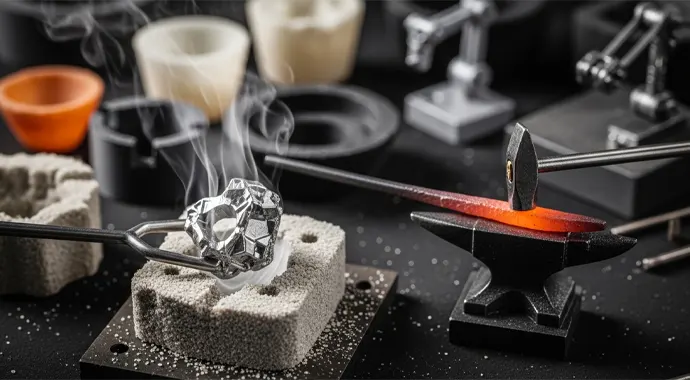
Casting & Forging
- Sand Casting:Molten metal is poured into a sand mold to create large, complex parts like engine blocks or structural components.
- Die Casting: Molten metal is injected into a steel mold under high pressure, ideal for high-precision parts in aluminum, zinc, and other non-ferrous metals.
- Forging: Compressive forces are applied to heated metal to form strong, durable parts like gears or structural components.
Design Optimization for Prototyping
The design phase is about converting concepts into detailed CAD models ready for prototyping.
The focus is on ensuring the design is manufacturable and meets functional requirements while considering cost and material constraints.
Design and Material Testing
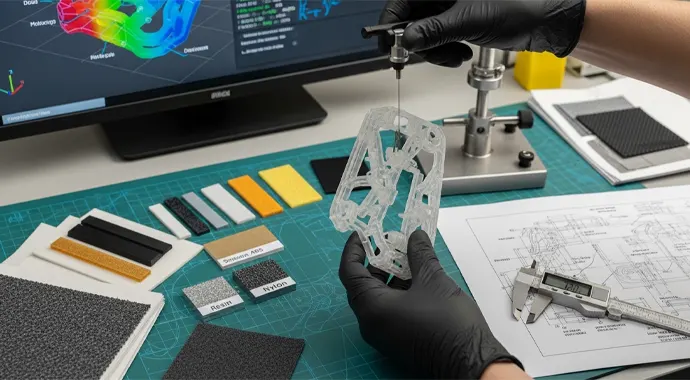
Testing ensures that the prototype meets performance standards and is ready for mass production. Design validation is critical at this stage, ensuring the prototype functions as intended under real-world conditions. Material testing evaluates the durability and strength of the prototype.
- End-User Feedback: Gathering feedback to adjust the product based on real-world usage conditions.
- Design Validation: Functional testing to ensure the prototype meets design specifications.
- Material Testing: Assessing material properties like tensile strength, flexibility, and environmental durability.
- Iterative Testing: Multiple tests to refine both design and materials, ensuring optimal performance.
Production Readiness and Scaling
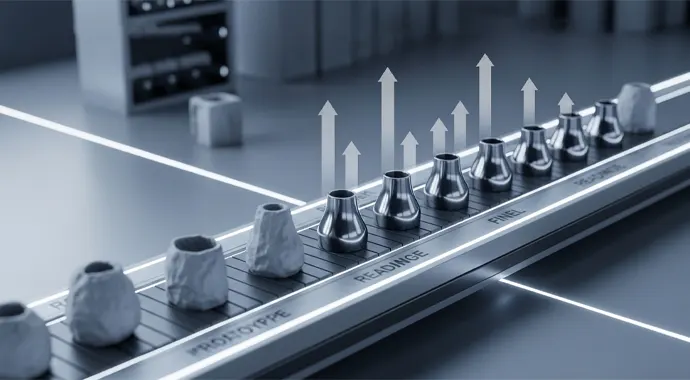
Once testing is complete and the prototype is validated, the product is refined for small-scale production.
This phase ensures that the design and materials are optimized for manufacturing, and that the production process is efficient and cost-effective.
- Small-Scale Production: Initial production runs to test the manufacturing process before scaling up.
- Process Optimization: Refining production methods based on test results to reduce costs and improve quality.
- Quality Control: Implementing rigorous quality checks to ensure consistency during mass production.
- Manufacturing Feedback: Collaboration with manufacturers to fine-tune the production process for efficiency.
Testing and Evaluation
Functional Testing
Prototypes are tested to see if they meet performance expectations. This can include testing for electrical functionality, mechanical strength, or thermal performance. Customers often prioritize material testing to ensure the prototype behaves as expected under real-world conditions, especially in demanding applications.
Fit and Assembly Testing
The prototype is assembled to check for part fitment, ease of assembly, and how components work together. Any issues with parts not fitting or assembling correctly can be identified and addressed, helping customers validate the design and functionality of the prototype.
Stress and Durability Testing
Stress tests assess how the prototype holds up under real-world conditions, such as pressure, temperature, or mechanical stress. This is essential for ensuring that the final product can withstand its intended use without failure. Material testing is also vital in this phase to ensure the chosen materials can withstand these conditions.
Design Iteration
Based on testing feedback, the prototype may be adjusted and re-manufactured to improve its performance or functionality. This iterative process helps refine the product to meet both functional and aesthetic standards before final production.
Cost and Time Estimation
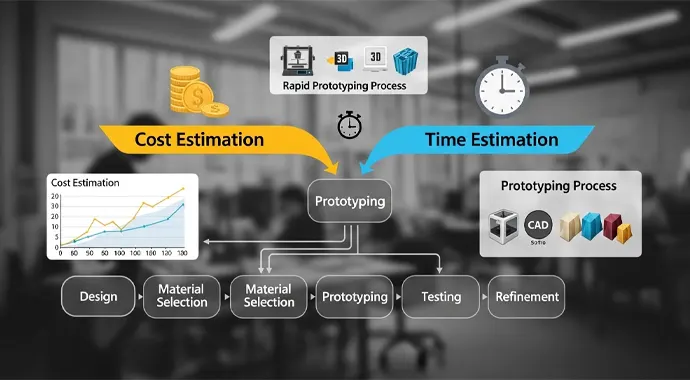
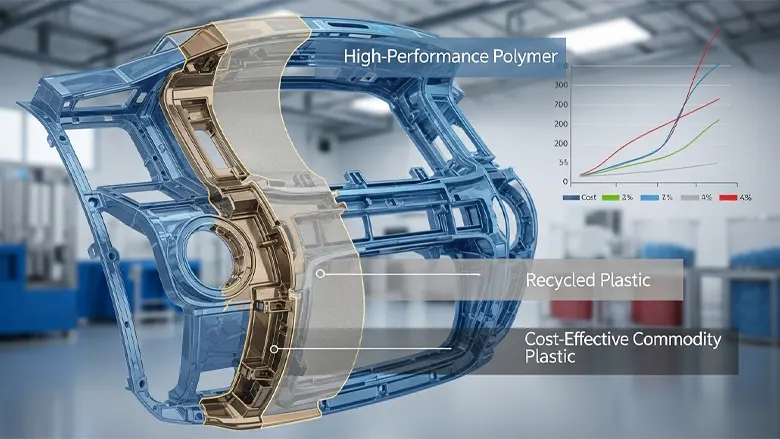
Accurate cost and time estimation are essential for managing rapid prototyping projects effectively. These estimates help ensure the project stays within budget and meets deadlines, while also allowing companies to evaluate the feasibility of low-volume production. Factors such as material selection, complexity, and chosen manufacturing method play a significant role in determining both the cost and timeline. Quick turnarounds are often a priority for customers, making efficient cost and time management crucial for a successful prototyping process.
Compared to industry peers, we have optimized and improved the following, as shown below:
Tolerance Management for Rapid Prototyping
Effective tolerance management is essential for ensuring high-quality, functional prototypes and production parts.
Our precise approach to defining and managing tolerances minimizes waste, controls costs, and maintains performance standards.
| Tight Tolerances | Achieving tolerances as tight as ±0.05 mm, ensuring high precision in complex parts. |
| Cost Control | Optimizing tolerance levels to balance quality and cost efficiency for prototypes and production parts. |
| Consistency | Maintaining consistent quality across all parts through rigorous inspection and validation. |
| Material Adaptability | Tolerance management adapts to various materials to ensure optimal results regardless of the material used. |
Our engineering team can help optimize your design.

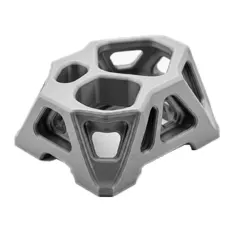
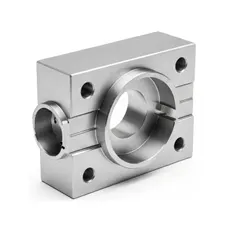
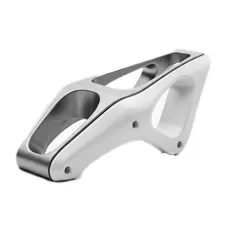
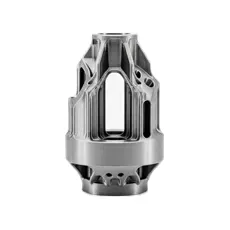
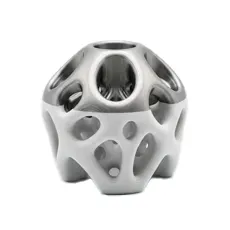
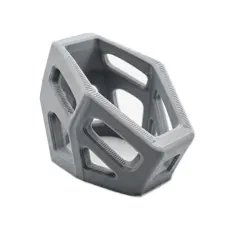
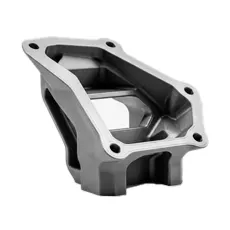
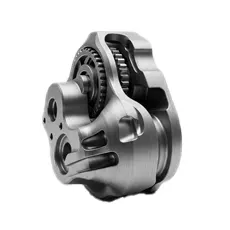
Rapid Prototyping Case Studies
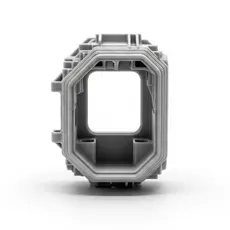
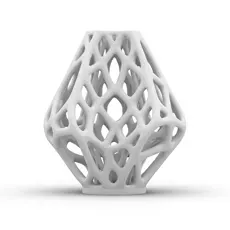
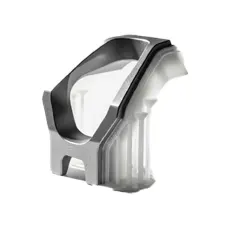
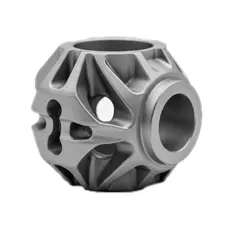
Rapid Prototyping Materials
-
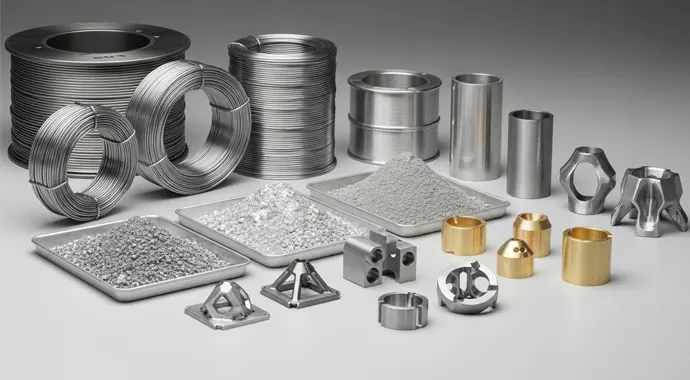 . Metal .
-
Aluminum

Lightweight, corrosion-resistant, and easy to machine. Ideal for parts requiring strength with reduced weight.
Typical Applications- Electronic Housings
- Heat Sinks
- Structural Brackets
- Automotive components
Cost Efficiency:

-
Stainless Steel
High strength and excellent corrosion resistance, suitable for harsh environments.
Typical Applications- Valves and fittings
- Medical components
- Mechanical parts
- Food-grade equipment
Cost Efficiency:
-
Brass
Easy to machine with excellent electrical conductivity and corrosion resistance.
Typical Applications- Connectors
- Fittings
- Electrical components
Cost Efficiency:
-
Titanium
High strength-to-weight ratio with superior corrosion resistance and biocompatibility.
Typical Applications- Aerospace components
- Medical implants
- High-performance mechanical parts
Cost Efficiency:
-
-
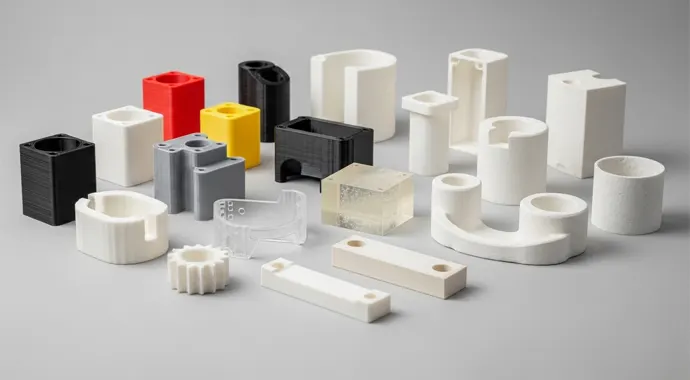 . Plastic .
-
ABS
Impact-resistant plastic with good machinability, widely used for functional prototypes.
Typical Applications- Electronic enclosures
- Prototype parts
- Consumer products
Cost Efficiency:
-
POM (Delrin)
High dimensional stability with low friction, suitable for precision mechanical parts.
Typical Applications- Gears
- Bushings
- Sliding components
Cost Efficiency:
-
Nylon (PA)
Strong, wear-resistant material with good mechanical properties.
Typical Applications- Mechanical components
- Bearings
- Structural plastic parts
Cost Efficiency:
-
PTFE (Teflon)
Extremely low friction and excellent chemical resistance.
Typical Applications- Seals
- Insulation components
- Chemical industry parts
Cost Efficiency:
-
PEEK
High-performance plastic with excellent strength and heat resistance.
Typical Applications- Medical components
- Aerospace parts
- High-temperature applicationsBrackets
Cost Efficiency:
-

Explore our full material list or contact our engineering team for recommendations.

Surface Finishing Options
Surface finishing enhances mold durability, reduces friction, and improves part quality, ensuring smooth operation and longer tool life.
-
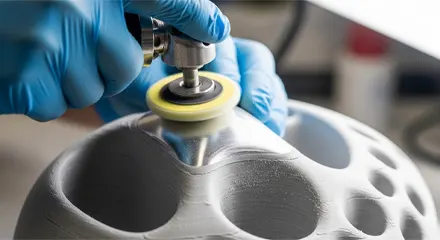
Polishing
Provides a smooth, glossy surface, enhancing the visual appeal and reducing friction.
-
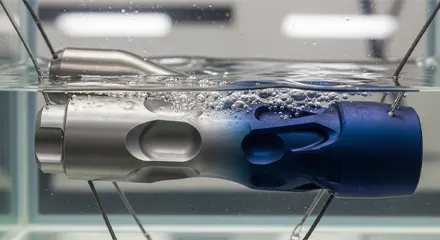
Anodizing
A process that increases the thickness of the natural oxide layer on aluminum, improving corrosion resistance and surface hardness.
-
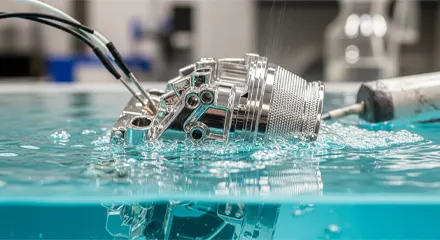
Electroplating
Uses electric current to deposit a metal coating (e.g., chrome or nickel) onto the prototype’s surface, improving wear resistance and aesthetic finish.
-
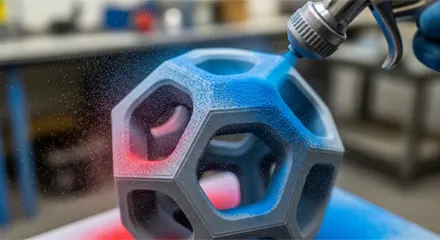
Powder Coating
A dry finishing process where a powder is applied to the surface and then cured with heat, offering durability and resistance to scratching, chipping, and fading.
-
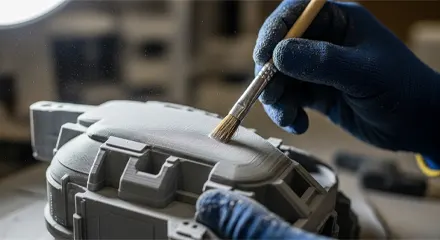
Brushing
Produces a uniform surface texture, often used for aesthetic purposes or to improve grip, typically in metal or plastic parts.
-
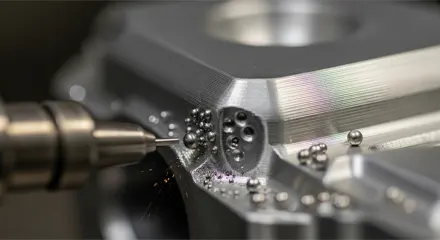
Shot Peening
Involves bombarding the surface with small spherical media to improve fatigue resistance by inducing compressive stresses.
-
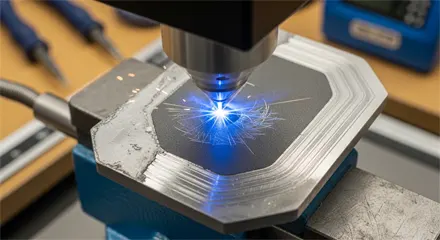
Laser Etching
Uses laser technology to engrave or etch precise patterns or markings on the surface of materials, typically for branding, identification, or aesthetic purposes.
-
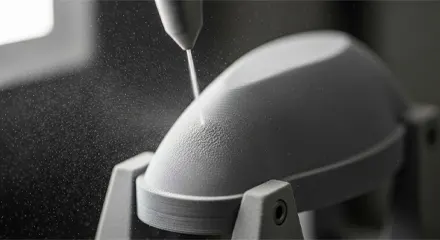
Sandblasting
A technique that uses high-pressure air and abrasive material to clean or texture the surface of a prototype, often used to create matte finishes or for cleaning purposes.
-
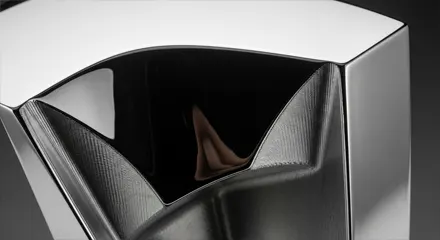
Chroming
A form of electroplating that applies a layer of chromium to the surface, improving corrosion resistance and giving the product a shiny, reflective finish.
*Not sure which finish is right for your part? Explore our complete guide
Rapid Prototyping Process
-
 STEP 1
 Conceptualization
 -
 STEP 2
CAD Modeling
STEP 2
CAD Modeling -
 STEP 3
Material Selection
STEP 3
Material Selection -
 STEP 4
Prototype Manufacturing
STEP 4
Prototype Manufacturing -
 STEP 5
Post-Processing
STEP 5
Post-Processing -
 STEP 6
Testing & Evaluation
STEP 6
Testing & Evaluation -
 STEP 7
Iteration & Refinement
STEP 7
Iteration & Refinement
Guides to Your Rapid Prototyping
Common Rapid Prototyping Questions

Ready to Start Your Custom Parts Project?
Upload your drawings (STEP, STP, IGES, STL) or contact our team for a fast and confidential quotation.
Get Free Quote 

Reliable Engineered Rapid Prototyping Solutions
We provide rapid prototyping services designed to deliver quick, accurate, and cost-effective prototypes, helping you bring ideas to life faster and more efficiently.
-
Fast turnaround for quick testing
-
High precision and detailed prototypes
-
Flexible material options for varied applications
-
Cost-effective solutions for small batches
-
Supports both functional and aesthetic prototypes
What You Can Expect From KT
-

Confidential by Default
Your files and project details are protected under strict NDA standards.
-

Engineering Before Production
We review and optimize your design to ensure manufacturability and cost efficiency.
-

Quality You Can Trust
Every part is inspected to meet your specifications before shipment.
-

Clear & Timely Communication
Stay updated at every stage with responsive and professional support.
-

Transparent Quotation
No hidden costs — clear pricing from the beginning.
-

Flexible Project Support
We support design adjustments and revisions when needed.