Contact Us


Die Steel Material Choices That Shape Progressive Stamping
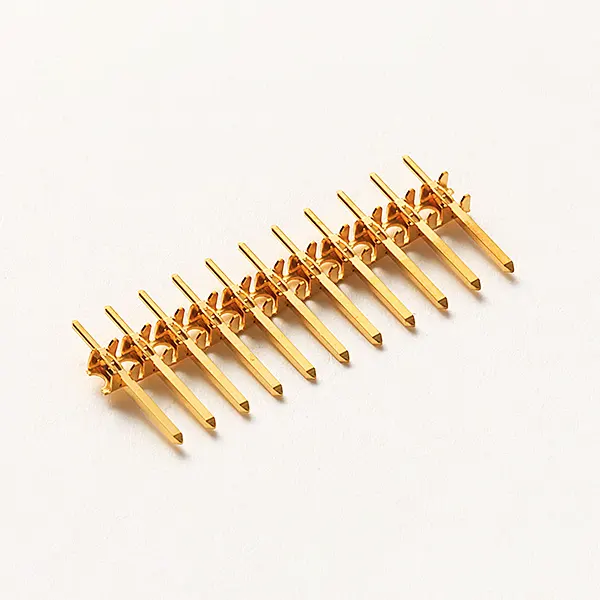
Our progressive stamping dies are designed to perform multiple operations in a single pass, producing several parts at once. This process reduces production time and minimizes waste, contributing to a cost-effective solution for our clients.
- Process Type: Progressive Die Stamping
- Die Materials: Tool Steel / Carbide / Hardened Steel
- Workpiece Materials: Stainless Steel / Aluminum / Brass / Carbon Steel
- Tolerance Capability: ±0.01–0.05 mm (depending on part structure)
- Production Speed: Up to 250–1500 strokes/min
- Tool Life Design: High-volume continuous production
- Part Complexity: Flat parts to complex formed geometries
- Surface Requirement: Plating / Coating / Natural finish
- Production Mode: Prototype → Bridge tooling → Mass production
 Get Free Quote


At KT, we understand that the right material selection plays a pivotal role in the success of progressive die stamping, especially when it comes to strength, durability, and overall performance. This case examines how material choice can directly impact the quality, longevity, and efficiency of stamped components, particularly in industries with high-performance demands like automotive, aerospace, and medical device manufacturing.
Key Considerations for Material Selection
When selecting die steel materials for progressive die stamping, there are several critical factors to keep in mind. These include:
- Strength and Durability Requirements: Die steel materials must meet the strength requirements of the final product to endure operational stresses. High-strength alloys are often chosen for applications demanding long-term tool reliability and performance.
- Formability and Machinability; Materials like aluminum and soft steel offer excellent formability and machinability, facilitating efficient production and reducing labor costs. They are ideal for applications requiring easy shaping and cutting.
- Corrosion Resistance: In industries where parts are exposed to harsh conditions, corrosion resistance is essential. Stainless steel, for example, is commonly used in medical, food processing, and automotive applications, offering superior resistance to corrosion.
- Cost-Effectiveness: Selecting the most cost-effective material that balances performance requirements is crucial to managing production budgets. This consideration ensures high-quality production without overspending.
- Environmental Factors: With increasing attention on sustainability, choosing eco-friendly materials can contribute to a greener manufacturing process. Materials that are recyclable or biodegradable help minimize waste and reduce environmental impact.
Influence of Part Complexity on Material Selection
Part complexity is a significant factor that impacts material choice. The following two considerations are critical:
- Tight Tolerances and Intricate Designs: Complex parts with tight tolerances require materials that maintain stability during the stamping process. For instance, aerospace and medical components demand materials that resist deformation and meet precise specifications.
- Tooling Wear and Tear: Materials with higher hardness or abrasiveness may wear down tooling more quickly, increasing the frequency of repairs and maintenance. To minimize wear, KT often uses hardened tool steels and carbide tools for die stamping, extending tool life and ensuring high production efficiency.
Common Materials Used in Progressive Die Stamping
Understanding material characteristics helps in selecting the right one for a given application. Below are common materials used in progressive die stamping:
| Material | Characteristics/Benefits | Applications/Use Cases |
| Stainless Steel | Exceptional corrosion resistance and significant strength, suitable for environments exposed to moisture or chemicals. Durable and hygienic, it’s widely used across various industries. | Extensively applied in manufacturing medical devices and food-processing equipment, where maintaining sterility and longevity is crucial. |
| Aluminum Alloys | Lightweight yet strong, with excellent corrosion resistance. Their low weight contributes to fuel efficiency in transportation-related applications. | Favored in the aerospace industry for components that require strength without significant weight and in consumer electronics for design flexibility. |
| Copper Alloys (e.g., Brass) | Good electrical and thermal conductivity, making them indispensable in industries requiring efficient energy transfer or heat dissipation. | Commonly used for producing electrical components and connectors, where conductive properties and ease of fabrication are essential. |
| Specialty Metals | Can withstand high stress or temperatures, making them suitable for advanced engineering applications. They also have high strength-to-weight ratios and thermal resistance. | Used in aerospace, military, and industrial applications where durability and thermal resistance are critical. |
Pricing and Cost Considerations
Material selection also involves evaluating the cost-benefit trade-off. Different materials come with varying price points, and finding the right balance between cost and performance is crucial. Here’s how material costs vary:
- Aluminum: More expensive but ideal for lightweight, corrosion-resistant applications.
- Steel: Cost-effective and strong, often used in less critical applications.
- Brass & Stainless Steel Alloys: Offer enhanced characteristics like strength and corrosion resistance but come at a higher price.
In the context of progressive die stamping, KT carefully considers these factors to ensure that the selected material meets performance requirements while remaining within budget constraints.
KT’s Approach to Material Selection
At KT, we leverage our extensive experience and engineering expertise to select the most suitable die steel material for each project. By thoroughly evaluating the strength, formability, corrosion resistance, and environmental impact, we ensure that our clients receive high-quality, cost-effective stamped parts that meet industry standards.
Whether working with high-strength steel for automotive parts or corrosion-resistant stainless steel for medical devices, KT’s progressive die stamping solutions are designed to optimize production efficiency and ensure long-term durability.