Contact Us
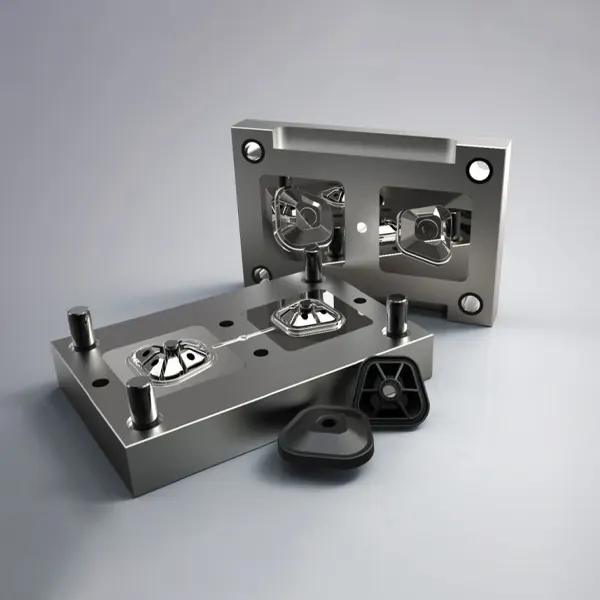


Streamlining Prototyping with Rapid Tooling for Low-Volume Production in Aluminum, Silicone, and Urethane
Rapid tooling is a fast, cost-effective manufacturing method used to create prototypes and small batch production parts. This technique significantly reduces lead times and costs compared to traditional tooling methods, making it an excellent choice for industries such as automotive, aerospace, medical devices, and consumer products.
- Supply Capacity: 5000 pieces per month
- Tolerance: ±0.1 mm
- Lead Time: 5-10 days for prototypes, 15-20 days for small batches
- Materials: Aluminum, Steel, Silicone, Urethane, ABS, PA, PMMA
- Mold Type: Soft Tooling, Hard Tooling
- Surface Finishes: Polishing, Sandblasting, Painting, Anodizing
- Machining Process: CNC Milling, CNC Turning, CNC Drilling
- Drawing Format: CAD, STP, IGS, DXF, PDF
 Get Free Quote


At KT TOOL, we leverage our expertise and cutting-edge equipment to provide rapid tooling services that include both direct and indirect tooling methods, offering solutions tailored to your specific project needs.
Rapid tooling enables manufacturers to produce molds and tools quickly and efficiently. Using technologies like CNC machining, 3D printing, and casting, this method can create prototypes, low-volume parts, and custom tools for mass production, all at a fraction of the cost and time of traditional tooling methods.
| Parameter | Details |
| Material Types | Silicone Rubber, Urethane, Aluminum, Steel |
| Mold Type | Soft Tooling, Hard Tooling |
| Tolerance | ±0.1 mm |
| Surface Finish | Anodizing, Polishing, Sandblasting, Painting |
| Lead Time (Prototypes) | 5-10 days |
| Lead Time (Small Batches) | 15-20 days |
| Machining Process | CNC Milling, CNC Turning, CNC Drilling |
| Materials Available | ABS, PMMA, PA, Silicone, Urethane |
| Capacity | 5000 pieces per month |
Types of Rapid Tooling
Direct Rapid Tooling
- Process: Uses 3D printing or CNC machining to create molds and tools directly from CAD designs.
- Applications: Suitable for small to medium batch production or functional testing of prototypes.
- Advantages: Quick lead times, low cost, and the ability to handle complex geometries.
- Materials Used: Aluminum, Urethane, Silicone.
Indirect Rapid Tooling
- Process: Involves creating a master pattern using 3D printing or CNC machining, then using this master to create molds with more durable materials like silicone or aluminum.
- Applications: Best for low to medium volume production and testing different materials.
- Advantages: More durable than direct tooling and can handle more complex shapes with greater precision.
- Materials Used: Silicone rubber, Urethane, Aluminum.
Key Advantages
- Cost-Effective: Compared to traditional injection molding, rapid tooling is less expensive because it requires fewer resources and less time.
- Faster Time to Market: Quick lead times mean faster prototype testing and product iteration.
- Flexibility: Easy to modify designs during the prototype phase, allowing for rapid adjustments.
- Material Testing: Provides the opportunity to experiment with various materials before committing to large-scale production.
- Reduced Risk: By using rapid tooling, you can detect and resolve potential issues early in the design phase, minimizing the risks during full-scale production.
Applications
- Automotive: Creating engine components, dashboard parts, and prototypes for assembly testing.
- Aerospace: Producing high-precision parts like turbine blades, brackets, and housings.
- Medical: Prototyping for medical devices, implants, and surgical tools.
- Consumer Products: Developing products like home appliances, toys, and gadgets for market testing.