Contact Us
  Home /
 Maximizing Precision, Minimizing Cost: The Ultimate DFM Guide for Advanced Robotics


Table of Contents

In the world of high-stakes robotics and precision engineering, the transition from a CAD model to a functional physical component is where most projects face their biggest hurdles. Design for Manufacturability (DFM) is not merely a set of constraints; it is a strategic bridge that ensures an ambitious design remains both technically feasible and economically viable.
1. The Tolerance Trap: Beyond the Decimal Point
One of the most common pitfalls in robotics design is "Over-Tolerance." While a robotic arm requires extreme precision at its joints, applying a $\pm0.005mm$ tolerance to a non-critical structural bracket exponentially inflates costs. In CNC machining, tightening a tolerance from $\pm0.1mm$ to $\pm0.01mm$ can increase the price by 2x or 3x due to slower feed rates, specialized tooling, and higher scrap rates. The Golden Rule: Only specify high precision where it is functional—such as bearing seats and gear interfaces.
2. Internal Geometries and Tool Accessibility
CNC machines use rotating round tools. This means internal 90-degree square corners are impossible to mill directly. Designers often overlook this, forcing machinists to use slow and expensive EDM (Electrical Discharge Machining) processes. By designing internal corners with a radius slightly larger than the tool (e.g., if using a 6mm end mill, design a 3.175mm radius), you allow the tool to clear corners at higher speeds without "chattering," resulting in a better surface finish and lower cost.
3. Wall Thickness and Structural Integrity
Lightweighting is a core requirement for mobile robots, but thin walls are prone to vibration and warping during machining. For aluminum, a minimum wall thickness of 0.8mm is recommended for structural parts, while 0.5mm is the absolute limit for small, non-load-bearing areas. Anything thinner requires specialized fixtures and significantly increases the risk of part failure during production.
Talk to the Manufacturer, Not a Middleman
Resources & Insights
-
 News
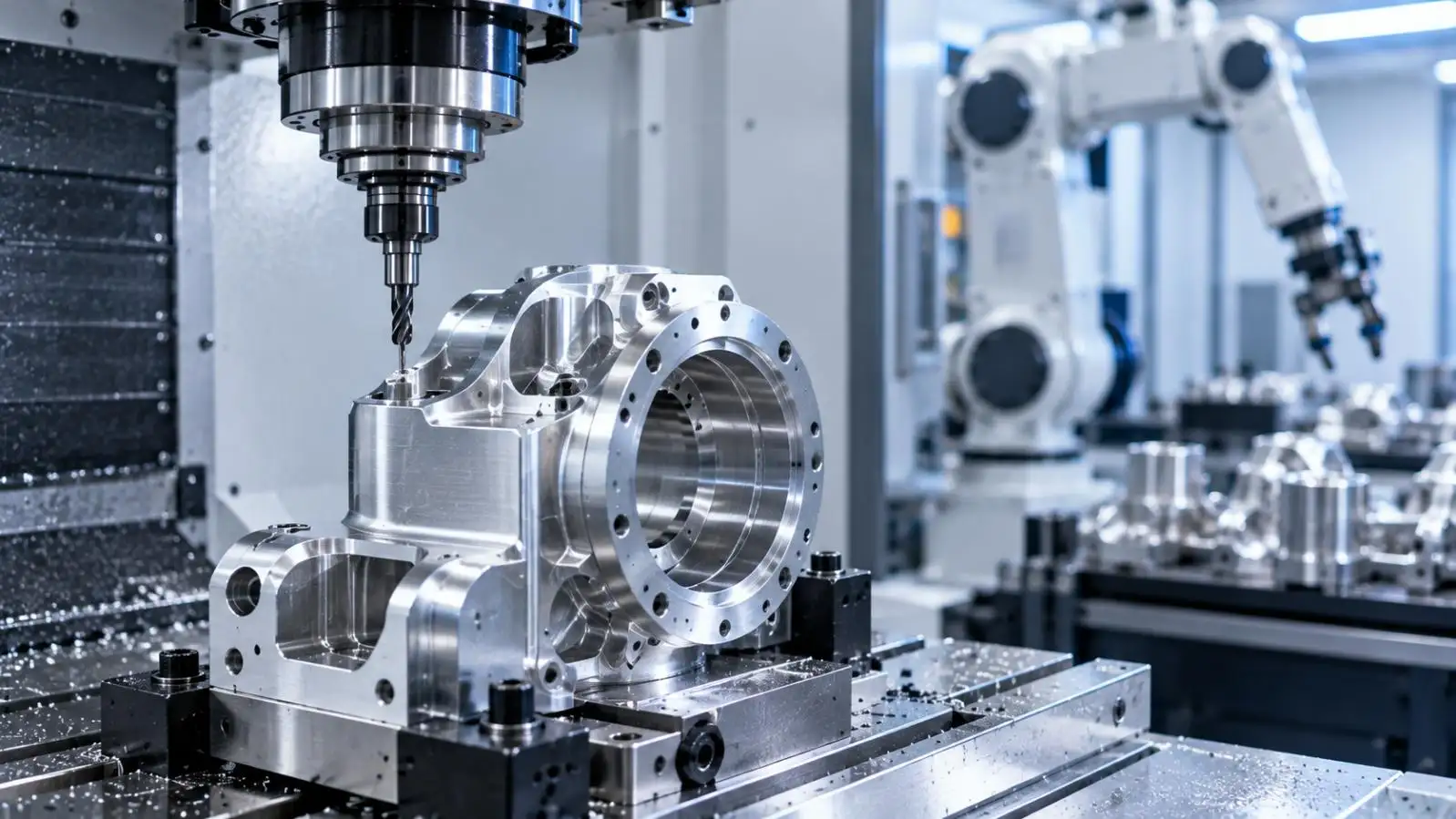
NewsCNC Machining Robotic Parts: How GD&T Controls Robot Assembly Accuracy
2026-09-24By KT Engineering -
 News
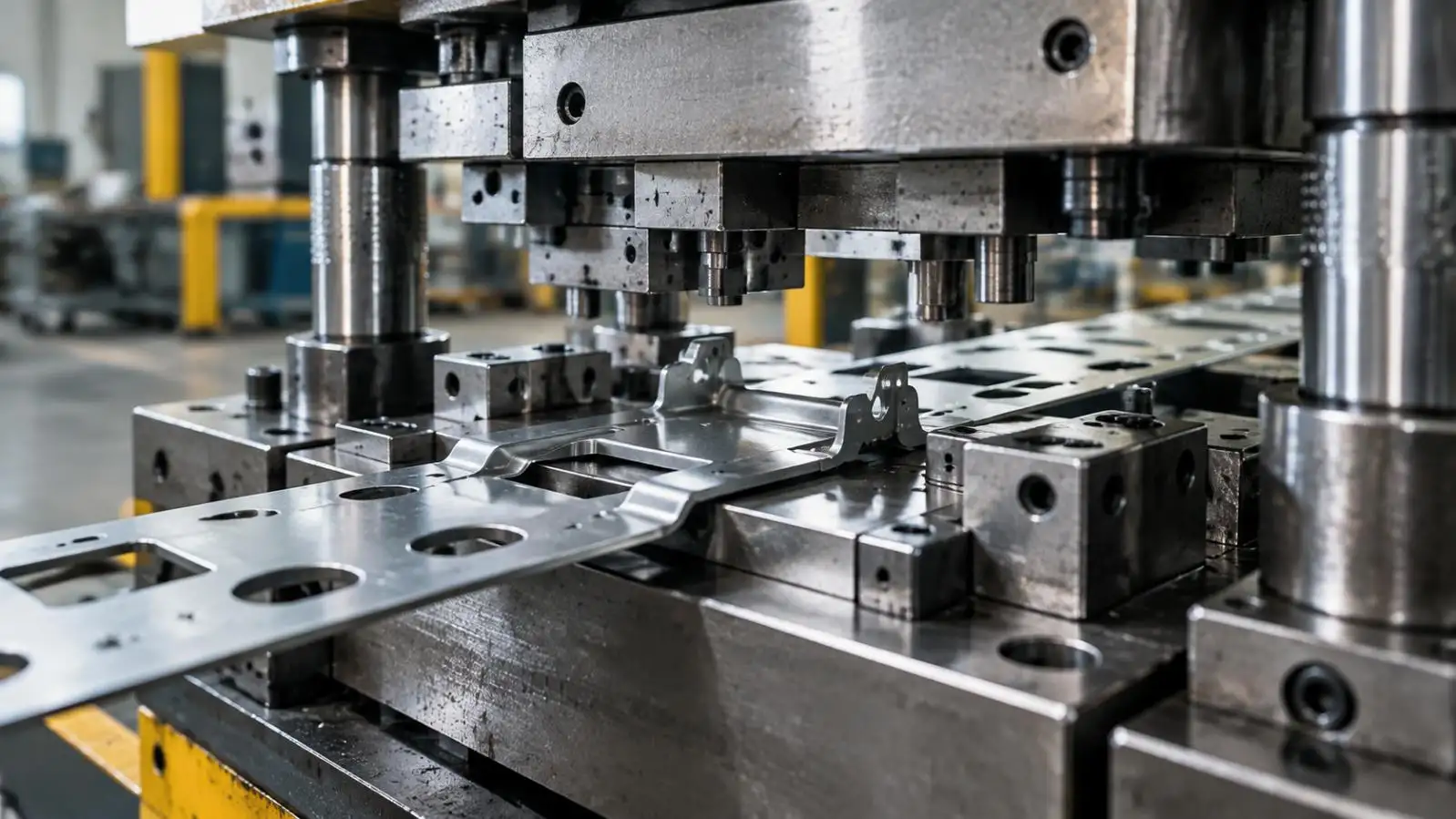
NewsHardware Stamping Springback Control for High-Strength Steel Parts
2026-09-24By KT Engineering -
 News
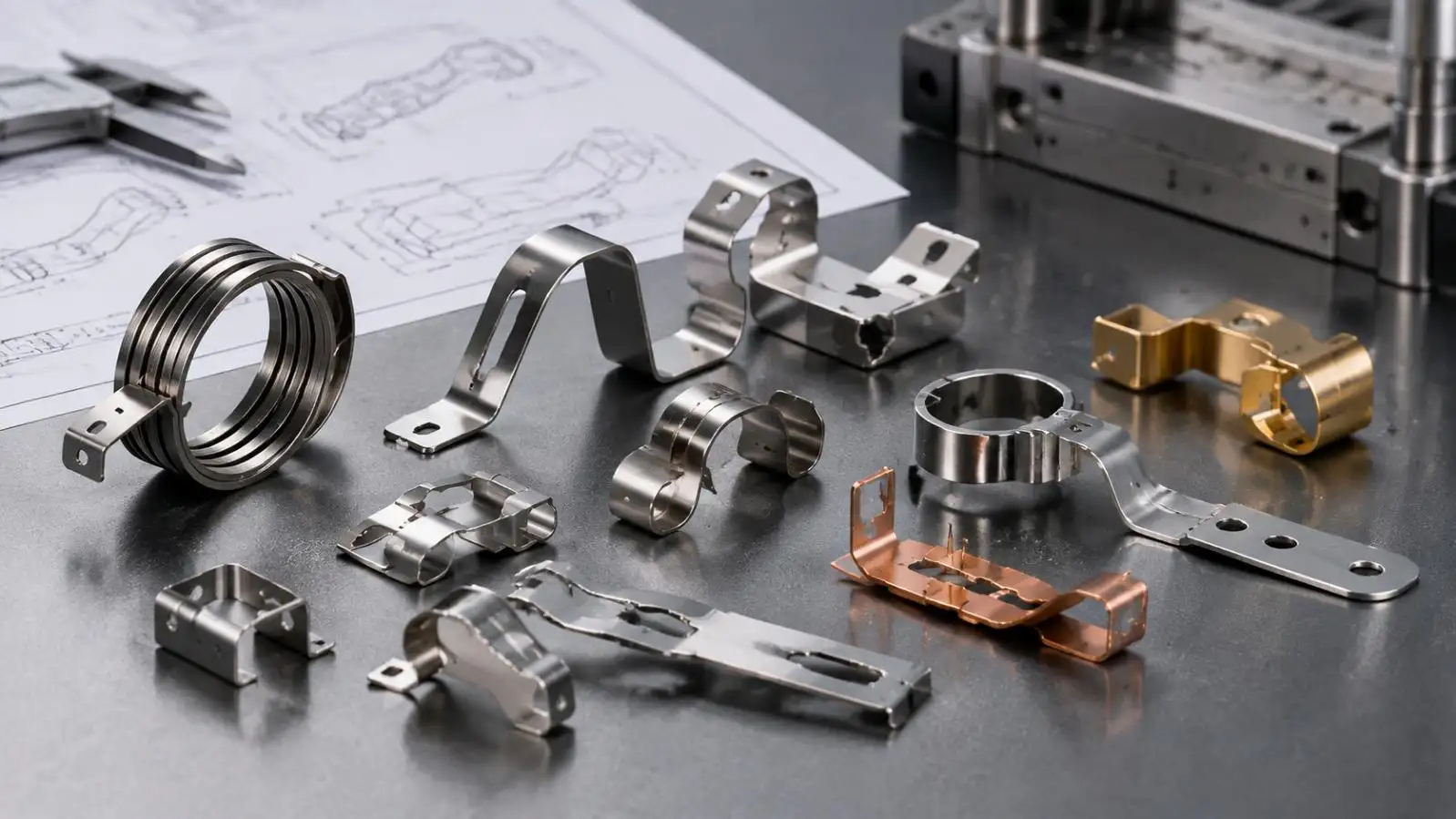
NewsSpring Stamping Fatigue Life: How Geometry, Material and Edge Quality Affect Cycle Life
2026-09-24By KT Engineering -
 News
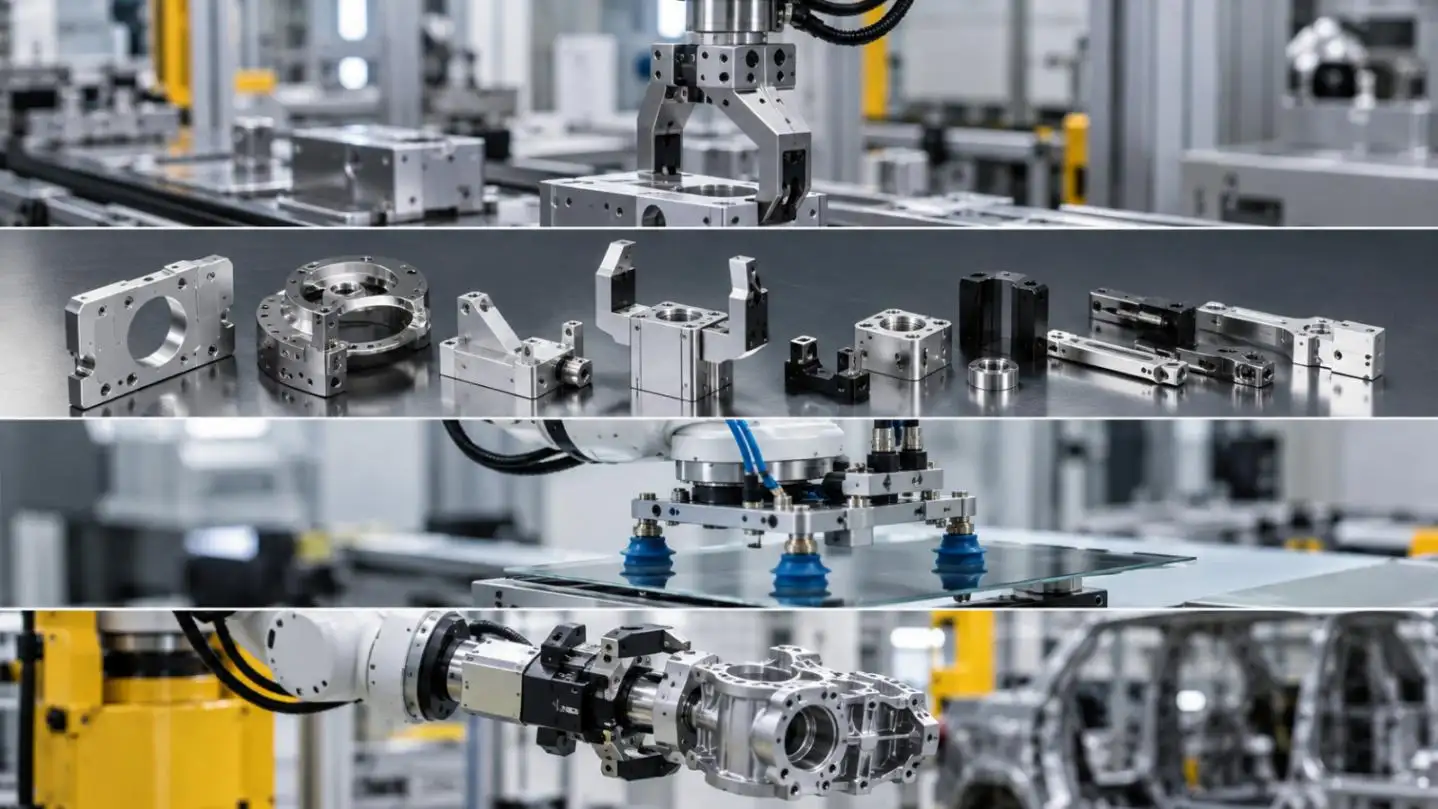
NewsMechanical Automation Parts for Robot End Effectors and Positioning Accuracy
2026-09-23By KT Engineering