Contact Us
  Home /
 OEM Precision CNC Machined Parts Supplier | Custom Metal & Plastic Components Manufacturer


Table of Contents
- What is an OEM precision CNC machined parts supplier?
- Why OEMs outsource precision CNC machined parts
- Key capabilities to evaluate
- Quality management and inspection
- Engineering support and project management
- Market trends in OEM precision CNC machining
- Common applications
- Choosing a CNC machining supplier: your checklist
- The OEM collaboration process
- Who should consider outsourcing CNC machining
- Finding your next OEM precision CNC machining partner

Working with a reliable OEM precision CNC machined parts supplier can be the difference between a successful product launch and costly delays. Whether you're developing industrial systems, upgrading automotive assemblies, or building high-end equipment, your CNC machining partner needs to deliver consistent quality, tight tolerances, and on-time delivery.
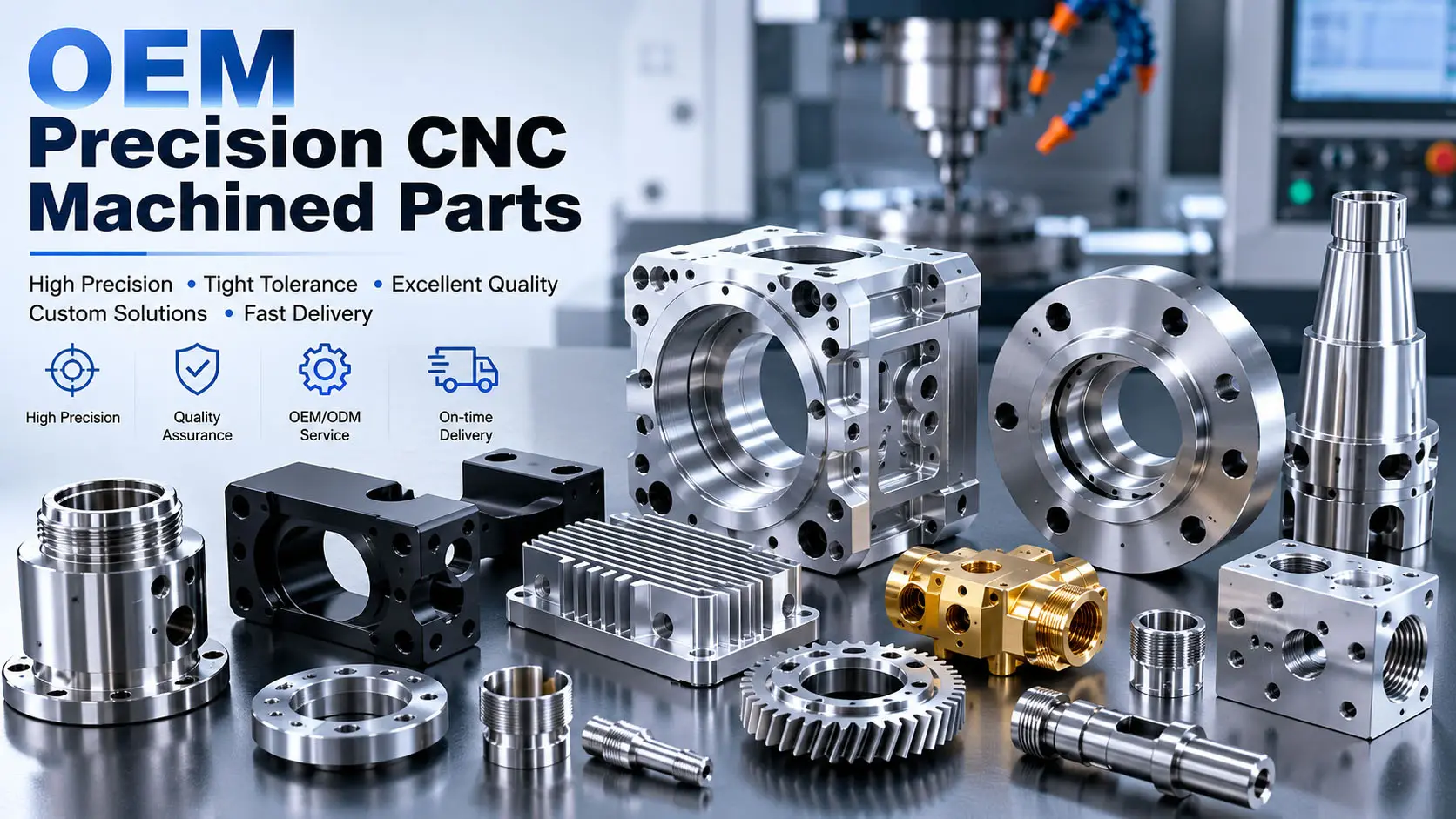
What is an OEM precision CNC machined parts supplier?
An OEM precision CNC machined parts supplier manufactures custom, build-to-print components for original equipment manufacturers. These companies use CNC technologies including turning, milling, multi-axis machining, drilling, and finishing to produce parts from metals or engineering plastics.
Key characteristics include the ability to meet tight tolerances and complex geometries, process a wide range of materials, manage OEM projects and mass production, maintain strong quality systems, and handle everything from prototypes to high-volume runs.
Why OEMs outsource precision CNC machined parts
Many OEMs prioritize system integration, R&D, and market development over in-house machining. Outsourcing reduces capital investment in equipment and staffing while providing access to advanced manufacturing technology like 5-axis machining and automation.
OEMs also restructure supply chains for cost, risk, and responsiveness. This often means nearshoring, consolidating suppliers, and signing long-term agreements with strategic partners who offer competitive pricing and technical competence.
Key capabilities to evaluate
When choosing a supplier, verify that their machining capabilities align with your needs. Look for CNC turning, milling, turn-mill centers, deep-hole drilling, threading, and precision finishing. The supplier should handle small batches and mass production with multiple machines to prevent bottlenecks.
Materials expertise matters too. A good supplier works with carbon and alloy steels, stainless steels, aluminum alloys, brass, tool steels, and engineering plastics. They should advise on material selection, heat treatment, and finishes.
Precision is critical for OEM applications. Your supplier should deliver dimensional accuracy down to ±0.005 mm where needed, maintain positional accuracy and geometric tolerances, and work comfortably from 2D drawings and 3D CAD with GD&T notation.
Quality management and inspection
A serious OEM machining supplier operates under a robust quality management system with formalized procedures, incoming material inspection, in-process checks, and corrective action systems. Ask about their quality manual, audit experience with OEM customers, and statistical process control methods.
They should have appropriate metrology equipment: coordinate measuring machines, height gauges, micrometers, surface roughness testers, and optical comparators. Request example inspection reports and first article inspection documentation.
Engineering support and project management
Good suppliers offer design-for-manufacturability feedback, suggesting ways to simplify machining or reduce cost. They follow a structured new product introduction process: drawing review, prototype production, validation, and process standardization for mass production.
Expect clear communication on quoting, lead times, order status, and engineering changes. Quick response to technical questions and field issues is standard.
Market trends in OEM precision CNC machining
The market is shifting toward high-mix, medium-volume production with frequent design updates and shorter product lifecycles. Suppliers with flexible setups and efficient programming have an advantage.
Digitalization is increasing. Manufacturers adopt digital work instructions, CAD/CAM integration, and traceability systems for better consistency and transparency. While supply chain resilience matters, OEMs still prioritize total landed cost, including logistics and tariffs, making cost-competitive machining hubs attractive.
Common applications
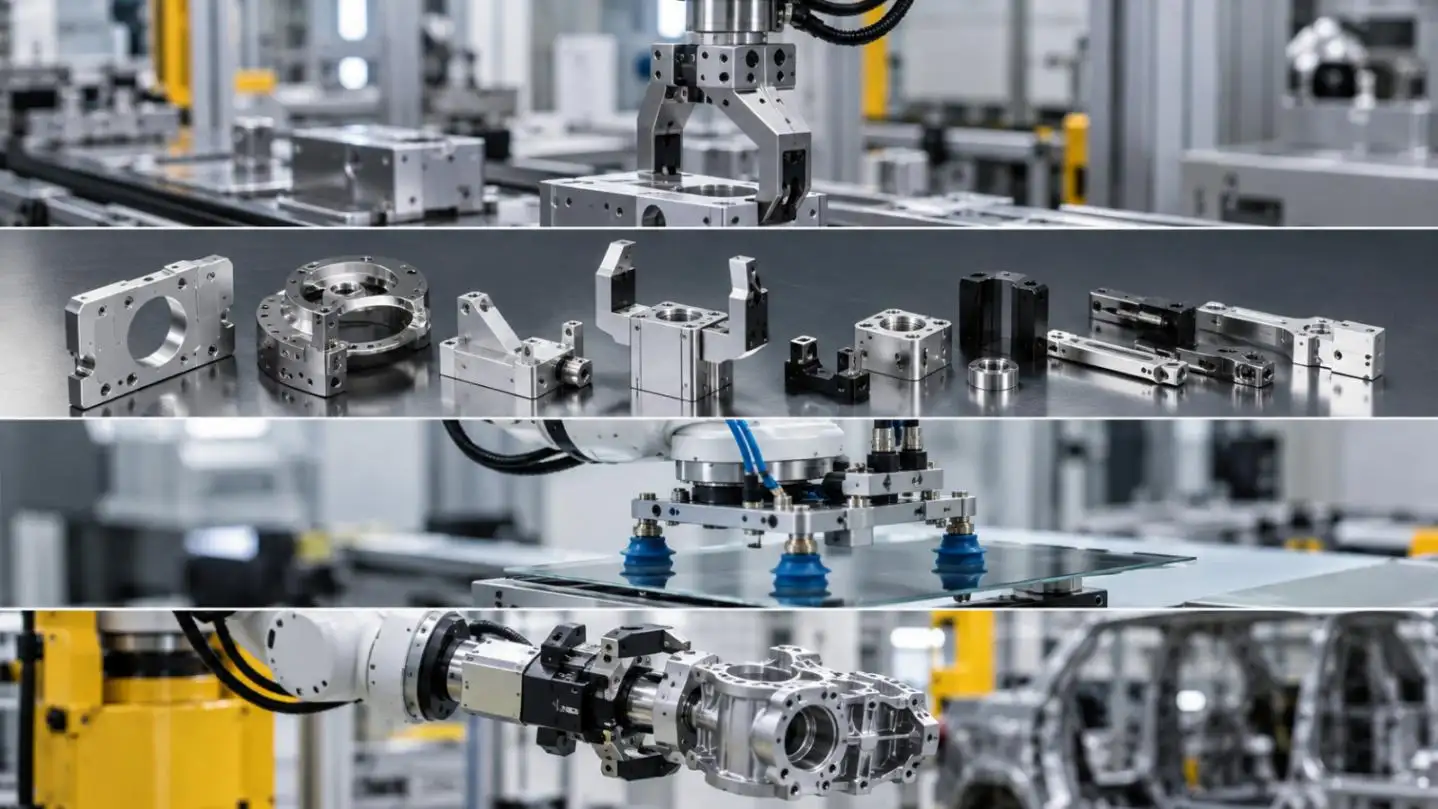
OEM CNC parts support automotive (engine components, brake systems, bushings), industrial machinery (gearbox housings, couplings, pneumatic parts), electronics (heat sinks, enclosures, sensor housings), and medical equipment (stainless steel components, precision plastic parts).
Choosing a CNC machining supplier: your checklist
Technical fit: Are their machines suitable for your parts? Can they meet your tolerance and finish requirements?
Quality and reliability: Do they have a structured quality management system? Can they provide inspection data and sample reports?
Cost and lead time: Are prices competitive? Are lead times acceptable including shipping?
Communication: Is communication clear and timely? Are they responsive to changes?
Scalability: Can they ramp up if your product succeeds? Do they have backup machines?
The OEM collaboration process
A typical engagement starts with RFQ and technical review. You send drawings and requirements; the supplier provides a detailed quotation with price, lead time, and recommendations.
Sample production comes next. Once approved, machining programs and processes are frozen. Work instructions and inspection plans are established for stable mass production.
Mass production follows your demand forecasts with in-process and final inspections. Continuous feedback from your quality and production teams drives improvements and cost reductions as your partnership evolves.
Who should consider outsourcing CNC machining
If you're a small to medium OEM, engineering company, system integrator, or distributor needing reliable precision parts, an experienced CNC machining partner makes sense. Whether you're developing new products, transitioning from in-house production, or optimizing current suppliers for cost or quality, the right partner can strengthen your supply chain.
Finding your next OEM precision CNC machining partner
Choosing the right supplier is a strategic decision affecting quality, cost, and reliability. Focus on machining capability, material expertise, quality systems, and project management strength. With the right partner, you can build a long-term relationship that supports your growth and innovation.
When evaluating partners, provide your drawings (PDF, DWG, or STEP), quantity, material, and special requirements. Their engineering team should respond with a detailed solution and quotation.
Talk to the Manufacturer, Not a Middleman
Resources & Insights
-
 News
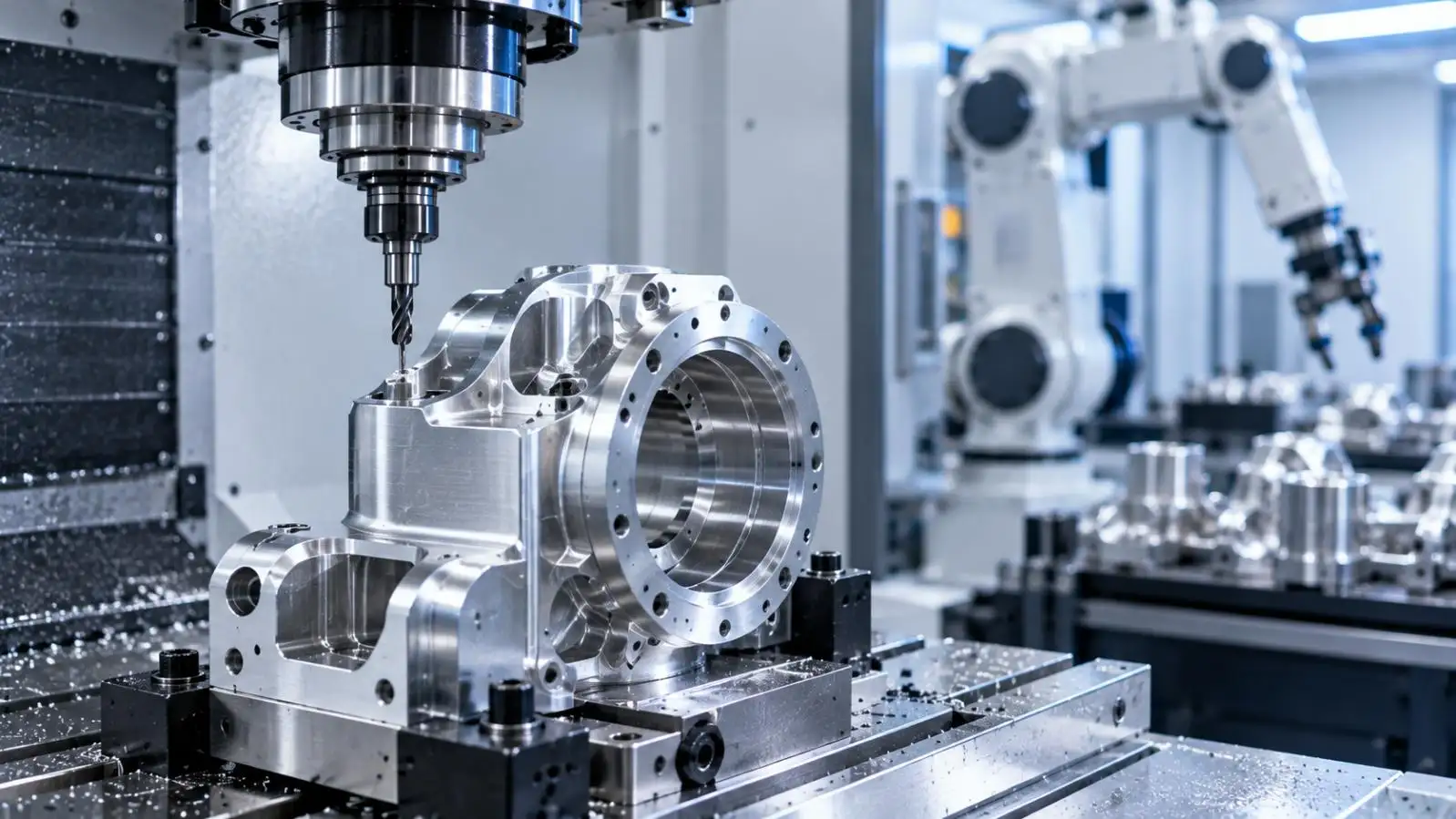
NewsCNC Machining Robotic Parts: How GD&T Controls Robot Assembly Accuracy
2026-09-24By KT Engineering -
 News
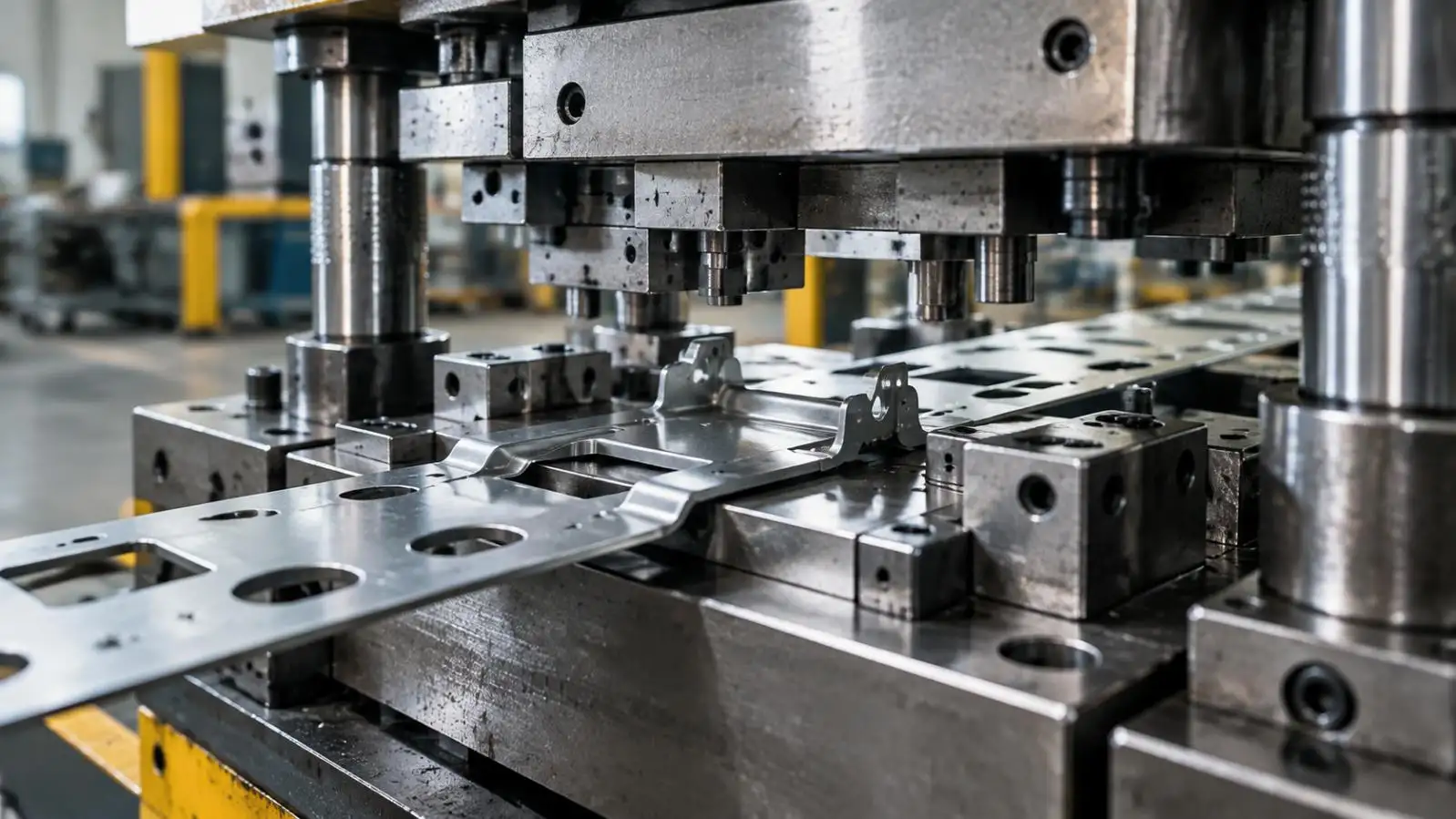
NewsHardware Stamping Springback Control for High-Strength Steel Parts
2026-09-24By KT Engineering -
 News
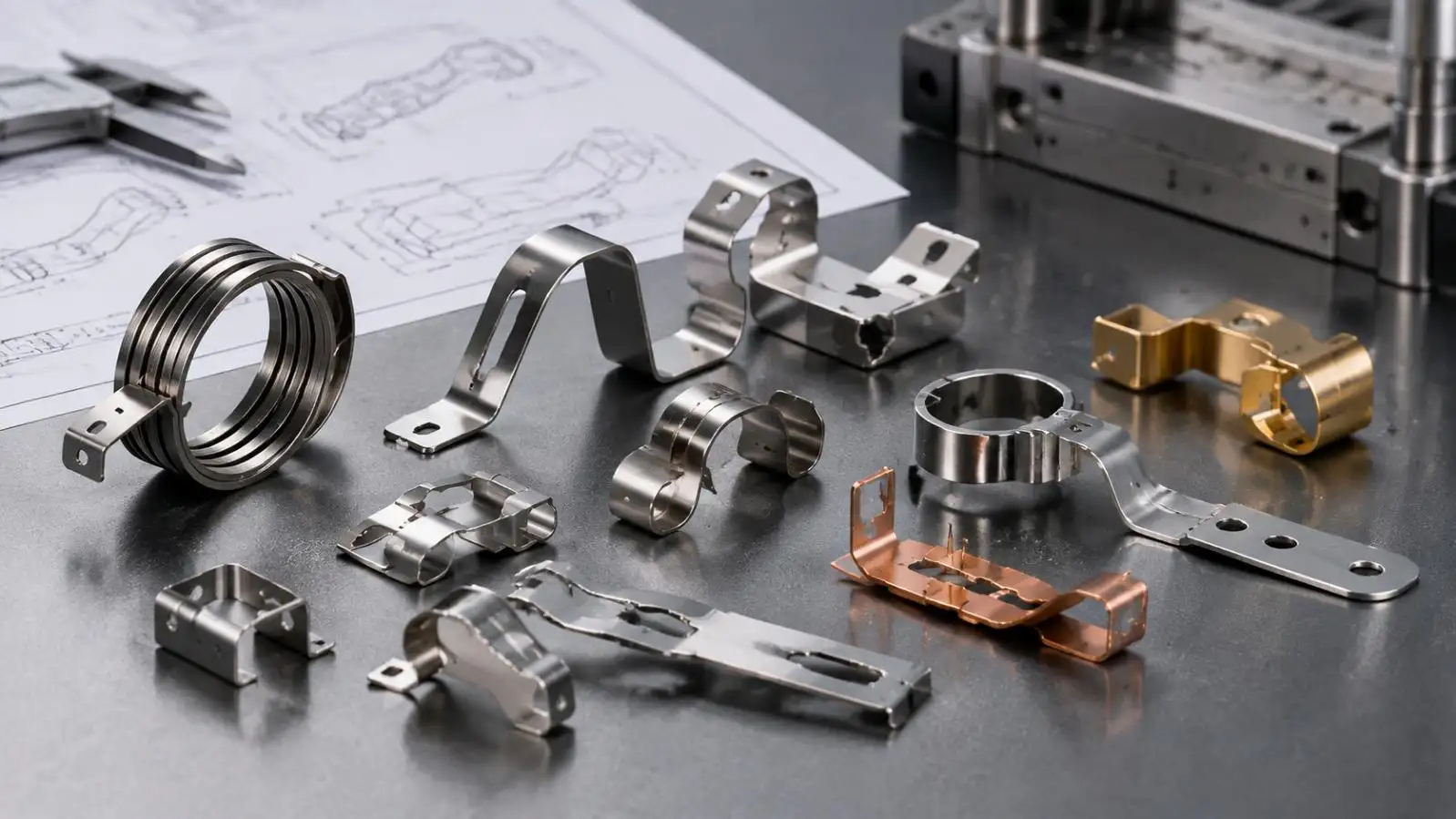
NewsSpring Stamping Fatigue Life: How Geometry, Material and Edge Quality Affect Cycle Life
2026-09-24By KT Engineering -
 News
NewsMechanical Automation Parts for Robot End Effectors and Positioning Accuracy
2026-09-23By KT Engineering