Contact Us
  Home /
 Achieving Tight Tolerances in Die Design: Key Design Considerations for Precision Stamping


Table of Contents
- 1. The Critical Role of Tolerances in Precision Stamping
- 2. Key Design Considerations for Tight Tolerance Die Design
- 3. Die Calibration and Testing: Ensuring Tolerance Consistency
- 4. Extending Die Life to Maintain Tolerance Stability
- 5. Advanced Tools and Technologies for Tolerance Optimization
- 6. Common Challenges and Solutions for Tolerance Control
- 7. Why Tolerance Control Matters for Your Bottom Line

Precision stamping relies heavily on the accuracy of die design, and tight tolerances are the cornerstone of high-quality stamped parts. For manufacturing teams, engineers, and procurement professionals, mastering tolerance control in die design is not just about meeting technical specifications—it’s about ensuring consistent part quality, reducing scrap, and avoiding costly rework.
Unlike production processes that focus on part output, die design directly dictates how well tolerances are maintained during stamping.
1. The Critical Role of Tolerances in Precision Stamping
Tolerances in die design refer to the allowable variation in dimensions, alignment, and surface quality that ensure stamped parts meet design requirements. For precision stamping—such as automotive components, electronic enclosures, or medical parts—tolerances often need to be as tight as ±0.01mm to ±0.05mm.
Poor tolerance control in die design leads to:
- Misaligned holes or uneven bends
- Parts that fail to fit during assembly
- High scrap rates (often 10% or more)
- Repeated tool adjustments and production delays
By contrast, well-designed dies with tight tolerance control eliminate these issues, ensuring each stamped part is consistent, meets specifications, and reduces long-term production costs.
2. Key Design Considerations for Tight Tolerance Die Design
2.1 Die Structure Design: The Foundation of Tolerance Control
The die’s structure directly impacts how well tolerances are maintained during stamping. Key design elements include:
- Die Cavity Precision: The die cavity must be machined to tolerances tighter than the final part, typically ±0.005mm to ±0.01mm, to account for material springback and stamping deformation.
- Guide and Alignment Systems: Use precision guide pins, bushings, and locating pins to ensure the die remains aligned during each stamping cycle. Even minor misalignment (as small as 0.02mm) can cause dimensional errors in the final part.
- Die Clearance Optimization: The gap between the punch and die (die clearance) must be tailored to the material thickness and type. For example, high-strength steel requires larger clearance than low-carbon steel to avoid tearing, while maintaining tight dimensional control.
2.2 Material Selection: Ensuring Tolerance Stability
The choice of die material directly affects tolerance retention over time. Key considerations:
- Wear Resistance: For high-volume stamping or abrasive materials (e.g., stainless steel), use tool steels with high hardness (HRC 58–62), such as D2 or SKD11, to prevent die wear that degrades tolerances.
- Dimensional Stability: Avoid materials with high thermal expansion (e.g., some low-grade tool steels) that can cause die distortion during heating and cooling, leading to tolerance drift.
- Corrosion Resistance: For stamping parts in harsh environments, use corrosion-resistant tool steels (e.g., SUS420J2) to prevent rust and dimensional changes that compromise tolerances.
2.3 Temperature Control: Mitigating Tolerance Drift
Temperature fluctuations are a major cause of tolerance errors in die design. To maintain precision:
- Die Cooling Systems: Integrate water-cooling channels into the die to keep temperatures consistent during high-volume stamping. Even a 5°C temperature rise can cause dimensional shifts of 0.01–0.03mm.
- Thermal Expansion Compensation: Design the die with thermal expansion in mind—for example, using materials with low thermal expansion coefficients (e.g., DC53 tool steel) to minimize distortion.
- Preheating for High-Temperature Materials: When stamping high-temperature-resistant metals, preheat the die to match the material’s temperature, reducing springback and dimensional errors.
2.4 Work Environment: Controlling External Variables
The production environment can also impact die tolerance performance:
- Temperature Control: Maintain a consistent workshop temperature (20–25°C) to avoid die expansion or contraction.
- Vibration Reduction: Use anti-vibration mounts for stamping presses to prevent die misalignment during operation.
- Lubrication Management: Use high-quality, temperature-stable lubricants to reduce friction between the die and material, preventing dimensional deviations caused by uneven material flow.
3. Die Calibration and Testing: Ensuring Tolerance Consistency
Even the best-designed die requires calibration and testing to maintain tight tolerances over time:
3.1 Die Calibration Methods
- Coordinate Measuring Machine (CMM) Inspection: After die manufacturing, use a CMM to verify die cavity dimensions, punch alignment, and surface flatness, ensuring all features meet tolerance requirements.
- Test Stamping: Run 50–100 test parts to check for dimensional accuracy, springback, and burrs. Adjust the die (e.g., shimming, polishing) to correct any tolerance deviations.
- Periodic Re-Calibration: After every 10,000–50,000 stamping cycles, re-inspect the die to detect wear or deformation that could affect tolerances.
3.2 Tolerance Testing Techniques
- Statistical Process Control (SPC): Monitor part dimensions during production to identify trends in tolerance drift, allowing for proactive die adjustments.
- Cross-Sectional Analysis: Examine stamped parts under a microscope to check for uneven material flow or dimensional errors caused by die wear.
- Assembly Fit Testing: Test stamped parts in their final assembly to ensure tolerances align with mating components (e.g., holes aligning with fasteners, edges fitting into grooves).
4. Extending Die Life to Maintain Tolerance Stability
A die’s ability to maintain tight tolerances depends on its durability. Key strategies to preserve tolerance performance over time:
- Surface Treatments: Apply nitride or TiN coatings to die surfaces to reduce wear and maintain dimensional stability.
- Targeted Maintenance: Focus on high-wear areas (e.g., punch tips, die edges) with regular polishing and replacement to prevent tolerance degradation.
- Predictive Monitoring: Use sensor-based systems to track die wear, allowing for scheduled maintenance before tolerances fall out of specification.
5. Advanced Tools and Technologies for Tolerance Optimization
Modern die design leverages advanced tools to achieve and maintain tight tolerances:
5.1 3D Modeling and Simulation
- Use CAD software (e.g., SolidWorks, AutoCAD) to design die components with precise tolerance annotations, ensuring all features (e.g., holes, slots) meet required specifications.
- 3D simulation tools allow engineers to test material flow, predict springback, and adjust die geometry before physical die production—reducing tolerance errors in the final tool.
5.2 CAE (Computer-Aided Engineering) Analysis
- CAE software (e.g., LS-DYNA, AutoForm) simulates the stamping process, predicting how material will flow and how tolerances will be affected by die design.
- Use CAE to optimize die clearance, punch speed, and cooling, minimizing dimensional deviations and ensuring consistent tolerance performance.
5.3 Precision Machining for Die Components
- Use high-precision machining (e.g., EDM, wire EDM) for die cavities and punches, achieving surface finishes and dimensional accuracy within ±0.002mm.
- For complex die geometries, 5-axis machining ensures all surfaces are machined to tight tolerances, reducing post-production adjustments.
6. Common Challenges and Solutions for Tolerance Control
| Challenge | Solution |
| Die wear causing tolerance drift | Use wear-resistant tool steels and surface coatings; implement periodic die inspection. |
| Material springback leading to dimensional errors | Design the die with overcompensation for springback; use CAE to predict and adjust. |
| Temperature fluctuations affecting die dimensions | Integrate cooling systems; control workshop temperature; use low-expansion die materials. |
| Poor alignment leading to part misalignment | Use precision guide systems; calibrate die alignment regularly. |
7. Why Tolerance Control Matters for Your Bottom Line
Investing in tight tolerance die design delivers tangible cost savings:
- Reduced scrap rates (from 10–15% to 2–5%)
- Fewer production delays from rework and die adjustments
- Lower tool replacement costs (durable dies maintain tolerances longer)
- Improved part quality, reducing assembly issues and customer returns
For high-volume production, even a 0.01mm tolerance improvement can reduce scrap costs by 30–50% over the die’s lifetime.
If you’re designing dies for precision stamping and need to ensure tight tolerances, our engineering team can help. We specialize in die design optimized for tolerance control, using advanced CAE analysis, precision machining, and material selection to deliver dies that maintain consistent performance over thousands of stamping cycles. Contact us to discuss your tolerance requirements and get a tailored die design solution.
Talk to the Manufacturer, Not a Middleman
Resources & Insights
-
 Blog
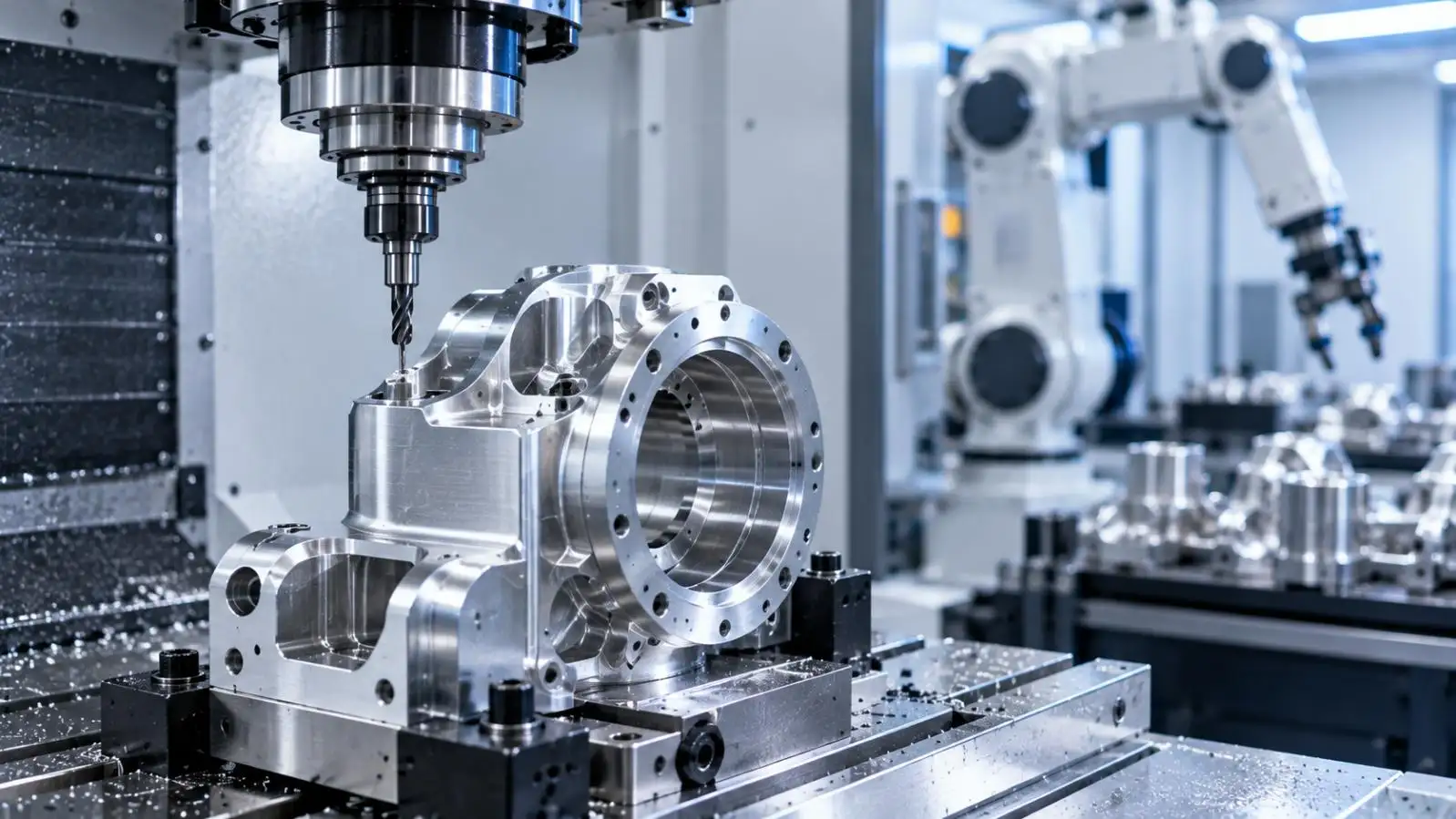
BlogCNC Machining Robotic Parts: How GD&T Controls Robot Assembly Accuracy
2026-09-24By KT Engineering -
 Blog
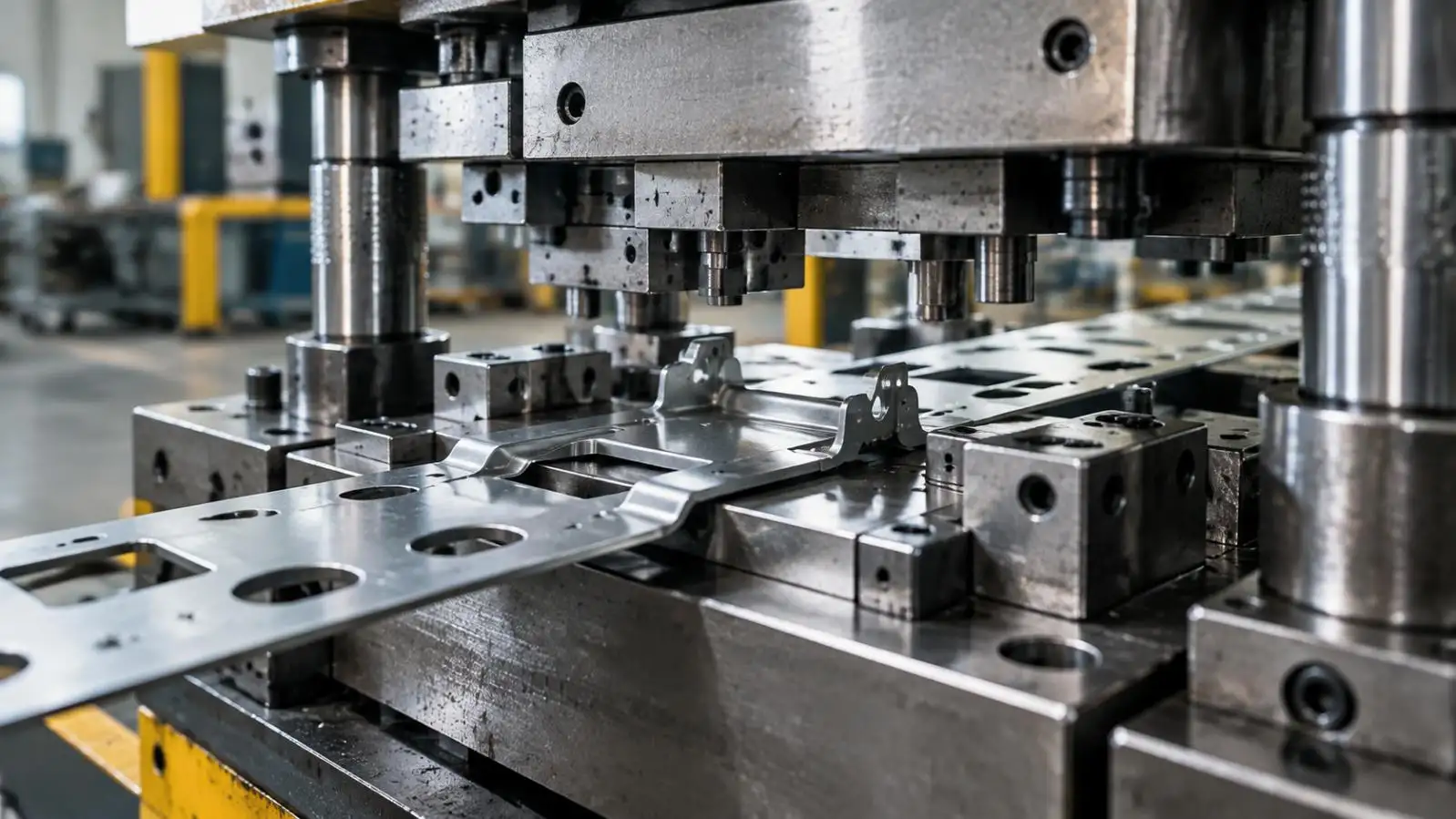
BlogHardware Stamping Springback Control for High-Strength Steel Parts
2026-09-24By KT Engineering -
 Blog
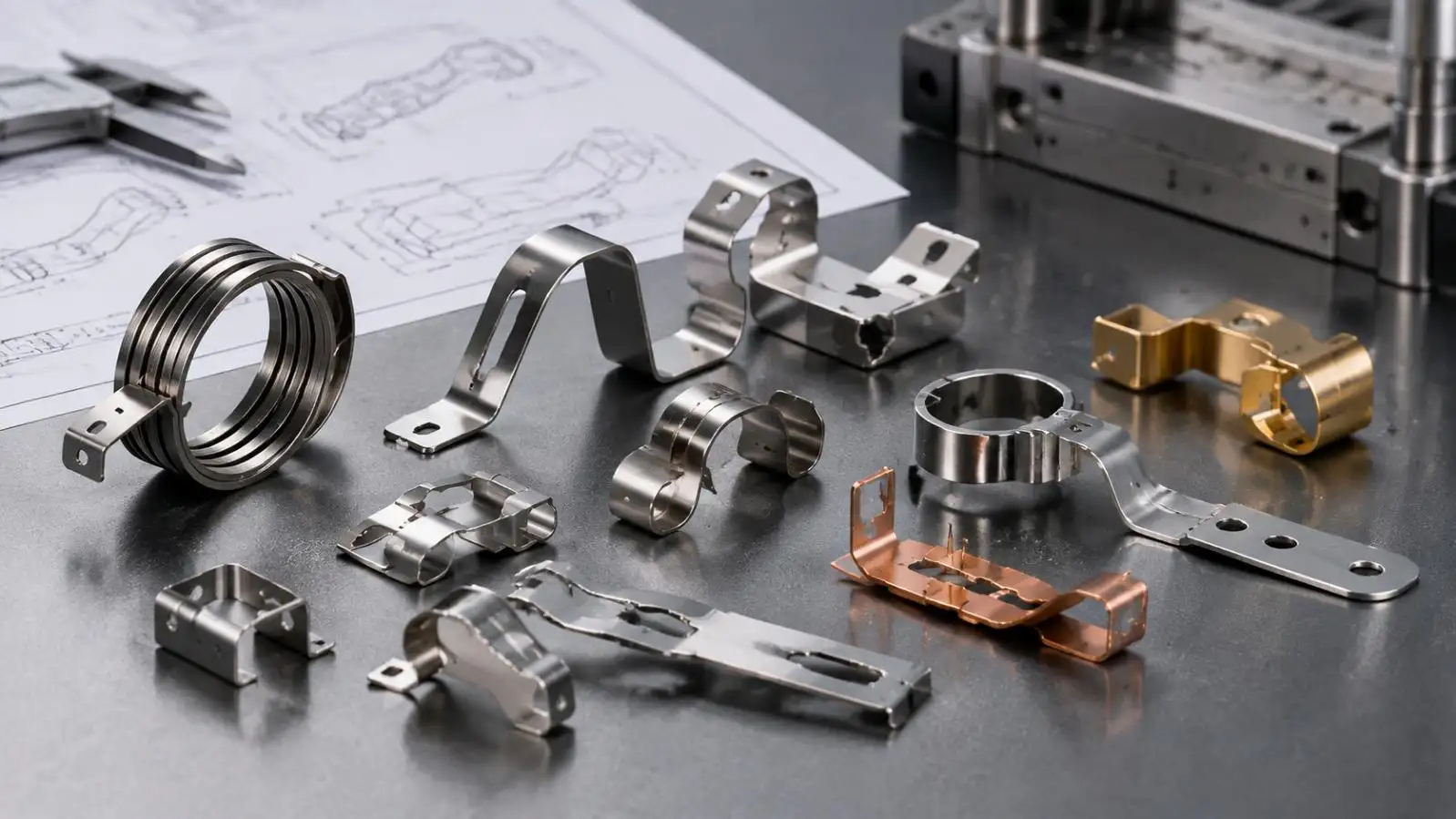
BlogSpring Stamping Fatigue Life: How Geometry, Material and Edge Quality Affect Cycle Life
2026-09-24By KT Engineering -
 Blog
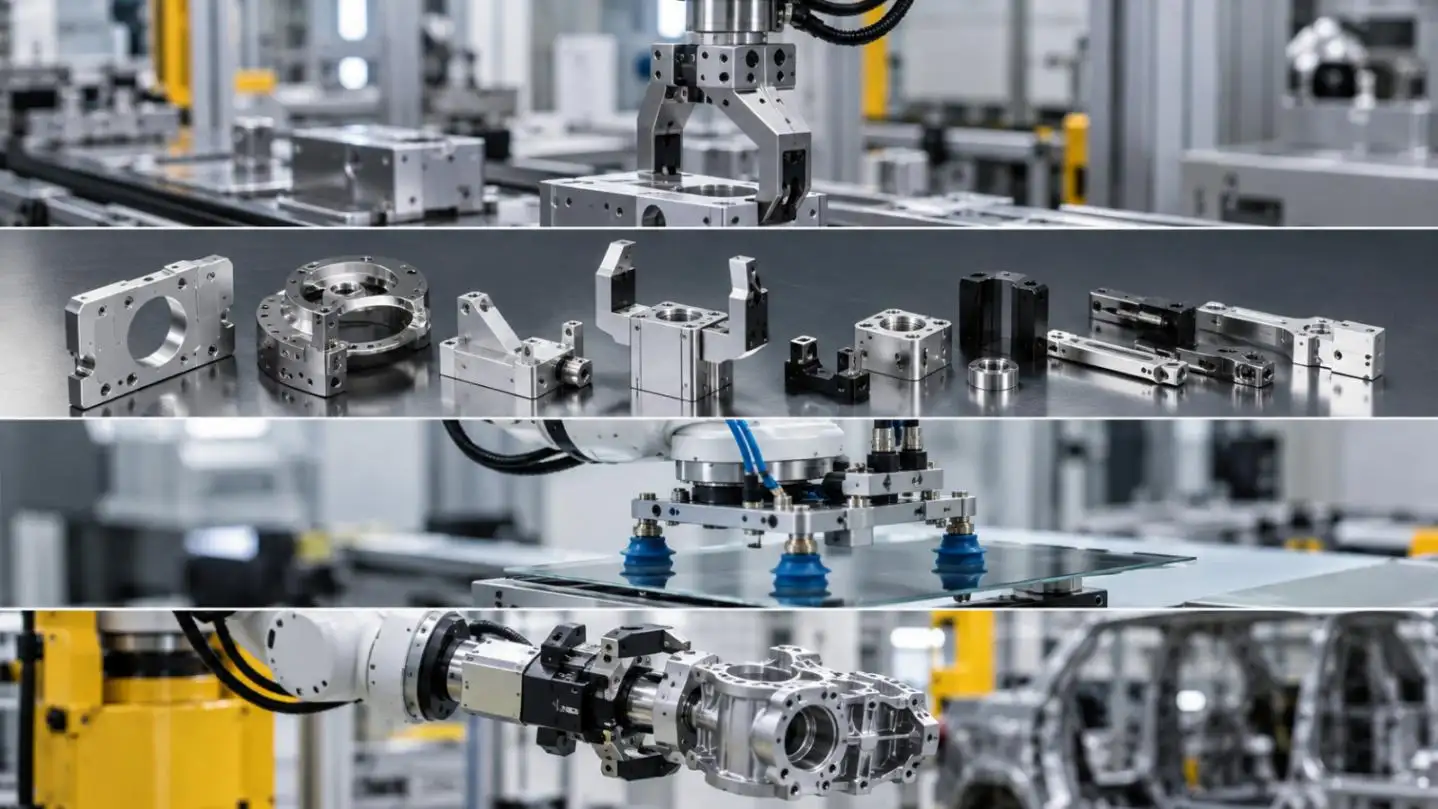
BlogMechanical Automation Parts for Robot End Effectors and Positioning Accuracy
2026-09-23By KT Engineering