Contact Us
  Home /
 What are the benefits of sheet metal fabrication compared to CNC machining?


Table of Contents
- What Is Sheet Metal Fabrication?
- What Is CNC Machining?
- Sheet Metal Fabrication vs CNC Machining: Key Differences
- 1. Lower Material Waste
- 2. More Cost-Effective for Large Production Runs
- 3. Faster Production Speed
- 4. Excellent for Lightweight Components
- 5. Superior Design Flexibility for Enclosures and Panels
- 6. Lower Manufacturing Costs
- 7. Easier Scalability
- 8. Wide Material Availability
- When CNC Machining Is the Better Choice
- Choosing Between Sheet Metal Fabrication and CNC Machining
- Conclusion

Both sheet metal fabrication and CNC machining are essential processes in today's manufacturing industry, crucial for creating high-quality parts across diverse sectors. Depending on the requirements of the project, production quantities, material properties and budget, manufacturers may prefer one of these processes over the other for various applications, including the automotive and aerospace industry, electronics and construction.
Although CNC machining is known for its accuracy and ability to make complex parts, there are certain benefits of sheet metal fabrication, especially for creating light components and high volume production. Knowing the distinctions between the two types of manufacturing can assist companies in deciding on the most inexpensive and efficient solution.
What Is Sheet Metal Fabrication?
Sheet metal fabrication is a manufacturing process which takes flat sheet metal and uses various cutting, bending, punching, stamping, welding, and assembly processes to create finished products. They are made of stainless steel, aluminum, carbon steel, copper, and galvanized steel.
It is a process used in the manufacture of:
- Electrical enclosures
- HVAC components
- Automotive panels
- Metal cabinets
- Brackets and frames
- Industrial equipment housings
Today, state-of-the-art machinery like laser cutters, CNC punching presses, robotic welders and automated bending systems provide optimal precision and repeatability to metal forming.
What Is CNC Machining?
CNC (Computer Numerical Control) machining is a subtractive manufacturing technique that uses cutting tools to shape a material from a solid block by way of computer programming.
Some common CNC Machining processes are:
- CNC Milling
- CNC Turning
- CNC Drilling
- CNC Grinding
CNC machining can be used to produce parts that have a high degree of precision and a complex geometry with tight tolerances.
Sheet Metal Fabrication vs CNC Machining: Key Differences
To compare the benefits, one needs to know the basic differences between these manufacturing techniques.
| Feature | Sheet Metal Fabrication | CNC Machining |
|---|---|---|
| Material Form | Flat metal sheets | Solid metal blocks |
| Manufacturing Type | Forming process | Material removal process |
| Material Waste | Low | Higher |
| Production Speed | Fast for large quantities | Slower for large quantities |
| Cost Efficiency | Excellent for volume production | Better for low-volume precision parts |
| Weight Optimization | Excellent | Moderate |
| Design Complexity | Moderate | High |
| Tooling Requirements | May require tooling | Minimal tooling |
1. Lower Material Waste
Efficiency in material usage is one of the greatest benefits of sheet metal fabrication.
Unlike CNC machining, components are fabricated directly from metal sheet and then shaped, which results in less waste. The material that is removed during the operation of CNC machining requires a lot of raw material, which causes the cost of material resources.
Sheet metal fabrication offers manufacturers an eco-friendly alternative that not only helps cut down on material costs but also ensures sustainable production methods.
Benefits:
- Lower raw material consumption
- Reduced scrap generation
- Improved sustainability
- Lower production costs
2. More Cost-Effective for Large Production Runs
Sheet metal fabrication can be much more cost effective when creating hundreds or thousands of identical parts.
Manufacturers can rapidly and accurately make large quantities of parts using processes like laser cutting, stamping, and automated bending. After tooling and programming is set up, production can scale efficiently.
CNC machining, on the other hand, must perform each part's machining process separately, consuming more machine time and labour.
Ideal Industries:
- Automotive manufacturing
- Consumer electronics
- Appliances
- Construction products
3. Faster Production Speed
Typically, the production time for sheet metal fabrications is usually shorter for fabricating a thin metal part.
Modern fiber laser cutting equipment can cut sheets with extremely high speed, and CNC press brake can be used to achieve the bending process in seconds. Automated fabrication lines further boost throughput.
Sheet metal fabrications can sometimes prove to be a better choice than CNC machining in situations where projects need to be completed quickly and in large quantities.
Advantages:
- Shorter lead times
- Faster order fulfillment
- Increased manufacturing capacity
- Better scalability
4. Excellent for Lightweight Components
There are several industries that are actively looking for light weight solutions to help optimize the fuel efficiency, shipping costs, and product performance.
Engineers use sheet metal fabrication to produce robust yet light elements that are fabricated from thin-gauge metals. Reinforcement features and strategic bends can ensure that fabricated parts are structurally sound without adding unnecessary pounds to the product.
Examples include:
- Automotive body panels
- Aircraft interior components
- Electrical cabinets
- Metal enclosures
CNC-machined parts are often heavier because they are manufactured from solid material stock.
5. Superior Design Flexibility for Enclosures and Panels
Sheet metal fabrication excels at producing:
- Boxes
- Cabinets
- Covers
- Chassis
- Frames
- Brackets
Material can be used to form functional assemblies combined with cutting, punching and bending.
This design flexibility can often decrease the number of separate parts needed, making the assembly easier and costs cheaper.
6. Lower Manufacturing Costs
In many cases, the total manufacturing cost of sheet metal fabrication is less than that of CNC machining.
The cost saving is due to:
- Reduced material waste
- Faster production cycles
- Automated fabrication processes
- Lower labor requirements
- Simplified assembly
Such benefits are more pronounced for larger quantities.
For products with simple internal shapes, businesses seeking to get the most performance for their dollar will opt for sheet metal fabrication.
7. Easier Scalability
One of the major benefits of sheet metal production is that they can scale up their production.
Automated equipment can be used 24/7 and will efficiently process high volumes with minimal additional cost.
Prototyping to full-scale manufacturing is easily achieved using the same manufacturing technologies.
Benefits include:
- Consistent quality
- High repeatability
- Efficient mass production
- Reduced per-unit costs
8. Wide Material Availability
Sheet metal fabrication supports a broad range of materials, including:
- Stainless Steel
- Aluminum
- Carbon Steel
- Copper
- Brass
- Galvanized Steel
They come in a variety of thicknesses and finishes, enabling manufacturers to design for optimum performance and cost based on the application.
Further, manufactured components may also be subjected to different final operations including:
- Powder coating
- Painting
- Anodizing
- Galvanizing
- Polishing
When CNC Machining Is the Better Choice
While sheet metal fabrication has many benefits, CNC machining is still more suitable for certain applications.
CNC machining is ideal when:
- Tight tolerances are required
- Complex 3D geometries are needed
- Internal cavities must be machined
- Precision mechanical components are involved
- Low-volume custom production is required
Examples include:
- Aerospace components
- Medical devices
- Precision tooling
- Engine parts
- Custom prototypes
Choosing Between Sheet Metal Fabrication and CNC Machining
The best manufacturing method depends on your specific project requirements.
Choose sheet metal fabrication if you need:
- High-volume production
- Lightweight components
- Lower manufacturing costs
- Faster lead times
- Metal enclosures and structural parts
Choose CNC machining if you need:
- Complex geometries
- Extremely tight tolerances
- Precision mechanical components
- Custom low-volume production
Conclusion
Both sheet metal fabrication and CNC machining are integral manufacturing technologies, but they come with their own set of applications. CNC machining can sometimes offer better sheet metal fabrication advantages than in high volume production, lightweight structures, and lower material waste and cost to manufacture.
Sheet metal fabrication is often the preferred choice for businesses that work with automotive, electronics, industrial equipment, HVAC systems, and construction products due to its rapid production times, ability to be scaled up and down, and cost-effectiveness. In the meantime, CNC machining is a vital technology for precise components and complicated engineering applications.
The knowledge of the strengths of each process allows manufacturers to make informed decisions to optimize product performance, reduce costs and increase efficiency.
Talk to the Manufacturer, Not a Middleman
Resources & Insights
-
 Hide blog post
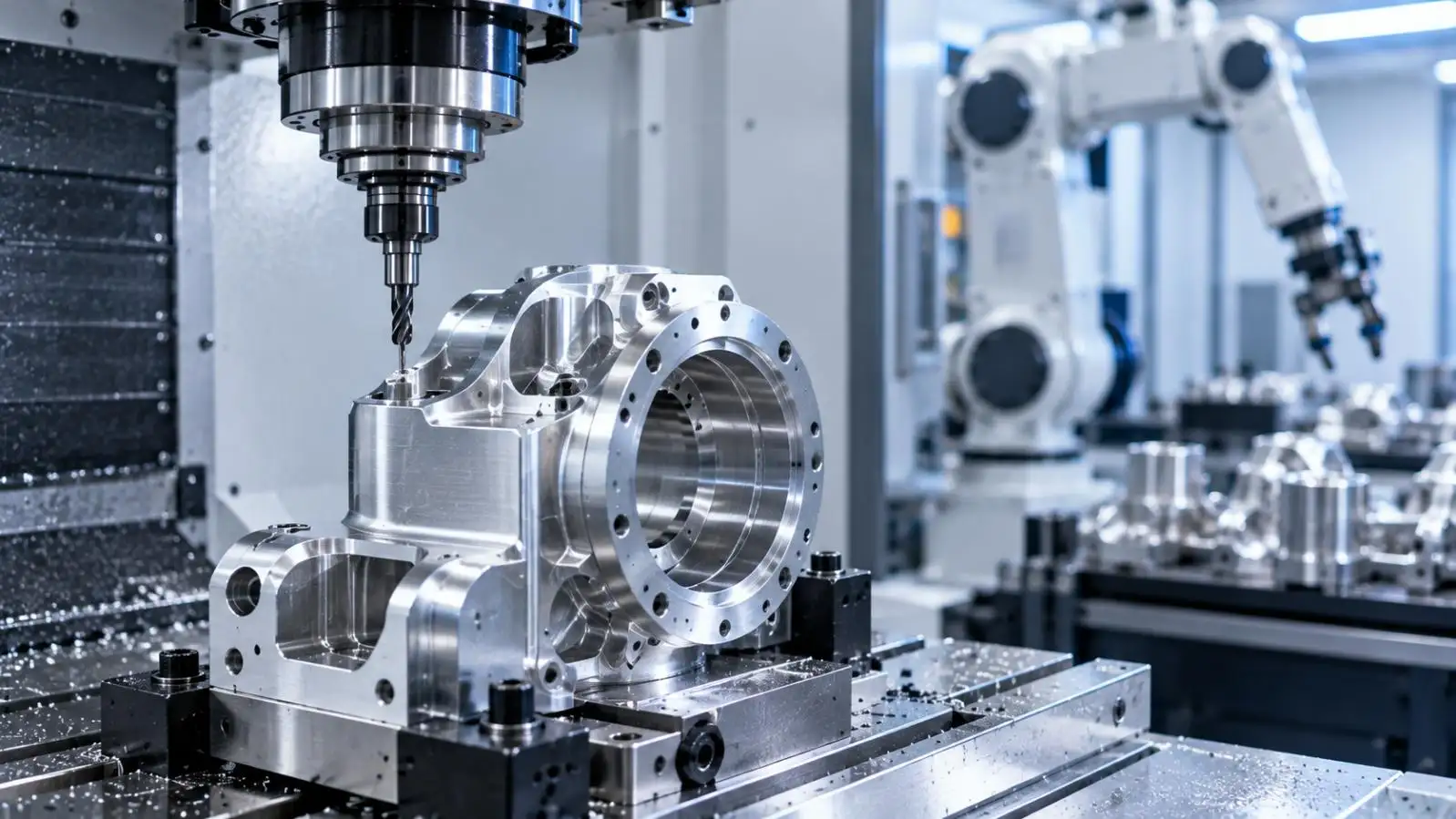
CNC Machining Robotic Parts: How GD&T Controls Robot Assembly Accuracy
2026-09-24By KT Engineering -
 Hide blog post
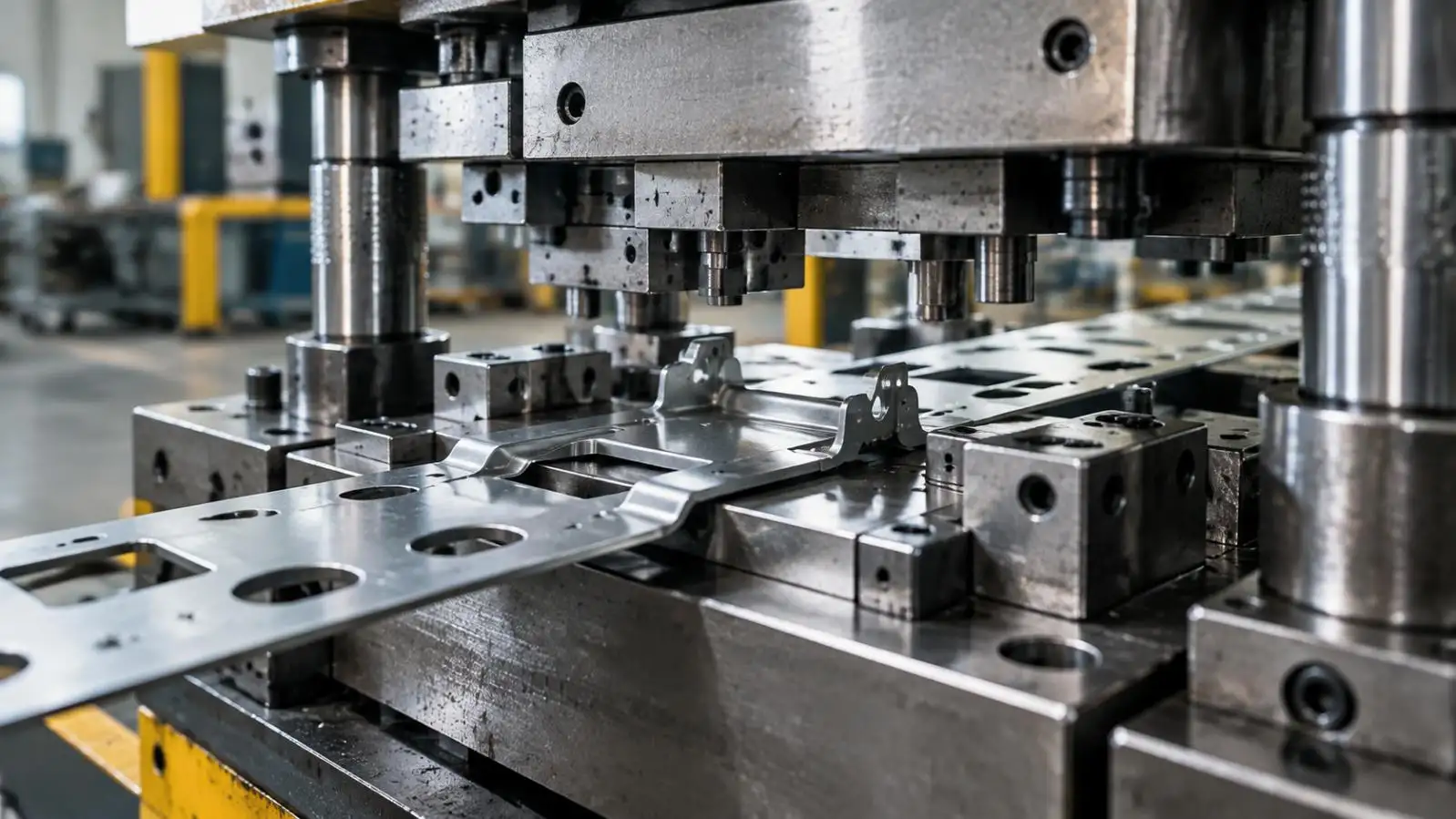
Hardware Stamping Springback Control for High-Strength Steel Parts
2026-09-24By KT Engineering -
 Hide blog post
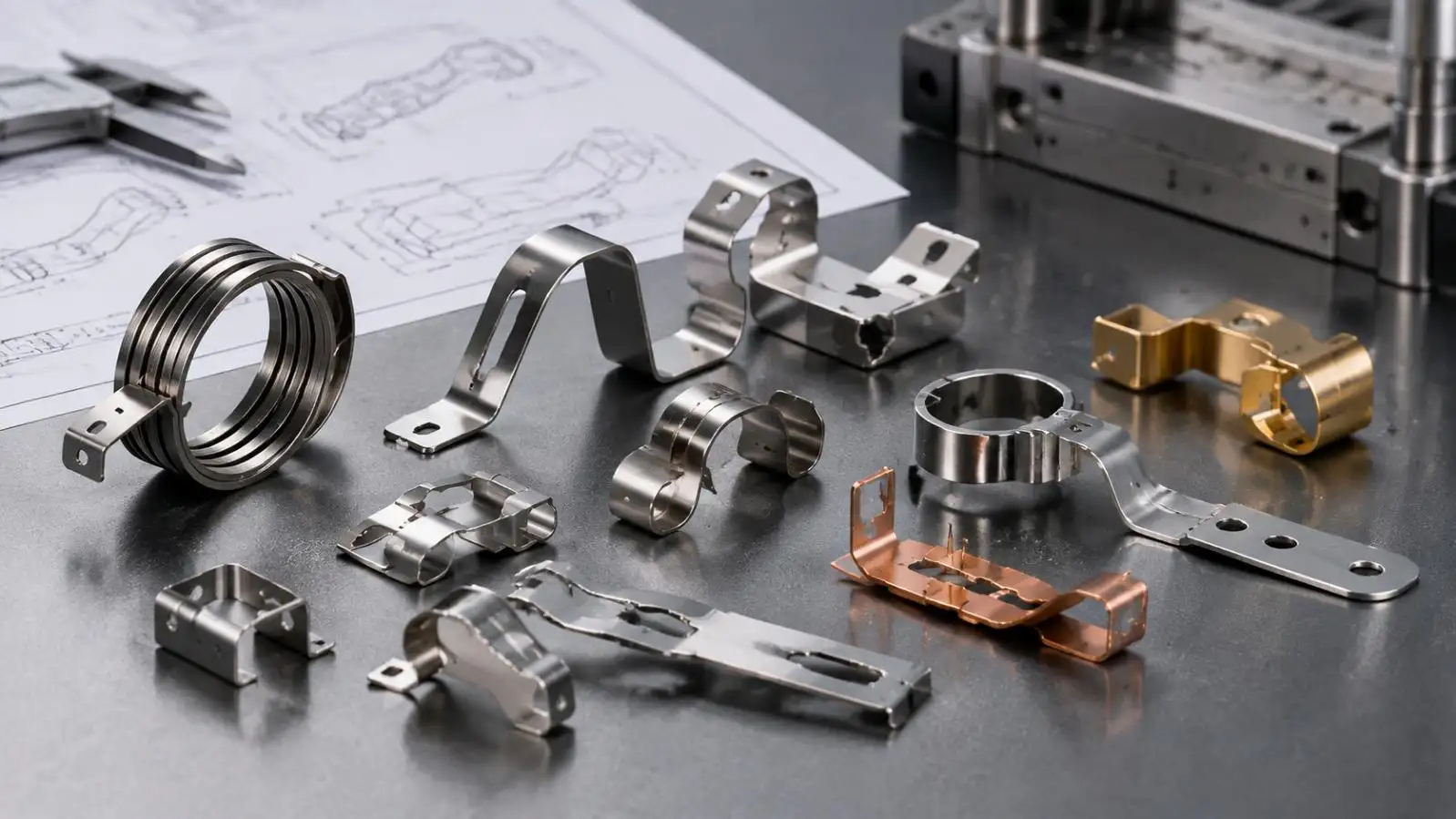
Spring Stamping Fatigue Life: How Geometry, Material and Edge Quality Affect Cycle Life
2026-09-24By KT Engineering -
 Hide blog post
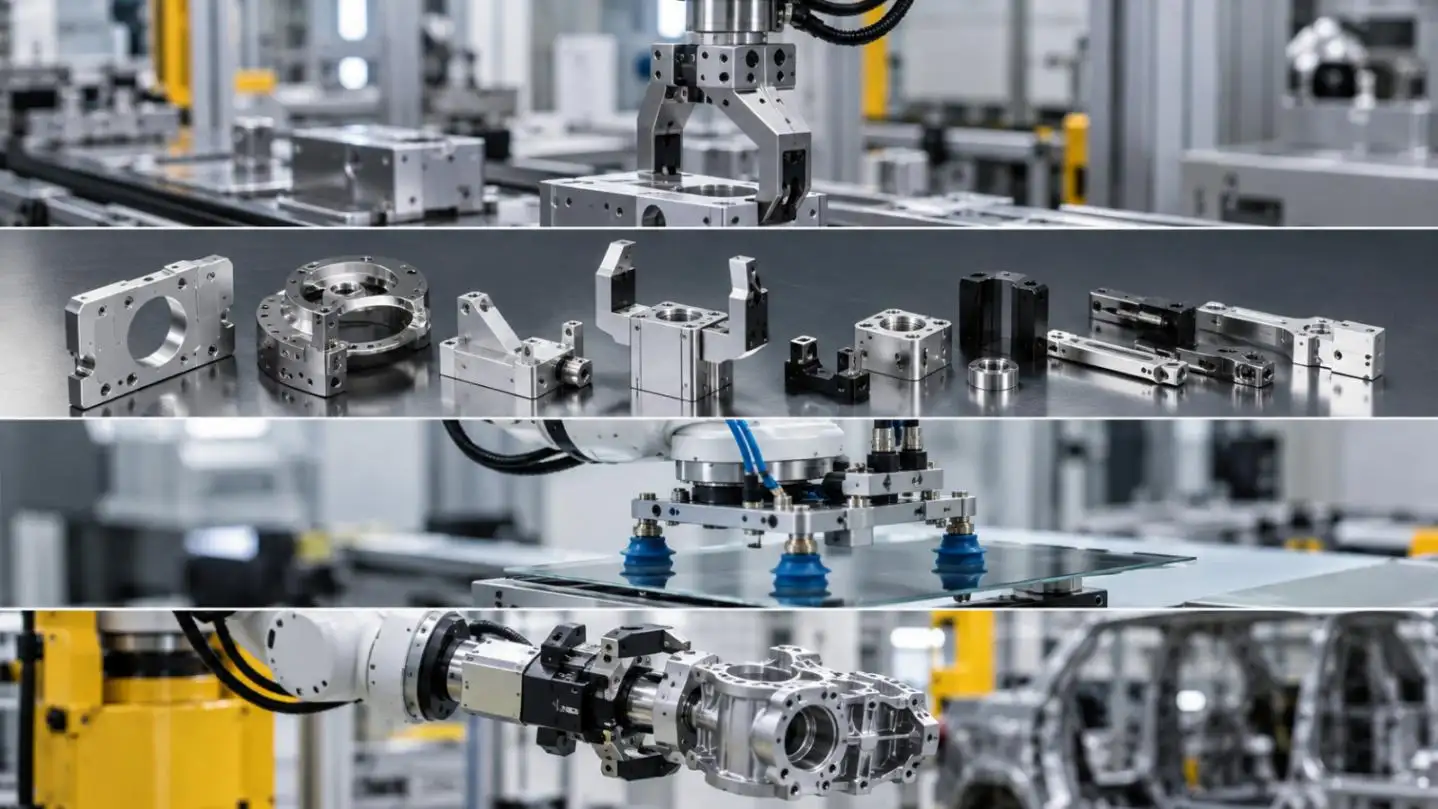
Mechanical Automation Parts for Robot End Effectors and Positioning Accuracy
2026-09-23By KT Engineering