Contact Us
  Home /
 Best Die Casting Manufacturer for Precision Metal Parts


Table of Contents

Die casting is among the most time and cost effective methods to create complicated metal parts that are extremely accurate and repeatable. From automotive parts and electronics housings to industrial equipment components and consumer goods, selecting the optimal die casting solution can have a significant effect on product quality, production efficiency, and bottom-line.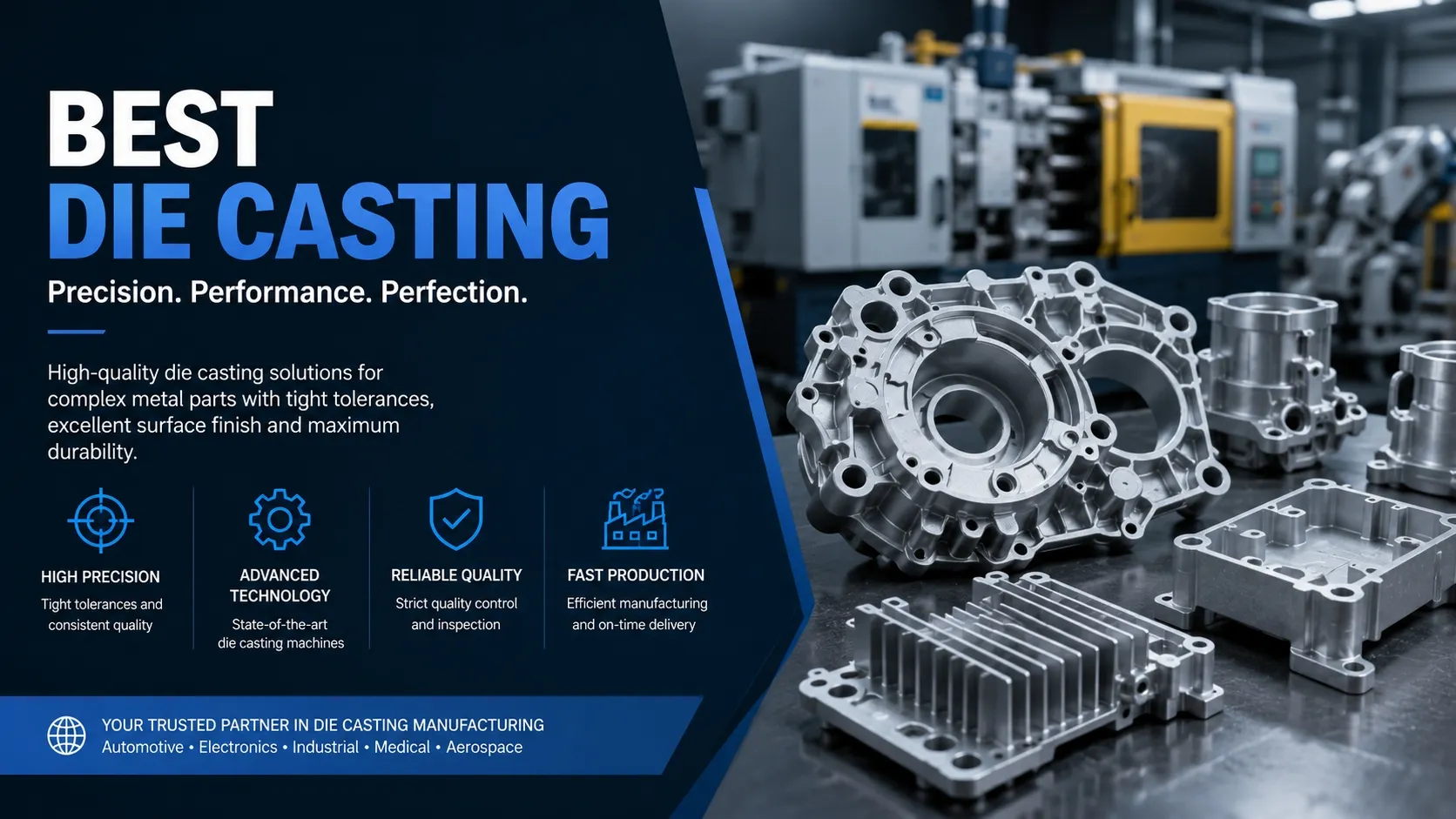
With the intense competition in the manufacturing world, companies are always looking for a reliable and excellent casting partner to ensure accuracy, longevity, and scalability. Read this guide and get to know everything about die casting and its benefits, materials, applications and choosing the right die casting manufacturer for your project.
What Is Die Casting?
Die casting is a metal casting process in which molten metal is forced into a hardened steel mould (die) at high pressure. The process enables the production of parts with very high detail and dimensional accuracy, and smooth surface finishes.
The advantage of die casting is that it is capable of producing a product much faster than conventional casting techniques and can be done consistently for high volume manufacturing projects.
The most popular materials used for die casting are:
- Aluminum alloys
- Zinc alloys
- Magnesium alloys
- Copper alloys
These materials offer various advantages and disadvantages for various applications.
Why Choose Die Casting?
Die casting is a preferred method of many manufacturers as it is a high-speed, precise, and economical method.
Superior Dimensional Accuracy
The components manufactured by die casting process have very close tolerances and are very repeatable. This helps to reduce secondary machining and lower production expenses.
High Production Efficiency
Highly automated, increasingly thousands, even millions of exactly the same parts can be manufactured in a short time.
Excellent Surface Finish
The parts produced by Die Cast are generally not much to be finished. This will save both time and work and will provide a beautiful product.
Complex Geometries
Elegant shapes, thin walls, intricate details and features can be produced by die casting that might be impossible or challenging to produce with other manufacturing processes.
Cost-Effective Mass Production
It may cost a lot to make a tool, but when there is a large amount of parts to be cast, it is very economical.
Best Die Casting Materials
Choosing the right material is critical for achieving the desired performance and durability.
Aluminum Die Casting
Aluminum is one of the most popular die casting materials because of its:
- Lightweight properties
- Excellent strength-to-weight ratio
- Corrosion resistance
- Thermal conductivity
- Electrical conductivity
Common applications include:
- Automotive components
- LED lighting housings
- Telecommunications equipment
- Industrial machinery
Zinc Die Casting
Zinc offers:
- Exceptional dimensional stability
- High impact strength
- Excellent surface finish
- Longer tool life
Common applications include:
- Consumer electronics
- Decorative hardware
- Locks and fittings
- Automotive accessories
Magnesium Die Casting
Magnesium is known for being one of the lightest structural metals available.
Benefits include:
- Extremely lightweight
- High strength
- Excellent machinability
- Electromagnetic shielding capabilities
Applications include:
- Aerospace parts
- Portable electronics
- Automotive lightweight components
Industries That Benefit from Die Casting
The best die casting manufacturers serve a wide range of industries.
Automotive Industry
Automotive companies rely heavily on die casting for:
- Engine components
- Transmission housings
- Structural brackets
- Electric vehicle parts
Die casting supports lightweight vehicle design while maintaining structural integrity.
Electronics Industry
Precision and durability make die casting ideal for:
- Laptop housings
- Communication equipment
- Heat sinks
- Electrical enclosures
Medical Equipment
Medical manufacturers use die cast components because they provide:
- Consistent quality
- Precision dimensions
- Reliable performance
Aerospace Industry
Aerospace applications demand lightweight and strong components, making magnesium and aluminum die casting highly valuable.
Industrial Equipment
Manufacturers use die casting to produce:
- Pump housings
- Valve bodies
- Motor components
- Machinery parts
How to Choose the Best Die Casting Manufacturer
Finding the best die casting supplier requires evaluating several key factors.
Manufacturing Experience
Look for companies with extensive experience in die casting production. Experienced manufacturers can optimize designs, improve manufacturability, and reduce production risks.
Quality Control Systems
A reliable manufacturer should maintain strict quality management procedures, including:
- Material inspection
- Dimensional testing
- X-ray inspection
- Pressure testing
- Surface quality inspection
Certifications such as ISO 9001 demonstrate commitment to quality.
Advanced Equipment
Modern die casting facilities use:
- Automated casting machines
- CNC machining centers
- Coordinate Measuring Machines (CMM)
- Robotic finishing systems
Advanced technology improves consistency and production efficiency.
Engineering Support
The best die casting companies offer design assistance to help customers optimize products for manufacturing.
Services may include:
- Design for Manufacturing (DFM)
- Mold flow analysis
- Rapid prototyping
- Product development consultation
Production Capacity
Choose a supplier capable of meeting your volume requirements while maintaining quality standards and delivery schedules.
Advantages of Working with a Professional Die Casting Factory
Partnering with a professional die casting manufacturer offers numerous benefits:
Reduced Production Costs
Efficient manufacturing processes reduce labor costs and material waste.
Faster Time to Market
Professional factories streamline development and production cycles, allowing products to reach customers faster.
Consistent Quality
Automated production systems ensure every component meets exact specifications.
Global Supply Chain Support
Leading manufacturers provide worldwide shipping and logistics services to support international customers.
Future Trends in Die Casting
The die casting industry continues to evolve with new technologies and sustainability initiatives.
Electric Vehicle Growth
The rapid expansion of electric vehicles is increasing demand for lightweight aluminum die cast components.
Automation and Smart Manufacturing
Industry 4.0 technologies enable real-time monitoring, predictive maintenance, and improved process control.
Sustainable Manufacturing
Manufacturers are increasingly adopting:
- Recycled metal materials
- Energy-efficient production systems
- Waste reduction strategies
Larger Structural Castings
Higher production systems are available for advanced die casting for which larger and more complex parts can be produced, thereby cutting down the assembly requirements.
Conclusion
For companies looking to create quality, durable, and affordable metal parts, selecting the right die casting solution is crucial. The Die casting process benefits in many ways, the most notable being the dimensional accuracy, production efficiency, and design flexibility.
Regardless of whether your project calls for an aluminum, zinc, or magnesium part, a partner with experience in producing aluminum die cast parts can guarantee reliable quality and a successful project. By evaluating manufacturing capabilities, quality systems, engineering expertise, and production capacity, companies can confidently select the best die casting partner for their needs.
Today die casting is among the most helpful manufacturing technologies in an ever-changing global marketplace, as it continues to provide the lighter, stronger and more accurate components needed by industries.
Talk to the Manufacturer, Not a Middleman
Resources & Insights
-
 Hide blog post
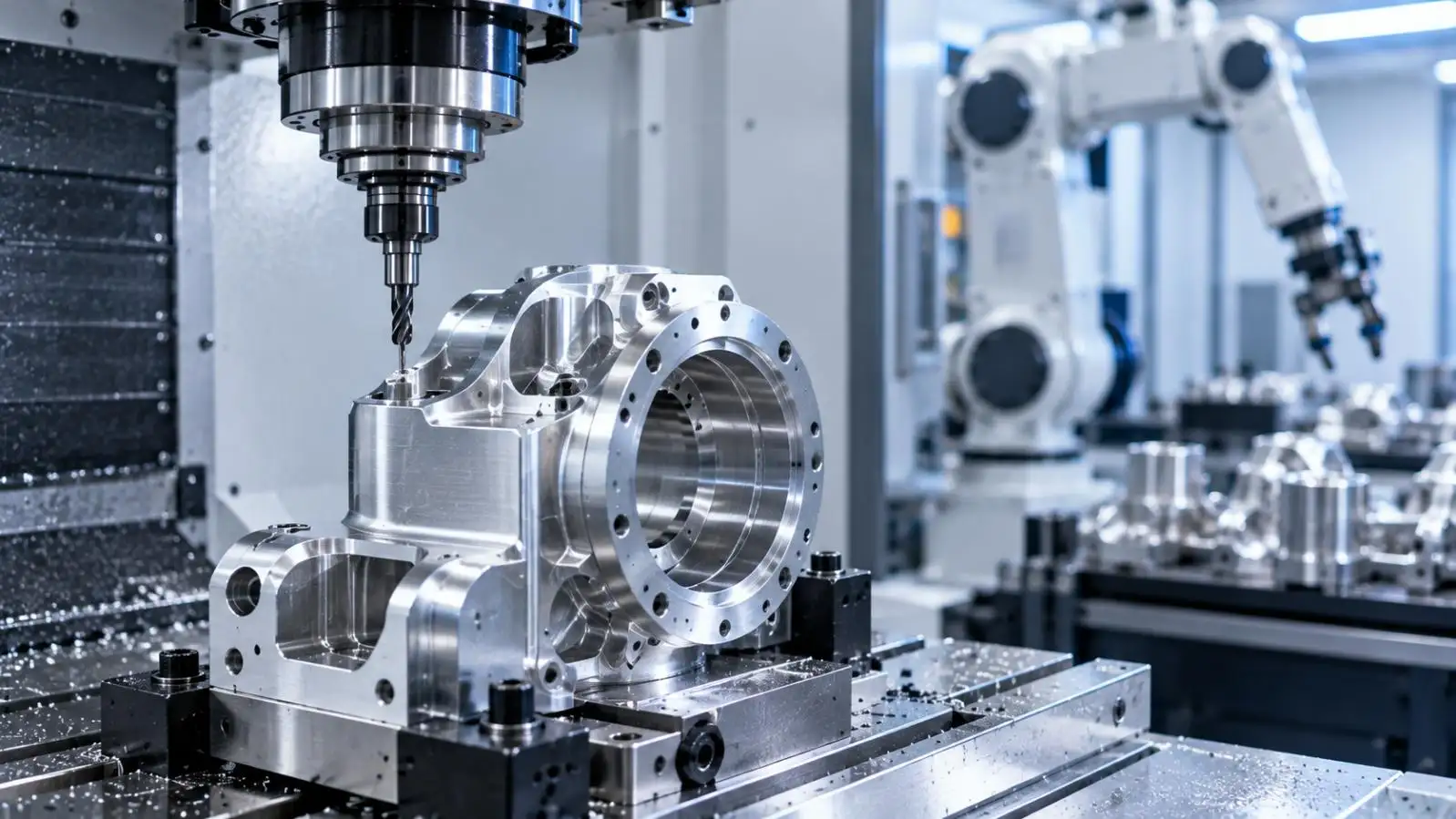
CNC Machining Robotic Parts: How GD&T Controls Robot Assembly Accuracy
2026-09-24By KT Engineering -
 Hide blog post
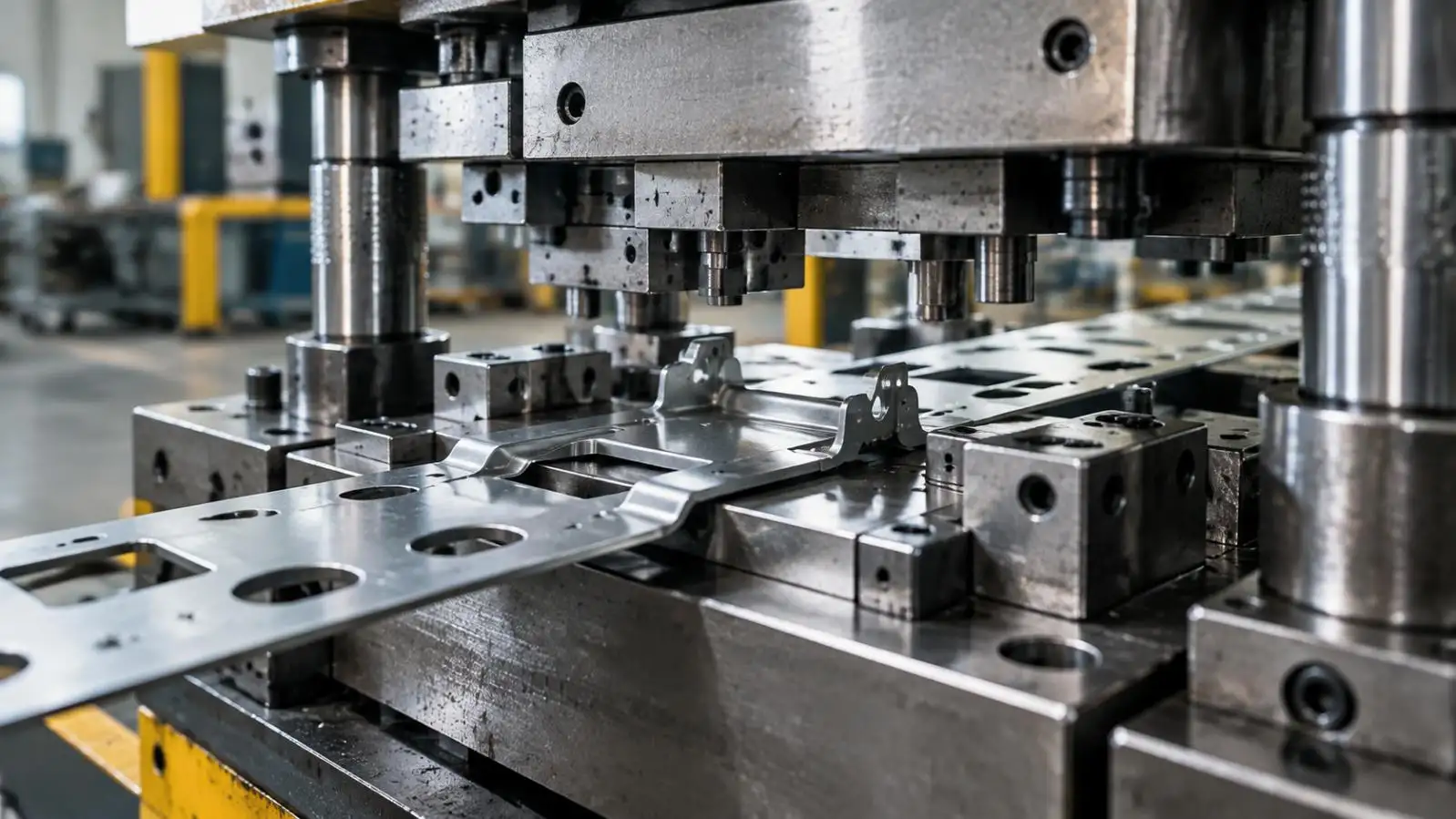
Hardware Stamping Springback Control for High-Strength Steel Parts
2026-09-24By KT Engineering -
 Hide blog post
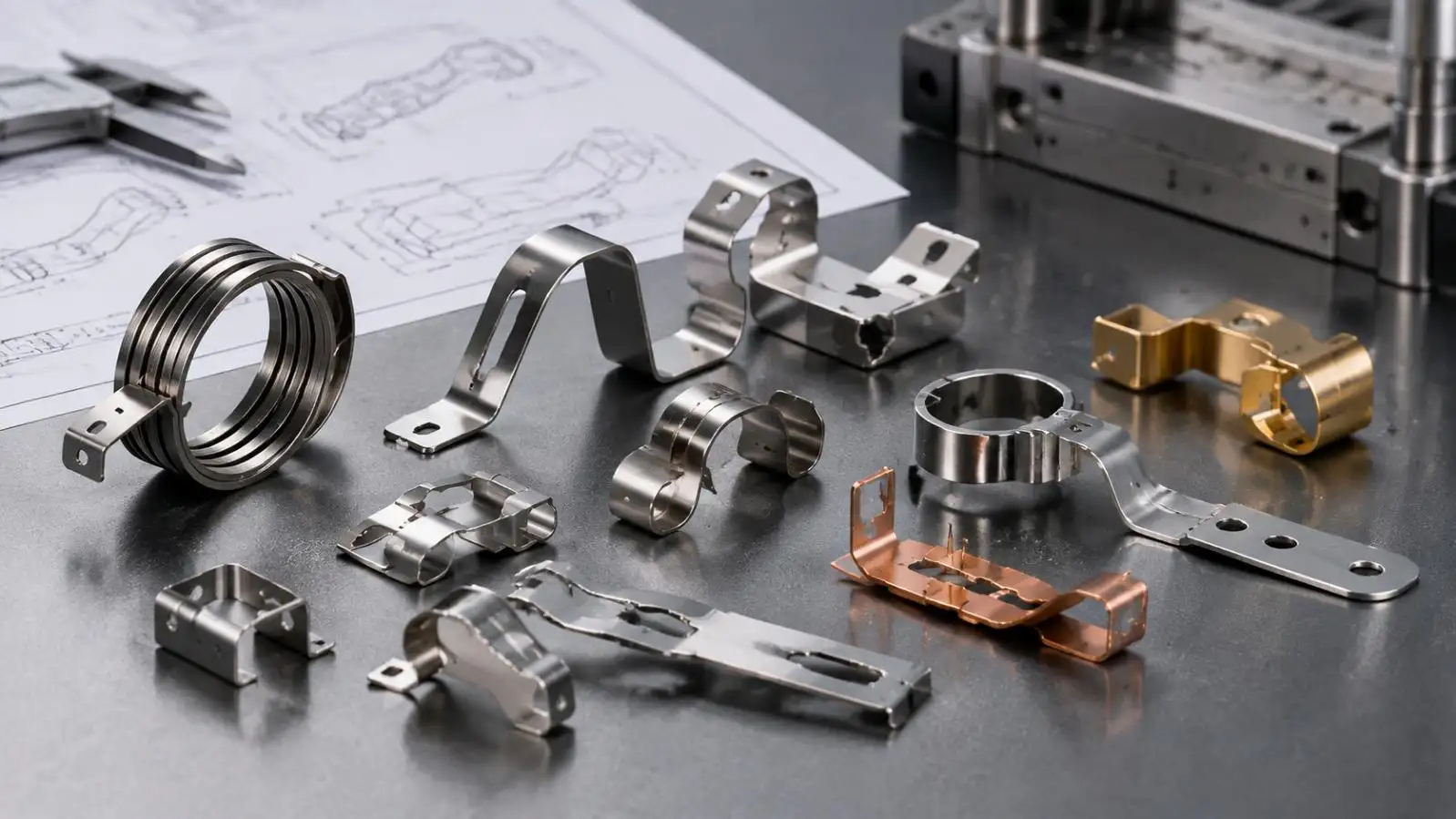
Spring Stamping Fatigue Life: How Geometry, Material and Edge Quality Affect Cycle Life
2026-09-24By KT Engineering -
 Hide blog post
Mechanical Automation Parts for Robot End Effectors and Positioning Accuracy
2026-09-23By KT Engineering