Contact Us
  Home /
 Best 3D Printing Services


Table of Contents

3D printing has revolutionized manufacturing over the last number of years, with the ability to rapidly prototype, reduce costs and have unrivalled design flexibility. From engineers to product designers, entrepreneurs to manufacturers, the right 3D printing solution can make a huge difference in product quality, product development speed and business success.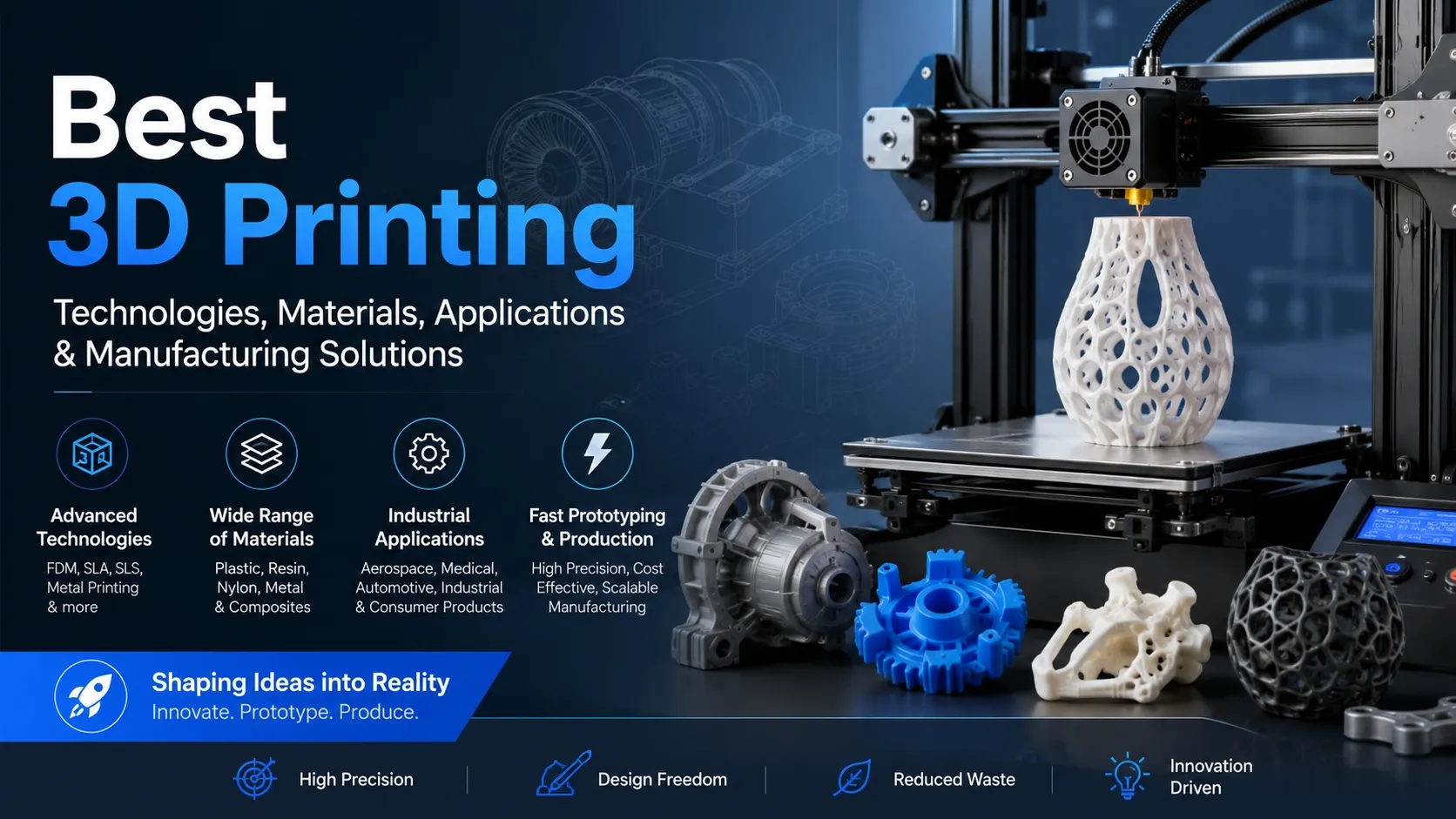
This Guide covers in detail the most advanced 3D printing technologies, materials, applications, and considerations you need to make to choose the right 3D printing service provider.
What Is 3D Printing?
Additive manufacturing, or 3D printing, is a technology that builds objects by building them up layer-by-layer according to a digital CAD model. Unlike subtractive manufacturing techniques, 3D printing reduces the amount of waste material used and can create complex shapes that are hard to produce using traditional manufacturing methods.
3D printing has become commonplace in a variety of industries, including aerospace, automotive, medical devices, consumer electronics, industrial equipment, and product development.
Why Businesses Choose the Best 3D Printing Services
3D printing is gaining momentum in the realm of manufacturing because of the many benefits it offers businesses:
Faster Product Development
Rapid prototyping helps engineers and designers to quickly test concepts, catch design issues early and improve product development processes.
Cost-Effective Manufacturing
In some cases, 3D Printing requires less complex tooling and reduces manufacturing costs in the production of custom parts and low volume models.
Design Freedom
With the use of smart 3D printing technologies, complex internal structures, lightweight designs, lattice geometries and customized components can be easily produced.
Reduced Material Waste
Additive manufacturing consumes only what is needed, allowing it to be more sustainable and environmentally friendly than traditional manufacturing methods that cut material out of the way.
Customization Capabilities
Personalized designs and customized manufacturing solutions are used in industries like healthcare and consumer products.
Best 3D Printing Technologies
The choice of the optimal 3D printing method will depend on the project, material requirements, accuracy requirements, and budget.
1. FDM (Fused Deposition Modeling)
FDM is one of the most widely used and affordable 3D printing technologies.
Advantages:
- Low production cost
- Fast prototyping
- Wide material selection
- Ideal for functional prototypes
Common materials include:
- PLA
- ABS
- PETG
- Nylon
- Carbon fiber composites
Best for:
- Product development
- Educational applications
- Engineering prototypes
2. SLA (Stereolithography)
SLA uses ultraviolet lasers to cure liquid resin into solid parts with exceptional detail and smooth surface finishes.
Advantages:
- High accuracy
- Excellent surface quality
- Fine feature resolution
Best for:
- Medical models
- Jewelry prototypes
- Consumer product designs
- Presentation models
3. SLS (Selective Laser Sintering)
SLS utilizes a laser to fuse powdered materials layer by layer.
Advantages:
- Strong mechanical properties
- No support structures required
- Suitable for complex geometries
Best for:
- Functional prototypes
- End-use parts
- Aerospace components
- Automotive applications
4. Metal 3D Printing
Metal additive manufacturing technologies such as DMLS and SLM produce highly durable metal components.
Common materials include:
- Stainless steel
- Aluminum
- Titanium
- Inconel
Advantages:
- Exceptional strength
- Lightweight designs
- Complex internal channels
Industries using metal 3D printing include aerospace, defense, medical implants, and industrial manufacturing.
Best Materials for 3D Printing
Choosing the right material is critical to achieving optimal performance.
PLA
PLA is biodegradable, easy to print, and suitable for visual prototypes.
ABS
ABS offers higher durability and heat resistance than PLA.
Nylon
Nylon provides excellent strength, flexibility, and wear resistance.
Resin
Resin delivers outstanding detail and smooth finishes for precision applications.
TPU
TPU is a flexible material ideal for rubber-like components.
Metal Powders
Titanium, stainless steel, and aluminum powders are used for industrial-grade metal parts.
Industries Benefiting from 3D Printing
Aerospace
Aircraft manufacturers use 3D printing to produce lightweight parts that improve fuel efficiency and reduce manufacturing complexity.
Automotive
Automotive companies utilize additive manufacturing for prototyping, tooling, and customized vehicle components.
Medical Industry
Healthcare professionals use 3D printing for surgical guides, dental models, prosthetics, and patient-specific implants.
Consumer Electronics
Manufacturers accelerate product development and testing using rapid prototyping technologies.
Industrial Equipment
Custom machine parts, jigs, fixtures, and replacement components can be produced quickly and efficiently.
How to Choose the Best 3D Printing Company
When evaluating a 3D printing supplier, consider the following factors:
Technical Expertise
Look for a company with extensive experience across multiple additive manufacturing technologies.
Material Selection
A quality provider should offer a wide range of plastic, resin, and metal materials.
Quality Control
Verify that the supplier follows strict inspection procedures and maintains consistent manufacturing standards.
Production Capacity
Choose a company capable of handling both prototypes and large production runs.
Lead Time
Fast turnaround times can help accelerate product development and reduce time-to-market.
Customer Support
Reliable engineering support and design consultation can improve project outcomes and reduce manufacturing risks.
Best 3D Printing for Rapid Prototyping
Rapid prototyping remains one of the most valuable applications of 3D printing.
Benefits include:
- Faster design validation
- Reduced development costs
- Improved product quality
- Enhanced collaboration between design and engineering teams
Companies can iterate multiple design versions within days instead of weeks, gaining a significant competitive advantage.
Future Trends in 3D Printing
The future of additive manufacturing continues to evolve rapidly.
Emerging trends include:
AI-Assisted Design
Engineers are using AI to improve part geometry for improved performance and manufacturability.
Large-Scale Manufacturing
Industrial 3D printers are rapidly evolving into the capability of commercial volume production of end-use products.
Sustainable Materials
As manufacturers focus on sustainability, the use of eco-friendly and recyclable materials is increasing in use.
Multi-Material Printing
Some advanced printers are capable of printing in more than one material, allowing more functionality and performance.
Digital Manufacturing
On-demand production is becoming more available globally with cloud-based manufacturing networks.
Conclusion
Choosing the right 3D printing solution is dependent on the application, material needs, production volume, and performance needs. Additive manufacturing provides the flexibility, efficiency and innovation that no other manufacturing method delivers—from rapid prototyping to end use parts.
By collaborating with seasoned 3D printing manufacturers, businesses can leverage cutting-edge technologies, high-grade materials, and engineering support. In today fast changing marketplace, the companies need to invest in the right additive manufacturing partner to cut costs, speed up product development and stay competitive in an ever-changing world of manufacturing.
From plastic prototypes to metal parts and even custom manufacturing parts, selecting the best 3D printing service is the cornerstone of attaining manufacturing excellence.
Talk to the Manufacturer, Not a Middleman
Resources & Insights
-
 Hide blog post
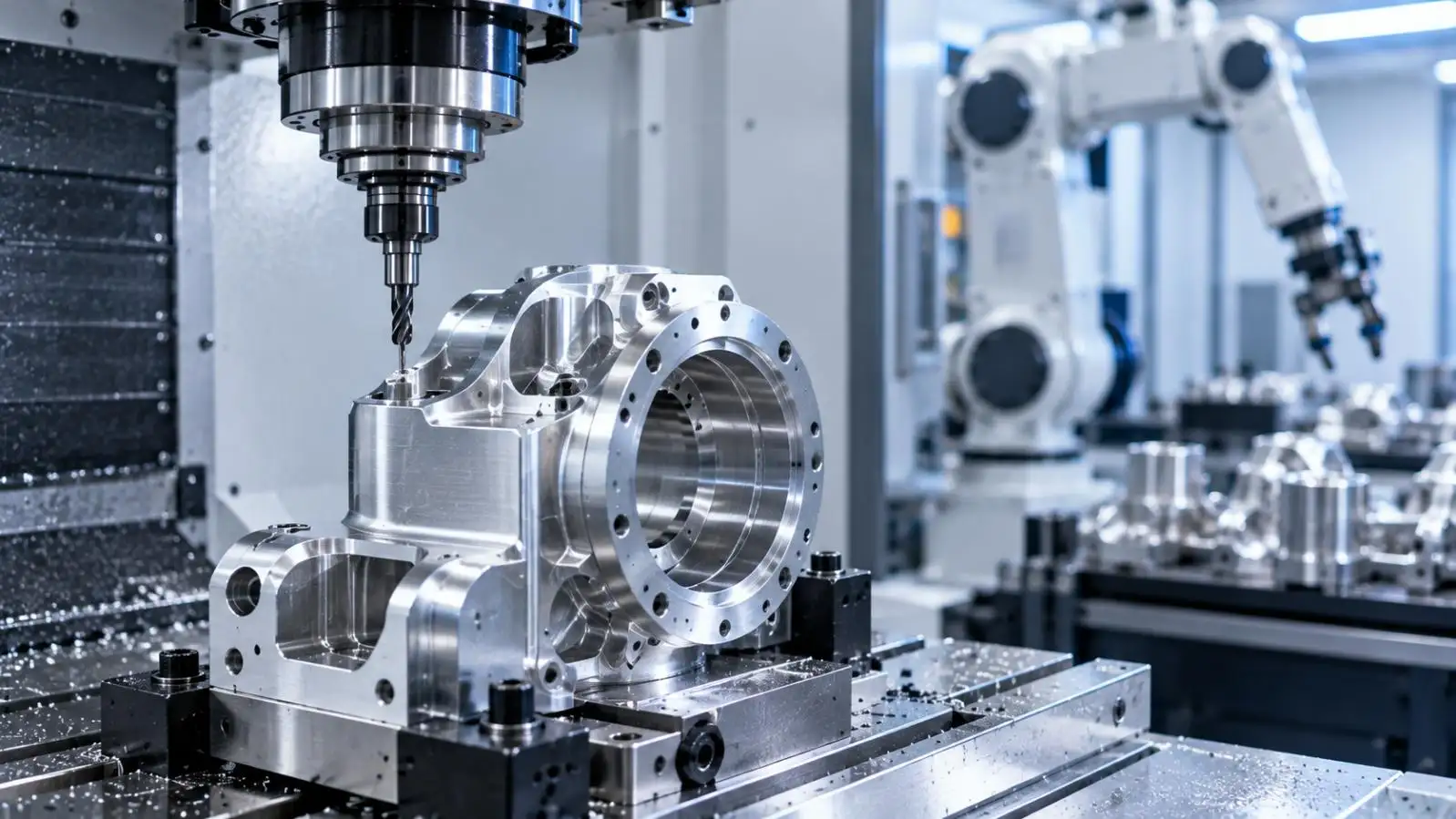
CNC Machining Robotic Parts: How GD&T Controls Robot Assembly Accuracy
2026-09-24By KT Engineering -
 Hide blog post
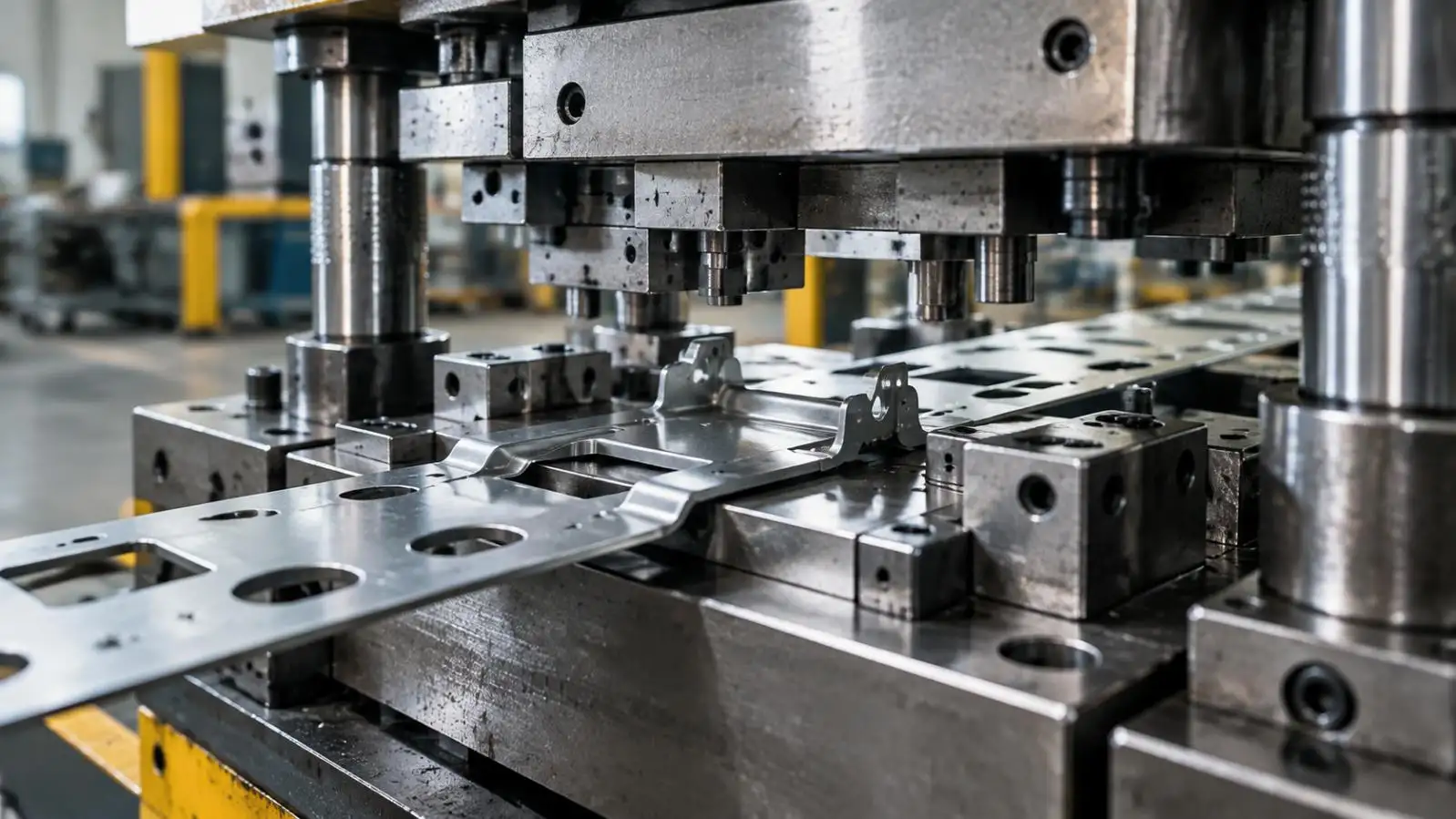
Hardware Stamping Springback Control for High-Strength Steel Parts
2026-09-24By KT Engineering -
 Hide blog post
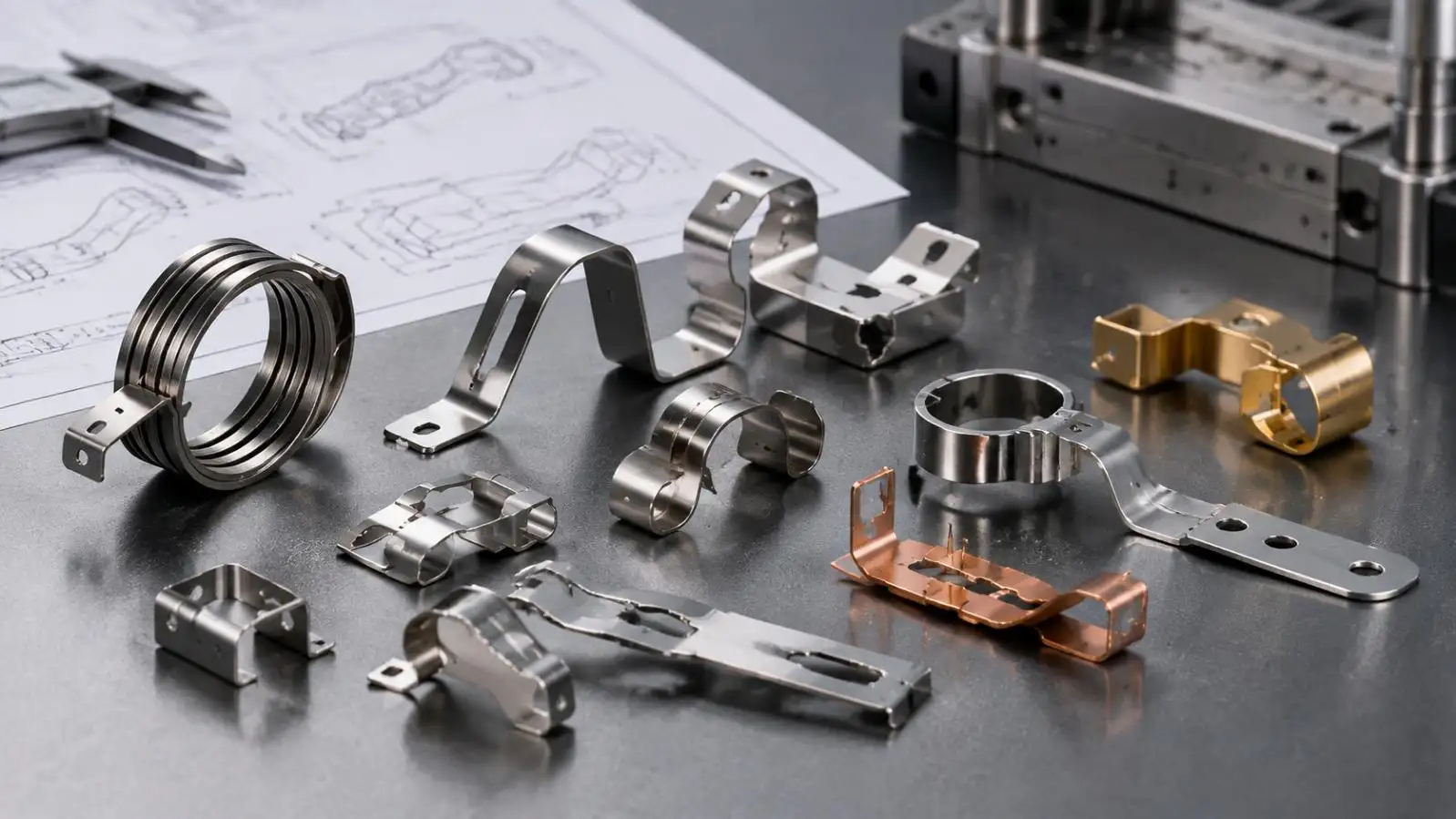
Spring Stamping Fatigue Life: How Geometry, Material and Edge Quality Affect Cycle Life
2026-09-24By KT Engineering -
 Hide blog post
Mechanical Automation Parts for Robot End Effectors and Positioning Accuracy
2026-09-23By KT Engineering