Contact Us
  Home /
 12 Types of CNC Machines


Table of Contents
- What Is a CNC Machine?
- 1. CNC Milling Machines
- 2. CNC Lathes
- 3. CNC Turning Centers
- 4. CNC Routers
- 5. CNC Plasma Cutters
- 6. CNC Laser Cutting Machines
- 7. CNC Waterjet Cutting Machines
- 8. CNC Grinding Machines
- 9. CNC Electrical Discharge Machines (EDM)
- 10. CNC Drilling Machines
- 11. Multi-Axis CNC Machines
- 12. CNC Swiss Machines
- How to Choose the Right CNC Machine
- Industries That Depend on CNC Machines
- Future Trends in CNC Manufacturing
- Conclusion

Computer Numerical Control (CNC) technology has revolutionized manufacturing with its ability to achieve unparalleled precision, repeatability, and efficiency. From aerospace components to medical devices and automotive parts, CNC machines are the backbone of modern production.
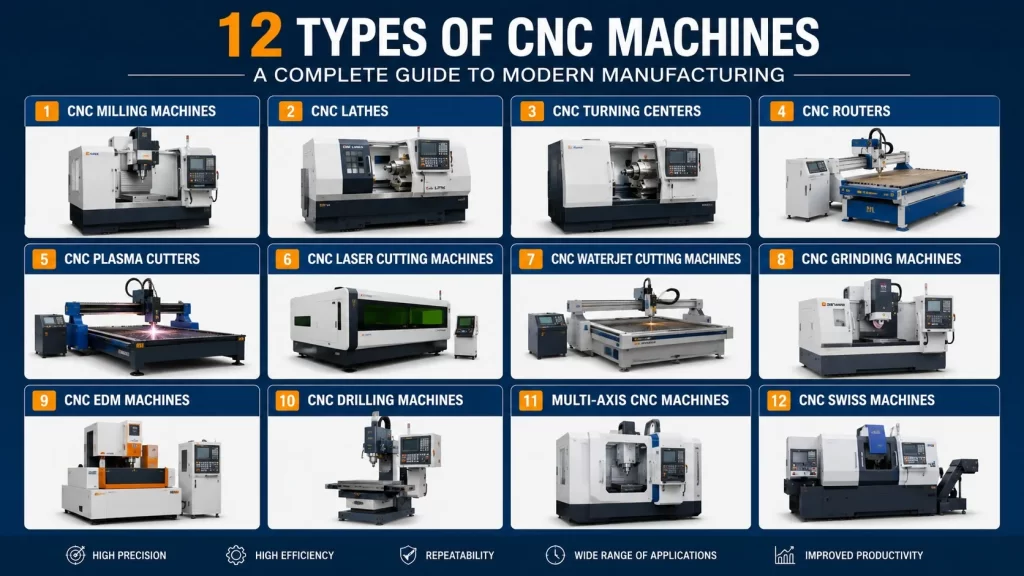
But not all CNC machines are created equal. Machines have various capabilities and specialties in cutting, drilling, milling, engraving, or forming certain materials and geometries. Knowing the strengths of each machine will enable the manufacturers to select the proper machine for each job.
It delves into 12 frequently used types of CNC machines, their uses, pros, and the process of choosing the most suitable machine for your manufacturing requirements.
This is all about CNC Machines, CNC Machining, CNC Milling, CNC Lathe, CNC Router, CNC Manufacturing, Types of CNC Machines.
What Is a CNC Machine?
A CNC (Computer Numerical Control) machine, also known as a Computer Controlled Machine, is a manufacturing system that is computer-driven and controlled for producing finished parts from a raw material.
Unlike conventional machine tools, CNC machine tools can run with digital design files and G-code programming, and control the cutting tools, spindle speed, feed rate, and move along the multiple axes with high precision. This automation ensures:
- High dimensional accuracy
- Excellent repeatability
- Reduced labor costs
- Faster production
- Consistent quality
CNC machines can process numerous materials, including:
- Aluminum
- Stainless steel
- Titanium
- Brass
- Copper
- Engineering plastics
- Wood
- Foam
- Composite materials
In today's modern day, complex projects are typically accomplished in an efficient way by integrating different types of CNC machines in the same manufacturing facility.
1. CNC Milling Machines
One of the most versatile systems around for manufacturing is the CNC milling machine. They rotate cutting tools and the workpiece is stationary or moves across multiple axes.
Typical Operations
- Face milling
- Slot milling
- Pocket machining
- Drilling
- Tapping
- Contour machining
- Surface finishing
Advantages
- Excellent precision
- Handles complex geometries
- Supports 3-axis, 4-axis, and 5-axis machining
- Compatible with numerous cutting tools
Common Applications
- Aerospace components
- Automotive parts
- Mold manufacturing
- Medical implants
- Industrial equipment
2. CNC Lathes
CNC lathes are different from milling machines, which move the cutting tools, in that the cutting tool remains stationary and the piece being cut rotates.
They are suitable for making cylindrical products quickly and accurately.
Suitable Components
- Shafts
- Bushings
- Sleeves
- Pins
- Bearings
- Pipe fittings
Benefits
- Fast production
- Excellent concentricity
- High repeatability
- Smooth surface finish
3. CNC Turning Centers
A turning center is an advanced version of the traditional CNC lathe.
In addition to turning operations, it can carry out:
- Milling
- Drilling
- Threading
- Boring
- Tapping
Some of the turning centers are equipped with live tooling, and also more than one turret, which provides to carry out a few operations within a single setting.
Industries
- Automotive
- Oil & Gas
- Medical
- Hydraulic equipment
4. CNC Routers
CNC routers are very similar to milling machines, but are specially designed for lightweight materials and fast cutting speeds.
Typically used in combination with:
- Wood
- Acrylic
- MDF
- PVC
- Foam
- Soft aluminum
Popular Uses
- Furniture manufacturing
- Cabinet making
- Sign production
- Decorative panels
- Plastic fabrication
Advantages
- High cutting speed
- Low operating costs
- Excellent for large sheet materials
5. CNC Plasma Cutters
Plasma cutting is a process for cutting electrically conductive metal with an electrically charged gas.
These machines are used to cut through medium and thick metal sheets at a high speed.
Materials
- Carbon steel
- Stainless steel
- Aluminum
Typical Applications
- Structural steel
- Metal fabrication
- HVAC ductwork
- Agricultural machinery
- Industrial frames
6. CNC Laser Cutting Machines
Laser cutting machines are devices that vaporize material with extreme precision using a laser beam.
Laser cutting can produce edges that are cleaner than those produced by plasma cutting and can create finer detail than can plasma cutting.
Best For
- Thin sheet metal
- Stainless steel
- Aluminum
- Brass
- Acrylic
Advantages
- Extremely accurate
- Minimal material waste
- Small heat-affected zone
- Excellent edge quality
7. CNC Waterjet Cutting Machines
In a water jet system, water is combined with an abrasive to cut material without heat.
This process avoid thermal distortion and material property preservation.
Materials
- Steel
- Titanium
- Stone
- Glass
- Ceramics
- Carbon fiber
- Rubber
Advantages
- No heat damage
- Suitable for thick materials
- Cuts virtually any material
- Excellent edge quality
8. CNC Grinding Machines
Abrasion wheels are utilized to obtain accurate sizes and high quality surfaces in grinding machines.
Usually they follow the machining process as finishing machinery.
Applications
- Precision shafts
- Bearings
- Tool manufacturing
- Aerospace components
- Mold finishing
Benefits
- Extremely tight tolerances
- Outstanding surface quality
- High dimensional accuracy
9. CNC Electrical Discharge Machines (EDM)
EDM is a manufacturing process that utilizes controlled electrical sparks to remove material from a substrate, rather than actual cutting.
This process is particularly beneficial for processing extremely hard metals.
Common Types
- Wire EDM
- Sinker EDM
Ideal For
- Hardened steel
- Carbide
- Titanium alloys
- Injection molds
- Precision dies
10. CNC Drilling Machines
CNC drilling machine is used for high accuracy hole production with high repeatability.
Multiple hole-making operations can be automatically performed with modern systems.
Capabilities
- Drilling
- Reaming
- Counterboring
- Countersinking
- Tapping
Applications
- Automotive assembly
- Electronics
- Aircraft manufacturing
- Machinery production
11. Multi-Axis CNC Machines
Multi axis machining is a further development on the 3 axis machine movement.
Common configurations include:
- 4-axis
- 5-axis
- 6-axis
- 7-axis
These systems machine complex geometries from multiple angles without repositioning the workpiece.
Advantages
- Fewer setups
- Better accuracy
- Reduced production time
- Superior surface finish
Industries
- Aerospace
- Medical
- Defense
- Energy
- Precision engineering
12. CNC Swiss Machines
The Swiss type CNC machines are engineered to manufacture long, thin and extremely accurate parts.
Material is fed through a sliding headstock to ensure the most stable handling of the material, rather than the cutting tool moving.
Perfect For
- Medical screws
- Dental implants
- Electronic connectors
- Watch components
- Precision fasteners
Benefits
- Exceptional accuracy
- High-speed production
- Excellent for miniature parts
How to Choose the Right CNC Machine
Selecting the ideal CNC machine depends on several factors.
Material
Different machines are optimized for different materials.
| Material | Recommended Machine |
|---|---|
| Aluminum | Milling, Turning, Laser |
| Steel | Milling, Lathe, Plasma |
| Titanium | Milling, EDM, Waterjet |
| Wood | Router |
| Acrylic | Router, Laser |
| Glass | Waterjet |
Part Complexity
Simple cylindrical parts are ideal for CNC lathes, while intricate 3D components often require 5-axis machining centers.
Production Volume
- Low-volume prototypes → CNC milling
- Medium production → Turning centers
- High-volume precision parts → Swiss machines
Required Accuracy
Applications such as aerospace and medical manufacturing typically require:
- Multi-axis machining
- Grinding
- EDM
These technologies provide the tight tolerances demanded by critical industries.
Industries That Depend on CNC Machines
Nearly every advanced manufacturing sector relies on CNC equipment.
Major industries include:
- Aerospace
- Automotive
- Medical devices
- Electronics
- Defense
- Industrial automation
- Energy
- Robotics
- Consumer products
To achieve high productivity and quality, various types of machines can be used simultaneously in different steps of the manufacturing process in each industry.
Future Trends in CNC Manufacturing
The CNC field is still developing with the smart manufacturing technology.
Emerging developments include:
- AI-assisted toolpath optimization
- Digital twins
- IoT-enabled machine monitoring
- Predictive maintenance
- Robotic automation
- Cloud-based manufacturing systems
- Real-time quality inspection
These innovations enhance efficiency, minimize downtime and deliver the increasingly demanding production needs.
Conclusion
With their ability to deliver precision, speed, and consistency across a myriad of applications, CNC machines have become an essential part of modern manufacturing. From manufacturing complex aerospace parts to high-volume automotive production to creating custom prototypes, the right CNC machine can make a big difference in achieving the best results.
Each machine type has its own advantages, depending on the materials and production needs being met, from milling machines and lathes to waterjet cutting machines, EDM systems and laser cutting machines to advanced multi-axis machining centers. Recognizing these differences allows manufacturers to maximize productivity, minimize expenses and quality products.
Theories of automation, AI and Industry 4.0 are increasingly changing the face of manufacturing and, in turn, CNC machines will become even more intelligent, connected and efficient, making them an essential investment for any business looking to remain competitive in precision manufacturing for years to come.
Talk to the Manufacturer, Not a Middleman
Resources & Insights
-
 Hide blog post
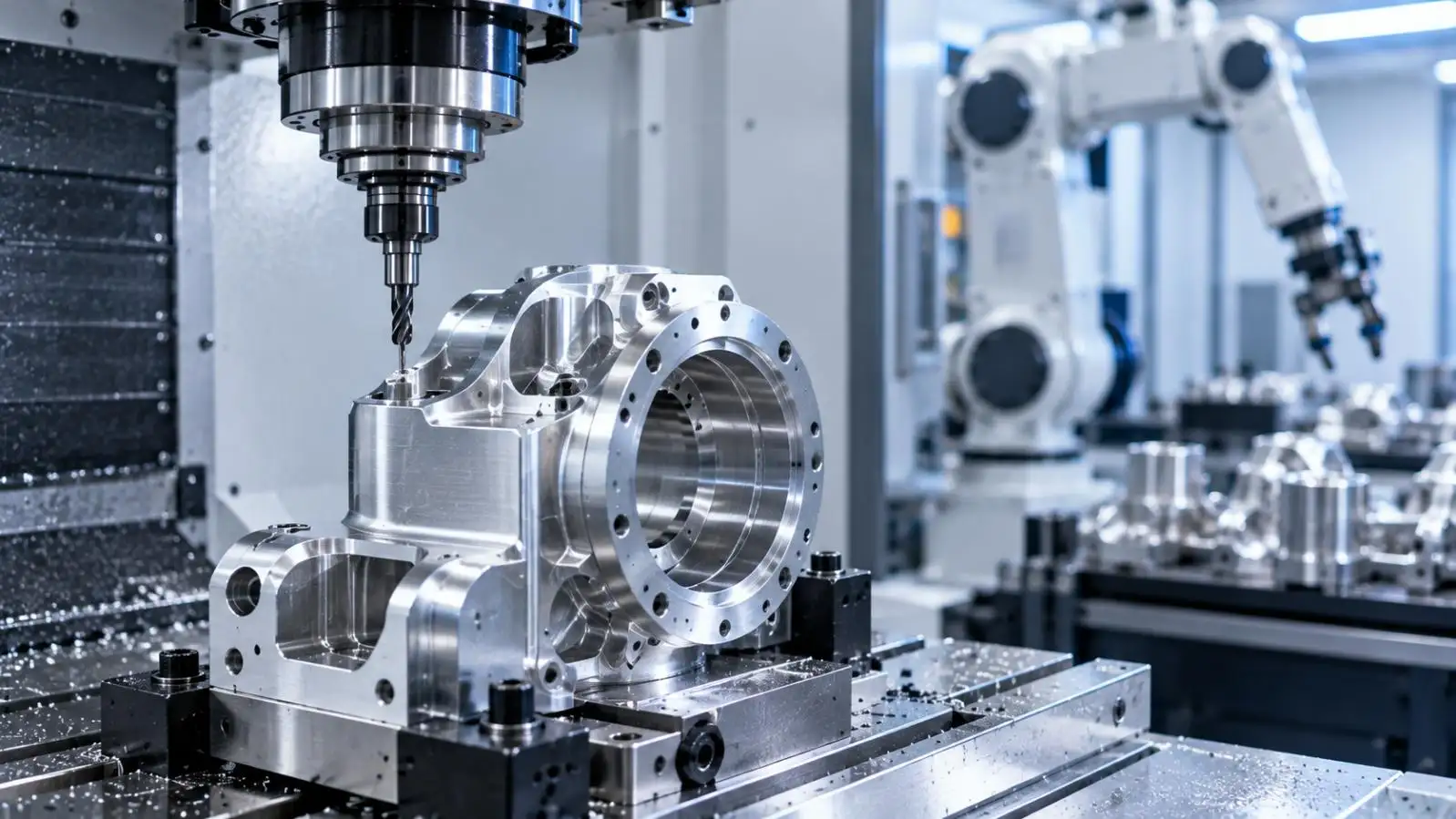
CNC Machining Robotic Parts: How GD&T Controls Robot Assembly Accuracy
2026-09-24By KT Engineering -
 Hide blog post
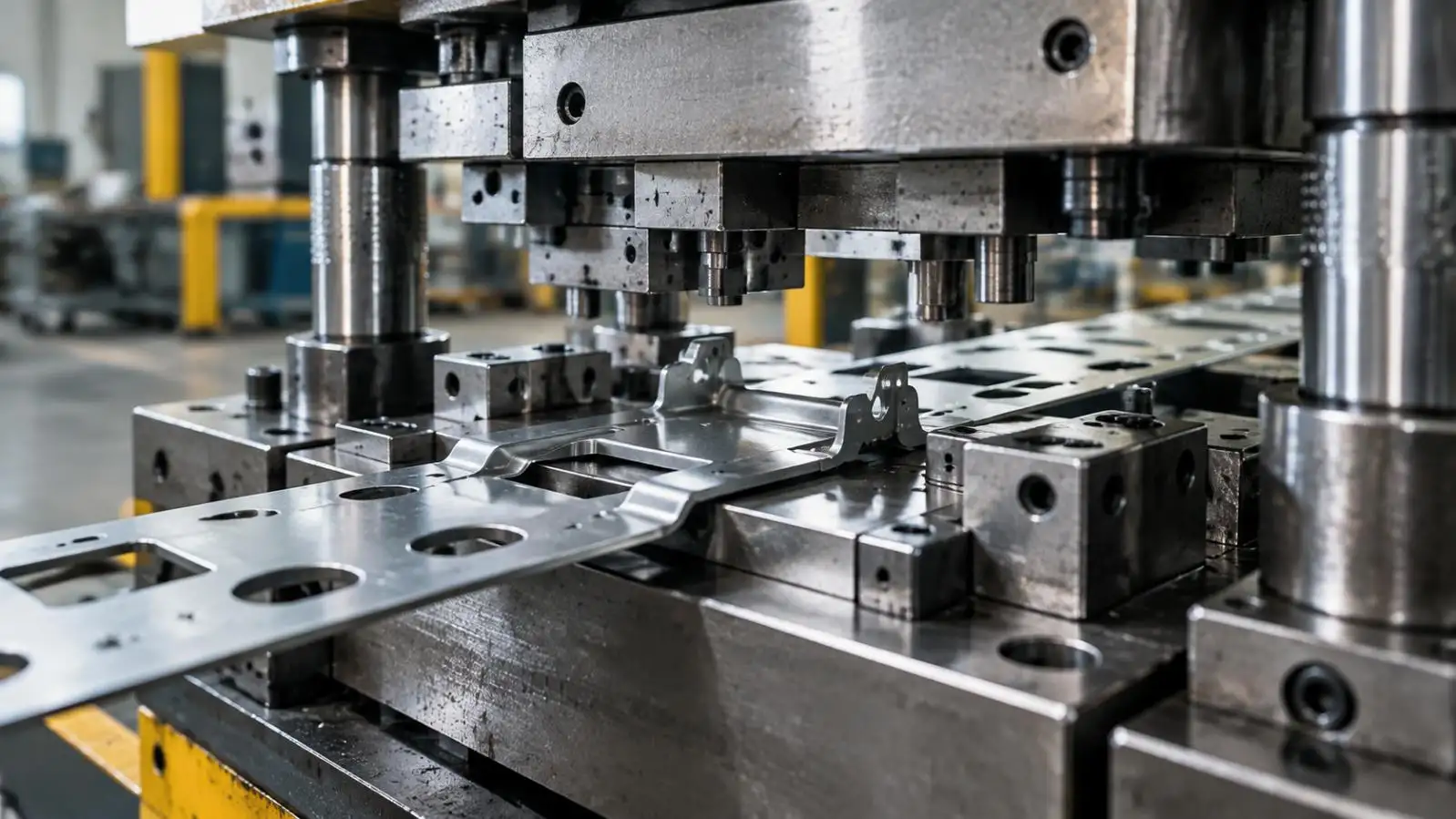
Hardware Stamping Springback Control for High-Strength Steel Parts
2026-09-24By KT Engineering -
 Hide blog post
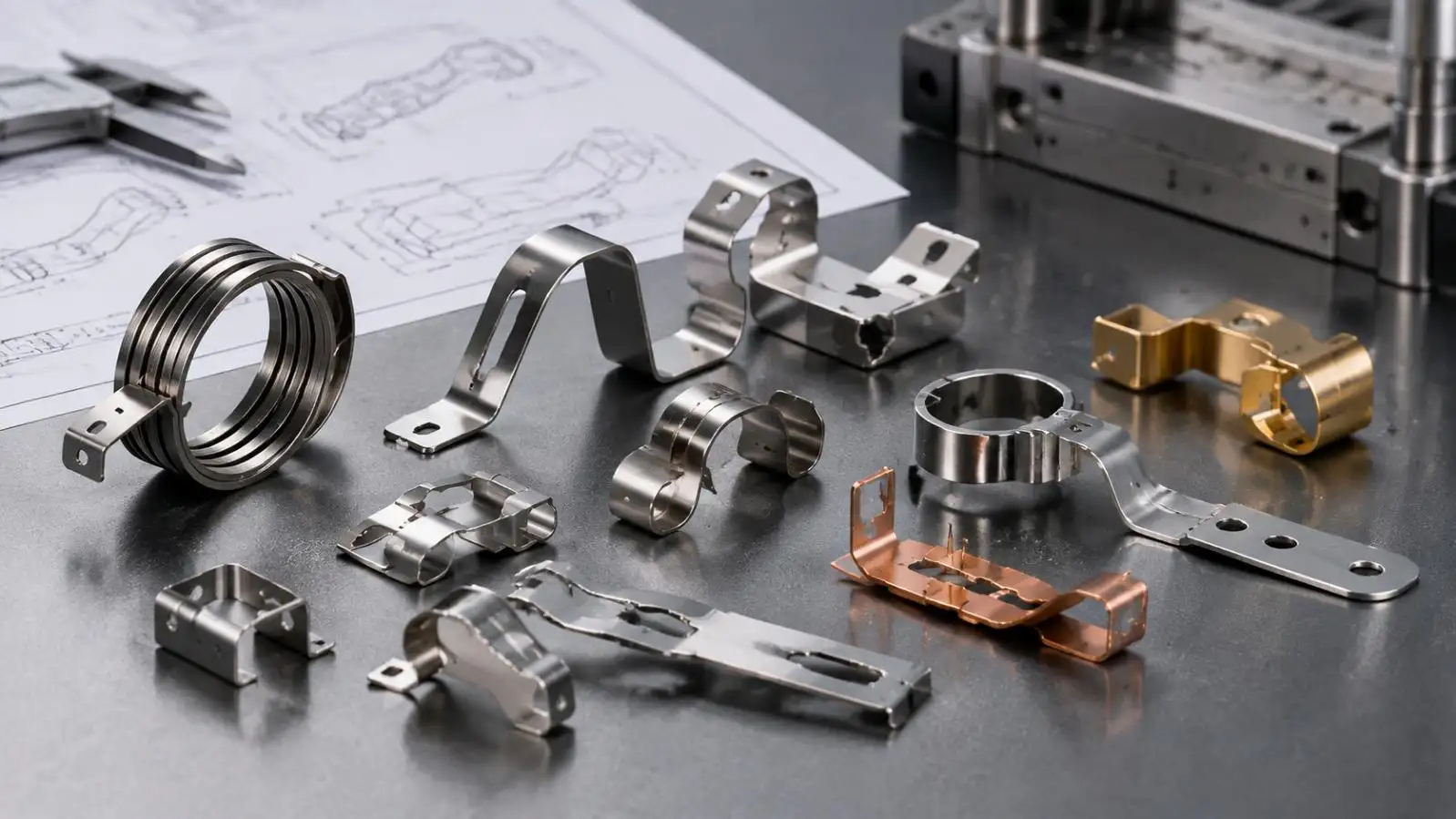
Spring Stamping Fatigue Life: How Geometry, Material and Edge Quality Affect Cycle Life
2026-09-24By KT Engineering -
 Hide blog post
Mechanical Automation Parts for Robot End Effectors and Positioning Accuracy
2026-09-23By KT Engineering