Contact Us
  Home /
 best rapid prototyping factory


Table of Contents
- What Is Rapid Prototyping?
- Why Work with a Professional Rapid Prototyping Factory?
- Key Services Offered by the Best Rapid Prototyping Factories
- How to Identify the Best Rapid Prototyping Factory
- Industries That Benefit from Rapid Prototyping
- Benefits of Partnering with a Global Rapid Prototyping Manufacturer
- Conclusion

The manufacturing landscape is fiercely competitive, and getting products to market quickly, accurately, and with a touch of creativity is a key ingredient in making success. From consumer electronics and medical devices to auto and industrial components, aerospace or any other kind of product development, choosing the right rapid prototyping factory can make a big difference in product development.
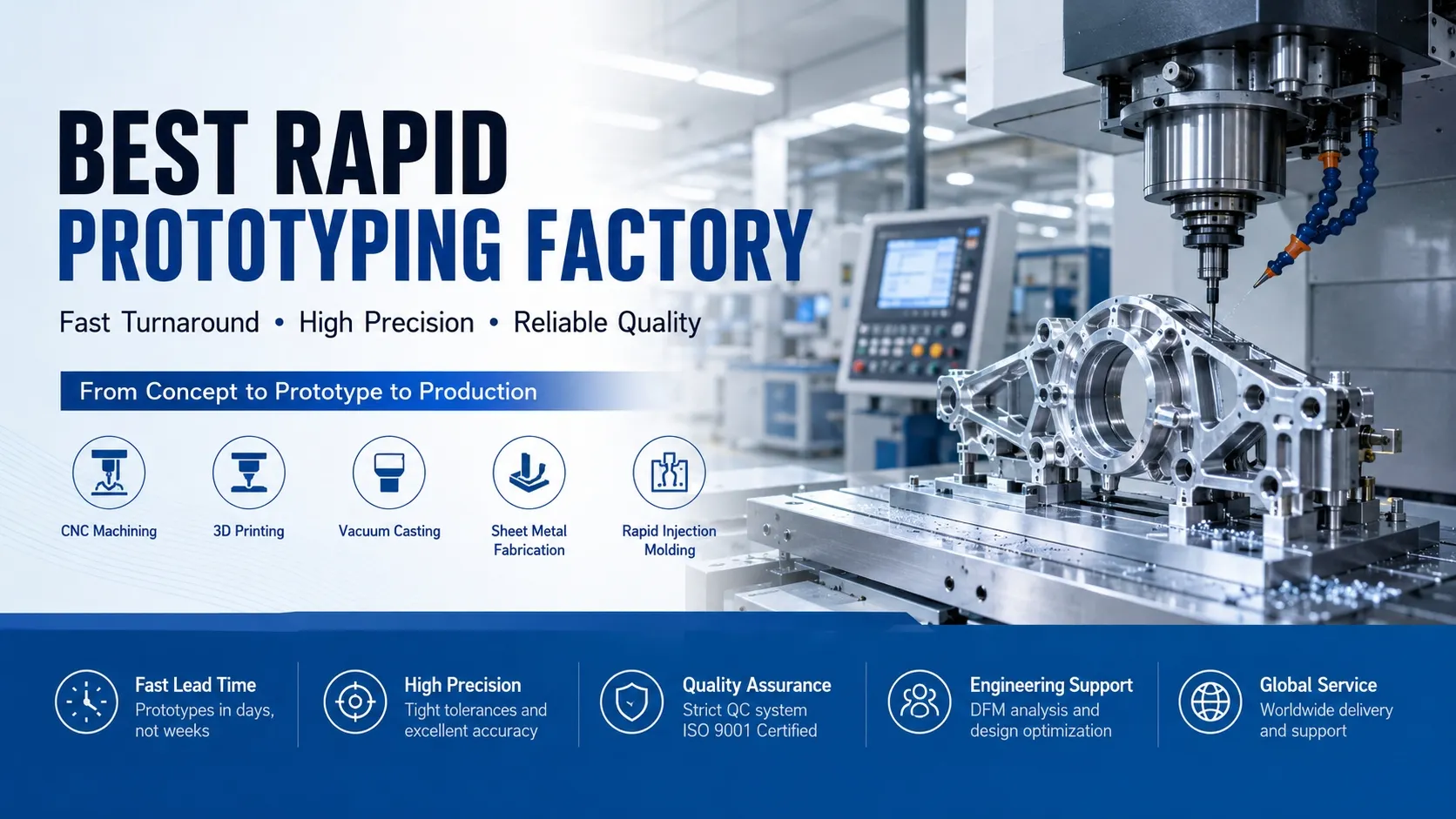
Rapid prototyping helps businesses move ideas into tangible models in no time, allowing engineers, designers and manufacturers to test, validate and improve the product prior to mass production. Modern rapid prototyping factories make use of advanced technologies like 3D printing, CNC machining, Vacuum casting, Sheet metal fabrication and injection molding to cut down cost of development and speed up the innovation process.
What Is Rapid Prototyping?
Rapid prototyping is a manufacturing technique that produces physical models from digital designs. It allows product developers to test form, fit, function and performance prior to entering into mass production.
Rapid prototyping will help to achieve faster turnaround time than traditional manufacturing processes, which can involve a long lead time and the production of a large number of tools. The engineers can easily tweak the design for tests and minimize risks and enhance product quality.
The abilities of rapid prototyping are now essential in various industries like:
- Consumer Electronics
- Medical Devices
- Automotive Manufacturing
- Aerospace Engineering
- Industrial Equipment
- Robotics
- Telecommunications
- Smart Home Products
Why Work with a Professional Rapid Prototyping Factory?
There are several benefits to hiring a professional rapid prototyping factory, which can help to streamline product development and enhance the success of your project.
Faster Product Development
The speed at which products are released to market is an important determinant of business success. Rapid prototyping factories use cutting-edge manufacturing technologies and automated production processes to churn out prototypes in days, not weeks.
Companies can test concepts quicker and launch products before the competition in this accelerated development process.
High Precision Manufacturing
The modern rapid prototyping factories are equipped with the latest CNC machines, high quality 3D printers and high precision measurement tools to guarantee the high accuracy and tolerances.
The high level of precision is particularly valuable in sectors where product performance and reliability are paramount.
Cost Savings
Prototyping via traditional manufacturing process is costly, as it requires tooling expenses and set-up. By reducing these costs with low volume parts, rapid prototyping would eliminate the need for any expensive molds or production tooling.
Designs can be tested by a business before it is produced on a large scale, which means that large changes to the design are less likely to be necessary later.
Design Flexibility
Rapid prototyping lets engineers test out several design iterations in a short period of time. Complex geometries, customised features and innovative product concepts can be assessed and optimised prior to final manufacture.
This flexibility promotes innovation and reduces development risk.
Key Services Offered by the Best Rapid Prototyping Factories
A solid rapid prototyping factory ought to offer a wide selection of manufacturing solutions that meet various project requirements.
CNC Machining
CNC machining is still one of the most popular rapid prototyping techniques. It is capable of achieving outstanding dimensional accuracy and can treat many materials such as:
- Aluminum
- Stainless Steel
- Brass
- Copper
- Titanium
- ABS
- POM
- Nylon
- Acrylic
CNC machining is ideal for functional prototypes and low-volume production parts.
3D Printing
3D printing enables manufacturers to produce highly complex parts directly from CAD files. Popular technologies include:
- SLA (Stereolithography)
- SLS (Selective Laser Sintering)
- FDM (Fused Deposition Modeling)
- MJF (Multi Jet Fusion)
This process is particularly useful for concept models, design validation, and customized components.
Vacuum Casting
Vacuum casting is commonly used for producing small batches of plastic parts that closely resemble injection-molded products.
Benefits include:
- Fast production
- Excellent surface finish
- Low tooling costs
- Suitable for functional testing
Sheet Metal Fabrication
For metal enclosures, brackets, housings, and structural components, sheet metal fabrication offers excellent strength and durability.
Processes typically include:
- Laser Cutting
- Bending
- Welding
- Stamping
- Surface Finishing
Rapid Injection Molding
When projects require larger quantities of prototype parts, rapid injection molding offers a practical solution.
This process provides:
- Consistent quality
- Production-grade materials
- Faster tooling
- Lower manufacturing costs
How to Identify the Best Rapid Prototyping Factory
Not all manufacturing partners offer the same capabilities or quality standards. Before selecting a supplier, consider the following factors.
Manufacturing Experience
An experienced rapid prototyping factory understands industry requirements and can provide valuable engineering support throughout the development process.
Look for factories with proven expertise in your specific industry.
Advanced Equipment
The best rapid prototyping factories continuously invest in modern manufacturing technologies.
Advanced equipment improves:
- Accuracy
- Efficiency
- Repeatability
- Production speed
A well-equipped factory can handle both simple and highly complex projects.
Quality Control Systems
Quality assurance is essential for prototype success.
Reliable factories implement strict quality control procedures, including:
- Material inspection
- In-process monitoring
- Final dimensional verification
- Functional testing
Many leading manufacturers maintain certifications such as ISO 9001 to ensure consistent quality standards.
Material Selection
Various materials are required for various applications. There should be a wide selection of metals, plastics and specialty materials available in the capable rapid prototyping factory to fulfill diverse performance requirements.
Material options enable engineers to test prototypes in the real world.
Engineering Support
The best factories do more than simply manufacture parts.
Experienced engineering teams can provide:
- Design optimization
- Manufacturability analysis
- Material recommendations
- Cost reduction strategies
This support often leads to improved product performance and lower production costs.
Industries That Benefit from Rapid Prototyping
Rapid prototyping has become an essential tool across numerous industries.
Consumer Electronics
Medical manufacturers use rapid prototyping to create accurate models that can be used for testing, validation, and regulatory approval.
Automotive Industry
For aerospace applications, sophisticated prototyping methods are used to create lightweight, high performance parts for critical systems.
Medical Devices
Medical manufacturers rely on rapid prototyping to create accurate models for testing, validation, and regulatory approval processes.
Aerospace Applications
Aerospace companies utilize advanced prototyping techniques to produce lightweight, high-performance components for critical systems.
Industrial Equipment
Rapid prototyping helps manufacturers verify functionality, improve designs, and reduce production risks.
Benefits of Partnering with a Global Rapid Prototyping Manufacturer
International rapid prototyping factories are often selected for their competitive rates, state-of-the-art production technology and ability to scale up production.
Key benefits include:
- Faster lead times
- Lower development costs
- Access to advanced technologies
- Flexible production volumes
- Professional project management
- Comprehensive manufacturing services
A manufacturing partner around the world can assist with the development of prototypes to full-scale manufacturing.
Conclusion
The selection of the best rapid prototyping factory is an important process in the development of a successful product. The right partner in the manufacturing can help meet the market demand in terms of speed, quality of product and cost as well as innovation.
When considering rapid prototyping suppliers, consider manufacturing, quality control, engineering, materials, and experience. CNC machining, 3D printing, rapid injection molding, vacuum casting, and sheet metal fabrication are all services provided by factories and they all can help you complete a wide variety of projects.
Businesses can leverage trusted rapid prototyping factory to bring their ideas to market quicker and more efficiently than ever.
Talk to the Manufacturer, Not a Middleman
Resources & Insights
-
 Hide blog post
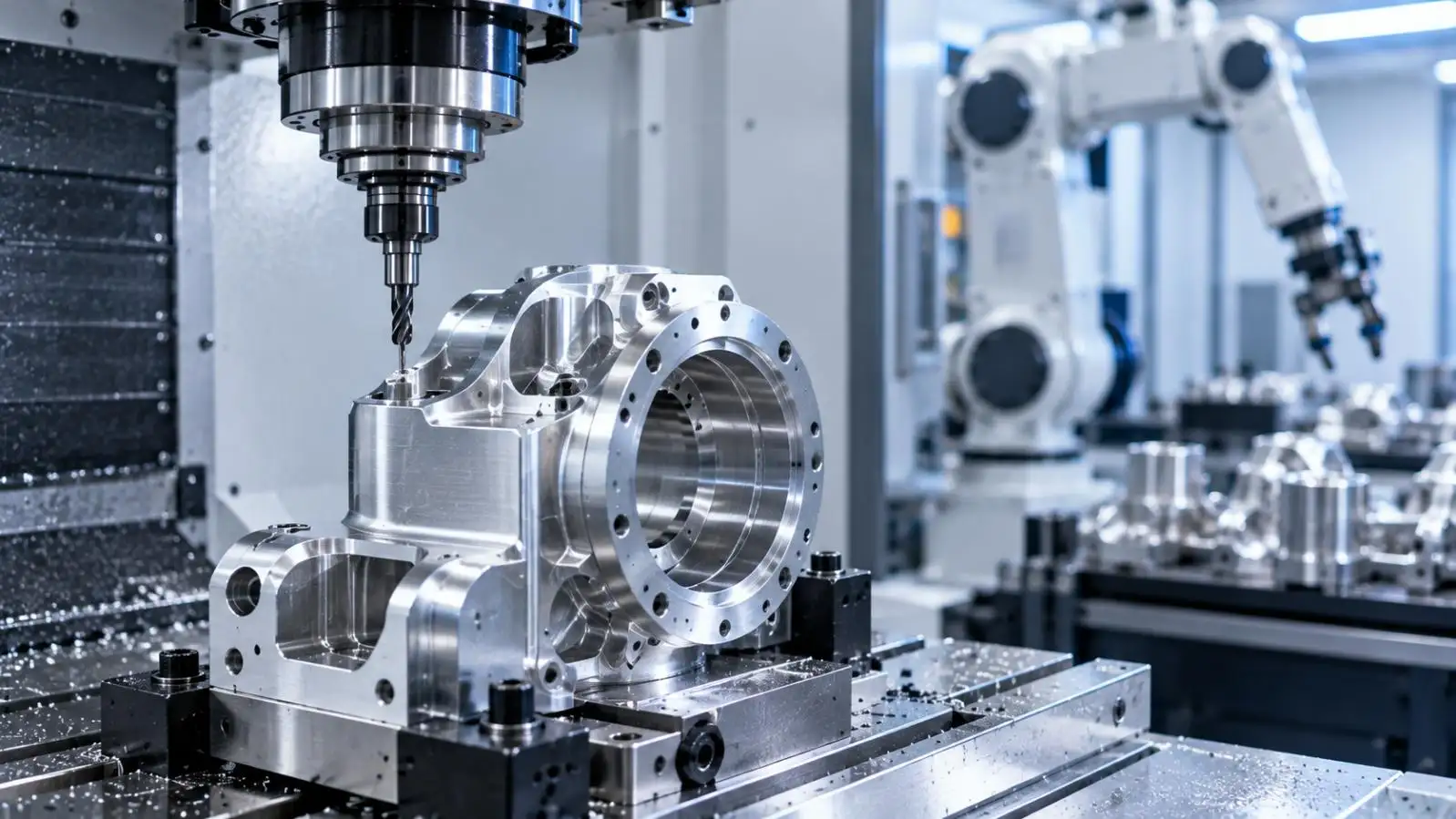
CNC Machining Robotic Parts: How GD&T Controls Robot Assembly Accuracy
2026-09-24By KT Engineering -
 Hide blog post
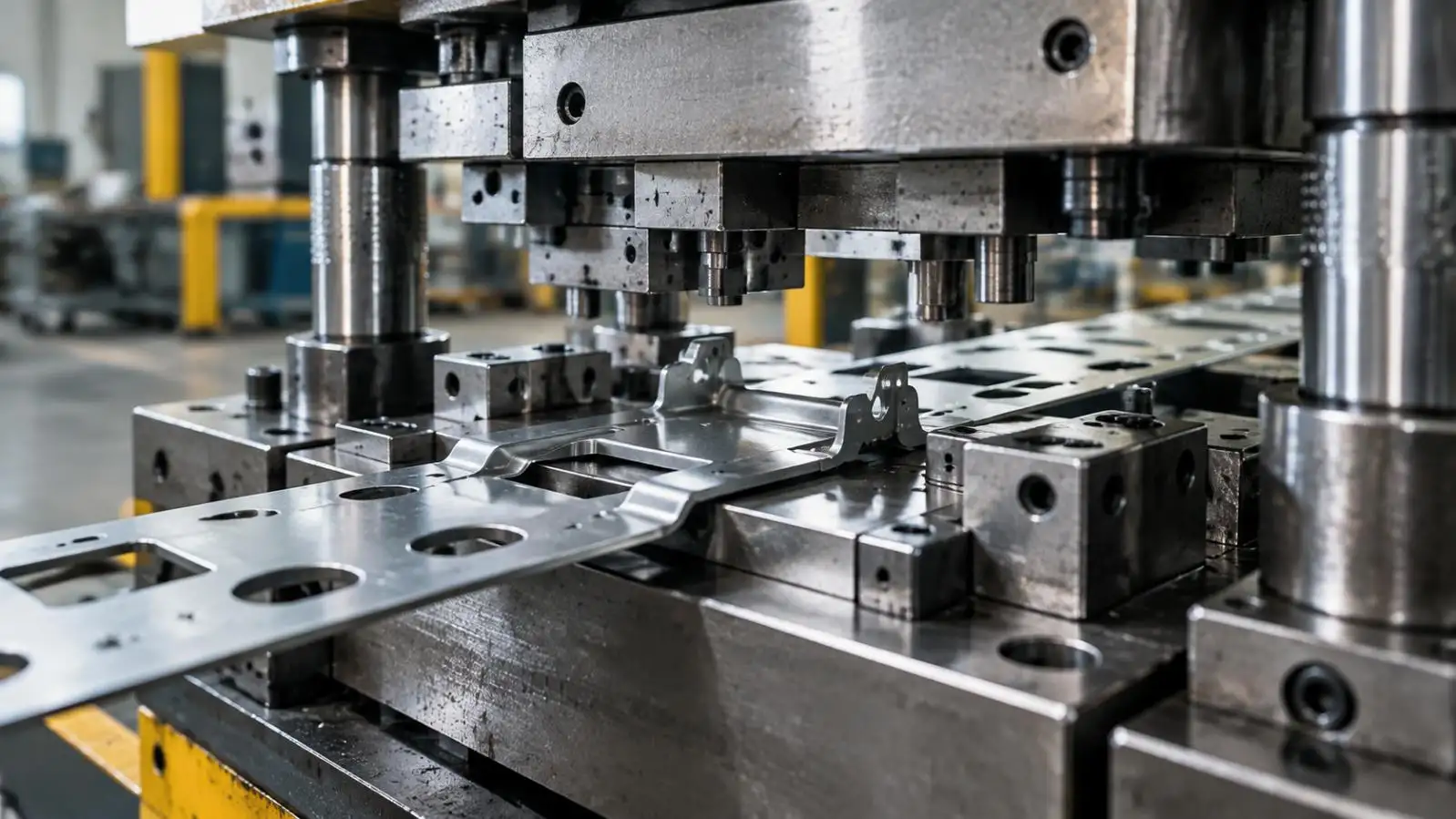
Hardware Stamping Springback Control for High-Strength Steel Parts
2026-09-24By KT Engineering -
 Hide blog post
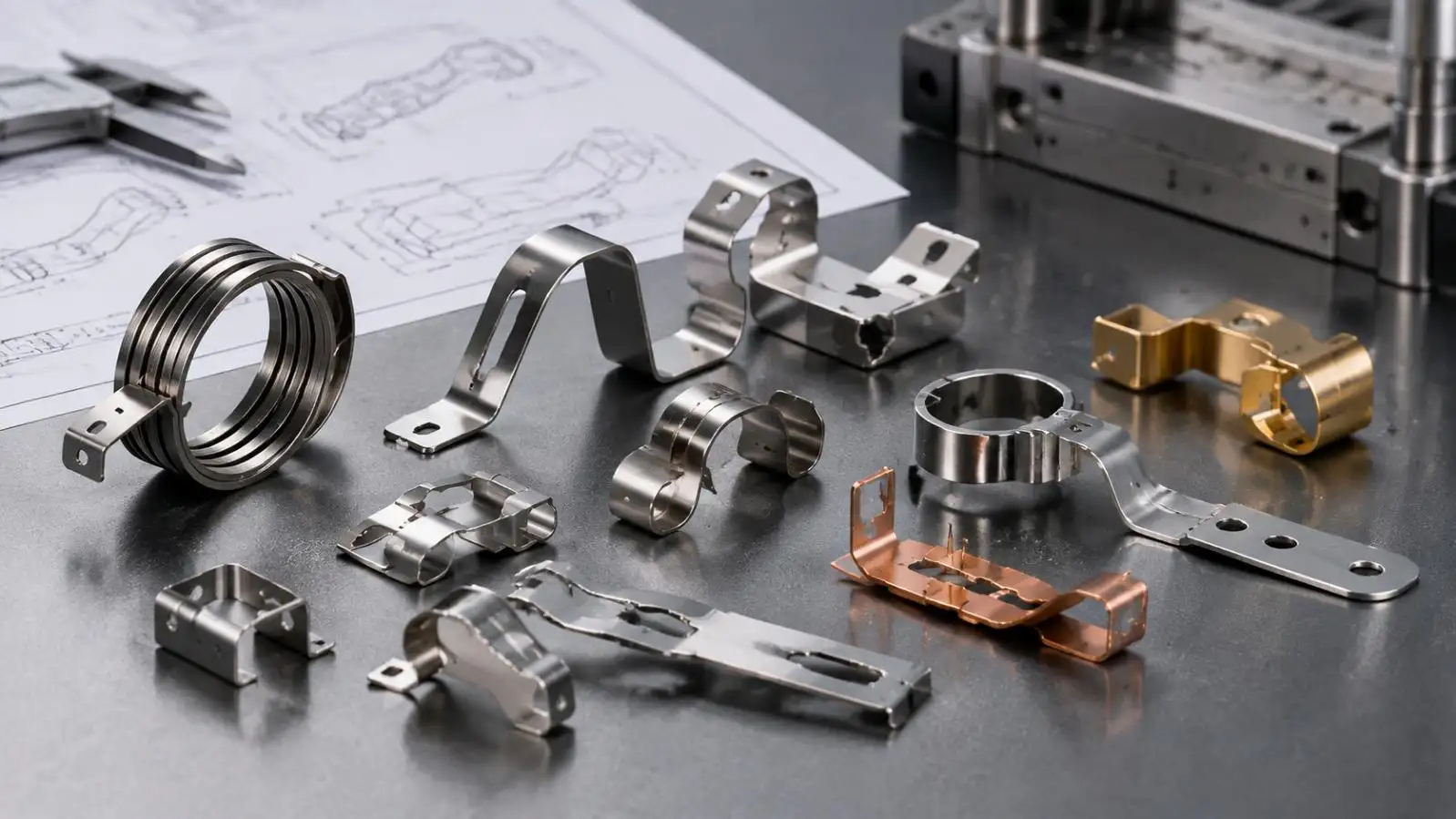
Spring Stamping Fatigue Life: How Geometry, Material and Edge Quality Affect Cycle Life
2026-09-24By KT Engineering -
 Hide blog post
Mechanical Automation Parts for Robot End Effectors and Positioning Accuracy
2026-09-23By KT Engineering