Contact Us
  Home /
 best rapid prototyping


Table of Contents

The manufacturing world is a competitive one and speed and innovation are also vital to success. Those firms that can turn a concept into a tangible product fast, have a huge edge in the market place. That's where rapid prototyping can be a valuable asset. From consumer electronics to automotive components, medical devices to industrial equipment, the key to a successful product is selecting the right rapid prototyping solution that can shorten development time, lower costs and enhance product quality dramatically.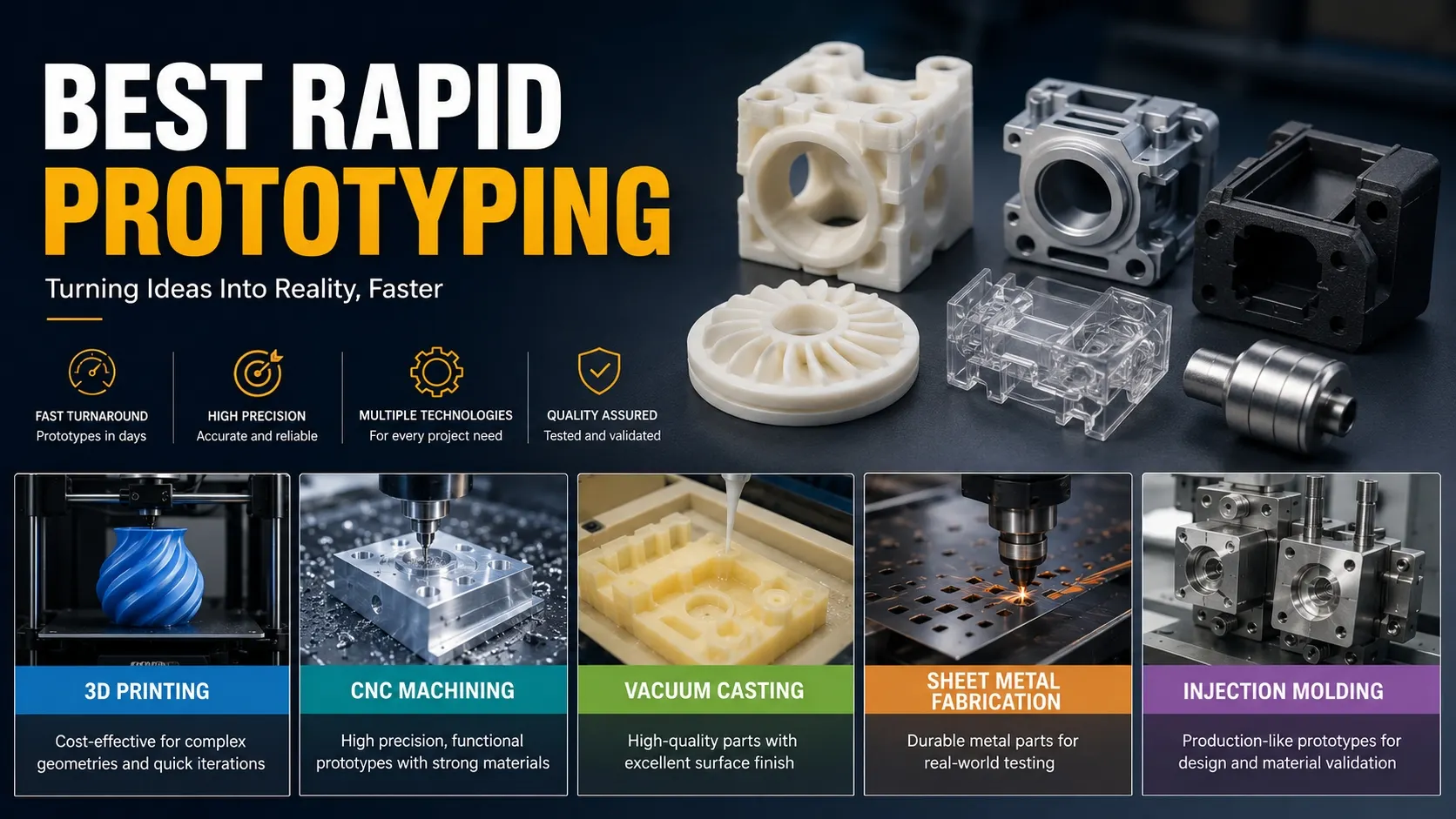
This comprehensive guide delves into the best rapid prototyping methods, benefits, applications, and considerations for choosing a rapid prototyping partner.
What Is Rapid Prototyping?
Rapid prototyping is the production of a physical model, part, or assembly, from computer-aided design (CAD) information in a brief time. To assess design ideas, test capabilities, find faults and make enhancements prior to full production.
Rapid prototyping is different from traditional manufacturing processes, which necessitate expensive tooling and time-consuming setup, because it can generate prototypes within days or even hours, allowing the engineers and designers to refine their designs.
The modern rapid prototyping technologies are:
- 3D Printing
- CNC Machining
- Vacuum Casting
- Sheet Metal Fabrication
- Injection Molding for Prototype Runs
These technologies enable businesses to get products to market quicker and decrease the risk of design mistakes.
Why Rapid Prototyping Matters
Product development cycle has become more challenging. Customers demand innovation, customisation and quicker delivery than ever.
There are a number of benefits of rapid prototyping:
Faster Time to Market
Ideas and designs can be validated and adjusted within a short time frame to cut down on development time. Quickly prototyping results in products being brought to market earlier, giving businesses an edge over their competitors.
Lower Development Costs
Such design defects can be detected early, which saves on expensive changes during the mass production phase. Rapid Prototyping saves costly tooling for early development phases.
Improved Product Quality
Physical prototypes enable engineers to test form, fit and function prior to entering production. This results in better-performing and more reliable products.
Enhanced Communication
Prototypes are used to bring product concepts to a life. Feedback from designers, engineers, investors, and customers can be based on real-world models, not digital renderings.
Reduced Manufacturing Risks
Prototype testing in real world conditions can help to discover problem areas before production, minimising the risk of recall, delays and quality issues.
Best Rapid Prototyping Technologies
1. 3D Printing
3D printing is still one of the most popular rapid prototyping technologies currently in use.
Benefits include:
- Fast turnaround times
- Complex geometries
- Low-cost prototype production
- Minimal material waste
- Design flexibility
Common 3D printing technologies include:
- SLA (Stereolithography)
- SLS (Selective Laser Sintering)
- FDM (Fused Deposition Modeling)
- MJF (Multi Jet Fusion)
3D printing is ideal for concept models, functional testing, and low-volume production.
2. CNC Machining
For high-precision prototypes, CNC machining is often considered the best rapid prototyping solution.
Advantages include:
- Exceptional dimensional accuracy
- Tight tolerances
- Production-grade materials
- Superior surface finishes
- Strong mechanical properties
Materials commonly used include:
- Aluminum
- Stainless Steel
- Brass
- Copper
- ABS
- POM
- Nylon
CNC-machined prototypes closely resemble final production parts, making them ideal for functional testing and engineering validation.
3. Vacuum Casting
Vacuum casting is a cost-effective solution for producing small batches of high-quality prototypes.
Benefits include:
- Excellent surface finish
- Flexible material options
- Short lead times
- Affordable low-volume production
This method is frequently used for consumer products, medical devices, and electronic housings.
4. Sheet Metal Prototyping
For metal enclosures, brackets, and structural components, sheet metal fabrication offers excellent prototype solutions.
Processes include:
- Laser cutting
- CNC punching
- Bending
- Welding
Sheet metal prototypes provide realistic testing conditions and accurate evaluation of manufacturing feasibility.
5. Prototype Injection Molding
When a product is approaching production readiness, prototype injection molding becomes valuable.
Advantages include:
- Production-like parts
- Material validation
- Design verification
- Small-volume manufacturing
Although tooling costs are higher, prototype molds are significantly less expensive than full production molds.
Industries That Benefit from Rapid Prototyping
Automotive Industry
Automotive manufacturers use rapid prototyping to develop:
- Engine components
- Interior parts
- Exterior panels
- Lighting systems
- Testing fixtures
Rapid prototyping helps reduce development cycles while ensuring safety and performance standards.
Medical Industry
Medical device companies rely on rapid prototyping for:
- Surgical instruments
- Prosthetics
- Diagnostic equipment
- Patient-specific devices
Quick iterations allow manufacturers to improve product functionality and meet regulatory requirements efficiently.
Consumer Electronics
Rapid prototyping accelerates development of:
- Smart devices
- Wearable technology
- Home appliances
- Electronic enclosures
Design teams can quickly test ergonomics, aesthetics, and functionality.
Aerospace Industry
Aerospace companies utilize rapid prototyping for:
- Lightweight components
- Structural testing
- Cabin parts
- Engineering validation
The technology supports innovation while maintaining strict quality standards.
How to Choose the Best Rapid Prototyping Company
Selecting the right manufacturing partner is critical for project success.
Technical Capabilities
Choose a provider that offers multiple manufacturing processes under one roof. This flexibility ensures the most suitable technology can be selected for each project.
Material Selection
A reputable rapid prototyping company should provide a wide range of materials, including:
- Plastics
- Metals
- Elastomers
- Composite materials
Quality Control
Look for manufacturers with robust quality systems and certifications such as:
- ISO 9001
- ISO 13485
- AS9100
Quality assurance ensures consistent results and reliable prototypes.
Fast Lead Times
One of the key benefits of rapid prototyping is its fast time-to-market. Ensure that the supplier can provide prototypes as per your timeline.
Engineering Support
The expertise of experienced engineers can be used to optimize designs for manufacturability, which can help to lower costs and enhance the overall performance of the product.
Future Trends in Rapid Prototyping
Today, the rapid prototype industry is constantly evolving and developing new technologies.
Key trends include:
Advanced Additive Manufacturing
The new 3D printing technologies provide greater accuracy, higher productivity and more flexibility in terms of material use.
AI-Driven Design Optimization
Automated design improvements are being made using AI for the creation of lighter, stronger, and more efficient products.
Digital Manufacturing Integration
Rapid prototyping is now finding more and more applications in Industry 4.0 systems, allowing the information to be transferred seamlessly and smart manufacturing processes.
Sustainable Manufacturing
Manufacturers are using materials to benefit the environment and minimizing waste via optimized prototyping processes.
Conclusion
The most suitable rapid prototype solution will depend on what your project needs, budget, materials and manufacturing objectives. Prototype Injection Molding, 3D Printing, CNC Processing, Vacuum Casting and Sheet Metal Processing all have their own strengths.
Rapid prototyping can boost innovation, minimize development expenses, enhance the quality of products, and move them to market quicker. With manufacturing technology constantly progressing, rapid prototyping will continue to be a critical tool for companies looking to gain a competitive edge in today's rapidly changing global marketplace.
From startups creating their initial product to established manufacturers introducing new innovations, the right rapid prototyping strategy can revolutionize your product development process and contribute to long-term success.
Talk to the Manufacturer, Not a Middleman
Resources & Insights
-
 Hide blog post
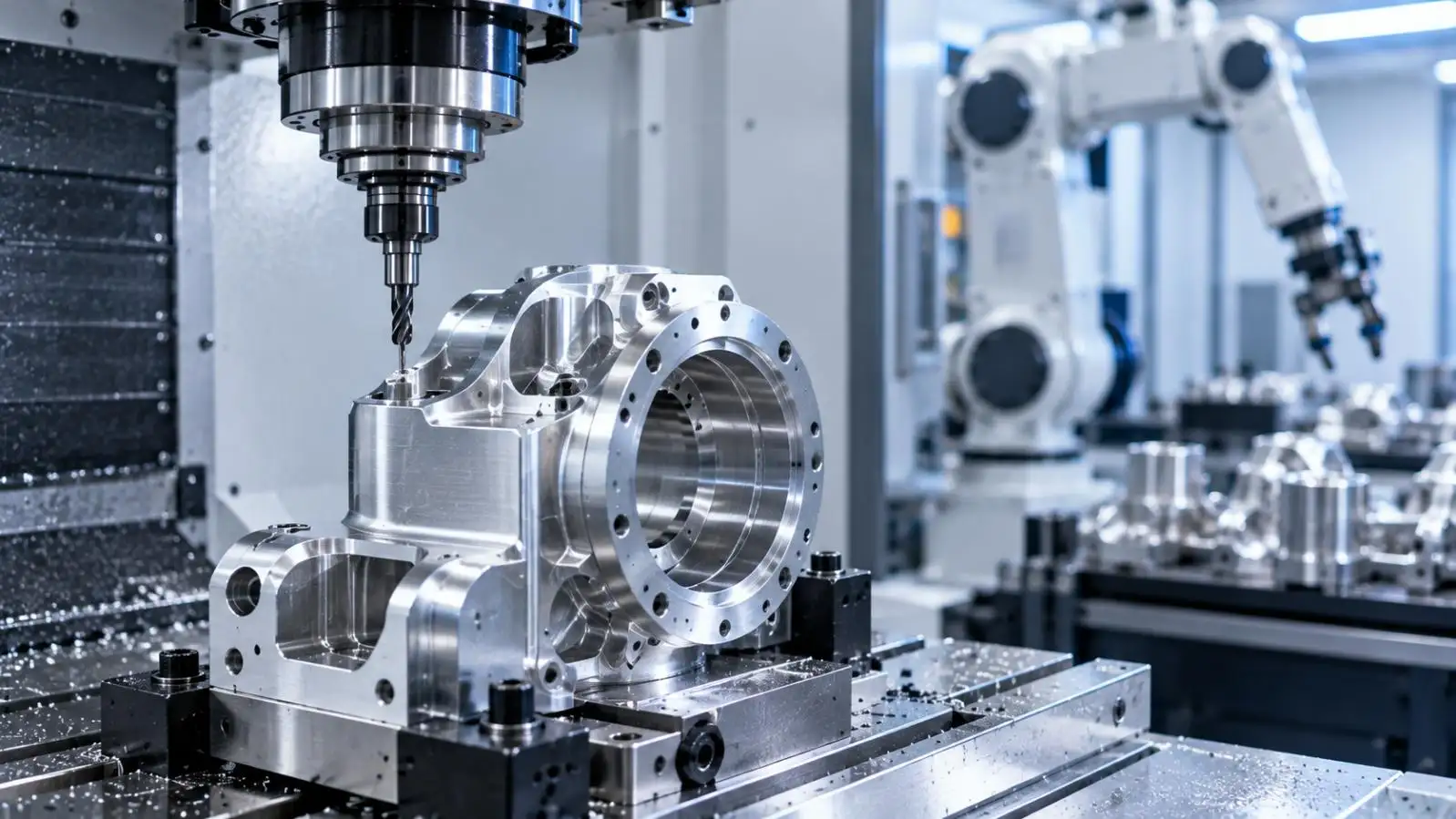
CNC Machining Robotic Parts: How GD&T Controls Robot Assembly Accuracy
2026-09-24By KT Engineering -
 Hide blog post
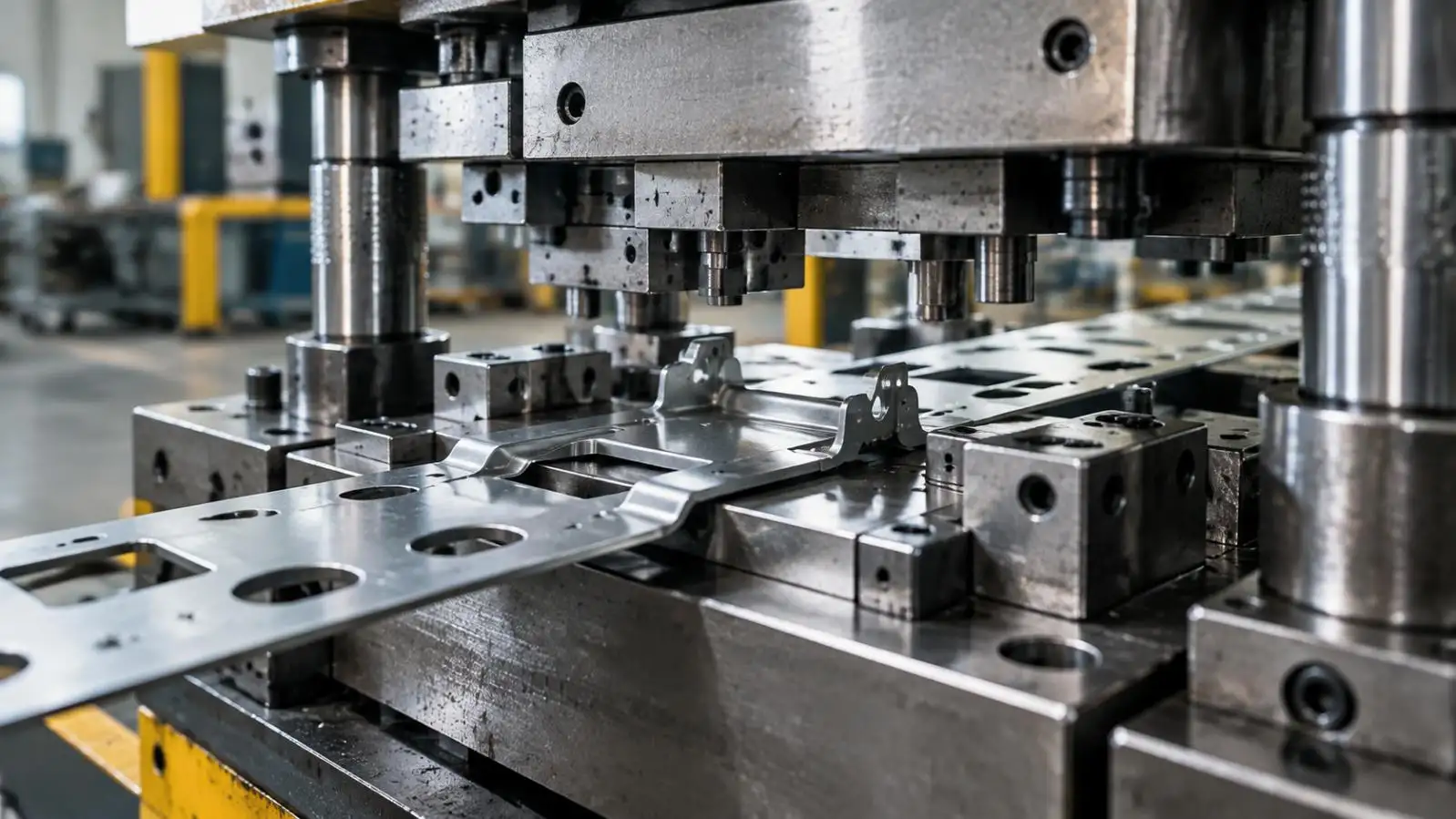
Hardware Stamping Springback Control for High-Strength Steel Parts
2026-09-24By KT Engineering -
 Hide blog post
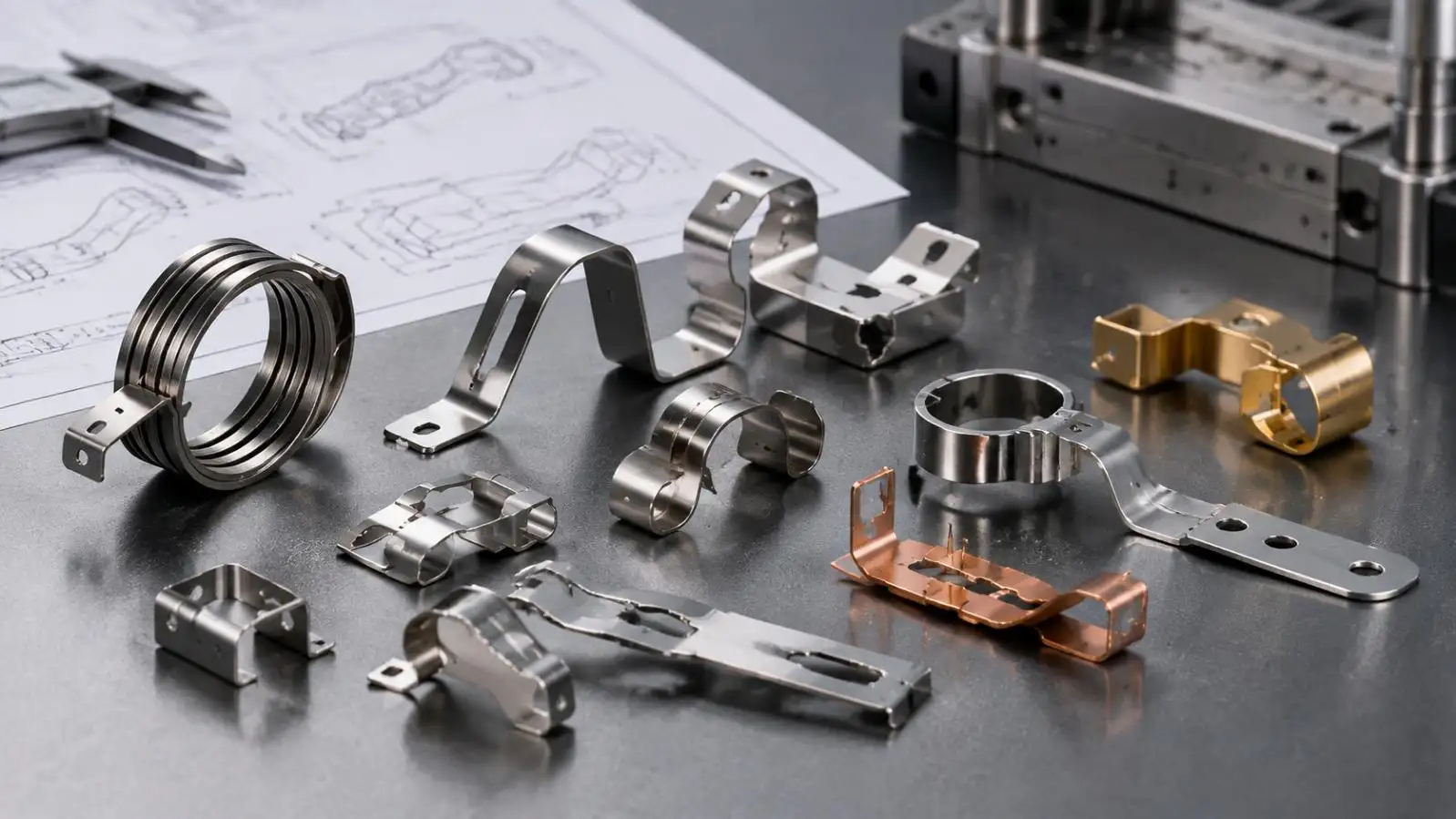
Spring Stamping Fatigue Life: How Geometry, Material and Edge Quality Affect Cycle Life
2026-09-24By KT Engineering -
 Hide blog post
Mechanical Automation Parts for Robot End Effectors and Positioning Accuracy
2026-09-23By KT Engineering