Contact Us
  Home /
 best sheet metal


Table of Contents
- What Is Sheet Metal?
- Why Choosing the Best Sheet Metal Matters
- Best Sheet Metal Materials for Manufacturing
- Factors to Consider When Selecting the Best Sheet Metal
- Sheet Metal Fabrication Technologies
- Industries That Depend on High-Quality Sheet Metal
- How to Choose the Best Sheet Metal Supplier
- Future Trends in Sheet Metal Manufacturing
- Conclusion

One of the most versatile, and common, materials used in production nowadays is the sheet metal. Whether in the automotive industry, for aircraft manufacturing, electronic enclosures, or industrial equipment, sheet metal is essential to the creation of long-lasting, accurate and affordable products. However, with numerous material options available, selecting the best sheet metal for your project can be challenging.
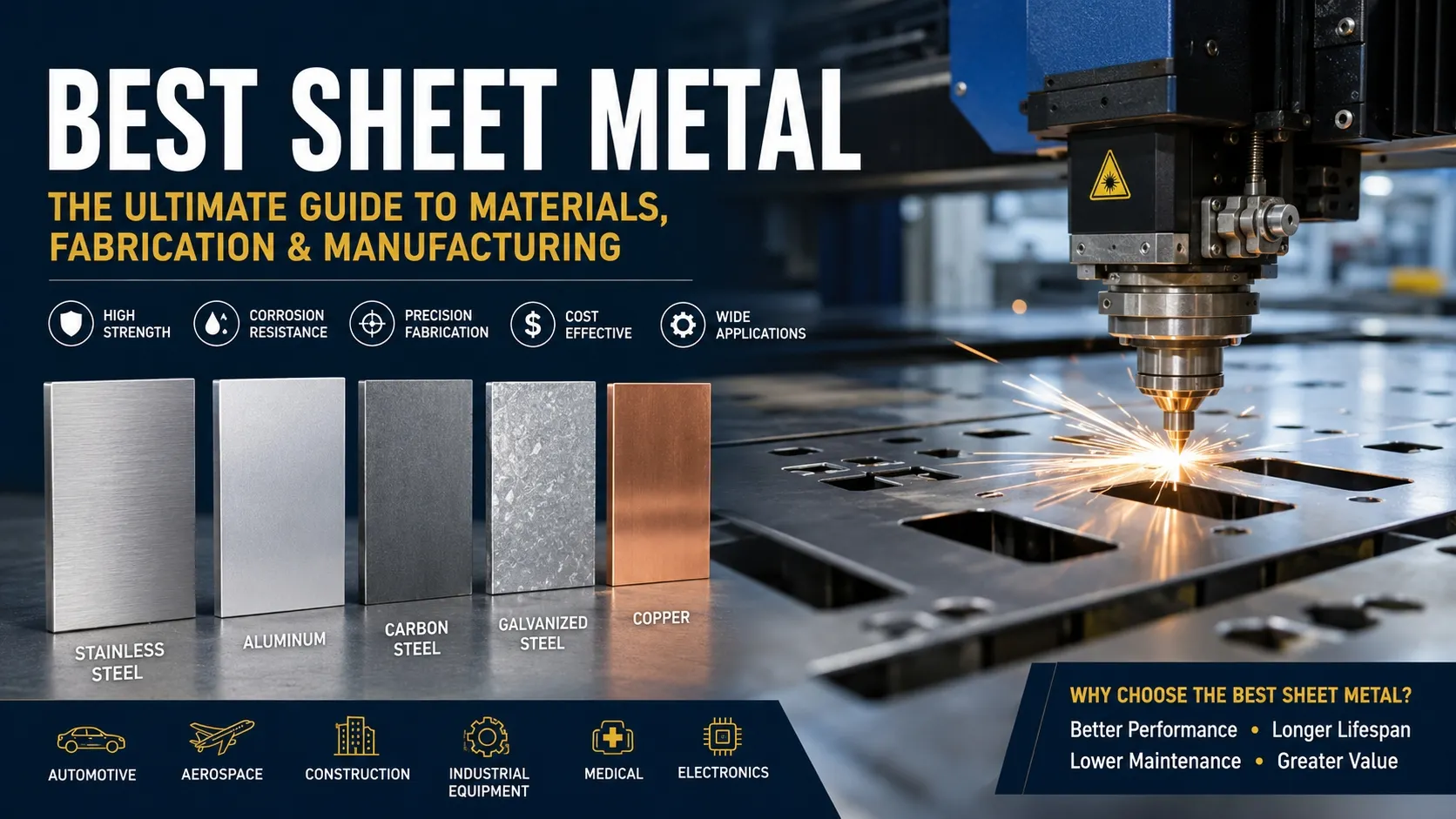
This guide gives an overview of the different types of sheet metal, their benefits, and where and when they can be used and how to select the appropriate type for your manufacturing needs.
What Is Sheet Metal?
Sheet metal is thin, flat metal that has been rolled or processed in an industrial process. It is widely used in the manufacture, bending and cutting, stamping, welding and assembly. Sheet metal can be made from steel, aluminum, stainless steel, copper and brass depending on the application.
Sheet metal thickness is generally measured in gauges or millimeters, and it can be used for a variety of applications, such as consumer goods and industrial equipment.
Why Choosing the Best Sheet Metal Matters
Choosing the right sheet metal material is the key to the performance, durability and overall cost of a product. The appropriate substance can provide:
- Superior strength and durability
- Excellent corrosion resistance
- Improved manufacturability
- Lower production costs
- Enhanced product appearance
- Longer service life
Choosing the wrong material may result in premature failure, increased maintenance costs, or manufacturing difficulties.
Best Sheet Metal Materials for Manufacturing
1. Stainless Steel Sheet Metal
Stainless steel is one of the most corrosion resistant and strong sheet metal materials that are considered one of the top choices.
Advantages
- High resistance to rust and corrosion
- Excellent durability
- Attractive surface finish
- Heat and chemical resistance
- Long service life
Applications
- Food processing equipment
- Medical devices
- Kitchen appliances
- Architectural structures
- Industrial machinery
Stainless steel is ideal for environments exposed to moisture, chemicals, or extreme temperatures.
2. Aluminum Sheet Metal
Aluminum sheet metal is known for its lightweight properties and excellent corrosion resistance.
Advantages
- Lightweight yet strong
- Easy to machine and form
- Naturally corrosion resistant
- Excellent thermal conductivity
- Recyclable and environmentally friendly
Applications
- Aerospace components
- Automotive parts
- Electronics enclosures
- Construction materials
- Consumer products
Manufacturers often choose aluminum when weight reduction is a primary concern.
3. Carbon Steel Sheet Metal
Carbon steel remains one of the most cost-effective sheet metal materials available.
Advantages
- High strength
- Affordable pricing
- Excellent weldability
- Suitable for high-volume production
Applications
- Industrial equipment
- Structural components
- Automotive parts
- Agricultural machinery
Although carbon steel may require protective coatings to prevent corrosion, it offers outstanding strength-to-cost value.
4. Galvanized Steel Sheet Metal
Galvanized steel is carbon steel coated with zinc to improve corrosion resistance.
Advantages
- Better rust protection
- Cost-effective
- Durable surface coating
- Suitable for outdoor applications
Applications
- HVAC systems
- Roofing panels
- Electrical cabinets
- Construction projects
Galvanized steel combines affordability with enhanced environmental protection.
5. Copper Sheet Metal
Copper is highly valued for its conductivity and appearance.
Advantages
- Exceptional electrical conductivity
- Excellent thermal conductivity
- Natural corrosion resistance
- Attractive aesthetic appeal
Applications
- Electrical systems
- Heat exchangers
- Roofing
- Decorative architectural features
While copper is more expensive than steel or aluminum, its unique properties make it indispensable in specialized industries.
Factors to Consider When Selecting the Best Sheet Metal
Project Requirements
The intended application determines the material's required properties. Consider factors such as load-bearing capacity, operating environment, and expected lifespan.
Corrosion Resistance
For outdoor or humid environments, corrosion resistance becomes critical. Stainless steel, aluminum, and galvanized steel are excellent choices.
Weight Requirements
Industries such as aerospace and automotive prioritize lightweight materials. Aluminum is often the preferred solution.
Manufacturing Process
Different sheet metals respond differently to fabrication processes such as:
- Laser cutting
- CNC punching
- Bending
- Welding
- Stamping
Choose a material compatible with your manufacturing requirements.
Budget Constraints
Material costs can significantly impact project profitability. Carbon steel often provides the most economical solution, while stainless steel and copper may require higher investment.
Sheet Metal Fabrication Technologies
Modern sheet metal manufacturing utilizes advanced technologies to achieve precision and efficiency.
Laser Cutting
Laser cutting provides clean, accurate cuts with minimal material waste. It is suitable for stainless steel, aluminum, and carbon steel.
CNC Punching
CNC punching allows rapid production of holes and complex patterns in sheet metal components.
Sheet Metal Bending
Precision bending creates accurate angles and shapes while maintaining structural integrity.
Welding and Assembly
Advanced welding methods ensure strong and reliable connections for fabricated sheet metal products.
Surface Finishing
Common finishing options include:
- Powder coating
- Anodizing
- Electroplating
- Brushing
- Polishing
These finishes improve both appearance and durability.
Industries That Depend on High-Quality Sheet Metal
Automotive Industry
Vehicle manufacturers use sheet metal for body panels, chassis components, brackets, and structural assemblies.
Aerospace Industry
Aircraft manufacturers rely on lightweight aluminum and high-strength stainless steel components.
Electronics Industry
Electronic enclosures require precision sheet metal fabrication to protect sensitive equipment.
Construction Industry
Architectural panels, roofing systems, and structural supports are commonly fabricated from sheet metal.
Medical Industry
Medical equipment often utilizes stainless steel due to its hygienic properties and corrosion resistance.
How to Choose the Best Sheet Metal Supplier
Selecting the right supplier is as important as choosing the material itself.
Look for manufacturers that offer:
- Extensive material selection
- Advanced fabrication capabilities
- Quality certifications
- Competitive pricing
- Fast lead times
- Engineering support
- Global shipping services
A reliable supplier can help optimize material selection, reduce costs, and ensure consistent product quality.
Future Trends in Sheet Metal Manufacturing
The sheet metal industry continues to evolve through technological innovation.
Key trends include:
- Smart manufacturing and automation
- AI-assisted production planning
- Sustainable material sourcing
- Advanced laser processing
- Lightweight material development
- Digital quality inspection systems
These advancements improve productivity, reduce waste, and enhance product performance.
Conclusion
The choice of the best sheet metal is determined by the type of project, the performance required, and the budget. Stainless steel has outstanding corrosion resistance and durability, aluminum is lightweight and strong, carbon steel is very economical, galvanized steel has a good weather resistance, copper metal has a good conductivity.
Partnering with an experienced sheet metal manufacturer and knowledge of the material's characteristics can lead to businesses achieving the highest quality products, the lowest production costs and long term success. Selecting the right sheet metal can make all the difference in your manufacturing process, whether you are creating an industrial machine, automotive components, aerospace parts or consumer goods.
Talk to the Manufacturer, Not a Middleman
Resources & Insights
-
 Hide blog post
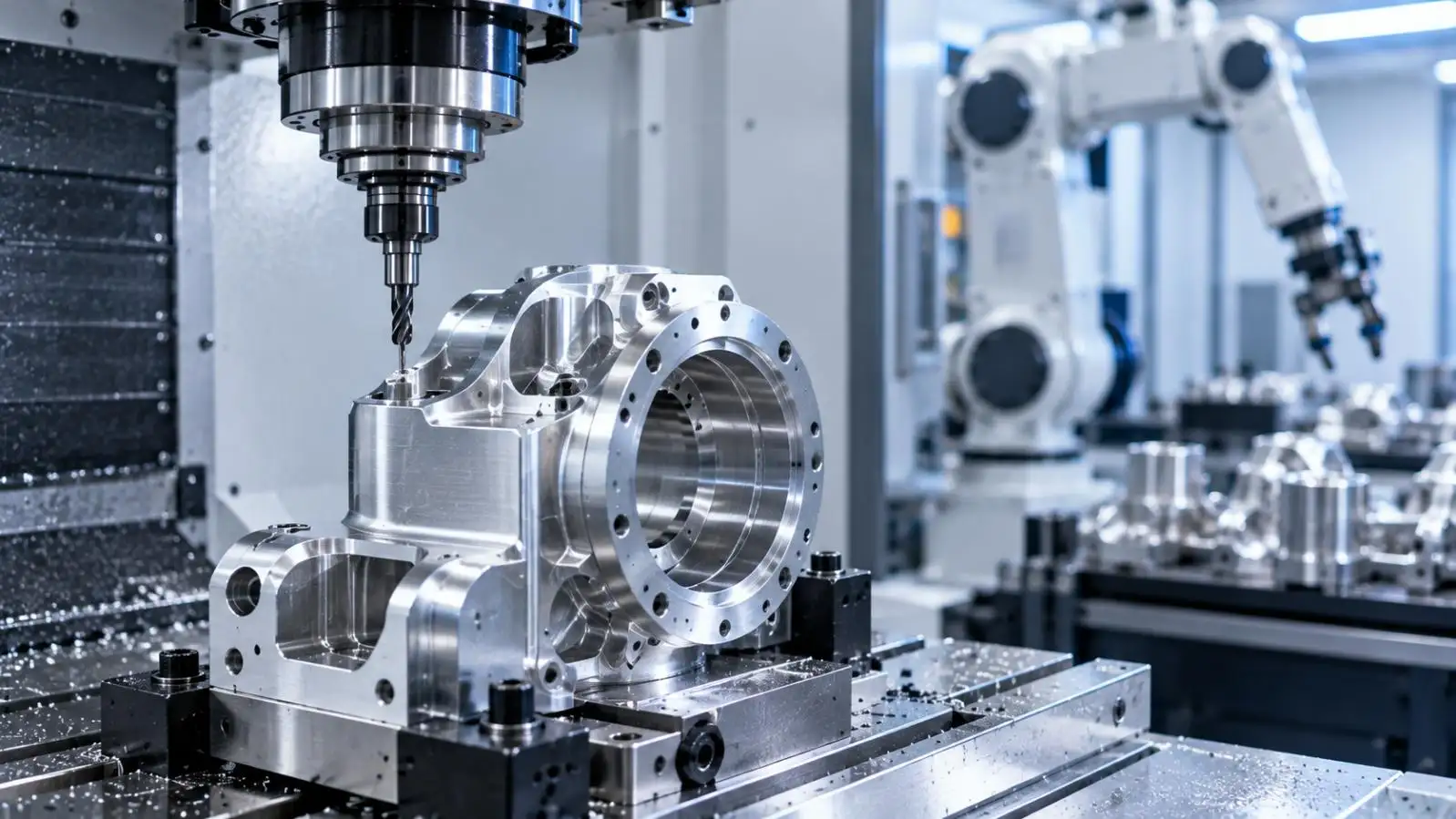
CNC Machining Robotic Parts: How GD&T Controls Robot Assembly Accuracy
2026-09-24By KT Engineering -
 Hide blog post
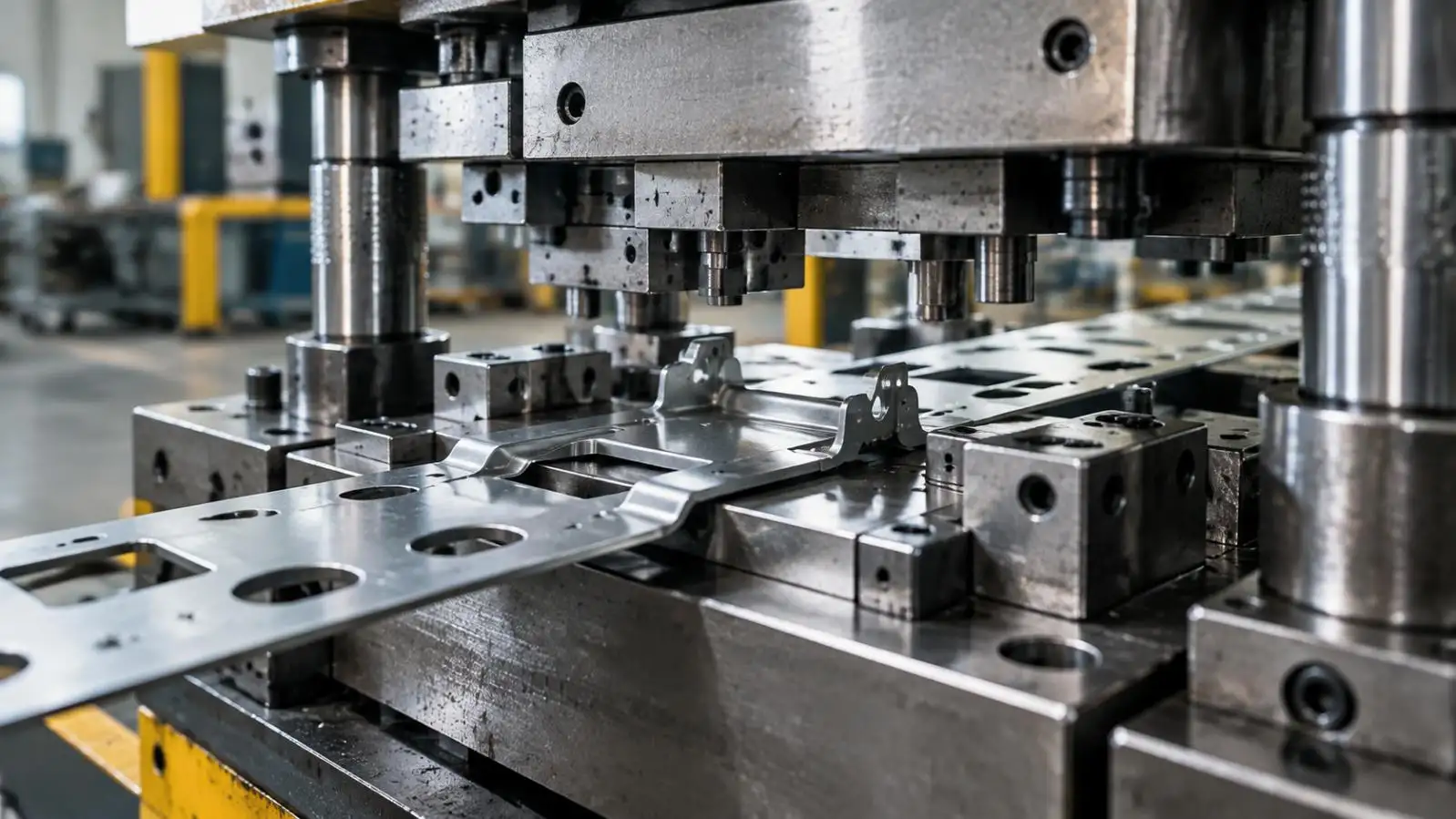
Hardware Stamping Springback Control for High-Strength Steel Parts
2026-09-24By KT Engineering -
 Hide blog post
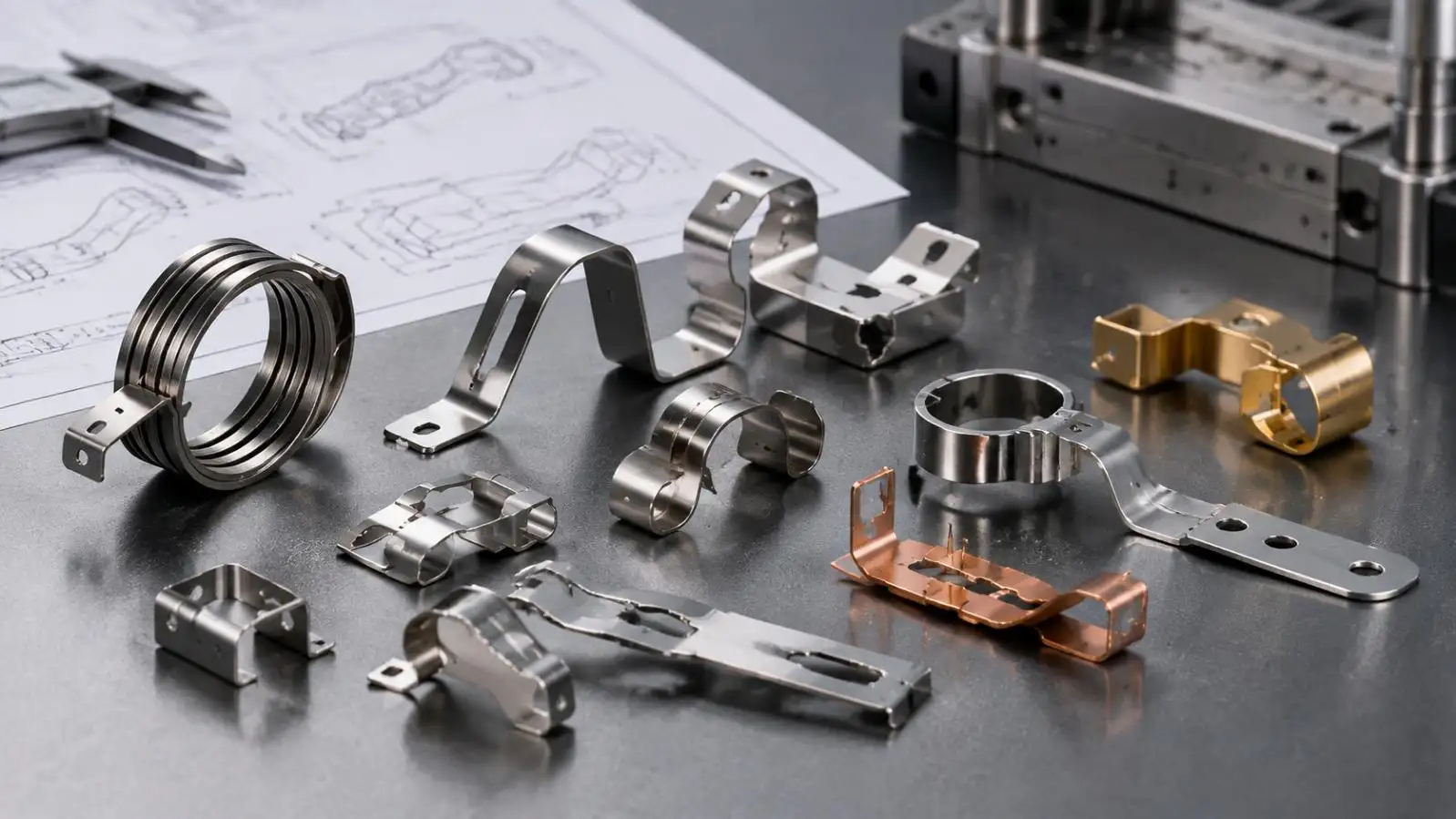
Spring Stamping Fatigue Life: How Geometry, Material and Edge Quality Affect Cycle Life
2026-09-24By KT Engineering -
 Hide blog post
Mechanical Automation Parts for Robot End Effectors and Positioning Accuracy
2026-09-23By KT Engineering