Contact Us
  Home /
 cost of cnc machine


Table of Contents
- What Is a CNC Machine?
- Typical CNC Machine Price Ranges
- Factors That Affect CNC Machine Costs
- Machine Size and Capacity
- Number of Axes
- Precision and Tolerance
- Spindle Power and Speed
- Automation Features
- Additional Costs Beyond the Machine Price
- CNC Machining Service Costs
- How to Reduce CNC Machining Costs
- Optimize Part Design
- Choose Suitable Materials
- Increase Production Quantities
- Use Standard Tooling
- Consider Outsourcing
- Should You Buy a CNC Machine or Outsource?
- Buying a CNC Machine Is Often Better If:
- Outsourcing CNC Machining Is Often Better If:
- Conclusion

For manufacturers, engineers, hobbyists, and businesses aiming for custom production, comprehending the cost of CNC machines becomes crucial. Computer numerical control (CNC) machines come in a variety of shapes and levels of complexity, from the desk top machine to a very complex system in the industrial environment. The total cost is subject to the machine type, size, precision, features, maintenance and the number of productions to be made.
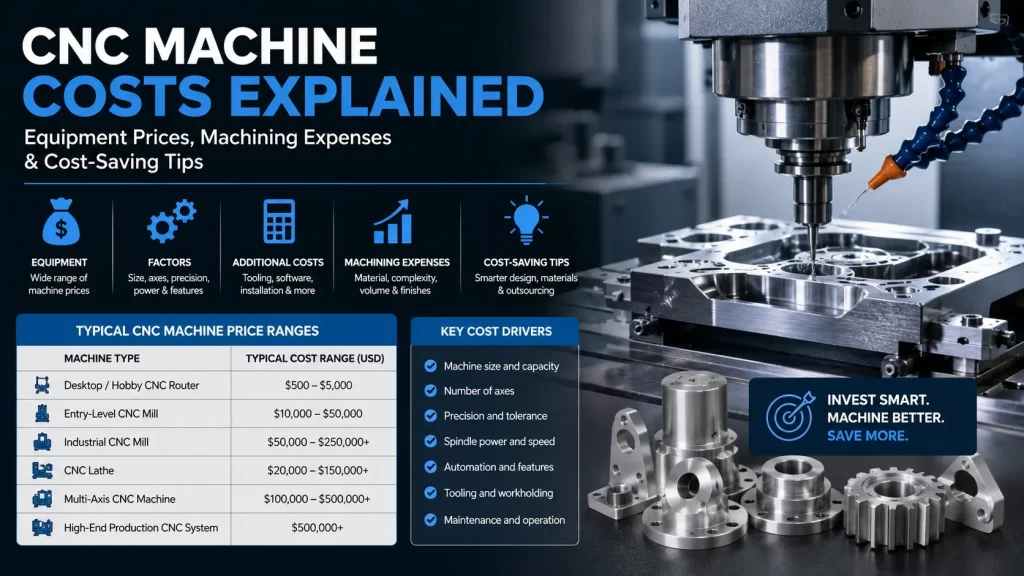
This guide outlines the important factors that will affect the price of your CNC machine and gives you tips on how to budget for buying parts and for CNC machining.
What Is a CNC Machine?
A CNC machine is a piece of equipment that is operated by computer software to move cutting tools, drills, routers or lathes. CNC is used for manufacturing high precision, repeatable part to various materials including metal, plastic, wood, and composites.
There are various types of CNC machines, such as:
- CNC mills for cutting and shaping solid materials.
- CNC lathes for producing cylindrical parts.
- CNC routers for woodworking, plastics, and sheet materials.
- CNC plasma cutters for cutting conductive metals.
- Multi-axis CNC machines for complex, high-precision components.
Typical CNC Machine Price Ranges
CNC machine prices vary significantly depending on capability and scale. The table below provides general estimates:
| Machine Type | Typical Cost Range |
|---|---|
| Desktop or hobby CNC router | $500–$5,000 |
| Entry-level CNC mill | $10,000–$50,000 |
| Industrial CNC mill | $50,000–$250,000+ |
| CNC lathe | $20,000–$150,000+ |
| Multi-axis CNC machine | $100,000–$500,000+ |
| High-end production CNC system | $500,000+ |
A desktop CNC router can be used for hobbyists and small workshops. Industrial mills and lathes are usually necessary for larger manufacturing operations to assure continuous production and close tolerances.
Factors That Affect CNC Machine Costs
Machine Size and Capacity
Larger machines tend to be more expensive since they will be able to work larger workpieces and need more powerful frames, motors and support systems. The cost of a small benchtop CNC machine is significantly less than that of an industrial size-machine.
Number of Axes
The number of axes determines how complex a part the machine can produce.
- 3-axis CNC machines are common for basic milling operations.
- 4-axis and 5-axis CNC machines allow more intricate geometries and reduce the need for multiple setups.
Multi-axis capability increases the purchase price but can improve productivity for complex components.
Precision and Tolerance
Very close tolerances are frequently needed on machines used in the aerospace, medical and automotive industries. Increasing precision demands more sophisticated controls, more efficient spindle systems and greater structural rigidity, which costs more.
Spindle Power and Speed
The spindle power impacts to the machine's capability to cut hard materials and to remove material efficiently. The more expensive industrial machines tend to have high speed spindles and strong motors.
Automation Features
Automatic tool changers, pallet changers, robotic loading systems and integrated software can be very effective in improving productivity. The added features add to the upfront expense, but can save on labor down the road.
Additional Costs Beyond the Machine Price
Purchasing a CNC machine involves more than the sticker price. Additional expenses can include:
- Tooling such as end mills, drills, inserts, and cutting tools.
- Workholding equipment including vises, chucks, clamps, and fixtures.
- Software for CAD, CAM, and machine control.
- Installation and training for machine setup and operator education.
- Maintenance such as lubrication, calibration, replacement parts, and repairs.
- Facility requirements including power supply, ventilation, coolant systems, and floor space.
These costs should be included when calculating the total cost of ownership for a CNC machine.
CNC Machining Service Costs
Instead of purchasing a machine, many businesses choose to outsource their CNC machining needs. CNC machining service costs are usually based on several factors:
- Material type: Aluminum, steel, titanium, plastics, and composites have different machining characteristics and material prices.
- Part complexity: Intricate geometries, tight tolerances, and special features increase machining time.
- Setup time: Custom fixtures, programming, and tool changes add to the cost, especially for small production runs.
- Production volume: Higher quantities often reduce the cost per part because setup costs are spread across more units.
- Finishing operations: Anodizing, powder coating, heat treatment, and polishing add additional processing costs.
For prototypes and low-volume production, outsourcing is often more cost-effective than purchasing and maintaining a CNC machine.
How to Reduce CNC Machining Costs
Optimize Part Design
When designing part geometry, it can be simplified to minimize machining time and tooling. It may be easier and cheaper to make the part than if it were required to be produced with unnecessary tight tolerances and deep cavities.
Choose Suitable Materials
Production costs can be reduced by choosing a material that will perform as desired and will also be easy to machine. For instance, aluminum may be a less costly material to machine than titanium.
Increase Production Quantities
If possible, making parts in larger quantities will reduce the cost per part by distributing the setup and programming costs over more parts.
Use Standard Tooling
When designing parts to fit the standard cutting tools and drilling sizes, the cost of custom tooling can be saved, and the efficiency of the process of parts manufacturing can be improved.
Consider Outsourcing
To handle occasional projects, outsourcing the work to a CNC machining services company can be the best way to avoid investment, maintenance, or operator training of equipment.
Should You Buy a CNC Machine or Outsource?
This choice will be made based on the requirements of production, budget and expertise.
Buying a CNC Machine Is Often Better If:
- You require frequent or high-volume production.
- You need full control over production scheduling.
- You have the budget for equipment, tooling, and maintenance.
- You have trained operators or plan to invest in training.
Outsourcing CNC Machining Is Often Better If:
- You need prototypes or small production runs.
- You want to avoid large upfront equipment costs.
- You do not have in-house machining expertise.
- You need access to specialized machines without purchasing them.
Conclusion
The price of CNC machines varies from a few hundred dollars for hobby machines to hundreds of thousands of dollars in advanced industrial CNC machines. The final cost is subject to the machine type, size, precision, automation features, tooling, maintenance and production requirements.
When assessing CNC manufacturing, companies should not only take into account the cost of the initial investment but also the cost of ownership. For prototypes and low-volume production, outsourcing CNC machining services can often offer a flexible and cost-effective solution.
Familiarizing themselves with the key factors and trends influencing CNC machine pricing will enable manufacturers and engineers to make informed decisions that optimize quality, productivity, and cost.
- PREV: best cnc machine brands
- NEXT: how much is a cnc machine
Talk to the Manufacturer, Not a Middleman
Resources & Insights
-
 Hide blog post
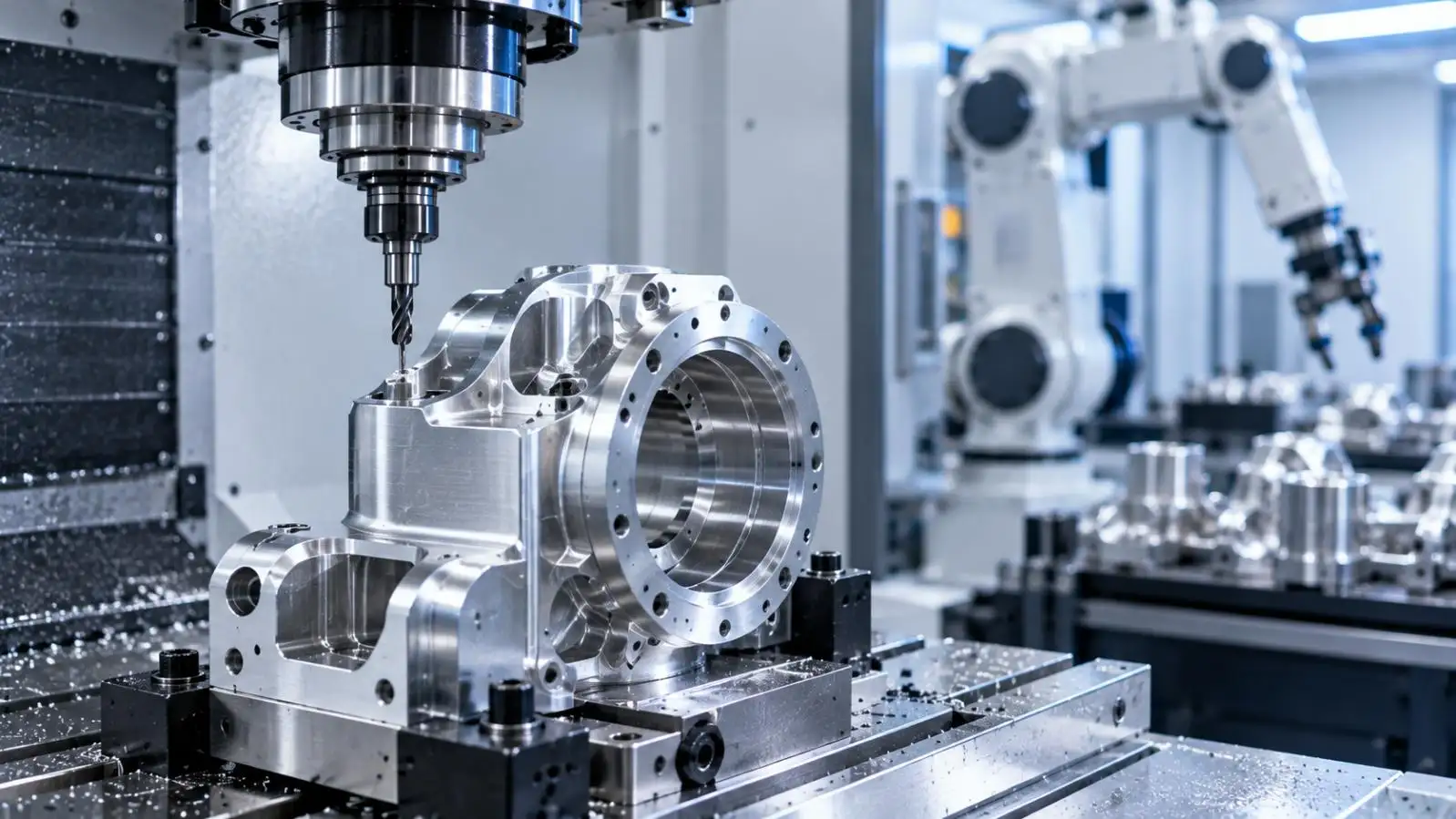
CNC Machining Robotic Parts: How GD&T Controls Robot Assembly Accuracy
2026-09-24By KT Engineering -
 Hide blog post
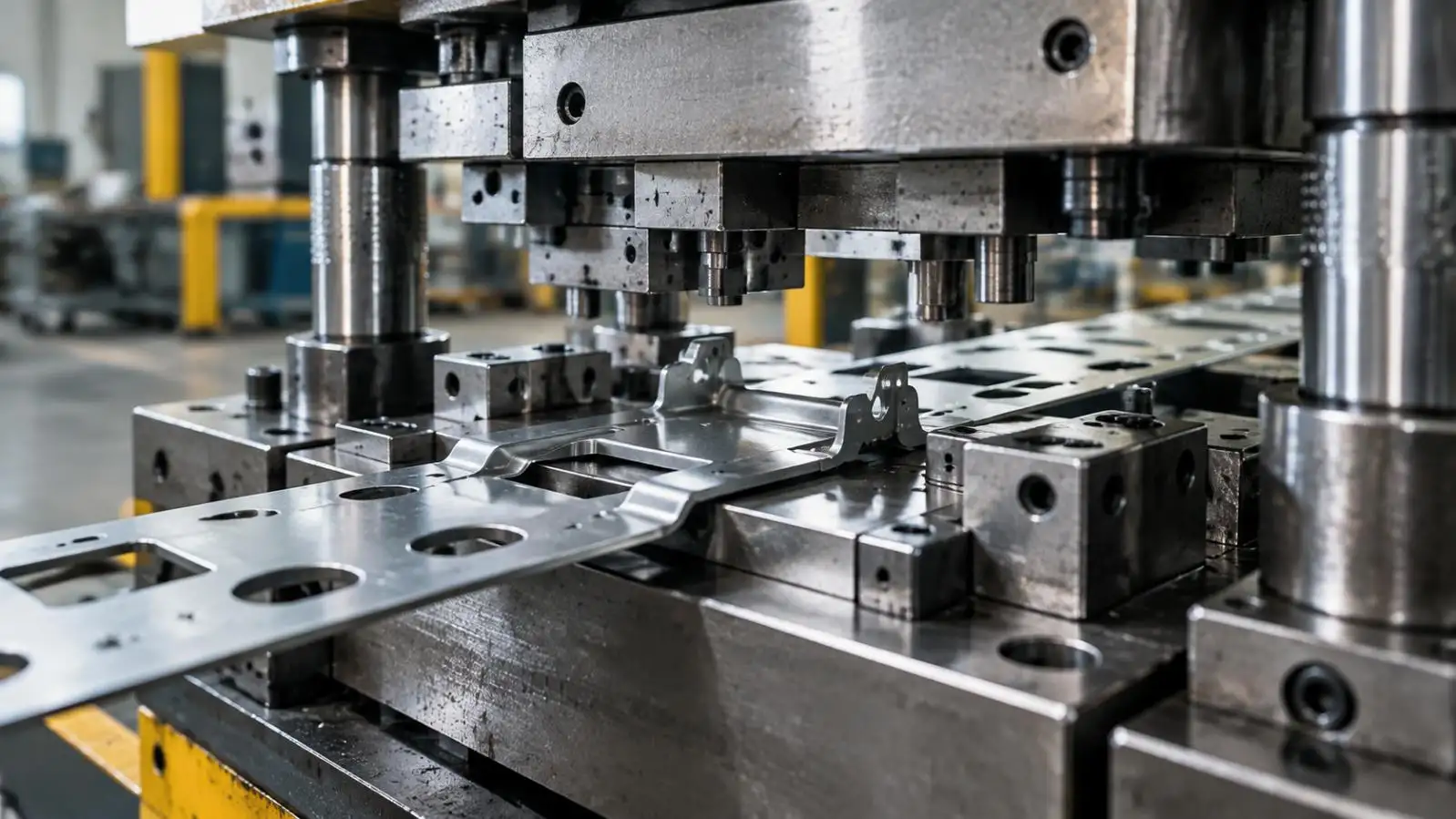
Hardware Stamping Springback Control for High-Strength Steel Parts
2026-09-24By KT Engineering -
 Hide blog post
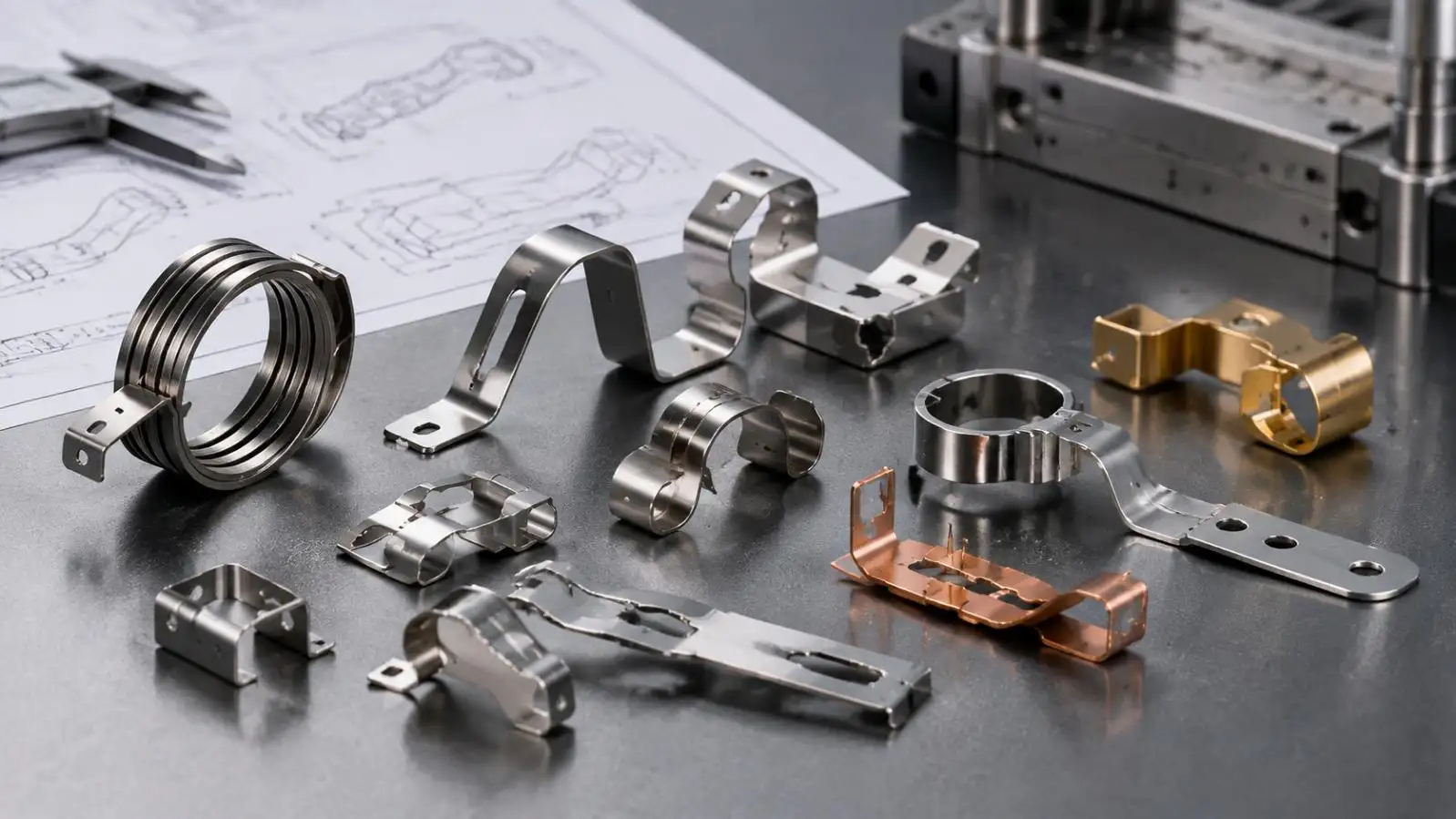
Spring Stamping Fatigue Life: How Geometry, Material and Edge Quality Affect Cycle Life
2026-09-24By KT Engineering -
 Hide blog post
Mechanical Automation Parts for Robot End Effectors and Positioning Accuracy
2026-09-23By KT Engineering