Contact Us
  Home /
 Custom Injection Molding Companies


Table of Contents
- What Is a Custom Injection Molding Company?
- How Custom Injection Molding Works
- Benefits of Working with a Custom Injection Molding Company
- Industries That Depend on Custom Injection Molding
- Services Offered by Modern Injection Molding Companies
- Key Factors to Consider When Choosing a Custom Injection Molding Company
- Questions to Ask Before Requesting a Quote
- Common Challenges in Injection Molding Projects
- Future Trends in Custom Injection Molding
- Final Thoughts

Today, custom injection molding is one of the most dependable manufacturing methods for the production of quality plastic parts in volume. Whether it's creating medical devices, automotive components, consumer electronics, or industrial equipment, businesses depend on the expertise of injection molding companies to bring their product concepts to life.
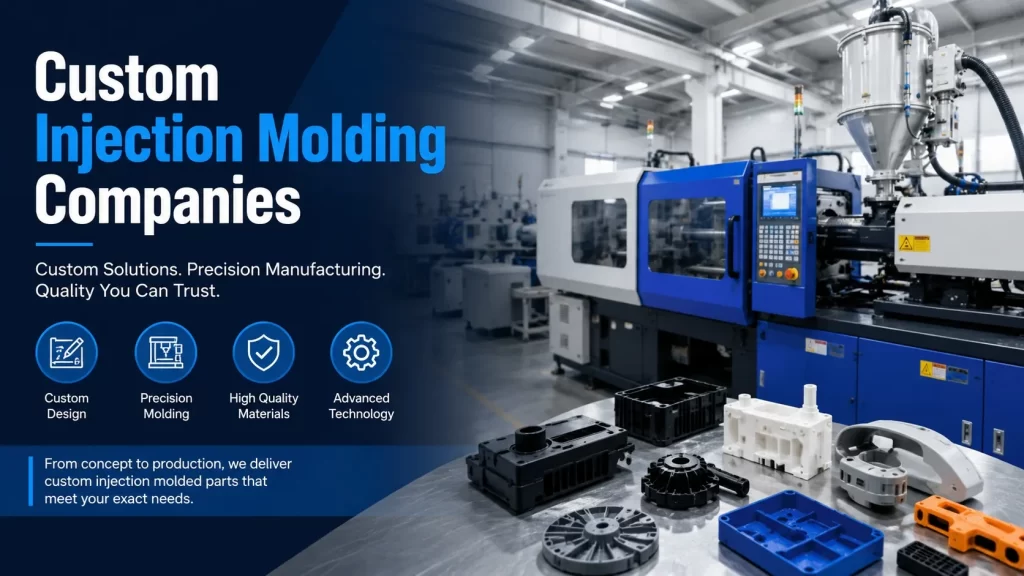
But not all the manufacturers are capable of the same things. The best custom injection molding companies offer so much more than molding—they offer engineering expertise, design optimization, tooling solutions, quality assurance and scalable production.
It outlines what custom injection molding companies are, how to be sure that you are choosing a good supplier, and some of the most important considerations to keep in mind before choosing the ideal manufacturing partner for your next project. The content reflects the state-of-the-art in manufacturing and industry's capabilities.
What Is a Custom Injection Molding Company?
A custom injection molding company is a business that designs, manufactures, and produces plastic parts that do not conform to standard products, but are designed to meet the needs of the customer.
Custom molding suppliers do not only work with the product developers, engineers and OEMs but are also involved in creating components that fit exact requirements for:
- Dimensions and tolerances
- Material selection
- Surface finish
- Mechanical performance
- Regulatory compliance
- Production volume
Many full-service manufacturers also provide:
- Design for Manufacturability (DFM)
- Mold design
- Rapid prototyping
- Aluminum and steel tooling
- Insert molding
- Overmolding
- Secondary machining
- Assembly and packaging
These integrated services help reduce development time while improving production efficiency.
How Custom Injection Molding Works
The injection molding process consists of several essential stages:
1. Product Design
Engineers design a 3D CAD design to take into account wall thickness, draft angles, gate positioning, ribs, bosses, and material shrinkage.
2. Mold Manufacturing
CNC machining, EDM, grinding and polishing are used to make a precision mold.
Commonly used to the tooling materials include:
- Aluminum molds
- P20 steel
- H13 steel
- Stainless steel
3. Plastic Injection
Thermoplastic pellets are placed into the injection molding machine and under high injection pressure, they are injected into the mould cavity.
4. Cooling
The plastic is hardened in the mold without loss of dimensions.
5. Ejection
Ejected parts are automatically finished for inspection and post-processing.
The process runs very fast and enables the production of thousands or even millions of identical parts of good quality.
Benefits of Working with a Custom Injection Molding Company
High Precision
For industries that demand tight tolerances, like aerospace, medical and electronics, modern injection molding machines are able to maintain these tolerances consistently.
Cost Efficiency for Large Production Runs
Tooling has a start-up cost, but becomes cheaper as the number of parts made increases.
Excellent Repeatability
After the parameters of the process have been optimized, the manufacturer can manufacture the same parts with nearly uniform parameters.
Wide Material Selection
Leading suppliers offer hundreds of engineering-grade materials, including:
- ABS
- Polycarbonate (PC)
- Polypropylene (PP)
- Nylon (PA)
- PEEK
- Acetal (POM)
- TPU
- TPE
- Glass-filled polymers
Material selection directly impacts strength, flexibility, temperature resistance, and chemical performance.
Complex Geometry
Injection molding enables intricate features such as:
- Living hinges
- Snap fits
- Internal ribs
- Thin walls
- Threads
- Textured surfaces
- Integrated clips
These features often eliminate secondary assembly operations.
Industries That Depend on Custom Injection Molding
Automotive
Applications include:
- Dashboard components
- Air vents
- Sensor housings
- Interior trim
- Connectors
- Fluid reservoirs
Medical
Manufacturers produce:
- Surgical instruments
- Diagnostic equipment
- Drug delivery devices
- Laboratory consumables
- Medical enclosures
Consumer Electronics
Injection molding supports production of:
- Device housings
- Connectors
- Battery covers
- Wearable components
- Cable management systems
Industrial Equipment
Common products include:
- Protective covers
- Control panels
- Machine guards
- Electrical enclosures
Consumer Goods
Examples include:
- Kitchen appliances
- Sporting goods
- Toys
- Storage containers
- Home products
Services Offered by Modern Injection Molding Companies
Leading manufacturers often provide complete manufacturing solutions rather than simple molding services.
Typical capabilities include:
Rapid Prototyping
Prototype tooling enables engineers to validate designs before investing in production molds.
Production Tooling
Steel molds provide long service life for high-volume manufacturing.
Insert Molding
Metal inserts are molded directly into plastic components, improving strength and reducing assembly time.
Overmolding
A second material is molded over an existing component to improve grip, sealing, insulation, or appearance.
Mold Maintenance
Professional suppliers inspect, repair, and maintain molds to maximize tool life and part consistency.
Secondary Operations
Additional services may include:
- CNC machining
- Ultrasonic welding
- Laser marking
- Pad printing
- Painting
- Assembly
- Quality inspection
- Packaging
Key Factors to Consider When Choosing a Custom Injection Molding Company
Selecting the right manufacturing partner involves more than comparing prices.
Engineering Support
Look for companies that provide Design for Manufacturability (DFM) analysis to reduce production risks before tooling begins.
Manufacturing Experience
Experienced suppliers understand:
- Material behavior
- Mold flow optimization
- Cooling efficiency
- Defect prevention
- Production scalability
Tooling Capabilities
Ask whether the manufacturer offers:
- Aluminum prototype tooling
- Bridge tooling
- Production steel tooling
- Multi-cavity molds
- Family molds
These options help balance cost, speed, and production volume.
Quality Management
Reliable manufacturers typically operate under certified quality systems such as ISO 9001 or industry-specific standards.
Inspection capabilities should include:
- CMM measurement
- First Article Inspection (FAI)
- SPC monitoring
- Material traceability
- Process validation
Material Expertise
An experienced supplier helps identify the best resin based on:
- Mechanical strength
- Heat resistance
- Chemical exposure
- UV stability
- Regulatory requirements
Production Capacity
Evaluate whether the company supports:
- Prototype quantities
- Low-volume production
- Bridge manufacturing
- High-volume manufacturing
Scalability prevents costly supplier changes as demand grows.
Questions to Ask Before Requesting a Quote
Before selecting a supplier, consider asking:
- What production volumes do you specialize in?
- What molding machines are available?
- Can you provide DFM feedback?
- Which materials do you recommend?
- What are typical tooling lead times?
- Do you support insert or overmolding?
- What quality certifications do you maintain?
- Can you assemble finished products?
- How do you handle engineering changes?
- What inspection reports are included?
These questions help determine whether the supplier is equipped to meet your technical and production requirements.
Common Challenges in Injection Molding Projects
Even well-designed projects may encounter manufacturing issues such as:
- Sink marks
- Warpage
- Short shots
- Flash
- Weld lines
- Air traps
- Excessive shrinkage
An experienced injection molding company reduces these risks by using appropriate mold design, the right process parameters and thorough quality control.
Future Trends in Custom Injection Molding
The injection molding industry is still in an ongoing evolution, enhanced by further manufacturing technology.
Emerging trends include:
- AI-assisted process optimization
- Smart factory automation
- Digital mold monitoring
- Predictive maintenance
- Sustainable recycled polymers
- Bio-based engineering plastics
- Energy-efficient molding equipment
- Real-time quality analytics
These innovations increase production efficiency, minimize waste production and product consistency. Moreover, new studies have revealed that AI-based process optimization can significantly enhance manufacturing efficiency without compromising part quality.
Final Thoughts
The benefits of finding the right custom injection moulding company can greatly affect the quality of your product, production cost and time to market. The best manufacturers can not only mold your parts but can also help you with engineering advice, tool expertise, material recommendations, and quality assurance, as well as offer a range of production capacities.
From prototype creation to high volume production programs, working with an experienced injection molding supplier helps to guarantee smoother product development, minimize manufacturing problems, and ensure long term production success. Assessing the engineering skills, tooling knowledge, quality management, and manufacturing capacity can help you make informed decisions on who can assist your enterprise on its upward trajectory.
Talk to the Manufacturer, Not a Middleman
Resources & Insights
-
 Hide blog post
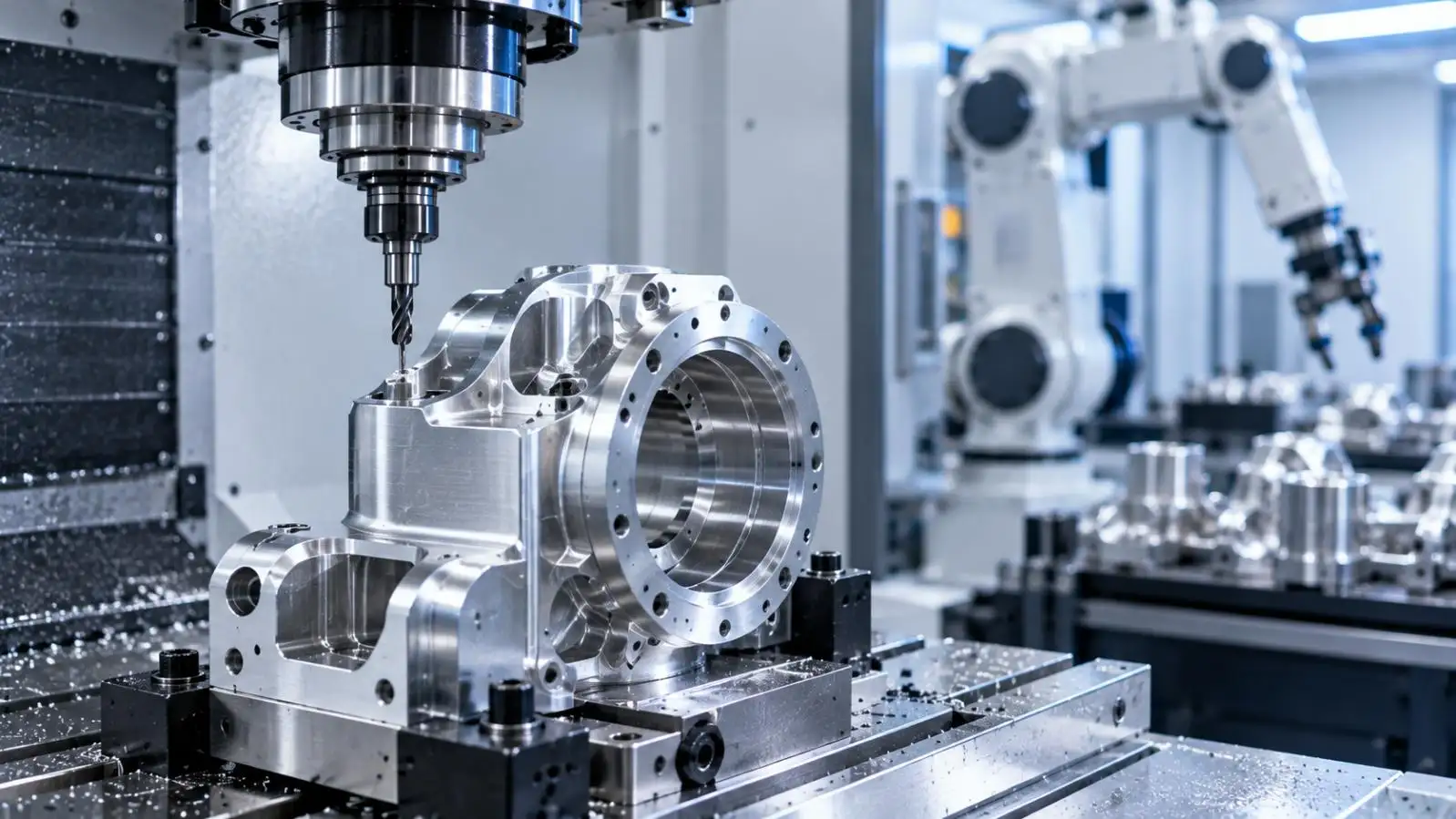
CNC Machining Robotic Parts: How GD&T Controls Robot Assembly Accuracy
2026-09-24By KT Engineering -
 Hide blog post
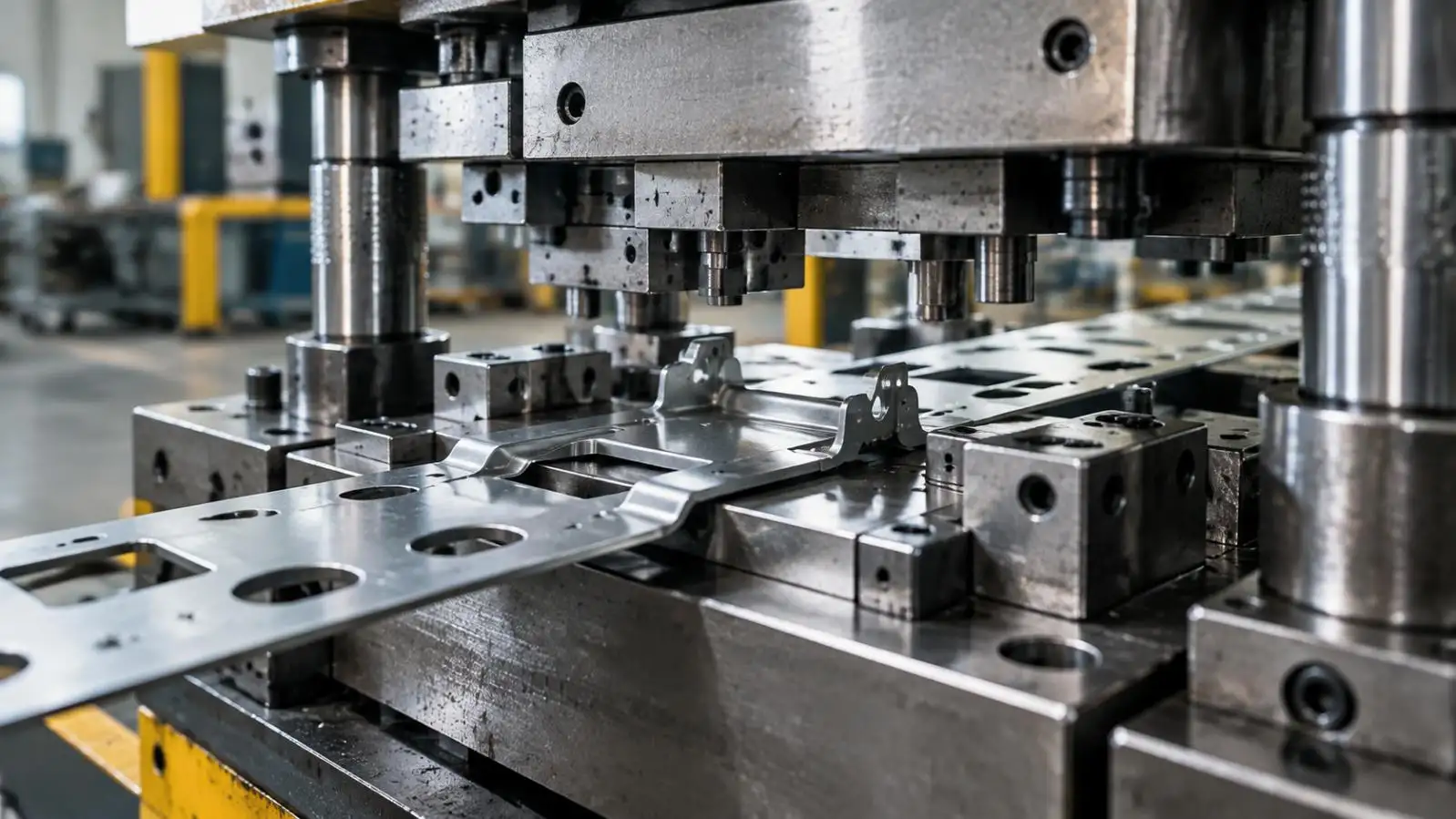
Hardware Stamping Springback Control for High-Strength Steel Parts
2026-09-24By KT Engineering -
 Hide blog post
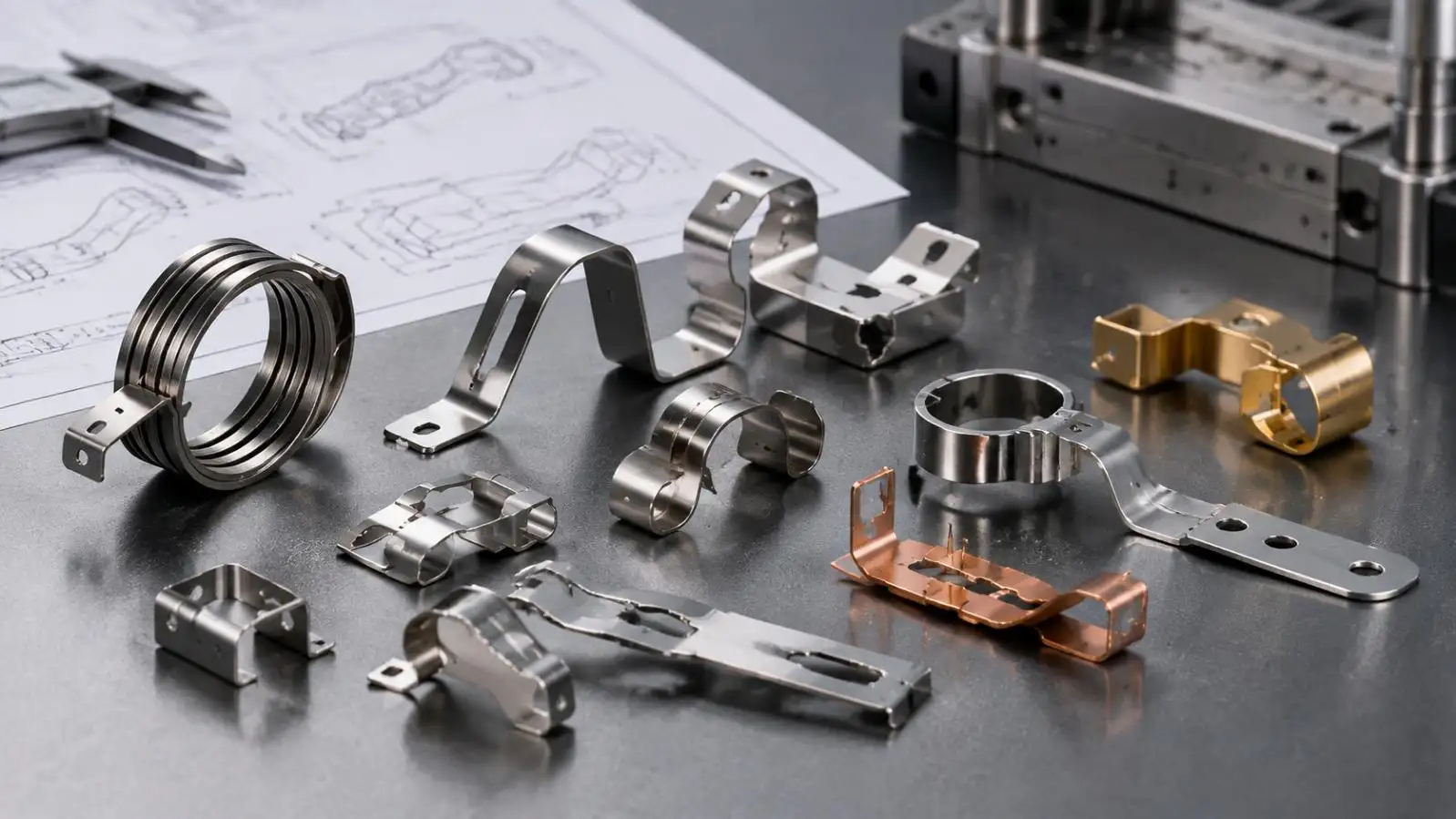
Spring Stamping Fatigue Life: How Geometry, Material and Edge Quality Affect Cycle Life
2026-09-24By KT Engineering -
 Hide blog post
Mechanical Automation Parts for Robot End Effectors and Positioning Accuracy
2026-09-23By KT Engineering