Contact Us
  Home /
 CNC Precision Machining Guide


Table of Contents
- What Is CNC Precision Machining?
- How CNC Precision Machining Works
- Advantages of CNC Precision Machining
- Common Materials Used in CNC Precision Machining
- Industries That Use CNC Precision Machining
- CNC Precision Machining vs Conventional Machining
- Factors That Affect Machining Accuracy
- Tips for Choosing a CNC Precision Machining Supplier
- Future Trends in CNC Precision Machining
- Conclusion

Precision is a key attribute in today's manufacturing. Industries that demand components with very tight tolerances and a high degree of consistency include aerospace, automotive, medical, robotics, electronics and industrial automation. This is where CNC precision machining is a must.
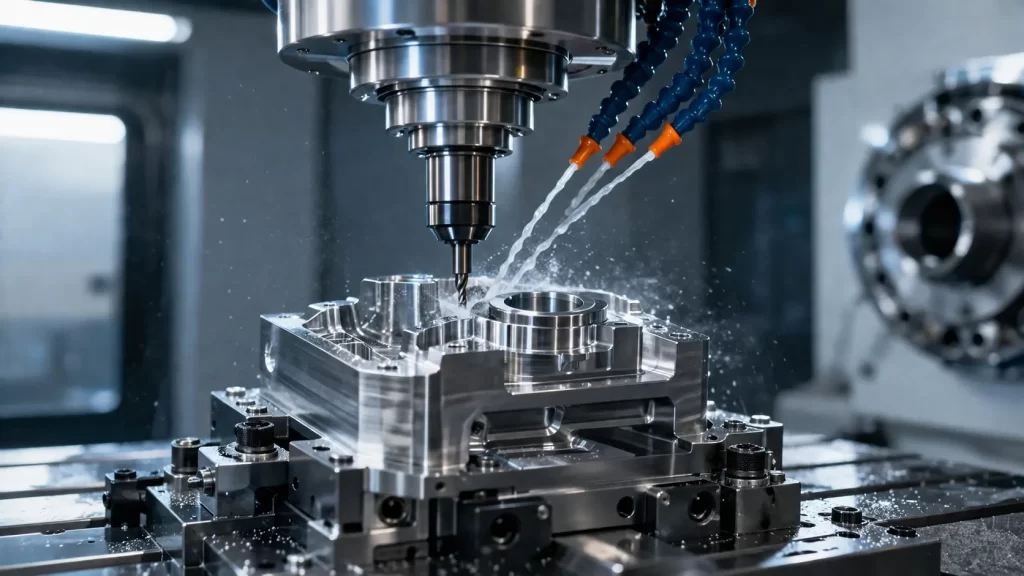
CNC (Computer Numerical Control) precision machining is a manufacturing process that is performed using computer-controlled machinery to create complex components that are very accurate, repeatable and have a very good surface finish. CNC precision machining can ensure high quality and save production time, and can be used to produce one prototype or thousands of production parts.
This guide will discuss the basics of CNC precision machining, its benefits, typical materials used, and where it's being applied in industry, while also providing tips on selecting the right manufacturing partner.
What Is CNC Precision Machining?
CNC precision machining is a cutting-edge manufacturing process that utilizes computer-controlled cutting tools to remove material from a solid block of material. All the machine movements are performed in accordance to digital instructions, so that manufacturers can manufacture highly accurate parts with as little man as possible involvement.
Compared with the traditional manual machine, CNC precision machining has the following advantages:
- Superior dimensional accuracy
- Excellent repeatability
- Complex geometry capabilities
- Faster production cycles
- Reduced material waste
- Consistent product quality
Modern CNC machines include:
- CNC Milling Machines
- CNC Turning Centers
- 3-Axis Machining Centers
- 4-Axis CNC Machines
- 5-Axis CNC Machines
- Multi-tasking Machining Centers
A lot of advanced manufacturers use more than one type of CNC in order to make more complex parts in fewer setups, which enhances efficiency and accuracy.
How CNC Precision Machining Works
The typical CNC precision machining process is as follows:
1. CAD Design
The first step is to develop a detailed 3D model with a computer aided design (CAD) program. All dimensions, tolerances, hole locations and features are clearly specified.
2. CAM Programming
The CAM software translates the CAD model into tool paths and G-code for CNC machines, optimizing the workflows to achieve the best possible results.
3. Material Selection
The appropriate material is selected based on the application requirements, including:
- Strength
- Weight
- Heat resistance
- Corrosion resistance
- Electrical conductivity
- Cost
4. Machine Setup
Operators install the workpiece, cutting tools, fixtures, and measurement systems while calibrating machine offsets.
5. Precision Machining
The CNC machine automatically performs operations such as:
- Milling
- Turning
- Drilling
- Boring
- Tapping
- Threading
- Engraving
6. Quality Inspection
Finished components undergo rigorous inspection using advanced measuring equipment such as:
- Coordinate Measuring Machines (CMM)
- Optical measurement systems
- Laser scanners
- Surface roughness testers
- Digital calipers and micrometers
Advantages of CNC Precision Machining
Exceptional Accuracy
Modern CNC equipment routinely achieves tolerances as tight as ±0.005 mm or even tighter for specialized applications.
This level of precision is essential for industries where even microscopic deviations can affect product performance.
Excellent Repeatability
Once programmed, CNC machines can manufacture identical components repeatedly with virtually no variation.
This makes CNC ideal for:
- Batch production
- Mass manufacturing
- Quality-critical components
Complex Geometry Production
CNC precision machining easily produces:
- Deep cavities
- Intricate contours
- Complex pockets
- Thin walls
- Curved surfaces
- Multi-angle features
Five-axis machining further expands design freedom by allowing multiple surfaces to be machined in a single setup.
Faster Production
Automation significantly reduces:
- Manual operations
- Machine setup time
- Human error
- Secondary machining
This shortens lead times while increasing overall productivity.
Superior Surface Finish
Precision cutting tools and optimized machining parameters produce smooth surfaces that often require little or no additional finishing.
Common post-processing options include:
- Anodizing
- Powder coating
- Sandblasting
- Polishing
- Bead blasting
- Electroplating
Common Materials Used in CNC Precision Machining
One major advantage of CNC machining is its compatibility with numerous engineering materials.
Metals
- Aluminum
- Stainless Steel
- Carbon Steel
- Titanium
- Brass
- Copper
- Magnesium
- Tool Steel
These materials are commonly selected for their mechanical strength, corrosion resistance, or lightweight properties.
Engineering Plastics
- ABS
- Nylon
- POM (Delrin)
- PTFE
- PEEK
- Polycarbonate
- Acrylic
- HDPE
Plastic machining is ideal for lightweight components, electrical insulation, and medical applications.
Industries That Use CNC Precision Machining
Aerospace
Aircraft components require strict tolerances and lightweight materials.
Common aerospace parts include:
- Engine components
- Structural brackets
- Housings
- Hydraulic fittings
Automotive
Manufacturers use CNC machining for:
- Engine blocks
- Transmission components
- Suspension parts
- Prototype vehicles
- Performance upgrades
Medical Devices
Medical applications demand exceptional precision and biocompatibility.
Typical products include:
- Surgical instruments
- Orthopedic implants
- Dental components
- Diagnostic equipment parts
Electronics
Miniaturized electronic products rely on CNC machining for:
- Heat sinks
- Connectors
- Enclosures
- Precision fixtures
- Semiconductor equipment
Industrial Equipment
Factories require durable custom-machined components such as:
- Shafts
- Gears
- Valve bodies
- Custom tooling
- Automation fixtures
CNC Precision Machining vs Conventional Machining
| Feature | CNC Precision Machining | Conventional Machining |
|---|---|---|
| Accuracy | Extremely High | Moderate |
| Repeatability | Excellent | Operator Dependent |
| Production Speed | Fast | Slower |
| Labor Requirement | Low | High |
| Complex Parts | Easy | Difficult |
| Automation | High | Minimal |
| Material Waste | Lower | Higher |
For high-performance manufacturing, CNC precision machining consistently delivers better quality and productivity than traditional manual machining.
Factors That Affect Machining Accuracy
Several variables influence final part precision:
Machine Quality
Modern CNC machining centers feature rigid structures, thermal stability, and advanced motion control systems.
Cutting Tools
Sharp, high-quality cutting tools improve dimensional accuracy while reducing tool wear.
Material Properties
Hardness, thermal expansion, and machinability all affect machining performance.
Programming
Optimized toolpaths reduce vibration, improve cutting efficiency, and enhance surface quality.
Environmental Conditions
The changes in dimensions of material under different temperatures are slight, which is desirable for ultra precision processes in climate controlled production areas.
Tips for Choosing a CNC Precision Machining Supplier
Selecting the right machining partner can significantly impact product quality and delivery.
Consider suppliers that offer:
- Advanced multi-axis CNC equipment
- Experienced engineering support
- Strict quality management systems
- Material certification
- Competitive lead times
- Prototype and production capabilities
- Comprehensive inspection reports
- International shipping experience
A reputable manufacturer will also help with Design for Manufacturability (DFM) to ensure that parts work effectively in their function with an overall cost reduction in manufacturing.
Future Trends in CNC Precision Machining
Manufacturing continues to evolve through digital technologies and automation.
Emerging trends include:
- AI-assisted machining optimization
- Smart factory integration
- Real-time process monitoring
- Digital twins
- Predictive maintenance
- Automated inspection systems
- Hybrid additive and subtractive manufacturing
These innovations enable manufacturers to realize even higher machining precision, higher productivity and less downtime.
Conclusion
Complex, high-precision components are being manufactured in almost every industry by one of the most reliable manufacturing technologies: CNC precision machining. It is also extremely precise, automated, flexible and repeatable, making it suitable for rapid prototyping, as well as full-scale production.
From creating aerospace components to medical devices, automotive parts, and industrial equipment, professional CNC precision machining services guarantee product excellence, quicker production timelines, and long-term manufacturing effectiveness.
With the cooperation of a professional CNC machining company with advanced technology and strong quality management processes, companies can efficiently and competitively meet the stringent engineering demands and requirements of the current global manufacturing market.
Talk to the Manufacturer, Not a Middleman
Resources & Insights
-
 Hide blog post
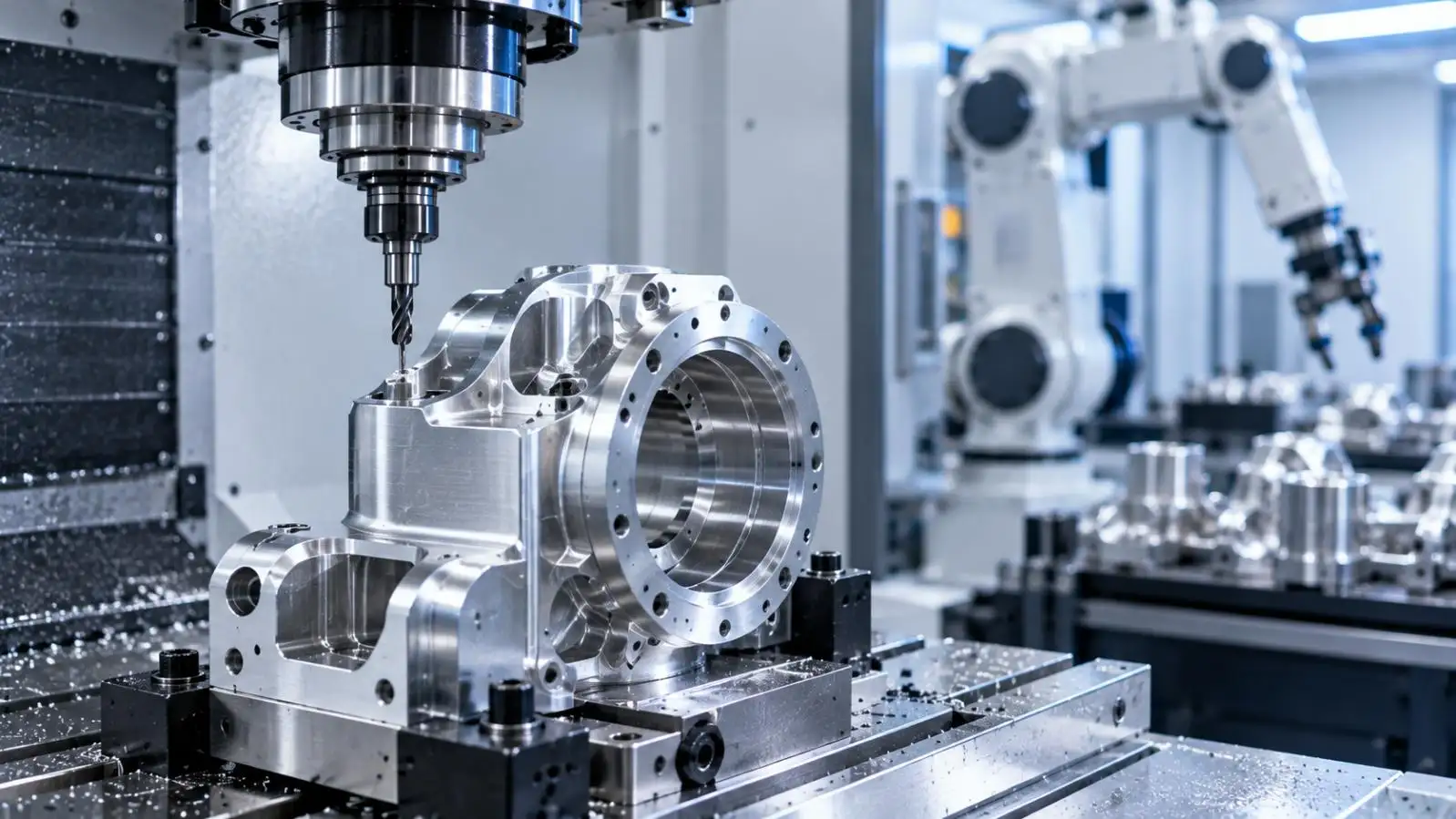
CNC Machining Robotic Parts: How GD&T Controls Robot Assembly Accuracy
2026-09-24By KT Engineering -
 Hide blog post
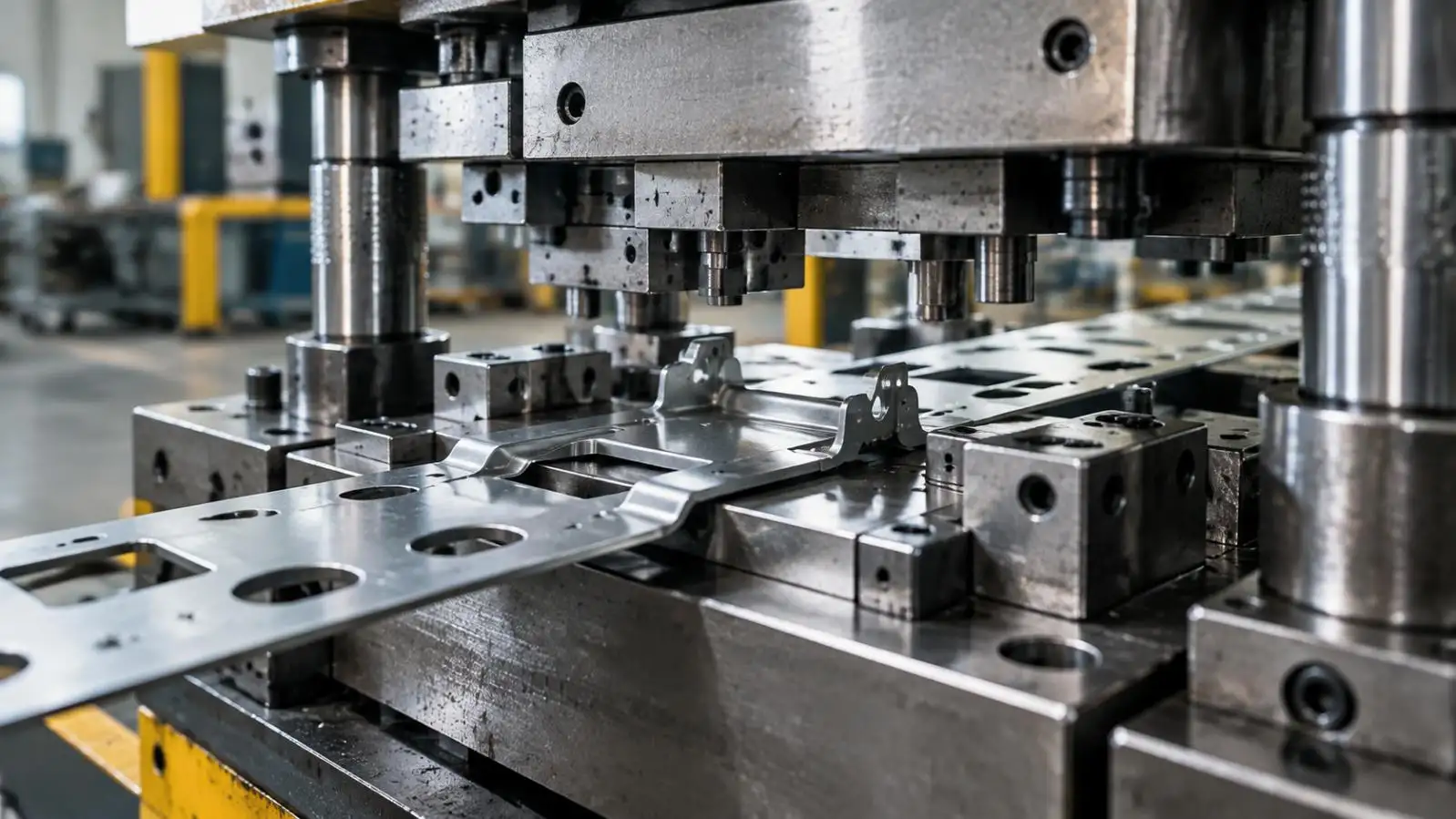
Hardware Stamping Springback Control for High-Strength Steel Parts
2026-09-24By KT Engineering -
 Hide blog post
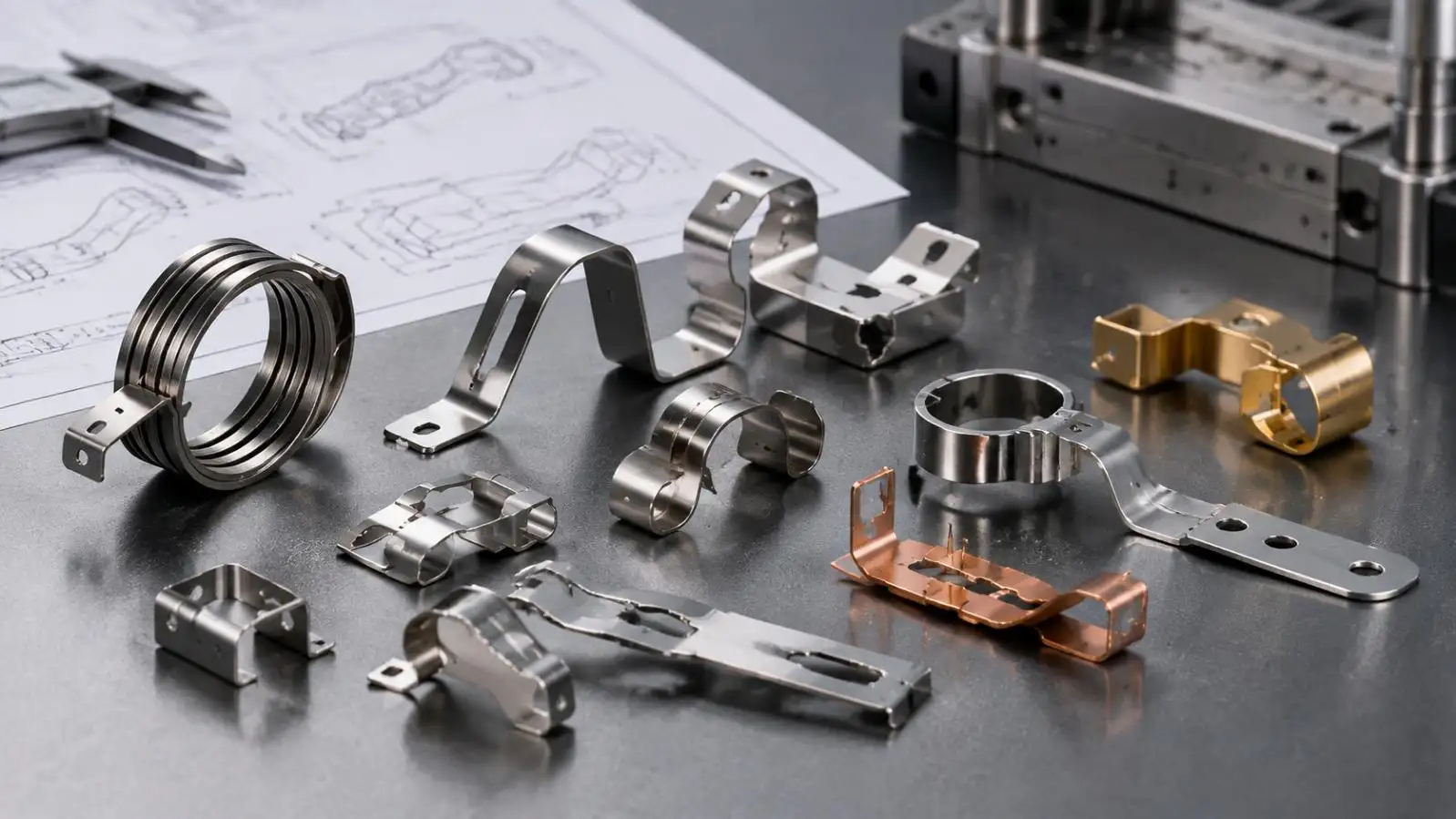
Spring Stamping Fatigue Life: How Geometry, Material and Edge Quality Affect Cycle Life
2026-09-24By KT Engineering -
 Hide blog post
Mechanical Automation Parts for Robot End Effectors and Positioning Accuracy
2026-09-23By KT Engineering