Contact Us
  Home /
 Best CNC Machine for Metal Work


Table of Contents
- What Is a CNC Machine for Metal Work?
- Why Use CNC Machines for Metal Processing?
- Types of CNC Machines for Metal Work
- What Metals Can Be Machined?
- Key Features to Look For
- Industries That Use Metal CNC Machines
- How to Choose the Right CNC Machine
- Maintenance Tips
- Future Trends in Metal CNC Machining
- Conclusion

The precision, uniformity and efficiency of metal fabrication are essential. From inventing aerospace parts to automotive components, molds and custom prototypes, it can make a huge difference in productivity and quality of the parts being machined to select the right CNC machine.
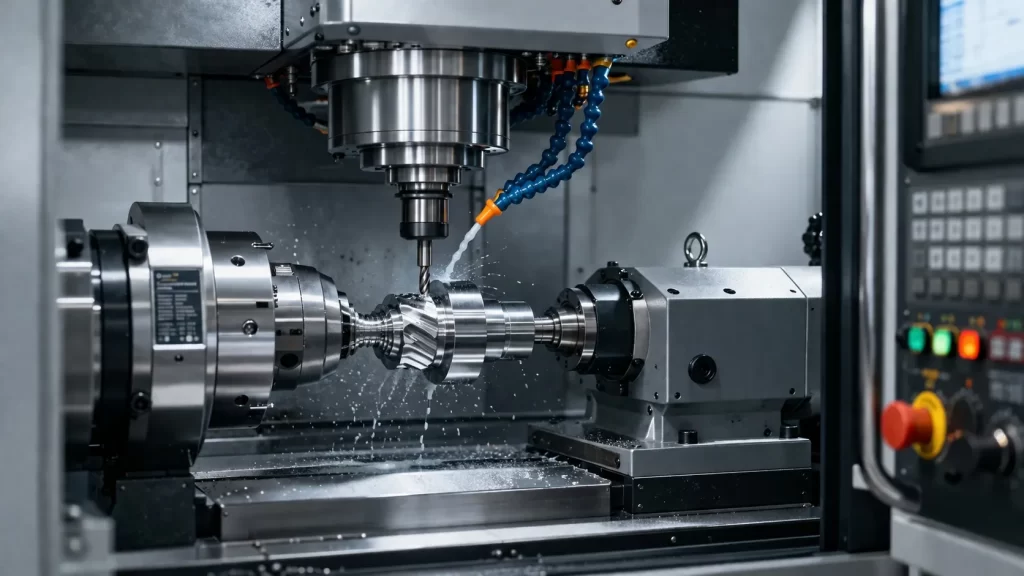
Modern CNC technology has much surpassed old fashioned hand tool machining. Today's CNC machines add up to micron precision, automatic cutting tool changes, intelligent control and support for a wide variety of metals and are essential for manufacturers of any size.
This guide offers an explanation of how to select the best CNC machine for metalwork, along with a comparison of the various types of machines, and some of the important considerations before investing.
What Is a CNC Machine for Metal Work?
The CNC (Computer Numerical Control) machine is an automated manufacturing process that utilizes programmed instructions to precisely cut, mill, drill, engrave or shape metal workpieces.
Compared to manual machining, CNC systems reduce the risk of human error and enhance the production speed and repeatability.
The metal CNC machines are generally used for metal machining:
- Aluminum
- Stainless steel
- Carbon steel
- Brass
- Copper
- Titanium
- Tool steel
- Alloy steel
CNC machining plays a vital role in industries like automotive, aerospace, electronics, medical devices, energy, and industrial equipment, where complex components are a key part of the manufacturing process.
Why Use CNC Machines for Metal Processing?
CNC is still gaining popularity among manufacturers because CNC technology offers a number of benefits over the traditional method of manufacturing.
Higher Precision
The tolerances of modern CNC machines are as close as ±0.01 mm, depending on the machine's set up and the tooling used.
For industries where absolute dimensional accuracy is critical this precision is crucial.
Excellent Repeatability
After optimizing a machining program, thousands of parts with no variation can be produced.
Not only does this enhance the quality of the product, but also it also will save on waste.
Faster Production
Automated toolpaths, quick positioning and automatic tool changing increase productivity and reduce cycle times.
Lower Labor Costs
With just one skilled operator working on several CNC machines, manufacturing efficiency is increased.
Greater Design Flexibility
Complex 3D geometries, deep cavities, curved surfaces, and intricate pockets can all be produced using advanced CNC machining.
Types of CNC Machines for Metal Work
Different manufacturing tasks require different CNC equipment.
CNC Milling Machines
CNC milling machines are among the most versatile options for metal machining.
Applications include:
- Precision parts
- Mold manufacturing
- Automotive components
- Aerospace parts
- Medical devices
Advantages:
- High rigidity
- Excellent accuracy
- Suitable for complex geometries
- Multiple-axis machining
CNC Routers for Soft Metals
Although traditionally designed for wood and plastics, heavy-duty CNC routers can also machine softer metals such as:
- Aluminum
- Brass
- Copper
These machines typically feature:
- High-speed spindles
- Ball screw transmission
- Linear guide rails
- Aluminum or cast-iron frames
They are ideal for sign making, panels, prototypes, and lightweight industrial components.
Fiber Laser Cutting Machines
Fiber laser cutting machines are widely used for sheet metal fabrication.
Suitable materials include:
- Stainless steel
- Carbon steel
- Aluminum
- Brass
- Copper
Advantages include:
- Extremely fast cutting
- Clean edges
- Minimal heat distortion
- Low maintenance
- High production efficiency
Laser cutting is particularly effective for high-volume manufacturing.
CNC Plasma Cutting Machines
Plasma cutting offers an economical solution for thicker conductive metals.
Ideal for:
- Structural steel
- Steel fabrication
- Heavy equipment
- Shipbuilding
Compared with laser cutting, plasma systems generally provide lower equipment costs while maintaining high cutting speeds for thick plates.
CNC Lathes
CNC lathes specialize in producing cylindrical components.
Common products include:
- Shafts
- Bushings
- Sleeves
- Bearings
- Hydraulic fittings
Their automated turning capabilities deliver outstanding dimensional consistency.
5-Axis CNC Machining Centers
For the highest machining complexity, 5-axis CNC machines remain the preferred solution.
Benefits include:
- Reduced setup time
- Improved surface finish
- Machining multiple sides simultaneously
- Better accuracy
- Increased productivity
These machines are widely used in aerospace, defense, medical implants, and mold manufacturing.
What Metals Can Be Machined?
Modern CNC equipment processes a wide variety of metals.
Aluminum
- Lightweight
- Easy to machine
- Excellent corrosion resistance
Applications:
- Electronics
- Aerospace
- Automotive
Stainless Steel
- High strength
- Corrosion resistant
- Durable
Applications:
- Medical equipment
- Food processing
- Marine components
Carbon Steel
- Strong
- Affordable
- Excellent machinability
Applications:
- Industrial machinery
- Structural parts
Brass
- Excellent machinability
- Attractive finish
Applications:
- Decorative hardware
- Electrical fittings
- Plumbing components
Copper
- Outstanding electrical conductivity
Applications:
- Busbars
- Heat exchangers
- Electrical components
Titanium
- Extremely high strength-to-weight ratio
- Excellent corrosion resistance
Applications:
- Aerospace
- Medical implants
- High-performance engineering
Key Features to Look For
Choosing the right CNC machine involves more than simply comparing prices.
Consider these factors.
Machine Rigidity
A rigid machine frame minimizes vibration and improves machining accuracy.
Cast iron and heavy welded steel structures are generally preferred for metal cutting.
Spindle Power
Different metals require different spindle power.
Typical recommendations:
- Aluminum: 2–6 kW
- Steel: 5–15 kW
- Heavy-duty machining: 15 kW+
Transmission System
Ball screw drives provide:
- High precision
- Low backlash
- Smooth movement
- Better positioning accuracy
Control System
Reliable CNC controllers simplify programming and operation.
Popular systems include:
- Siemens
- FANUC
- Mitsubishi
- Syntec
- Mach3
- NC Studio
Automatic Tool Changer (ATC)
ATC systems significantly reduce production downtime by automatically switching between cutting tools.
This feature is particularly valuable for complex parts requiring multiple machining operations.
Industries That Use Metal CNC Machines
Metal CNC technology supports countless industries.
Major applications include:
- Aerospace manufacturing
- Automotive production
- Medical devices
- Industrial equipment
- Electronics
- Mold making
- Energy equipment
- Railway manufacturing
- Agricultural machinery
- Construction equipment
How to Choose the Right CNC Machine
Every manufacturer has different production requirements.
Ask yourself the following questions before purchasing.
What materials will you process?
Soft metals require different machines than hardened steels.
What is your production volume?
Small workshops may benefit from compact CNC mills, while mass production often requires machining centers with automatic tool changers.
What machining accuracy is required?
High-precision industries demand machines with tighter tolerances and superior rigidity.
How large are your workpieces?
Choose a machine with sufficient table size and travel.
Is future expansion important?
Purchasing a machine with upgrade options can accommodate business growth.
Maintenance Tips
Routine maintenance ensures long-term reliability.
Recommended practices include:
- Clean chips after each shift
- Lubricate guide rails regularly
- Inspect ball screws
- Check spindle cooling systems
- Replace worn cutting tools
- Calibrate machine accuracy periodically
- Update CNC software when available
Preventive maintenance minimizes downtime and extends machine life.
Future Trends in Metal CNC Machining
Manufacturing continues to embrace intelligent automation.
Emerging technologies include:
- AI-assisted machining optimization
- Predictive maintenance
- Digital twin simulation
- Industrial IoT connectivity
- Robotic material handling
- Fully automated production cells
These innovations improve productivity while reducing operating costs.
Conclusion
The following are factors to consider when choosing the best CNC machine for metal work: the type of metal materials to be worked, the production goals, budget, precision requirements. There are different types of manufacturing requirements, such as cnc milling machine, fiber laser cutter, plasma cutter, lathe machine and 5-axis machining center.
Investing in a good CNC machine can offer long-term advantages, such as higher accuracy, faster production rates, lower labor expenses, and greater operational flexibility. Rigidity, spindle performance, control systems and automation are among the issues that must be carefully considered when designing a production line to fulfill today's challenging metalworking requirements and stay competitive for the future.
Talk to the Manufacturer, Not a Middleman
Resources & Insights
-
 Hide blog post
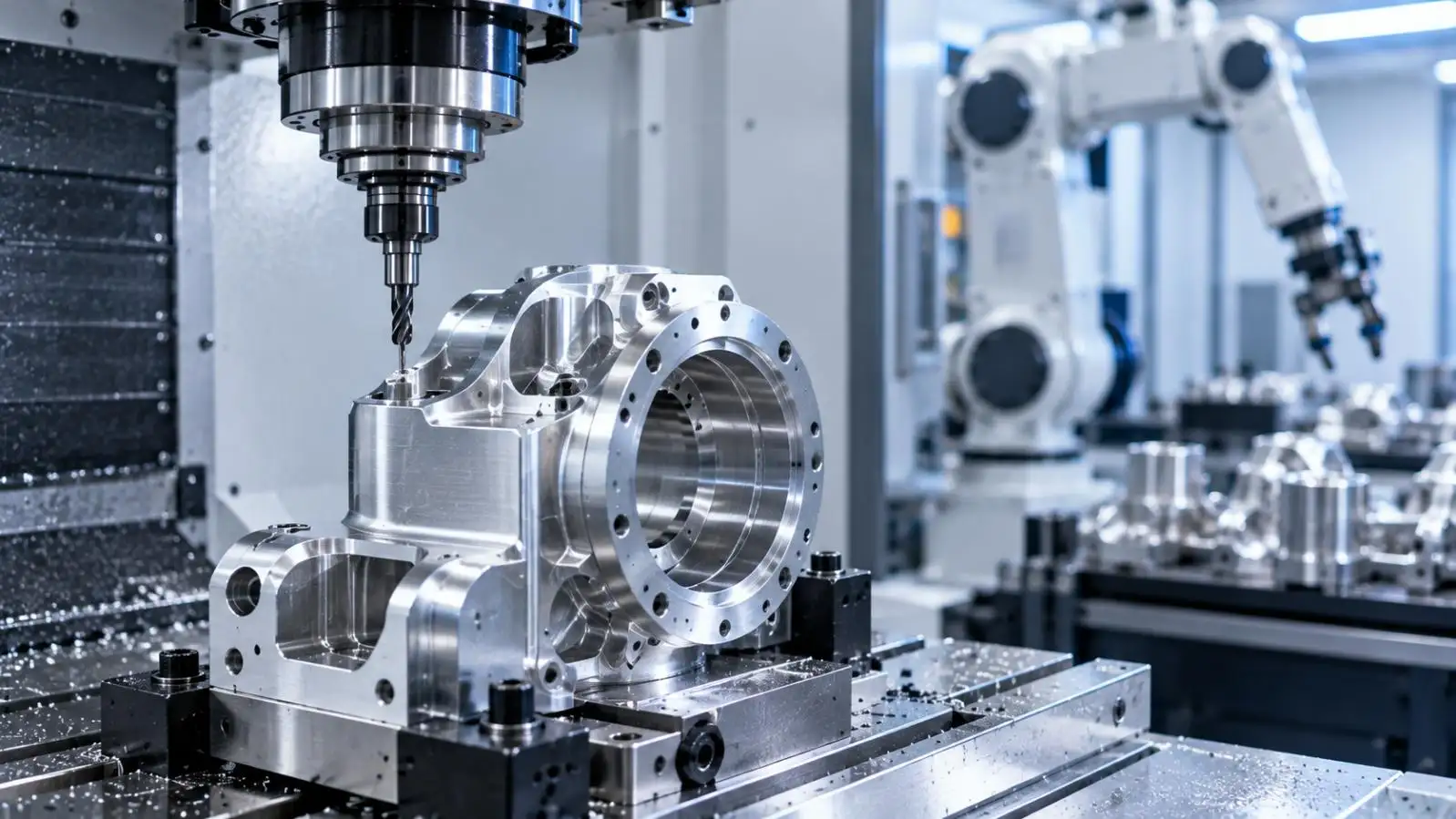
CNC Machining Robotic Parts: How GD&T Controls Robot Assembly Accuracy
2026-09-24By KT Engineering -
 Hide blog post
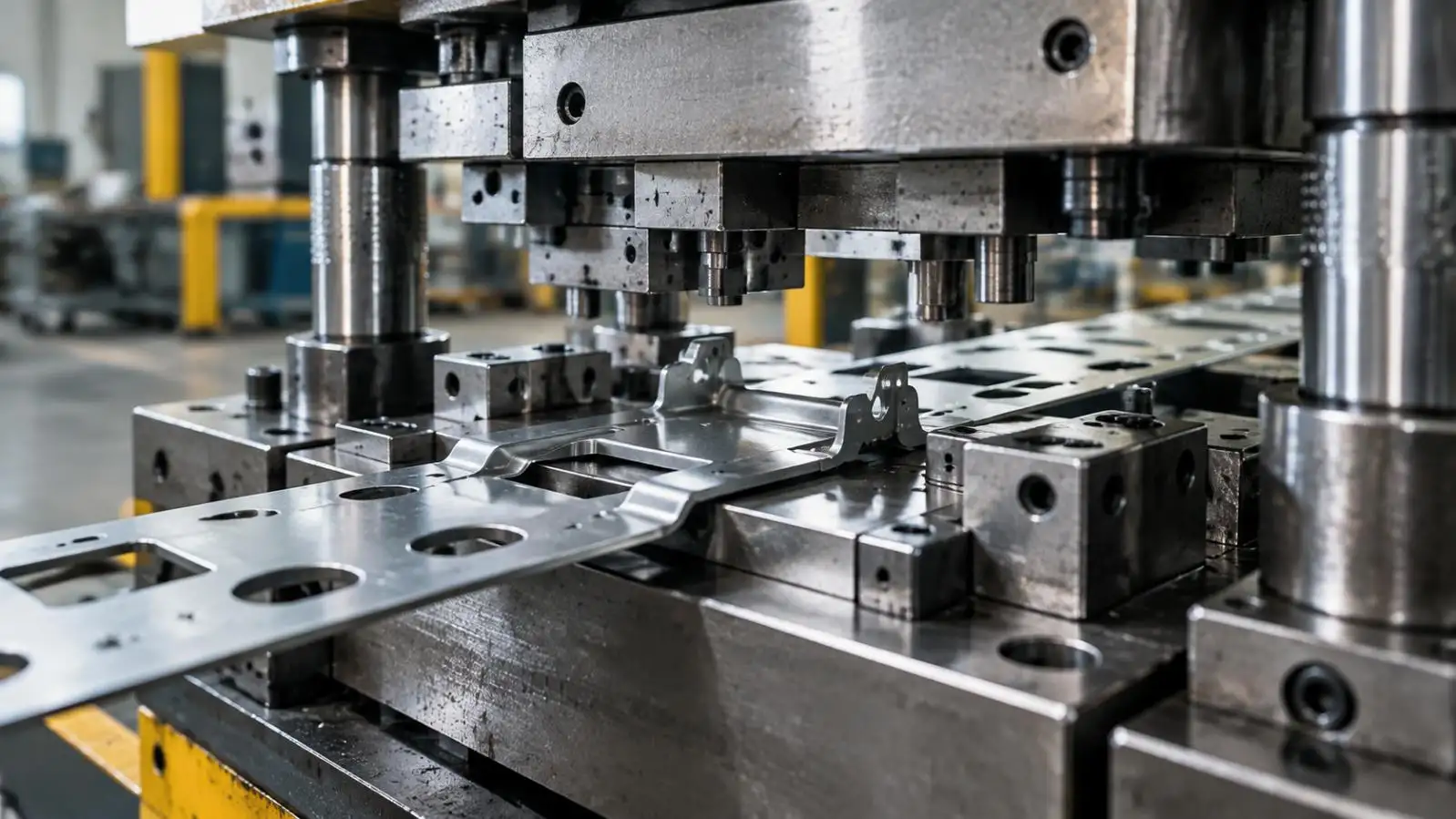
Hardware Stamping Springback Control for High-Strength Steel Parts
2026-09-24By KT Engineering -
 Hide blog post
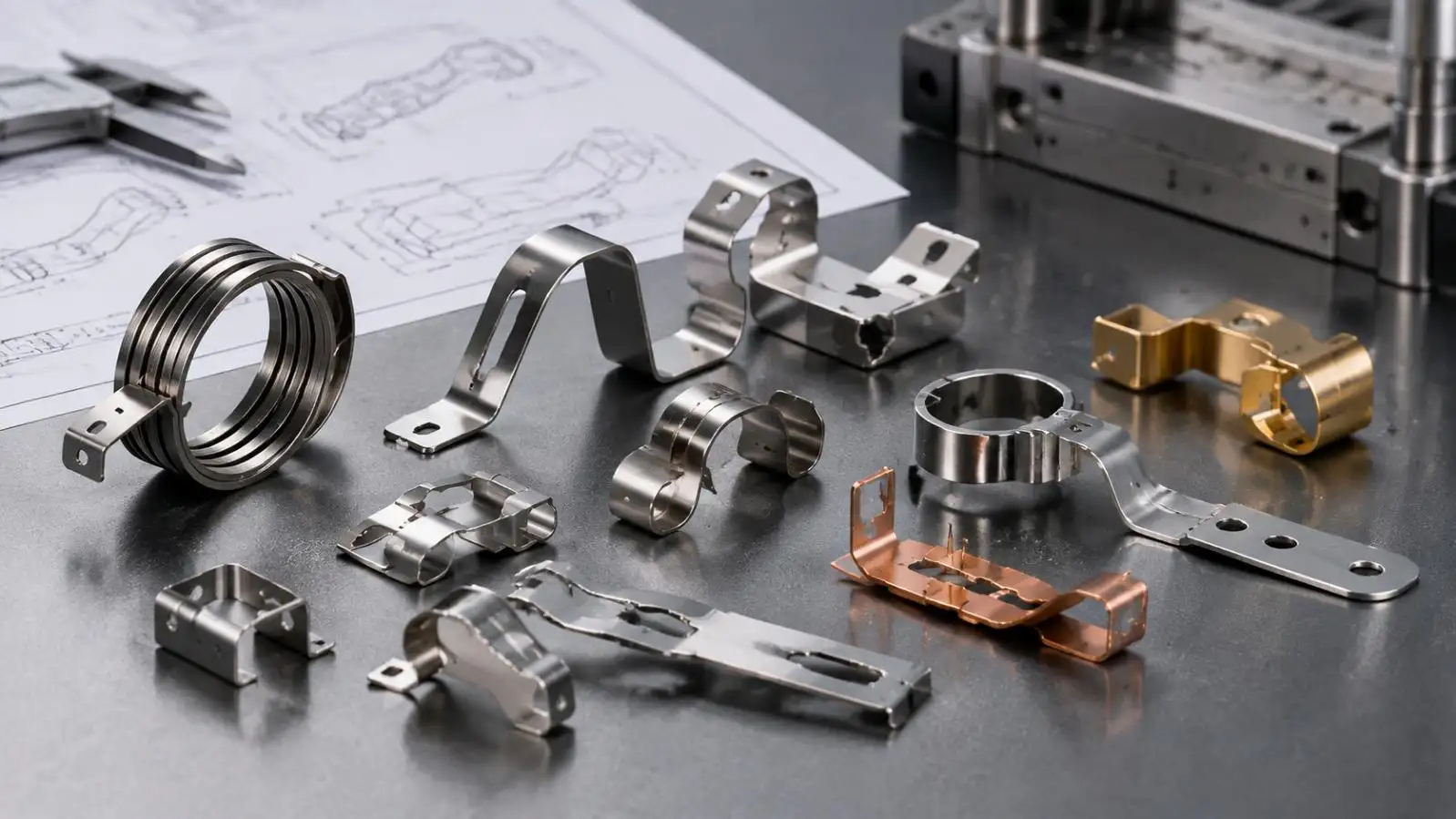
Spring Stamping Fatigue Life: How Geometry, Material and Edge Quality Affect Cycle Life
2026-09-24By KT Engineering -
 Hide blog post
Mechanical Automation Parts for Robot End Effectors and Positioning Accuracy
2026-09-23By KT Engineering