Contact Us
  Home /
 What Is Aluminum Die Casting?


Table of Contents
- What Is Aluminum Die Casting?
- How the Aluminum Die Casting Process Works
- Advantages of Aluminum Die Casting
- Common Aluminum Die Casting Alloys
- Industries That Use Aluminum Die Casting
- Design Considerations for Aluminum Die Casting
- Aluminum Die Casting vs. Other Manufacturing Processes
- Common Challenges in Aluminum Die Casting
- Is Aluminum Die Casting Right for Your Project?
- Conclusion

The aluminum die casting process is one of the most efficient methods to make light, strong and highly accurate metal parts on mass production. Aluminum die casting excels in its ability to deliver high performance and low cost for mass production, making it suitable for a wide range of applications from automotive engines to consumer electronics and industrial equipment.
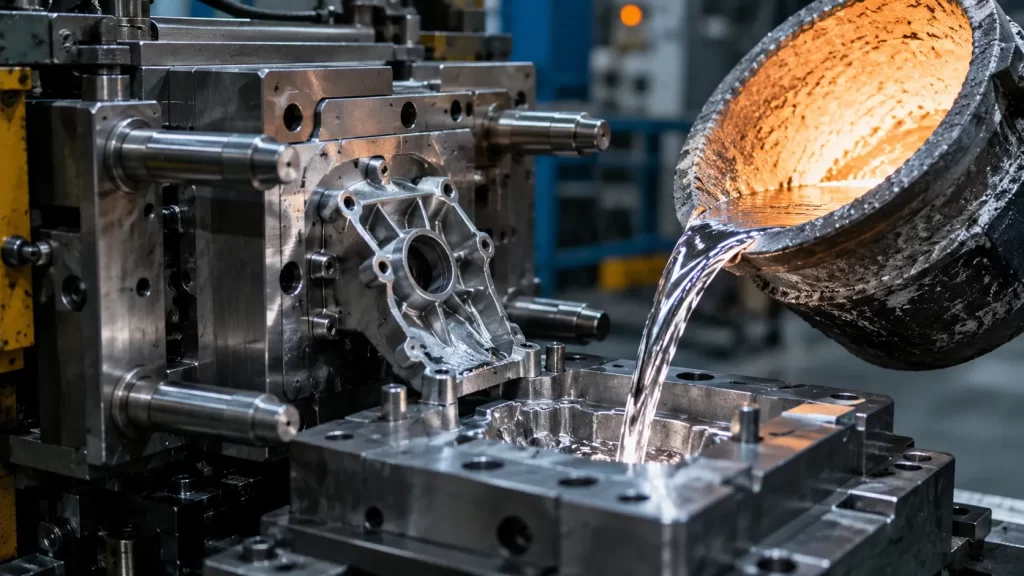
This guide will take you through the ins and outs of the aluminum die casting process, its benefits, popular alloys, design tips and tricks, and when to use it as the ideal manufacturing option for your project.
What Is Aluminum Die Casting?
Aluminum die casting is a process that involves high pressure injection of molten aluminum alloy into a hardened steel mold (die). After solidification, the metal piece is ejected from the mold and the same process can be repeated again.
The die casting method is specially designed for medium and high volume production, different from sand casting and investment casting. It creates near-net-shape parts that have high dimensional accuracy, smooth surface finishes and little secondary machining.
Aluminum die casting provides an unsurpassed degree of consistency and cost efficiency for high volume production requirements, as the steel die itself can be used thousands – or even hundreds of thousands – of times.
How the Aluminum Die Casting Process Works
The manufacture is generally carried out in the following steps:
1. Die Preparation
The steel mould is cleaned, lubricated and pre-heated prior to the commencement of production. The consistency of metal flow and the longevity of the mould are all due to the preparation of the mould.
2. Melting the Aluminum Alloy
The aluminum is melted in the furnace at temperatures greater than 650°C (1200°F). The molten metal is precisely monitored to assure chemical composition and cleanliness.
3. High-Pressure Injection
The molten aluminium is injected into the mould cavity at high speed and pressure in the cold chamber die casting machine. For complex molds, the pressure will help to ensure complete filling of all corners.
4. Solidification
Due to the high cooling rate in the steel die, the aluminum is of a fine grain structure with excellent mechanical properties.
5. Part Ejection
Once it solidifies, the casting is ejected from the mold by ejector pins.
6. Trimming and Finishing
Runners, gates and flash are removed. Further finishing processes could include:
- CNC machining
- Powder coating
- Sand blasting
- Shot blasting
- Polishing
- Anodizing (depending on alloy)
Advantages of Aluminum Die Casting
Excellent Dimensional Accuracy
High pressure die casting machines consistently produce components with tight tolerances, meaning that there is no need for additional machining.
Lightweight Construction
The aluminum is about one-third the weight of steel and has excellent structure.
Thus, the die-cast aluminum is suited for:
- Electric vehicles
- Aerospace equipment
- Consumer electronics
- Robotics
Superior Surface Finish
Not only are the surfaces of the die-cast components smooth when they come out of the mold, but they can also be painted, powder coated, or otherwise plated.
High Production Efficiency
Aluminum die casting is one of the quickest processes for manufacturing metal parts, with cycle times as low as 30 to 90 seconds depending on the part size.
Excellent Thermal Conductivity
Aluminum's excellent heat dissipation properties are used in many electronic enclosures, LED lighting components and heat sinks.
Corrosion Resistance
In many alloys, an oxide layer is self-formed on the component and acts as a barrier to corrosion, particularly when exposed to environmental conditions such as the outdoors or humidity.
Lower Cost at Scale
Tooling is a pretty expensive setup up, but once it's made the per part cost of production is very low.
Common Aluminum Die Casting Alloys
The selection of the appropriate alloy is crucial to ensure the desired mechanical properties.
A380
The industry's most widely used alloy.
Benefits include:
- Excellent castability
- Good strength
- Outstanding corrosion resistance
- Competitive cost
Applications:
- Automotive housings
- Electrical enclosures
- Consumer products
A360
Known for:
- Better corrosion resistance
- Higher pressure tightness
- Improved mechanical strength
Ideal for:
- Marine equipment
- Hydraulic systems
A383 (ADC12)
Designed for:
- Complex geometries
- Thin-wall components
- Excellent mold filling
Often used for intricate electronic components.
A413
Preferred when pressure-tight castings are required, such as:
- Pump housings
- Hydraulic valves
- Compressor parts
B390
Offers exceptional wear resistance, making it suitable for:
- Engine blocks
- Transmission components
- Automotive wear parts
Each alloy balances strength, machinability, thermal conductivity, and corrosion resistance differently, so material selection should align with product requirements.
Industries That Use Aluminum Die Casting
Aluminum die casting supports a wide variety of industries.
Automotive
Manufacturers produce:
- Engine components
- Transmission housings
- Motor brackets
- Battery enclosures
- Steering components
Electric Vehicles
Growing EV demand has increased the need for lightweight structural components that improve driving range.
Consumer Electronics
Examples include:
- Laptop frames
- Camera bodies
- Smart device housings
- Heat sinks
LED Lighting
Die-cast aluminum efficiently dissipates heat, improving LED lifespan.
Telecommunications
Components include:
- Signal equipment housings
- Antenna brackets
- Outdoor enclosures
Industrial Equipment
Applications include:
- Pump bodies
- Gear housings
- Machine frames
- Pneumatic components
Medical Equipment
Precision aluminum castings are used in diagnostic equipment, imaging devices, and laboratory instruments.
Design Considerations for Aluminum Die Casting
Proper design significantly improves manufacturability and reduces production costs.
Important design guidelines include:
- Maintain uniform wall thickness
- Add draft angles for easy ejection
- Use generous fillets instead of sharp corners
- Minimize unnecessary undercuts
- Design ribs instead of increasing wall thickness
- Include machining allowances only where necessary
Engineers should also consider gate placement, venting, cooling channels, and shrinkage during tooling design.
Aluminum Die Casting vs. Other Manufacturing Processes
| Process | Best For | Advantages | Limitations |
|---|---|---|---|
| Aluminum Die Casting | High-volume production | Fast, accurate, low unit cost | High tooling investment |
| CNC Machining | Low-volume precision parts | Tight tolerances, flexible | Higher machining costs |
| Sand Casting | Large components | Low tooling cost | Rougher finish, lower precision |
| Investment Casting | Complex geometries | Excellent detail | Slower production |
| Aluminum Extrusion | Continuous profiles | Cost-effective long shapes | Limited cross-sectional designs |
Choosing the right manufacturing process depends on annual production volume, complexity, mechanical requirements, and budget.
Common Challenges in Aluminum Die Casting
Like any manufacturing process, aluminum die casting presents several challenges:
Porosity
Gas trapped during injection can create internal voids.
Solutions include:
- Vacuum-assisted die casting
- Improved venting
- Optimized injection speed
Flash Formation
Excess material may escape along mold parting lines if the die is worn or clamping force is insufficient.
Shrinkage
Improper cooling can result in dimensional inaccuracies.
Tool Wear
Steel dies will wear over time with high volume production and will need maintenance frequently.
These defects can be reduced and predicted in the design stage by modern simulation software.
Is Aluminum Die Casting Right for Your Project?
Aluminum die casting is the ideal choice when your project requires:
- Production volumes above several thousand units
- Lightweight yet strong components
- Complex geometries
- Excellent repeatability
- Tight dimensional tolerances
- Attractive surface finishes
- Lower per-unit costs in mass production
For prototypes or small production quantities, however, CNC machining or 3D printing might prove to be more flexible and less expensive.
Conclusion
Aluminum die casting has remained one of the most trusted manufacturing methods which produce precision metal parts in bulk. It is essential in many industries, including automotive, electronic, telecommunication, industrial machinery and more, due to its capability of manufacturing lightweight, sturdy, dimensionally stable parts, with superior production efficiency.
By choosing the right aluminum alloy, designing parts for optimal performance, and working closely with a trusted die casting company, companies can guarantee product quality, lower production expenses, and quicker time to marketplace. Aluminum die casting provides a great combination of performance, efficiency and value, regardless of whether you're creating a new product or expanding an existing one.
Talk to the Manufacturer, Not a Middleman
Resources & Insights
-
 Hide blog post
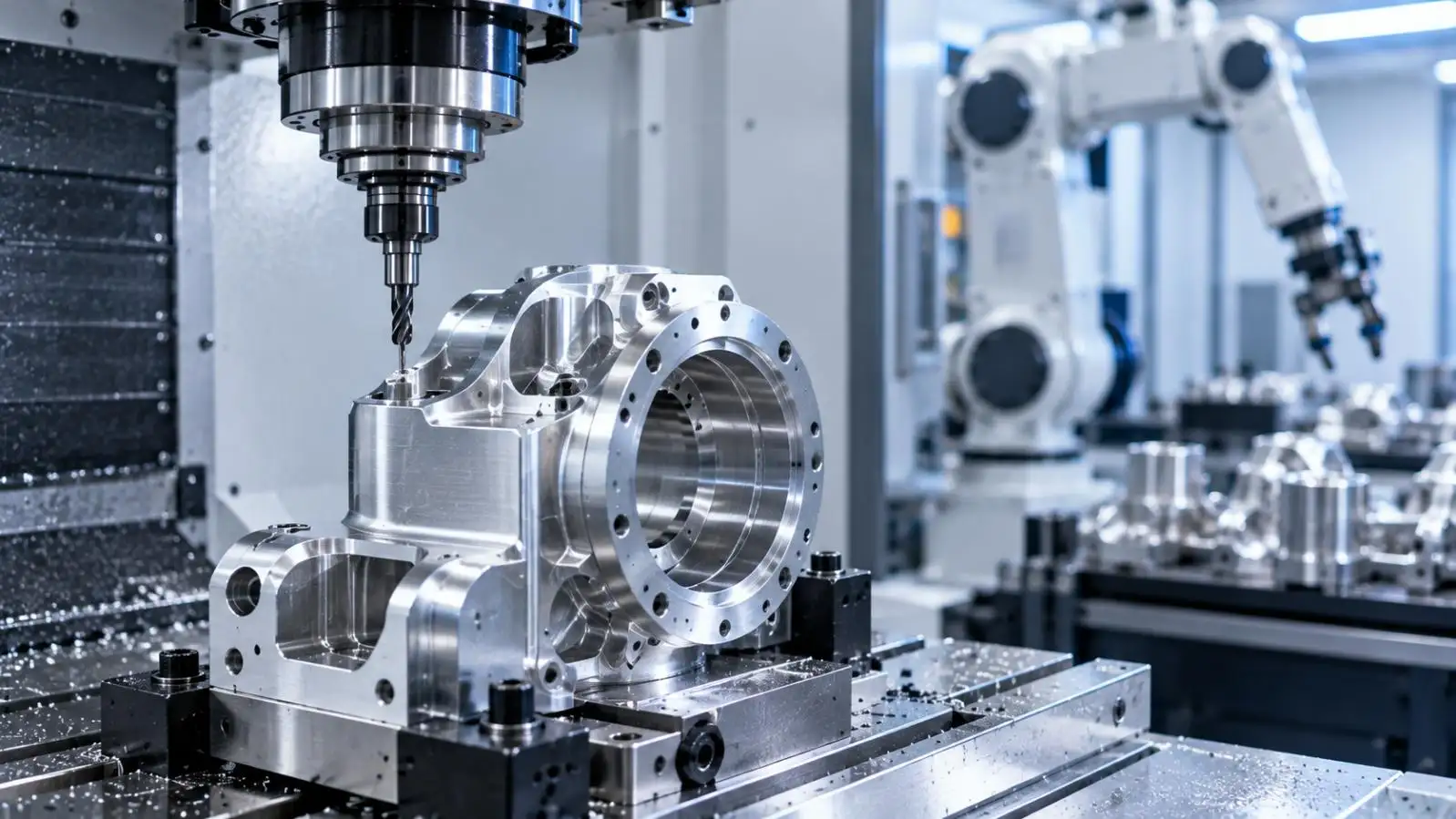
CNC Machining Robotic Parts: How GD&T Controls Robot Assembly Accuracy
2026-09-24By KT Engineering -
 Hide blog post
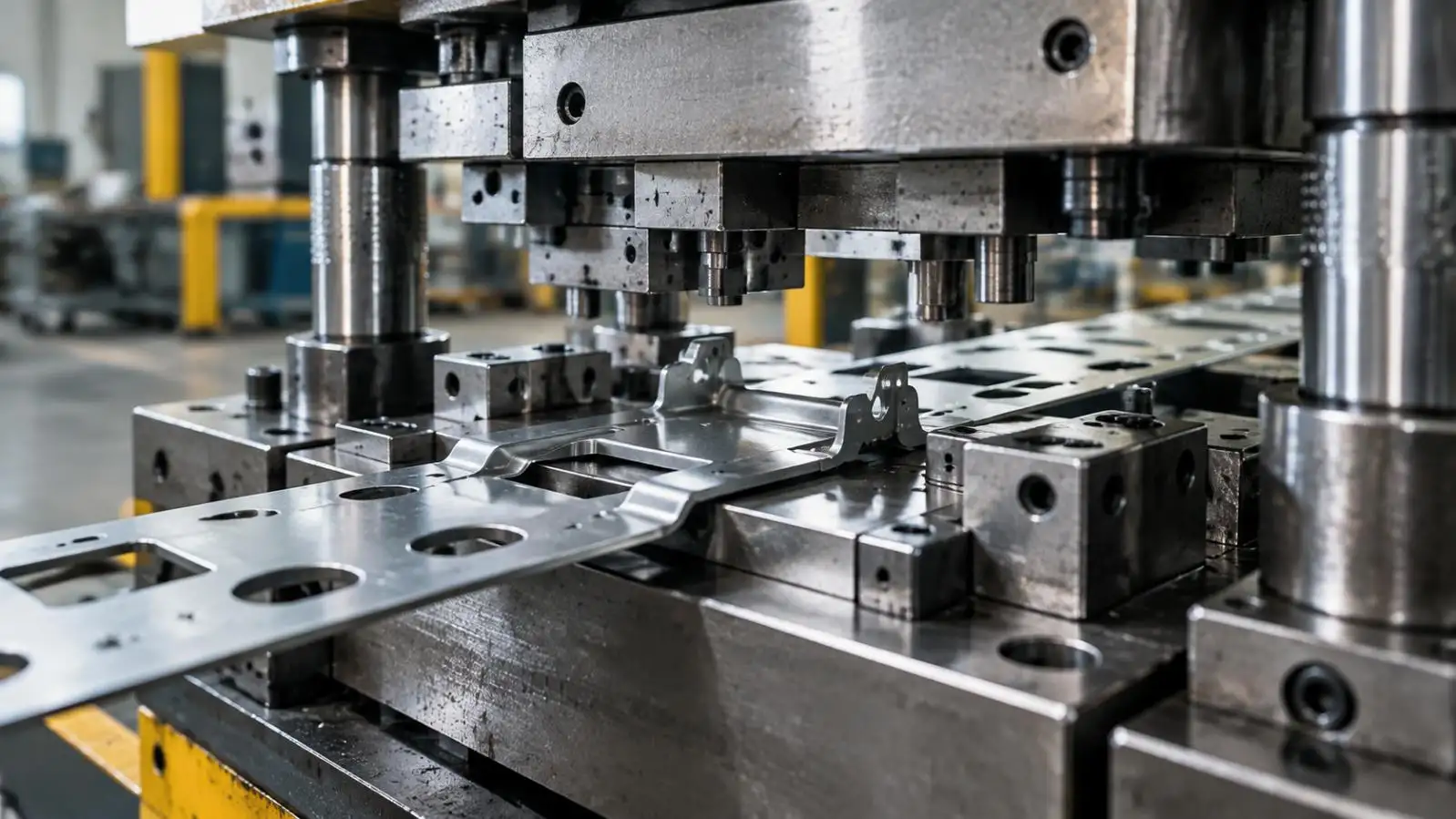
Hardware Stamping Springback Control for High-Strength Steel Parts
2026-09-24By KT Engineering -
 Hide blog post
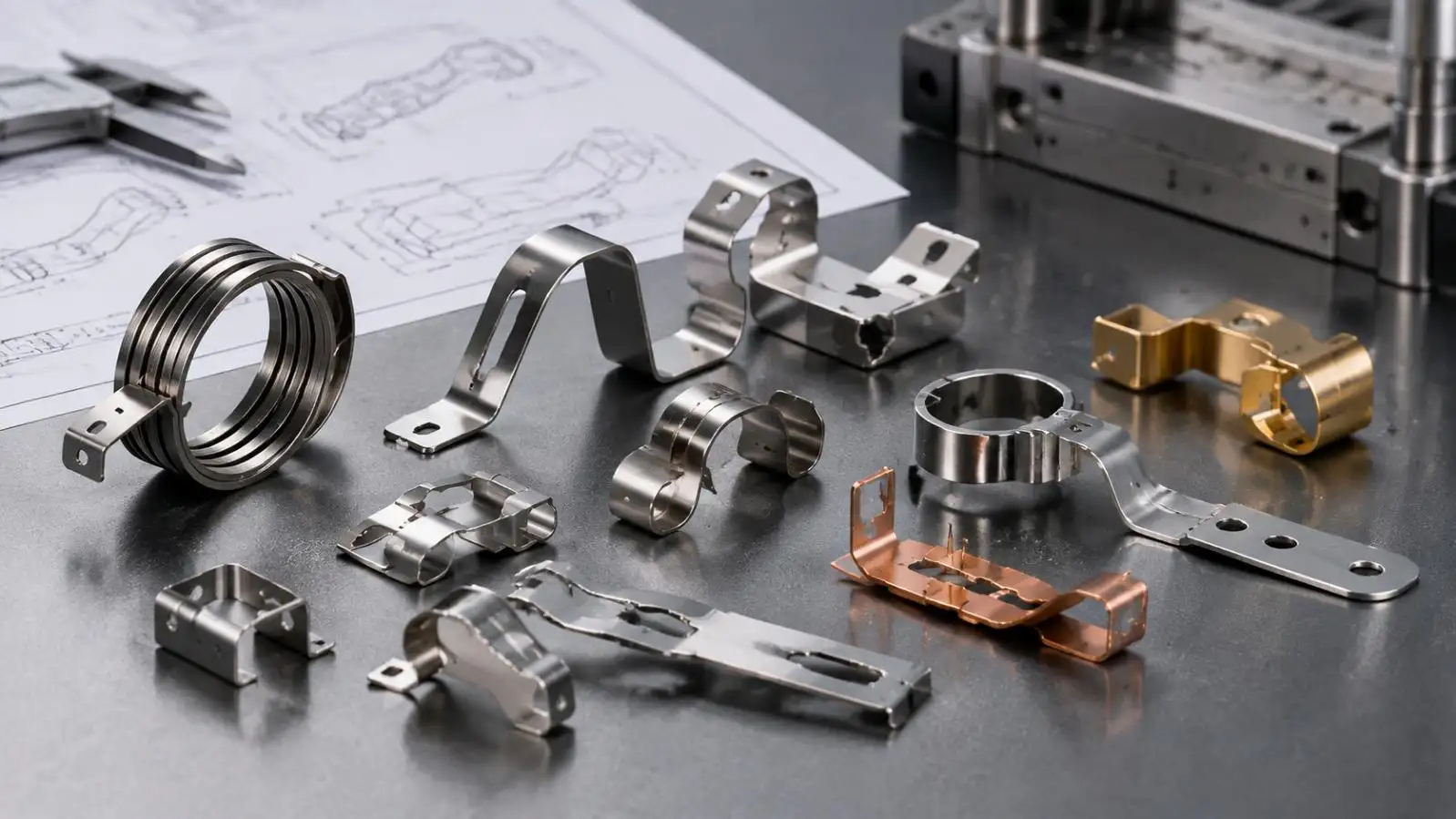
Spring Stamping Fatigue Life: How Geometry, Material and Edge Quality Affect Cycle Life
2026-09-24By KT Engineering -
 Hide blog post
Mechanical Automation Parts for Robot End Effectors and Positioning Accuracy
2026-09-23By KT Engineering