Contact Us
  Home /
 Material Selection Guide For CNC Automation Machining Parts


Table of Contents
- Factors That Influence The Selection of Materials For Automation Machining Parts
- Common Materials Used for CNC Automation Machining Parts
- How Flexible Automated Machining Solutions Are to Different Material Requirements
- Quality Verification for Automated Machined Components
- Prototype Testing and Material Validation

The choice of materials for CNC automation machining systems is subject to many considerations. Automated systems demand materials that provide consistent mechanical strengths as well as dimensional and structural stability. Beyond mechanical performance, the design engineer must evaluate the environment in which the system will operate, the nature of the motions to be accommodated, the required surface properties, the anticipated production volume, and the machinability of the material. The ideal material provides optimum performance at the lowest possible cost and the highest manufacturability.
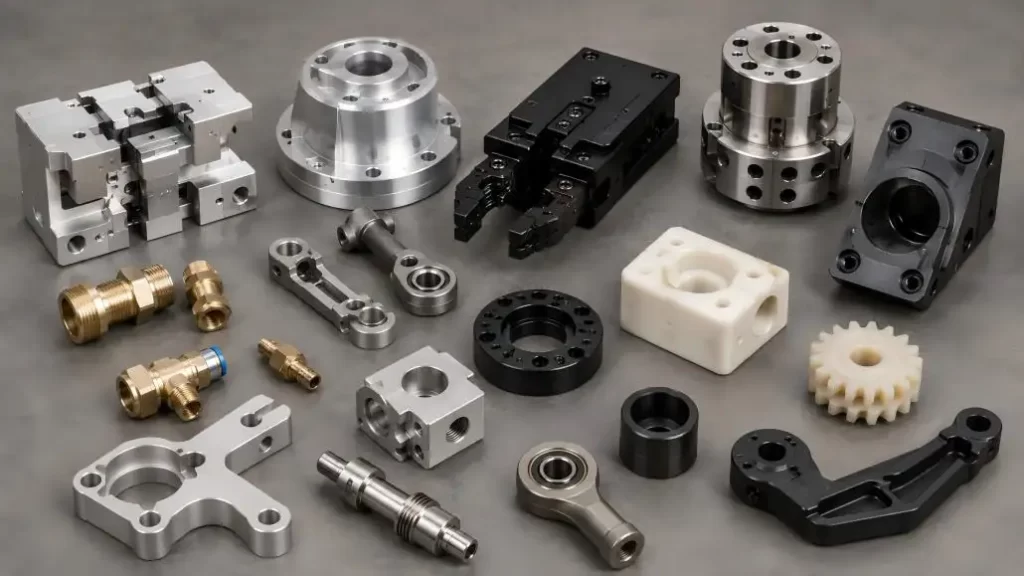
This guide is focused on some primary considerations of selecting materials for automation components.
Factors That Influence The Selection of Materials For Automation Machining Parts
Because automation components can operate under multiple different conditions, the successful selection of a material requires assessment of the cumulative influences of mechanical stress, environmental conditions, and manufacturing considerations.
Mechanical Load and Stress Conditions
The type and degree of mechanical loads dictate the selection of a material.
Components of an automation machining system that perform gripping, as well as components of a robotic joint, transmission mechanism, or support structure, can be subjected to a variety of different loads, such as:
• Tensile loading from pull or stretch operations
• Compression loading in fixtures and support elements
• Cyclic loading from repeated motion
• Impact loading from rapid positioning and assembly operations
For components that will operate in a high motion, cyclic environment, the selection of a material that has a high fatigue strength, high stiffness, or high impact resistance is appropriate.
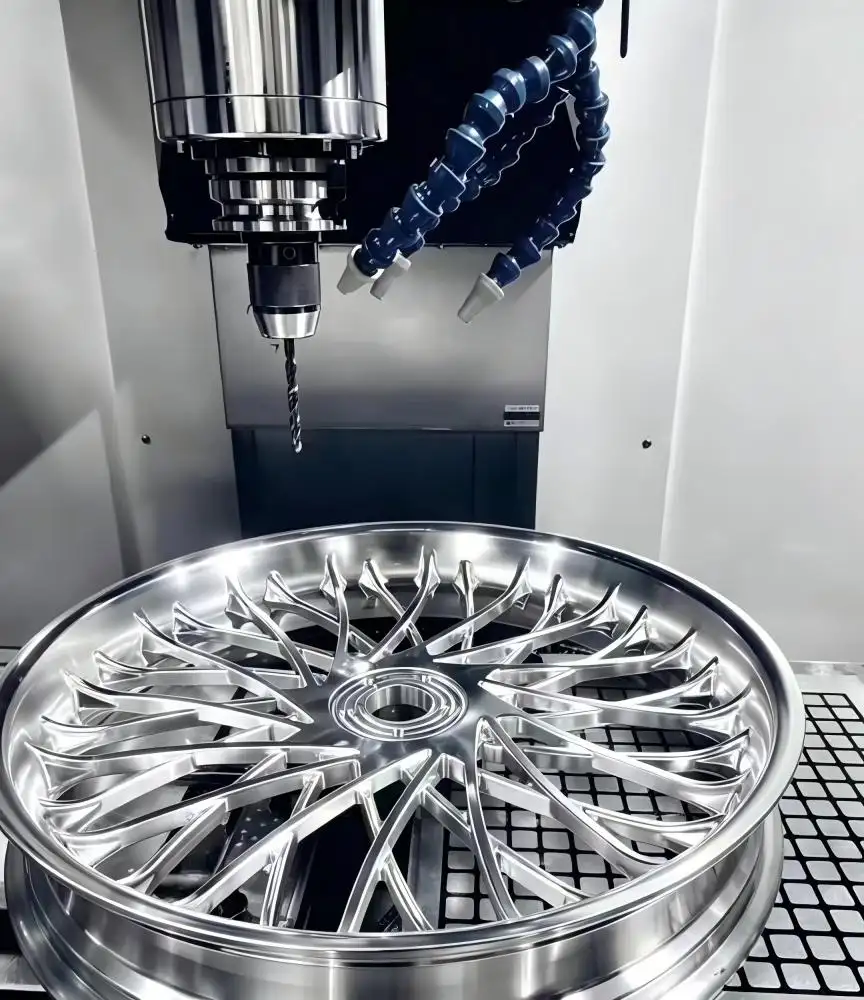
Environmental Resistance
The operating environment has a significant effect on the reliability of the part.
Typical choices are:
• Grades 304 and 316 of stainless steel
• PEEK and POM engineering plastics
• Aluminum alloys with surface finishes
Stability of Temperature and Thermal Expansion
Most automation equipment functions within a specific temperature range as a result of the actions of its motors and nearby processes.
In this case the following factors also need to be considered:
• Retention of mechanical properties at the operating temperature
• Behavior when thermally expanded
• Dimensional stability when the equipment is moved with a high degree of precision
For high temperature environments, the engineer may consider heat resistant alloys or high performance engineering plastics based on the specific nature of the application.
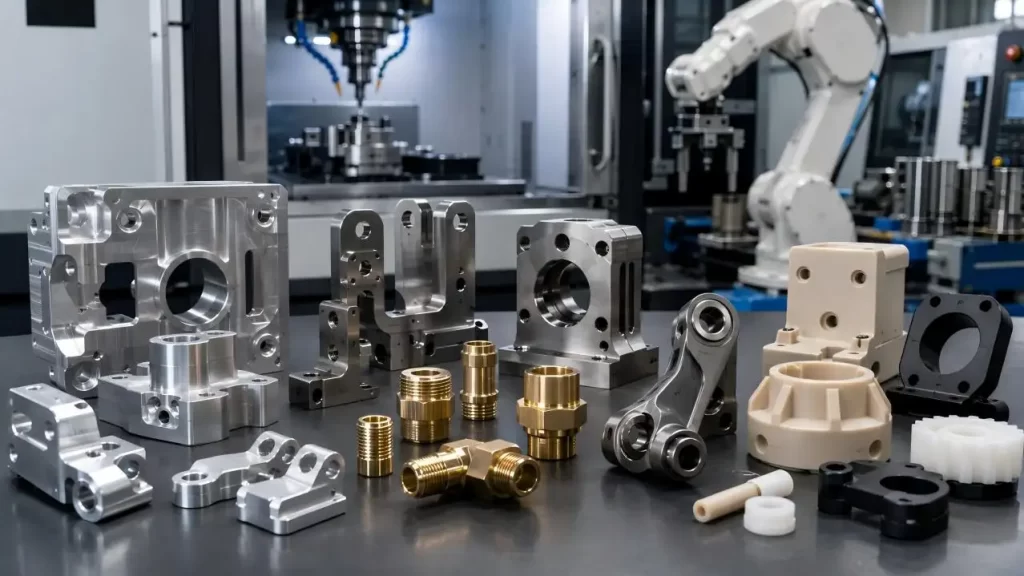
Weight and Motion Performance
Concerning the design of robotic arms, linear modules, and other high-speed positioning systems, the component's weight has a direct impact on the system's performance.
The design of lightweight robotic systems using aluminum alloys can:
• Minimize the mass that is in motion
• Reduce the load on the motor
• Enhance acceleration, positioning, and the response time
• Maximize system efficiency
The reduction of weight should be balanced with the rigidity and the design of appropriate control of the system.
Wear Resistance and Friction Performance
Automation systems with moving parts, such as sliders and shafts, require design with the appropriate wear characteristics.
The design of such systems can be focused on the following:
• The ability to retain low friction
• Sufficiently high surface hardness
• Wear resistance
• Surface lubricating systems
Service life can be enhanced with surface treatments such as anodizing, nitriding, or precision plating and grinding.
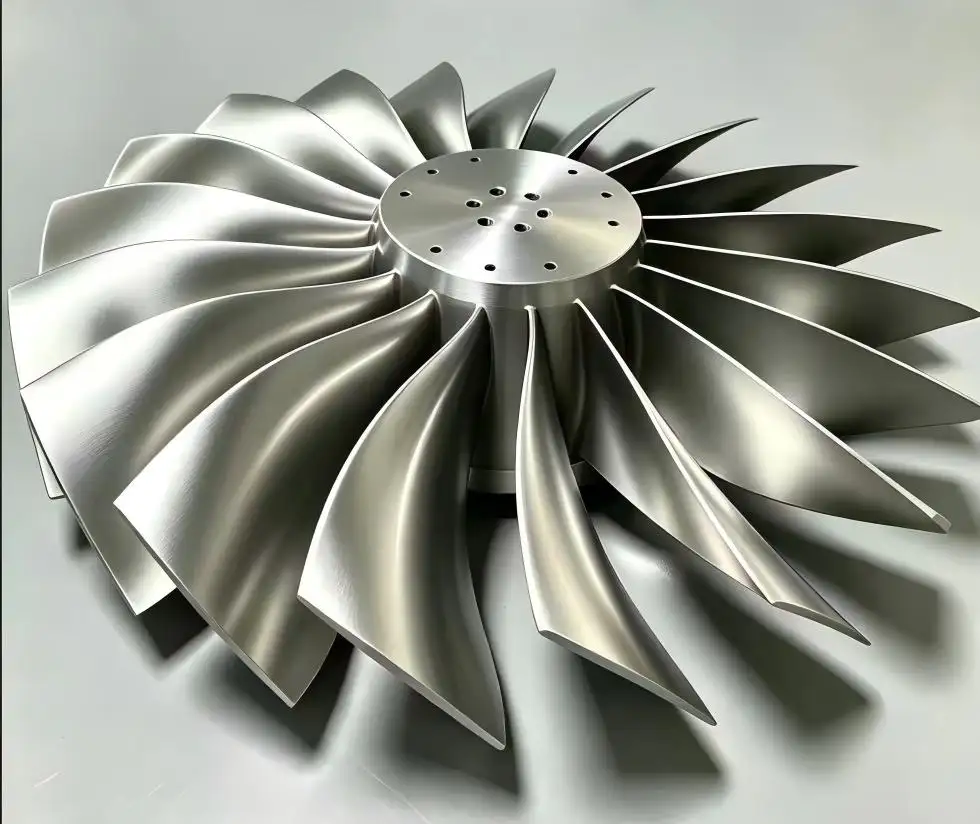
Machinability and Part Complexity
Components used in automation frequently feature:
• Precision mounting holes
• Complex pockets
• Thin-wall structures
• Multiple datum surfaces
• Tight geometric tolerances
• Close dimensional tolerances
Materials need to have stable performance for CNC machining for automation and need to control the following:
• Tool wear
• Cutting vibration
• Dimensional changes
• Consistency of the surface finish
Common Materials Used for CNC Automation Machining Parts
The materials listed below are some of the common options evaluated for CNC automation parts. The final selection of materials will depend on the mechanical requirements, the working conditions, and the considerations for manufacturing.
| Automation Component | Example Common Materials | Primary Considerations | Recommended CNC Processes |
| Clamps, Grippers and End Effectors | Aluminum 7075-T6, SS 304 | Strength-to-weight ratio, corrosion resistance | 5-axis milling, anodizing and passivation |
| Actuator Housings and Covers | Aluminum 6061-T6, ABS, POM | Weight, ease of machining, and cost | CNC milling, turning and coating |
| Joints, Linkages and Transmission Parts | 4140 Alloy Steel and Ti-6Al-4V | Fatigue strength, stiffness and resistance | tooling milling and grinding, CNC turning and heat treatment |
| Sensor Mounts and Precision Brackets | SS 316 and PEEK | Chemical resistance and insulation | Precision milling and Swiss machining, Boring |
| Fluid Control Components | Brass C360 and POM Acetal | Low friction and good durability | CNC turning, threading and grooving |
| Wear Components and Replacement Parts | D2 Tool Steel and Hardened SS | Wear resistance and long life | CNC grinding and heat treatment, EDM |
| High Speed Rotary Components | Aluminum 6061-T6 and Light Weight Alloys | Low inertia with good balance control | Multi-axis machining and balancing |
This table on material selection offers some common, practical initial choices. As part of the design process, the material will also be evaluated and tested on prototypes prior to production.
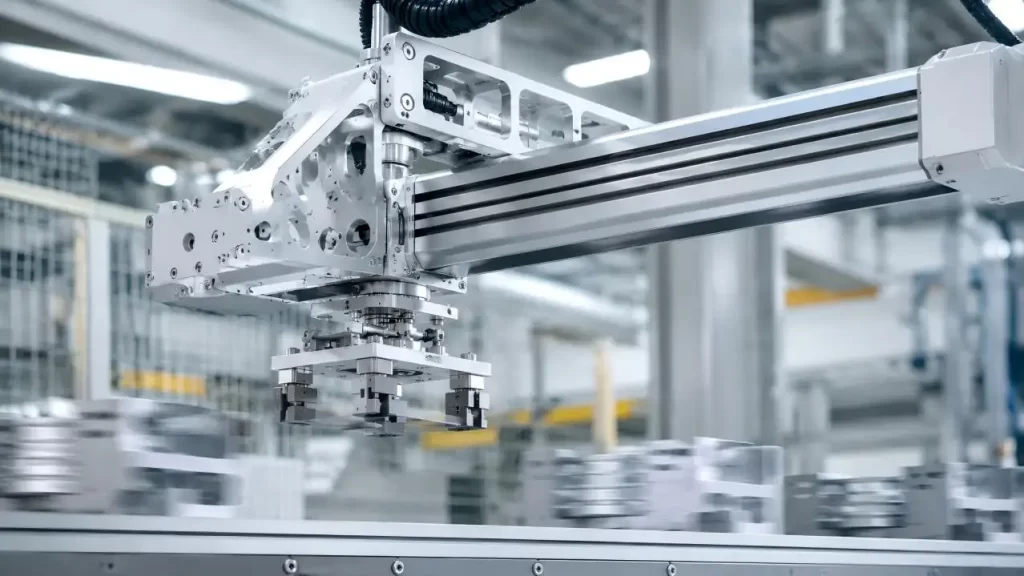
How Flexible Automated Machining Solutions Are to Different Material Requirements
Automating CNC tools for various materials is only a fragment of the whole solution. An effective manufacturing solution combines machining systems, specialized tools, inspection systems, and production controls.
Multimaterial Machining
Flexible automated machining systems encompass a wide spectrum of materials such as:
• Aluminum alloys
• Stainless steels
• Alloy steels
• Titanium alloys
• Brass
• Engineering plastics
With this technology, manufacturers no longer face machining constraints in selecting material options for the functional requirements of their products.
Variation of Process for Different Materials
Different materials require different machining processes.
For example:
• Aluminum benefits from machining using high speed and advanced cutting tools
• Stainless steels require the use of tools designed for severe wear conditions
• Titanium requires machining with controlled heat and consistently stable cutting
• Engineering plastics need machining processes that avoid material deformation
A combination of processes for different materials provides the needed accuracy in dimensions and surface quality.
Prototype Testing to Finalize Manufacturing Options
Selecting the material involves balancing the design. Machined CNC prototypes enable testing of:
• Compatibility of the design
• Mechanical performance
• Surface quality
• Heat performance
• Resistance to wear
Using prototype automation machining provides the opportunity for engineers to evaluate the material before committing to the production costs.
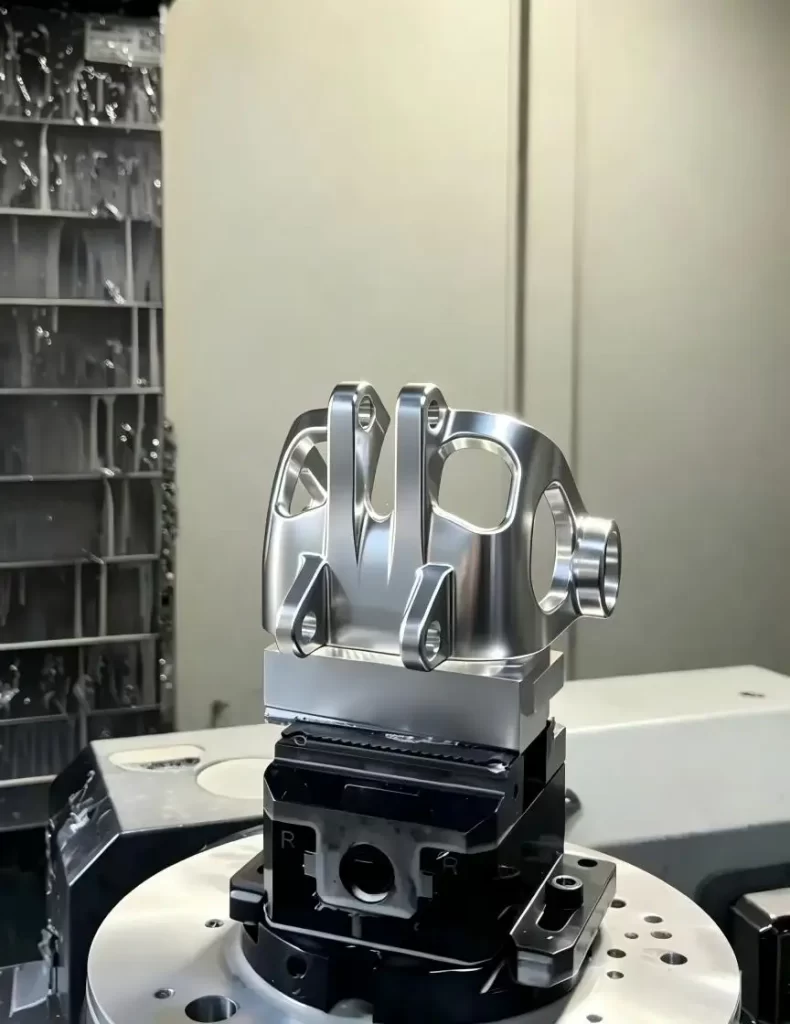
Maintaining Control of Consistent Manufacturing Processes
A mature CNC process should sufficiently cater for both prototypes and manufacturing needs.
The ability to manufacture in larger quantities depends on:
• Consistent machining processes
• Reliable design of machining tools
• Quality inspections during production of the material
• Documentation on material quality
• Proper identification of batch materials
These enable stable production from the first batch to the last.
Quality Verification for Automated Machined Components
Although the baseline of any design is the selection of materials, the quality of machining has the greatest impact on the performance of the final product.
Quality verification of precision automation components typically involves:
| Inspection Method | Purpose |
| Material Certification Review | Validates the grade of alloy and specification of the material |
| CMM Measurement | Checks critical dimensions and geometric tolerances |
| Optical Inspection | Inspects intricate profiles and small features |
| Surface Roughness Testing | Assesses the performance of the surface |
| Final Dimensional Inspection | Validates consistency of the final product |
With regulated machining and inspection processes, manufacturers can reach an inspection pass rate of 99.8% for approved production programs and specified quality standards.
Prototype Testing and Material Validation
The selection of materials typically requires verification by a tangible means.
A CNC prototype automation machining component provides engineers a means to compare various materials based on performance.
For instance:
• Aluminum and steel prototypes can be compared in terms of weight and stiffness.
• Surface finishes can be compared in terms of performance and wear.
• It is possible to compare engineering plastics in regard to chemical resistance and friction.
This strategy will mitigate design risk and aid in determining the most suitable material prior to scaling up production.
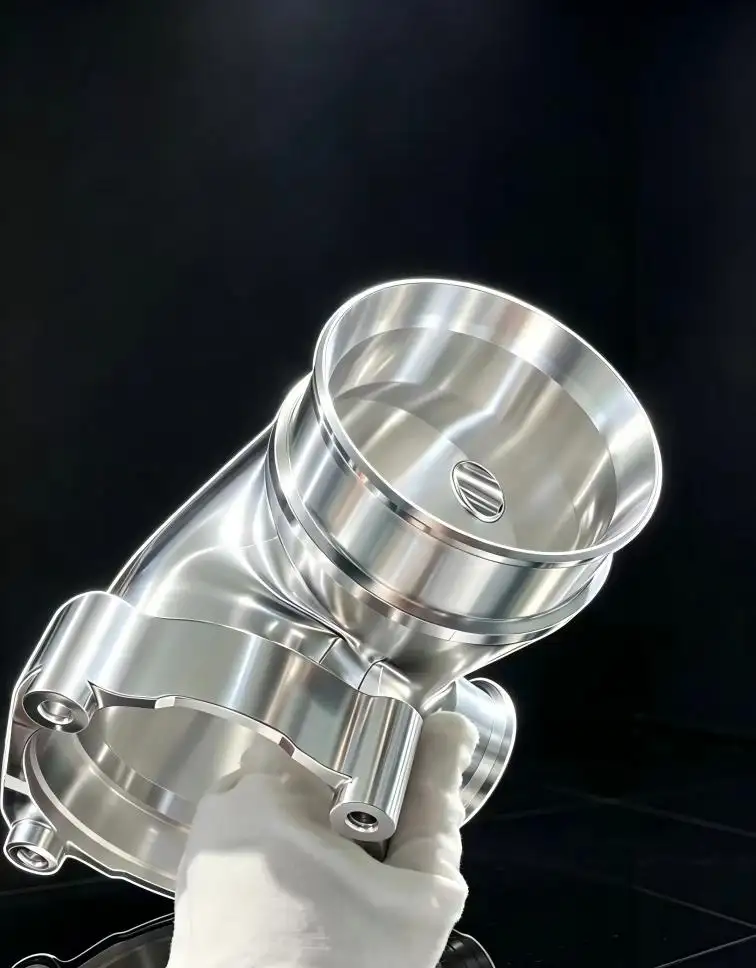
Choosing the Right Material for Your Automation Project
Each CNC automation machining component requires an appropriate balance of performance versus the environment versus manufacturing constraints.
A one size fits all approach for materials is not feasible. The best approach is situational and based on:
• Mechanical and thermal loads
• The environment in which it will operate
• The nature and requirements of the desired motion
• Precision requirements
• Manufacturing considerations
• Cost constraints
Based on an assessment of the drawings and specifications, along with the limits and constraints of the potential manufacturing processes, the engineering team is able to provide valuable input that aids in the selection of the appropriate materials.
If you need prototypes, low-volume production, or repeat manufacturing, professional automated machining solutions can turn your preferred materials into dependable precision components.
KT's precision machining solutions feature flexible materials, advanced CNC technology, and strong quality assurance. Reach out to our engineers to define your project parameters and identify the optimal manufacturing solution.
FAQs
Q1. What are the common materials for CNC automation machining parts?
Aluminum, stainless steel, alloy steel, titanium, brass, and engineering plastics are typical.
Q2. How are the right materials for automation parts determined?
Material selection incorporates the costs and requirements of load, environment, temperature, precision, and wear resistance.
Q3. Is aluminum a good choice for automation machining parts?
Yes, because of its good strength, and excellent machinability, it is a popular choice for lightweight parts.
Q4. For what applications should automation components include stainless steel?
Stainless steel should be used for applications that require components to be corrosion resistant and durable.
Q5. Can KT do machining of different materials for automation parts?
Yes, KT does CNC machining of aluminum, stainless steel, alloy steel, titanium, brass, and all plastics.
Talk to the Manufacturer, Not a Middleman
Resources & Insights
-
 Industry Insights
CNC Machining Robotic Parts: How GD&T Controls Robot Assembly Accuracy
2026-09-24By KT Engineering -
 Industry Insights
Hardware Stamping Springback Control for High-Strength Steel Parts
2026-09-24By KT Engineering -
 Industry Insights
Spring Stamping Fatigue Life: How Geometry, Material and Edge Quality Affect Cycle Life
2026-09-24By KT Engineering -
 Industry Insights
Mechanical Automation Parts for Robot End Effectors and Positioning Accuracy
2026-09-23By KT Engineering