Contact Us
  Home /
 best CNC machining factory


Table of Contents

For businesses needing high precision precision parts, the selection of the best CNC machining factory is among one of the most crucial choices. At your disposal, a high-quality machining partner makes it possible to optimize product performance, production efficiency and cost, from the creation of aerospace parts, through automotive components, medical products, industrial equipment to consumer products.
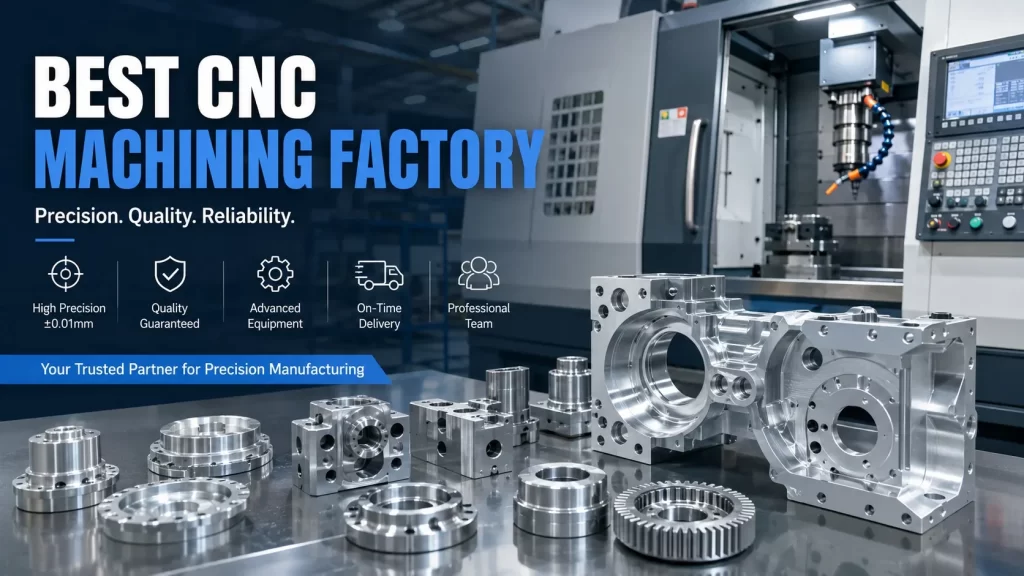
There are thousands of global suppliers of CNC machining and selecting the right factory can present a challenge. This guide offers insight into what sets a CNC machining factory apart from the rest, the key considerations to keep in mind for choosing a core CNC machining company, and why opting for advanced CNC machining services is crucial in modern manufacturing.
What Is a CNC Machining Factory?
A CNC machining factory is a manufacturing plant that is specialized in producing custom product by means of Computer Numerical Control (CNC) technology. These manufacturers use CNC machines programmed with instructions that accurately move cutting tools and machinery to produce a component with derring high accuracy.
Common CNC-Automachine working process are following:
- CNC Milling
- CNC Turning
- CNC Drilling
- CNC Grinding
- 5-Axis CNC Machining
- Swiss Machining
- EDM (Electrical Discharge Machining)
The processes allow manufacturers to create complex geometries, tight tolerances and repeatable products for precision manufacturing industries.
Characteristics of the Best CNC Machining Factory
Quality and capabilities vary from one machining supplier to another. The best CNC Manufacturing facility usually has a few distinct advantages.
1. Advanced Manufacturing Equipment
Top CNC factories invest in modern machinery, including:
- Multi-axis CNC machining centers
- High-speed milling machines
- Precision lathes
- Coordinate Measuring Machines (CMM)
- Automated production systems
Advanced equipment improves production speed, consistency, and dimensional accuracy while reducing errors.
2. Extensive Material Capabilities
The best CNC machining factories can work with a wide range of materials, including:
Metals
- Aluminum
- Stainless Steel
- Carbon Steel
- Brass
- Copper
- Titanium
- Inconel
Plastics
- ABS
- PEEK
- Nylon
- Delrin
- Polycarbonate
- PTFE
Material versatility allows customers to source multiple components from a single manufacturing partner.
3. Precision Quality Control
Quality assurance is critical in CNC machining.
Leading factories implement strict quality management systems such as:
- ISO 9001 Certification
- AS9100 for aerospace manufacturing
- ISO 13485 for medical device production
Inspection procedures often include:
- First Article Inspection (FAI)
- In-Process Inspection
- Final Dimensional Verification
- Material Certification Review
These processes ensure every part meets customer specifications.
4. Engineering Support
A professional CNC machining factory provides engineering assistance throughout the manufacturing process.
Services may include:
- Design for Manufacturability (DFM)
- Material Selection Guidance
- Cost Reduction Recommendations
- Prototype Optimization
- Tolerance Analysis
Engineering support helps customers improve product quality while reducing manufacturing costs.
Industries Served by CNC Machining Factories
The best CNC machining factories serve diverse industries requiring high precision and reliability.
Aerospace Industry
Aircraft and aerospace components demand extremely tight tolerances and strict quality standards. CNC machining produces critical parts such as:
- Structural brackets
- Engine components
- Landing gear parts
- Aerospace housings
Automotive Industry
Automotive manufacturers use CNC machining for:
- Engine components
- Transmission parts
- Suspension systems
- Prototype vehicle development
High-volume production and precision are essential in this sector.
Medical Industry
Medical device manufacturers rely on CNC machining for:
- Surgical instruments
- Implant components
- Diagnostic equipment parts
- Medical housings
Precision and material traceability are especially important for healthcare applications.
Electronics Industry
CNC machining supports electronics manufacturing through:
- Heat sinks
- Enclosures
- Connectors
- Precision assemblies
Complex geometries and fine tolerances are often required.
Why Global Companies Prefer Professional CNC Machining Factories
Many businesses outsource machining requirements to specialized CNC factories because of several advantages.
Faster Production
Professional factories streamline production using optimized workflows, advanced machinery, and experienced operators.
This reduces lead times for both prototypes and production runs.
Cost Efficiency
Dedicated CNC machining factories can often manufacture parts more economically than maintaining in-house machining operations.
Benefits include:
- Reduced equipment investment
- Lower labor costs
- Efficient material utilization
- Scalable production capacity
Consistent Quality
Experienced factories maintain strict quality standards across every production batch, ensuring repeatable results and customer satisfaction.
Flexible Manufacturing
Whether customers require one prototype or thousands of production parts, leading CNC machining suppliers can scale production accordingly.
How to Choose the Best CNC Machining Factory
When evaluating potential manufacturing partners, consider the following factors.
Manufacturing Experience
Look for factories with extensive industry experience and proven success producing similar parts.
Ask questions such as:
- How long have they been in business?
- What industries do they serve?
- Can they provide case studies or project examples?
Production Capacity
Evaluate whether the supplier can handle your current and future production requirements.
Important considerations include:
- Number of CNC machines
- Factory size
- Workforce capabilities
- Expansion potential
Quality Certifications
Industry certifications demonstrate commitment to quality and process control.
Common certifications include:
- ISO 9001
- AS9100
- ISO 13485
- IATF 16949
Communication and Customer Service
The best CNC machining factory maintains clear communication throughout every stage of production.
Reliable suppliers provide:
- Fast quotations
- Technical support
- Production updates
- Responsive customer service
Lead Time Performance
Timely delivery is essential for maintaining supply chain efficiency.
Review a supplier’s track record for:
- On-time delivery rates
- Production scheduling
- Emergency manufacturing capabilities
CNC Machining Trends in 2026 and Beyond
The CNC machining industry continues to evolve through technological innovation.
Key trends include:
Automation
Robotic systems and automated material handling improve efficiency and reduce production costs.
Smart Manufacturing
Industry 4.0 technologies enable real-time monitoring of machine performance and production data.
AI-Assisted Programming
Artificial intelligence is helping optimize toolpaths, improve machining efficiency, and reduce setup times.
Sustainable Manufacturing
Factories are increasingly adopting environmentally responsible practices, including:
- Energy-efficient equipment
- Material recycling
- Waste reduction initiatives
These advancements improve competitiveness while supporting sustainability goals.
Conclusion
Selecting the right CNC machining factory is essential for high-quality products, efficient manufacturing, and achieving sustainable business success. Anytime a factory matches the rigorous, stringent standards for parts, with superior equipment and engineering staff, excellent quality control and customer service, it's a reliable factory.
From low volume production to large-scale manufacturing or if you need quick prototyping, having the support of a skilled CNC machining supplier can help you speed up your product development process and gain better result.
The manufacturing industry is evolving globally, with businesses benefiting greatly from collaborating with high-quality CNC machining factories for their superior precision, speed, and reliability.
Talk to the Manufacturer, Not a Middleman
Resources & Insights
-
 Hide blog post
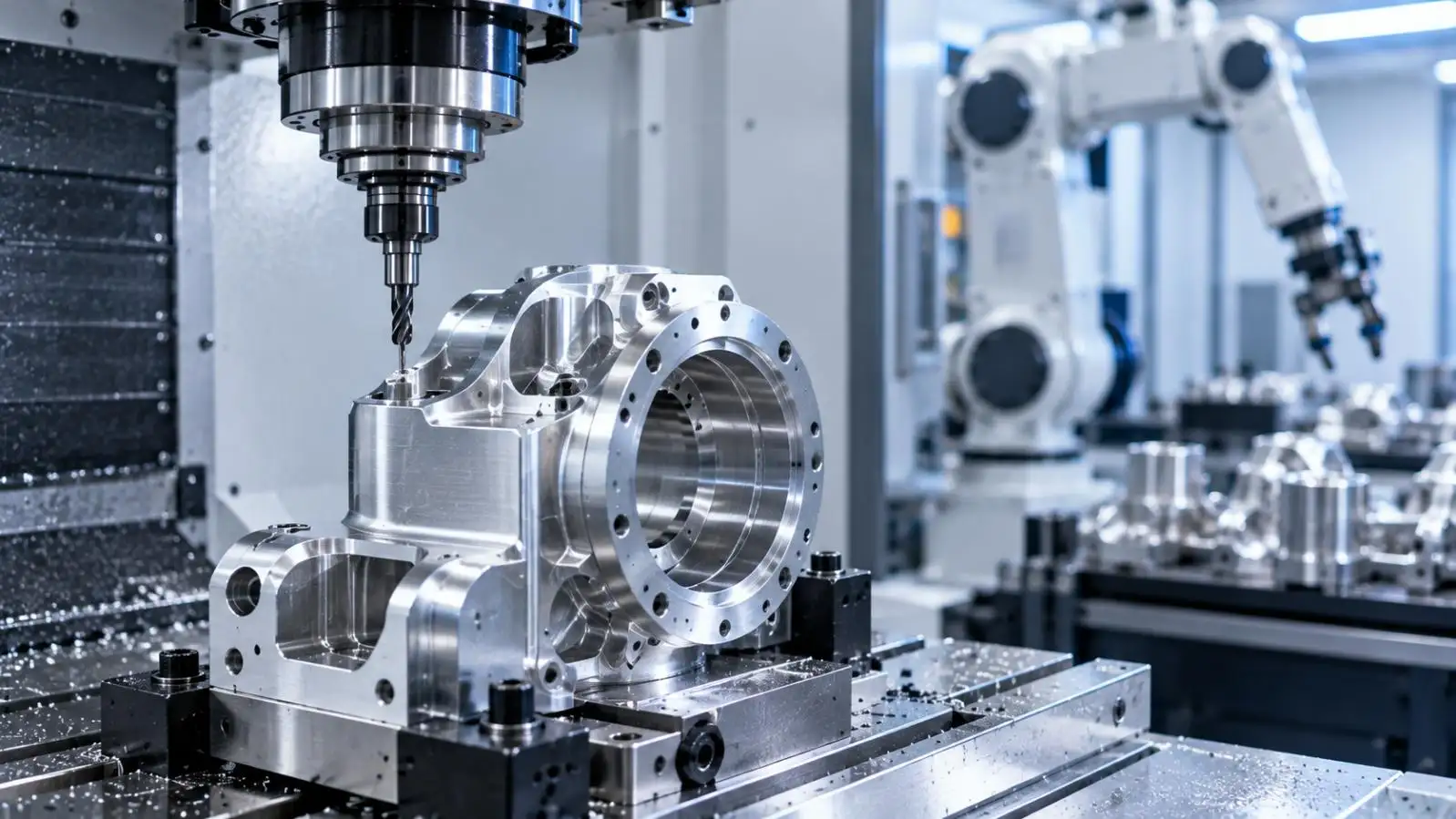
CNC Machining Robotic Parts: How GD&T Controls Robot Assembly Accuracy
2026-09-24By KT Engineering -
 Hide blog post
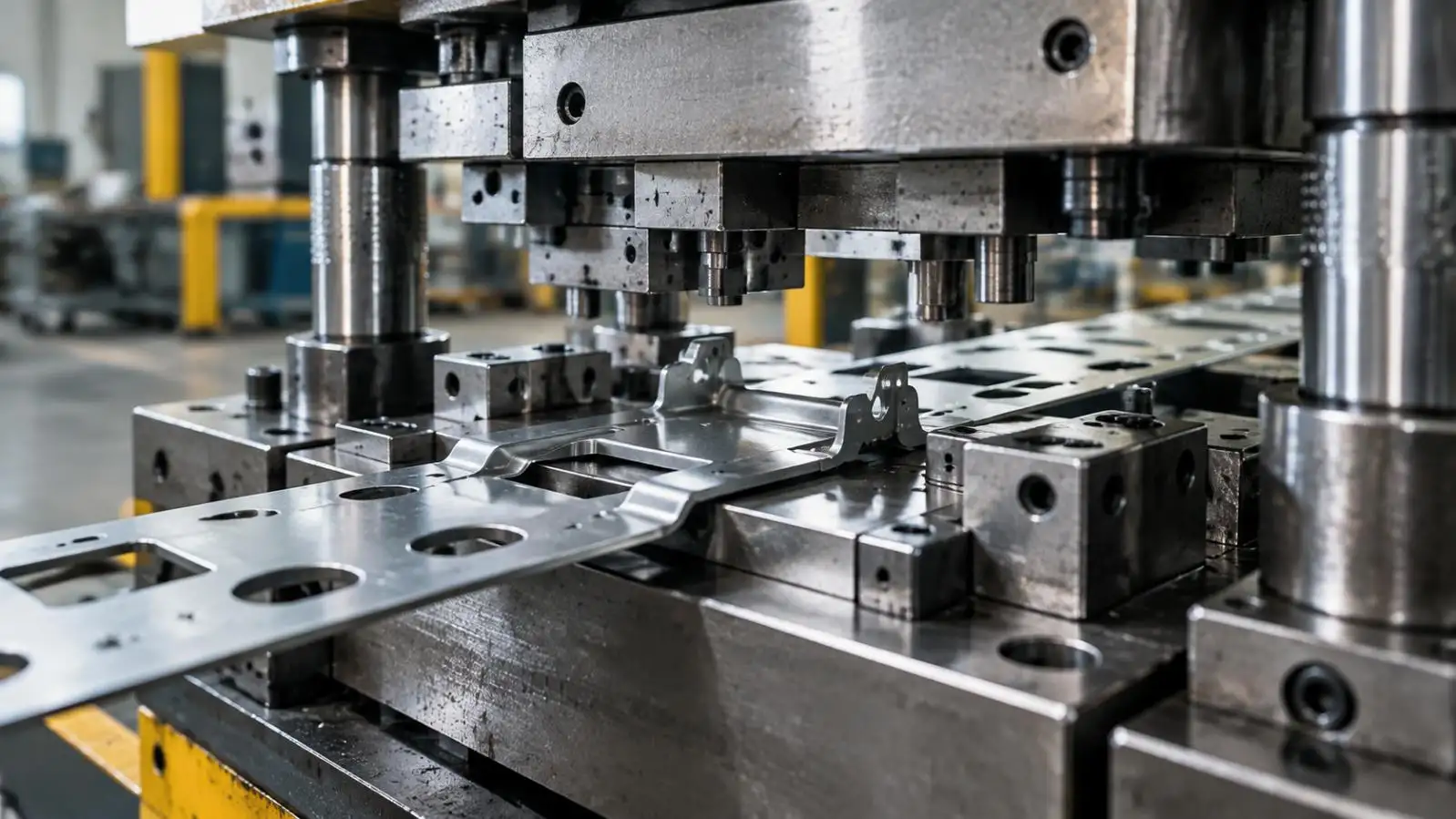
Hardware Stamping Springback Control for High-Strength Steel Parts
2026-09-24By KT Engineering -
 Hide blog post
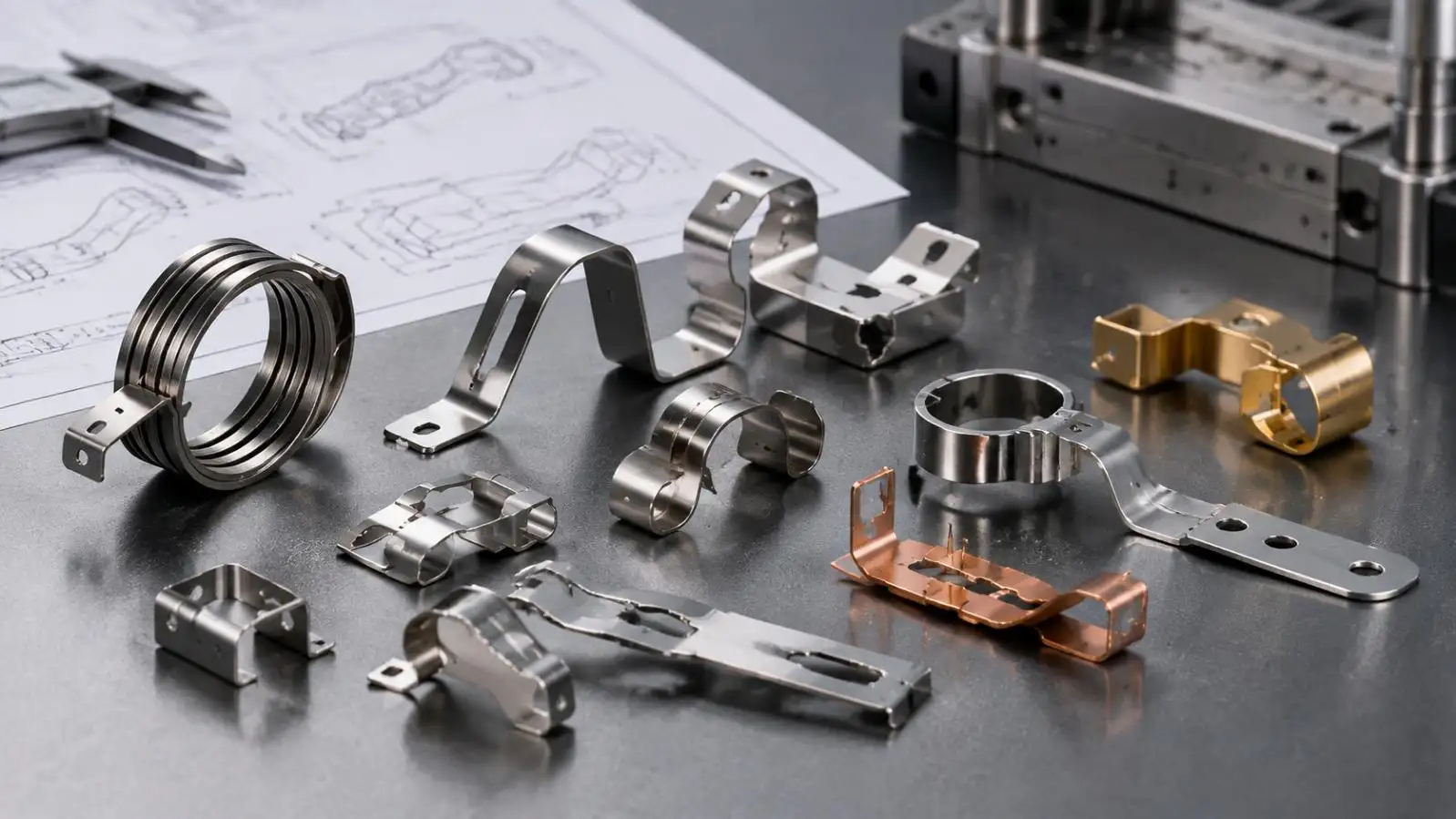
Spring Stamping Fatigue Life: How Geometry, Material and Edge Quality Affect Cycle Life
2026-09-24By KT Engineering -
 Hide blog post
Mechanical Automation Parts for Robot End Effectors and Positioning Accuracy
2026-09-23By KT Engineering