Contact Us
  Home /
 Top CNC Machine Equipment Every Manufacturer Needs in 2026


Table of Contents
- Why CNC Equipment Matters
- 1. CNC Milling Machines
- 2. CNC Lathes
- 3. CNC Laser Cutting Machines
- 4. CNC Plasma Cutters
- 5. CNC Waterjet Cutting Machines
- 6. CNC Routers
- 7. 5-Axis CNC Machining Centers
- 8. CNC Grinding Machines
- 9. EDM (Electrical Discharge Machines)
- How to Choose the Right CNC Equipment
- Future Trends in CNC Manufacturing
- Final Thoughts

Competition in manufacturing is greater as ever. Businesses are constantly challenged to be able to produce good quality parts in less time, while also cutting production costs and keeping the precision consistent. In the realm of modern manufacturing, Computer Numerical Control (CNC) technology has emerged as the backbone, offering an unparalleled level of automation in machining processes.
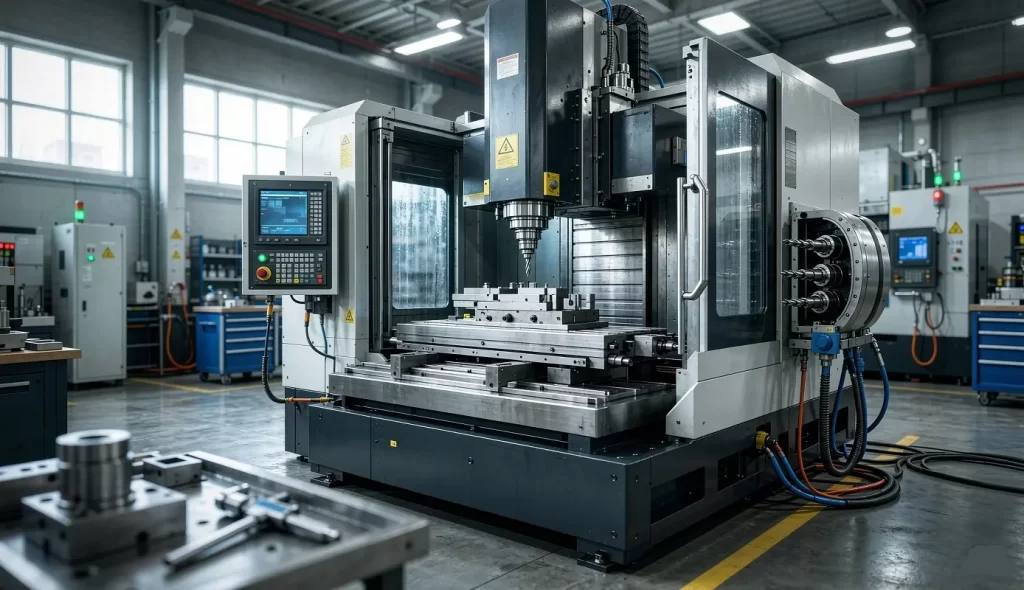
From the small fabrication shop to the large-scale production facility, having the proper CNC equipment can lead to a significant increase in productivity, product quality, and profitability. Various types of CNC machines are available to perform different kinds of manufacturing operations, ranging from cutting and milling to engraving and multi-axis complex manufacturing. The right equipment will depend on the type of materials, production quantity and tolerances desired. Today, flexible and efficient production lines are becoming more common, with an increasing number of manufacturers integrating different CNC production processes.
This guide highlights the key CNC machine equipment every manufacturer should to consider and what each machine can do to help make a manufacturing workflow smarter.
Why CNC Equipment Matters
CNC equipment replaces manual machining with computer-controlled precision. The benefits include:
- Higher machining accuracy
- Improved repeatability
- Faster production cycles
- Reduced labor costs
- Better surface finishes
- Lower material waste
- Increased production flexibility
CNC technology plays a crucial role in manufacturing components with high precision and repeatability in industries like aerospace, automotive, medical devices, electronics, energy, and industrial equipment.
1. CNC Milling Machines
Today's most versatile manufacturing system is the cnc milling machine. They remove material with a rotating cutting tool with the workpiece stationary or moving on multiple axes.
Common Applications
- Aluminum components
- Steel parts
- Mold manufacturing
- Medical devices
- Aerospace brackets
- Precision mechanical components
Advantages
- Excellent dimensional accuracy
- Handles complex geometries
- Suitable for prototypes and mass production
- Compatible with numerous cutting tools
Vertical machining centers (VMCs) are by far the most popular, horizontal machining centers (HMCs) are more efficient on high volume work.
2. CNC Lathes
CNC lathes are dedicated machines that can be used to turn cylindrical or rotational components. In machining, the piece being cut is rotated as cutting tools cut the surface or inside of the work piece.
Typical Products
- Shafts
- Bushings
- Bolts
- Hydraulic fittings
- Valves
- Medical implants
Key Benefits
- High-speed turning
- Excellent surface finish
- Tight dimensional tolerances
- Efficient mass production
Modern turning centers often integrate milling functions, reducing setup time and increasing productivity.
3. CNC Laser Cutting Machines
Laser cutting machines utilize highly concentrated laser beams to cut various materials with outstanding precision.
Suitable Materials
- Stainless steel
- Carbon steel
- Aluminum
- Copper
- Brass
- Acrylic
- Plastics
Advantages
- Extremely narrow cutting kerf
- Minimal material deformation
- High cutting speed
- Clean edges requiring little post-processing
Fiber laser technology has become the preferred choice for metal fabrication due to its efficiency and low maintenance requirements.
4. CNC Plasma Cutters
CNC plasma cutting is still one of the most cost-effective options for heavy-duty metal cutting.
Plasma cutters speed up the process of cutting conductive metals using a stream of ionized gas at very high temperatures and pressure.
Best For
- Structural steel
- Construction equipment
- Agricultural machinery
- Shipbuilding
- Industrial fabrication
Benefits
- Fast cutting speeds
- Low operating costs
- Excellent for thick plate processing
- Suitable for large-format production
While plasma cutting may not achieve the fine precision of laser cutting, it delivers exceptional value for thicker materials and large industrial projects.
5. CNC Waterjet Cutting Machines
Waterjet machines cut materials using ultra-high-pressure water, often combined with abrasive particles.
Unlike thermal cutting methods, waterjets generate no heat-affected zone.
Materials
- Titanium
- Glass
- Ceramics
- Stone
- Rubber
- Composite materials
- Stainless steel
Advantages
- No thermal distortion
- Excellent edge quality
- Cuts virtually any material
- Ideal for heat-sensitive applications
Manufacturers producing aerospace or specialty materials frequently choose waterjet cutting for its superior material preservation.
6. CNC Routers
CNC routers are widely used in woodworking, plastic fabrication, composite machining, and signage production.
Applications
- Furniture manufacturing
- Cabinet production
- Advertising signs
- Plastic panels
- Composite sheets
Benefits
- High-speed machining
- Easy operation
- Excellent for large panels
- Low production costs
Multi-spindle routers can significantly increase throughput for repetitive manufacturing.
7. 5-Axis CNC Machining Centers
When producing highly complex components, 5-axis machining centers provide unmatched flexibility.
Unlike conventional 3-axis machines, they allow simultaneous movement across five axes.
Industries
- Aerospace
- Defense
- Medical
- Automotive
- Energy
Advantages
- Fewer setups
- Higher precision
- Better surface finishes
- Reduced production time
- Ability to machine intricate geometries
Although the initial investment is higher, 5-axis machining often lowers overall manufacturing costs for complex parts.
8. CNC Grinding Machines
Grinding machines deliver ultra-high precision and superior surface finishes after primary machining operations.
Common Uses
- Bearings
- Gears
- Precision shafts
- Medical instruments
- Cutting tools
Benefits
- Micron-level accuracy
- Outstanding surface quality
- Tight tolerance control
- Extended component life
Grinding is often the final step in precision manufacturing.
9. EDM (Electrical Discharge Machines)
Electrical Discharge Machining removes material using controlled electrical sparks instead of mechanical cutting.
Ideal Applications
- Injection molds
- Die manufacturing
- Hard metals
- Complex internal cavities
Advantages
- Machines hardened materials
- Exceptional accuracy
- Complex internal features
- No cutting forces
Wire EDM is especially popular for precision tooling and mold production.
How to Choose the Right CNC Equipment
Before purchasing CNC machinery, manufacturers should evaluate several critical factors:
Production Requirements
Determine whether your focus is prototyping, custom manufacturing, or large-scale production.
Material Type
Different materials require different machining technologies.
For example:
- Laser cutting works well for sheet metal.
- Waterjet cutting excels with composites.
- Milling handles complex metal components.
- Routers are ideal for wood and plastics.
Precision Requirements
Industries such as aerospace and medical manufacturing demand much tighter tolerances than general fabrication.
Automation Level
Modern CNC equipment may include:
- Automatic tool changers
- Robotic loading systems
- Pallet changers
- Tool monitoring
- Smart production software
These features reduce downtime and increase machine utilization.
Total Cost of Ownership
Purchase price is only part of the investment.
Also consider:
- Maintenance costs
- Tooling expenses
- Software licensing
- Operator training
- Spare parts availability
- Energy consumption
Many well-established manufacturers are not only concerned about the brand, but also the rigidity of the machine, service support, stockability of spare parts, and long-term operating expenses.
Future Trends in CNC Manufacturing
The CNC sector is continually progressing and adopting the latest in digital technology.
Emerging innovations include:
- AI-assisted machining optimization
- Smart predictive maintenance
- Digital twin simulation
- Industrial Internet of Things (IIoT)
- Cloud-based production monitoring
- Automated quality inspection
- Collaborative robotics
These technologies can boost efficiency and minimize downtime and operating expenses for manufacturers.
Final Thoughts
One of the biggest investments a manufacturer can make will be selecting the appropriate CNC equipment. In today's manufacturing environment, all of these machines have specific applications, from milling machines and turning centers, to laser cutters, waterjet systems, routers, grinders, and advanced 5-axis machining centers.
Manufacturers should consider production objectives, material compatibility, the difficulty of machining, automation, and the total operating cost, not just price, when they are choosing the equipment for a job. By carefully planning CNC equipment strategy, businesses can boost productivity, enhance product quality, and stay competitive in the era of automation.
Incorporating the appropriate blend of CNC technologies can lead manufacturers to construct a flexible, efficient and future-ready manufacturing system that can satisfy the changing needs of the global industries.
- PREV: 3 Axis CNC Machining
- NEXT: CNC Machining Center Guide
Talk to the Manufacturer, Not a Middleman
Resources & Insights
-
 Hide blog post
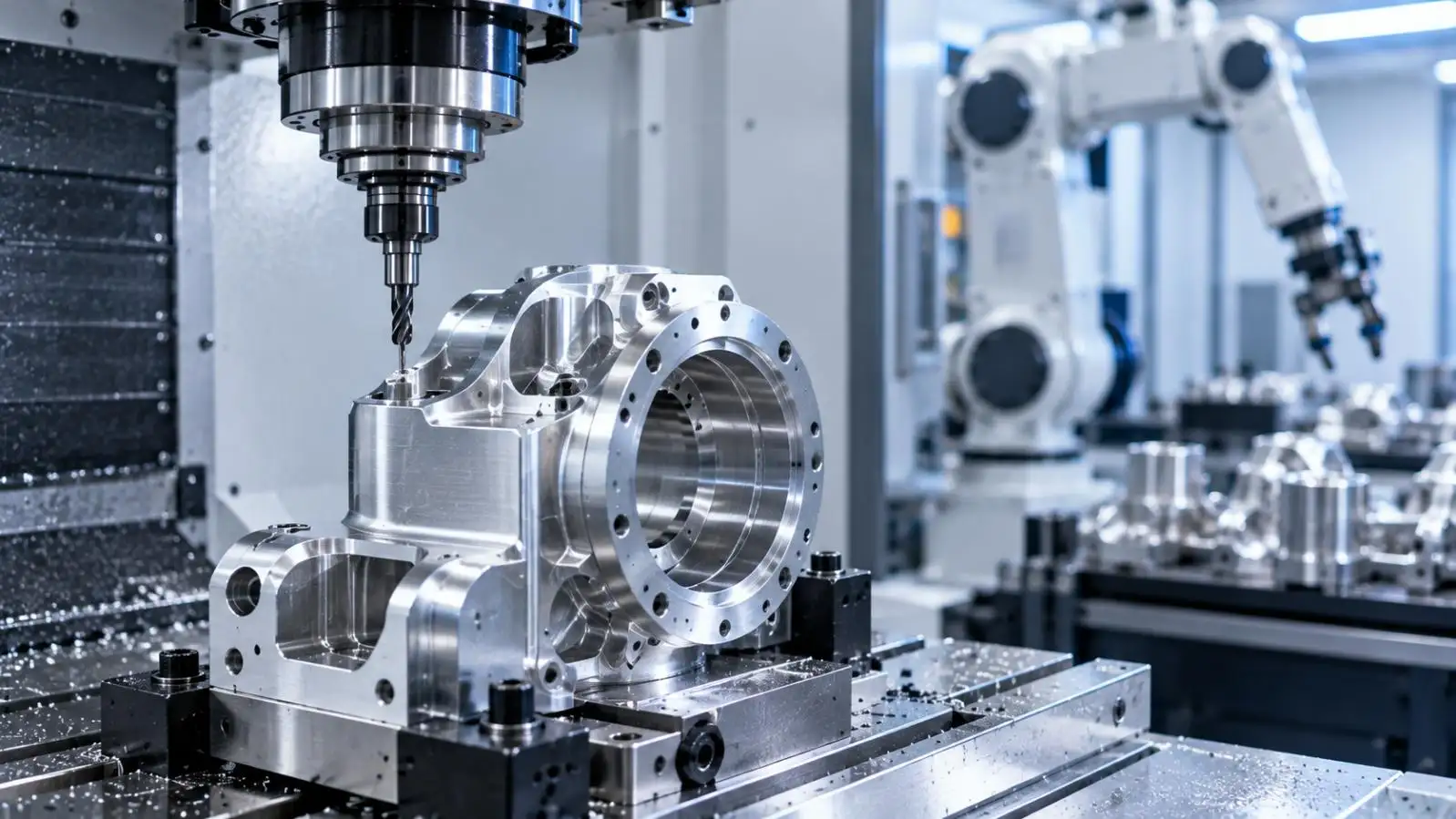
CNC Machining Robotic Parts: How GD&T Controls Robot Assembly Accuracy
2026-09-24By KT Engineering -
 Hide blog post
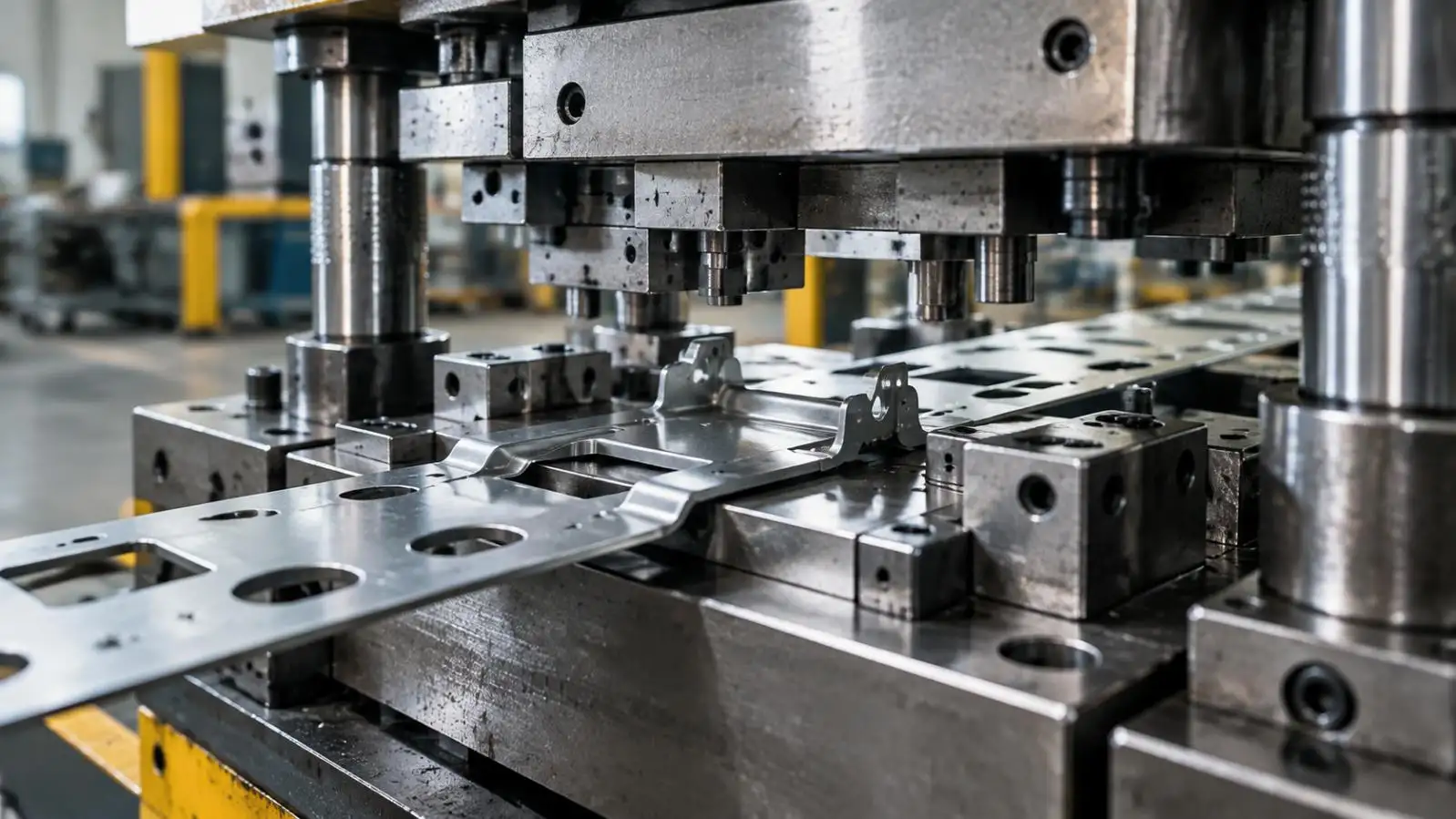
Hardware Stamping Springback Control for High-Strength Steel Parts
2026-09-24By KT Engineering -
 Hide blog post
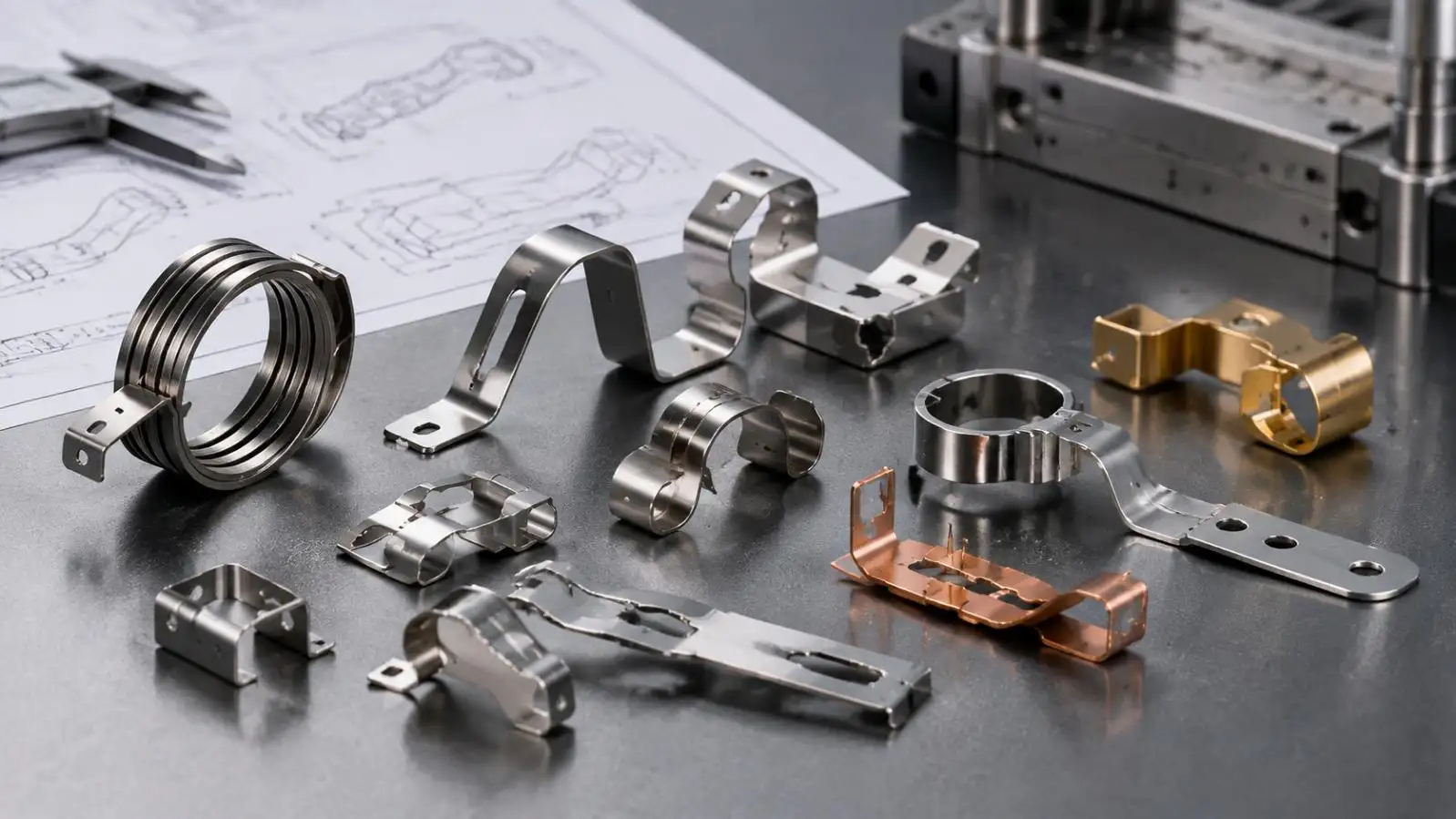
Spring Stamping Fatigue Life: How Geometry, Material and Edge Quality Affect Cycle Life
2026-09-24By KT Engineering -
 Hide blog post
Mechanical Automation Parts for Robot End Effectors and Positioning Accuracy
2026-09-23By KT Engineering