Contact Us
  Home /
 CNC machining vs injection molding: which is more cost-effective?


Table of Contents
- 1. Understanding the two manufacturing processes
- 2. Cost structure comparison
- 3. Break-even point: when injection molding becomes cheaper
- 4. Design flexibility and iteration cost
- 5. Material efficiency and waste
- 6. Precision and surface quality
- 7. Best use cases for each method
- 8. Industry application comparison
- 9. Final verdict: which is more cost-effective?
- Conclusion

Two of the most popular solutions for manufacturing precision parts in large quantities are CNC machining and Injection molding, both of which are significantly superior to traditional manufacturing techniques. Every process offers unique benefits, expense models and applications.
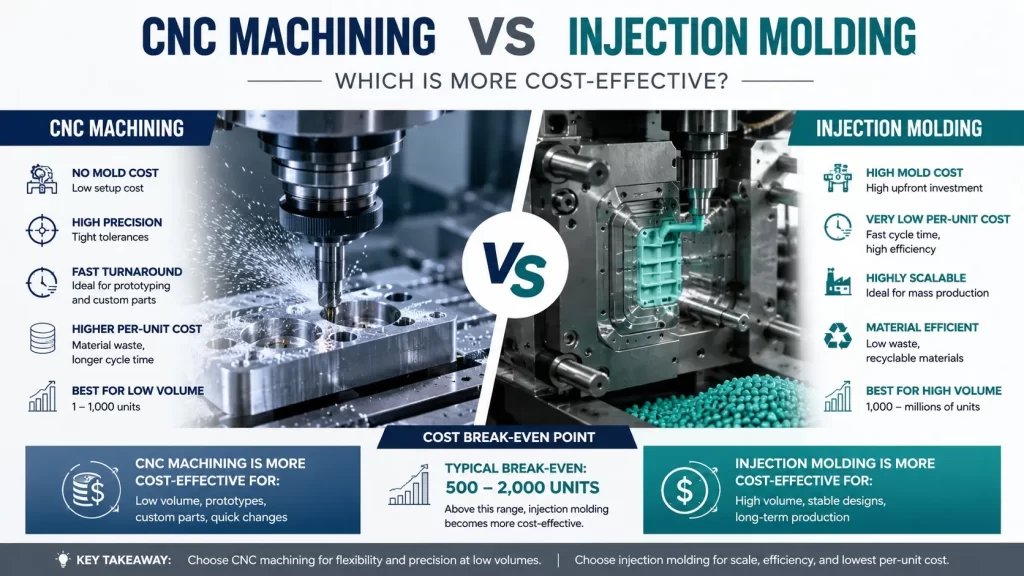
It isn't just a matter of, "which is cheaper," it's which is more cost effective for your production volume, design complexity, and product lifecycle.
In this article, the cost drivers are explained, both alternatives are compared in real manufacturing situations and the best alternative for your project is selected.
1. Understanding the two manufacturing processes
CNC machining (subtractive manufacturing)
CNC Machining is a technology that involves the removal of material from a solid block (metal or plastic) by a computer-controlled cutting tool to create a final shape. It is very accurate and adaptable, and is typically used for prototypes, small runs and high tolerances.
Common materials are aluminum, stainless steel, brass and engineering plastics.
Key characteristics:
- No mold required
- High precision (±0.01 mm or better)
- Fast setup time
- Ideal for customization and design changes
Injection molding (mass production forming)
Injection molding is a process where the melted plastic pellets are forced into the cavity of a steel mold. The part is ejected after cooling and the process is repeated at a high rate of speed.
It is the most common process used to produce plastic parts on a large scale.
Key characteristics:
- Requires custom mold tooling
- Extremely fast cycle time
- Low per-unit cost at scale
- Best for identical parts in large quantities
2. Cost structure comparison
To determine cost-effectiveness, we must break down total cost into three components:
1) Initial setup cost
CNC machining: Low setup cost
- No mold required
- Only CAD programming and tooling setup
- Ideal for prototypes or small batches
👉 Typical setup cost: low to moderate
Injection molding: High upfront investment
- Steel mold must be designed and manufactured
- Tooling can take weeks or months
👉 Typical mold cost: high (from hundreds to tens of thousands of dollars)
✔ Winner for small production: CNC machining
✔ Winner for large-scale production: injection molding (amortized cost advantage)
2) Per-unit production cost
CNC machining: Higher per unit cost
- Each part is individually machined
- Material waste is higher
- Machine time increases cost
👉 Cost per unit remains relatively stable regardless of volume
Injection molding: Extremely low per unit cost at scale
- Once mold is ready, cycle time is seconds per part
- Minimal labor required
- Material efficiency is high
👉 Cost per unit decreases significantly as volume increases
✔ Winner for high-volume production: injection molding
3) Production scalability
CNC machining: limited scalability
- Production speed depends on machine time
- Adding more machines increases cost linearly
- Best suited for 1–1,000 units
Injection molding: highly scalable
- One mold can produce hundreds of thousands or millions of parts
- Cycle time is extremely short
- Ideal for long-term mass production
✔ Winner: injection molding
3. Break-even point: when injection molding becomes cheaper
A key factor in cost-effectiveness is the break-even volume.
In most industries:
- CNC machining is cheaper below ~500–2,000 units
- Injection molding becomes cheaper above that range
Why?
Because injection molding’s high tooling cost is distributed across many units, dramatically lowering per-part cost.
Example:
- CNC part: $20 each × 1,000 units = $20,000
- Injection molding:
- Mold cost: $10,000
- Part cost: $2 × 1,000 = $2,000
- Total = $12,000 → significantly cheaper
As volume increases, injection molding becomes exponentially more cost-effective.
4. Design flexibility and iteration cost
CNC machining advantages
- Easy to modify CAD files
- No need to rebuild tooling
- Ideal for rapid prototyping and design testing
- Changes can be implemented immediately
Injection molding limitations
- Design changes require new mold or expensive modification
- Iteration is slow and costly
- Requires careful design freeze before production
✔ Winner for product development stage: CNC machining
5. Material efficiency and waste
CNC machining
- Subtractive process → generates chips and waste
- Material utilization is lower
- High-value metals increase cost impact
Injection molding
- Highly efficient material usage
- Minimal waste (sprues and runners can be recycled)
- Lower long-term material cost
✔ Winner for sustainability and efficiency: injection molding
6. Precision and surface quality
CNC machining
- Superior precision
- Excellent surface finish
- Ideal for aerospace, medical, automotive parts
Injection molding
- Good repeatability but limited by mold quality
- Surface finish depends on mold polish
- Slight shrinkage variations may occur
✔ Winner for precision engineering: CNC machining
7. Best use cases for each method
When CNC machining is more cost-effective:
- Prototypes and product development
- Low-volume production
- Custom or complex geometries
- Metal parts requiring high precision
- Frequent design iterations
When injection molding is more cost-effective:
- Mass production (thousands to millions of units)
- Plastic consumer products
- Automotive interior components
- Standardized, repeatable parts
- Long product lifecycle manufacturing
8. Industry application comparison
Electronics industry
- CNC machining: enclosures, prototypes, heat sinks
- Injection molding: plastic housings, connectors
Automotive industry
- CNC machining: engine components, custom parts
- Injection molding: dashboards, trims, clips
Medical industry
- CNC machining: surgical tools, implants
- Injection molding: disposable plastic devices
9. Final verdict: which is more cost-effective?
There is no universal winner. Cost-effectiveness depends entirely on production volume and product lifecycle.
- Choose CNC machining when you need:
- Low volume production
- High precision
- Fast iteration
- Flexible design changes
- Choose Injection molding when you need:
- Large-scale manufacturing
- Lowest per-unit cost
- High repeatability
- Long-term stable production
In simple terms:
CNC machining is cost-effective for flexibility and small batches.
Injection molding is cost-effective for scale and mass production.
Conclusion
To optimize manufacturing strategy, it is crucial to understand the cost structure of CNC machining and injection molding. In fact, many companies that are very successful, use both CNC machining for prototyping, and injection molding for final mass production.
Integrating the proper process at the appropriate point in the production line can, to a large extent, save money while keeping quality and efficiency high.
Talk to the Manufacturer, Not a Middleman
Resources & Insights
-
 Hide blog post
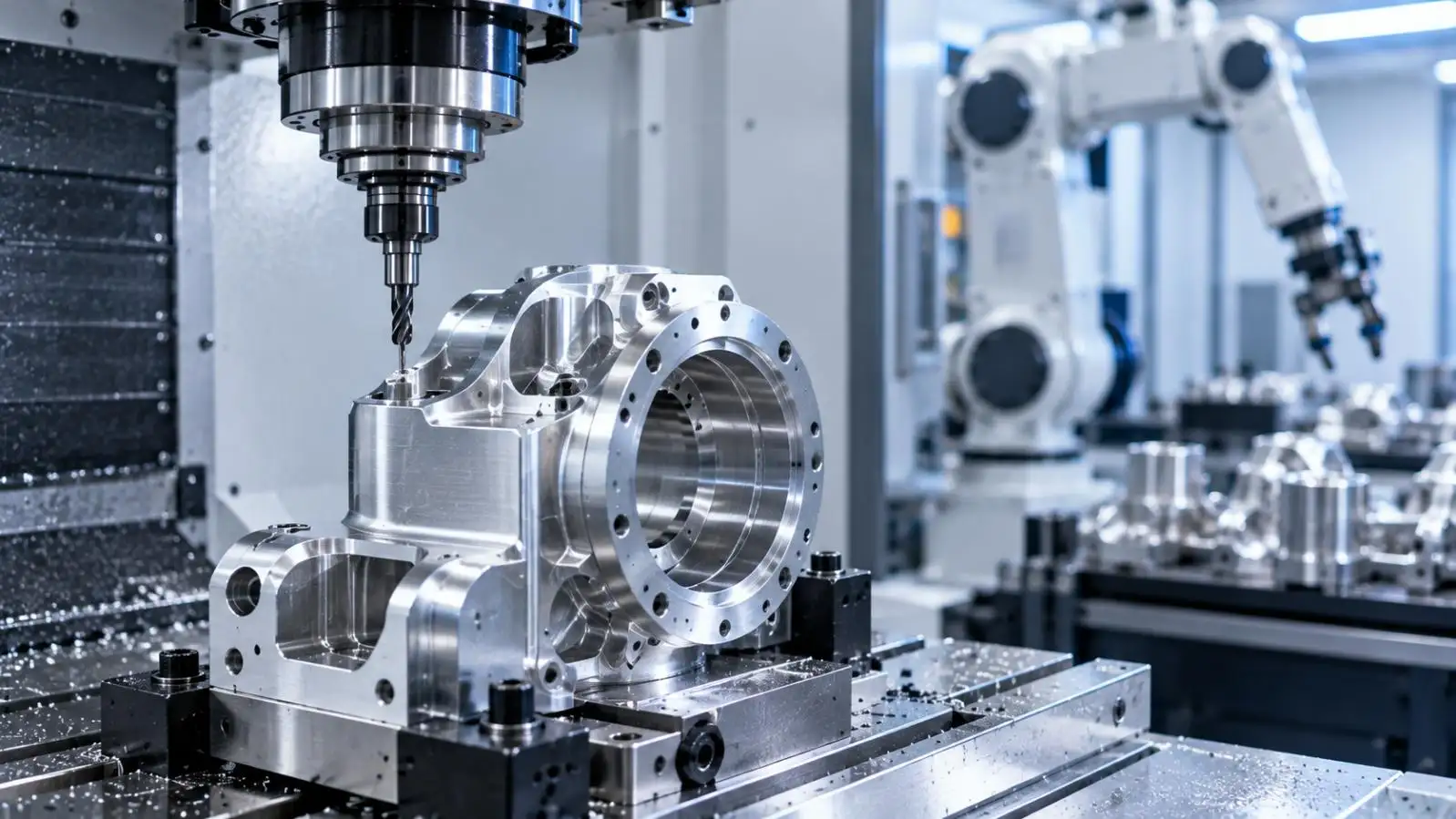
CNC Machining Robotic Parts: How GD&T Controls Robot Assembly Accuracy
2026-09-24By KT Engineering -
 Hide blog post
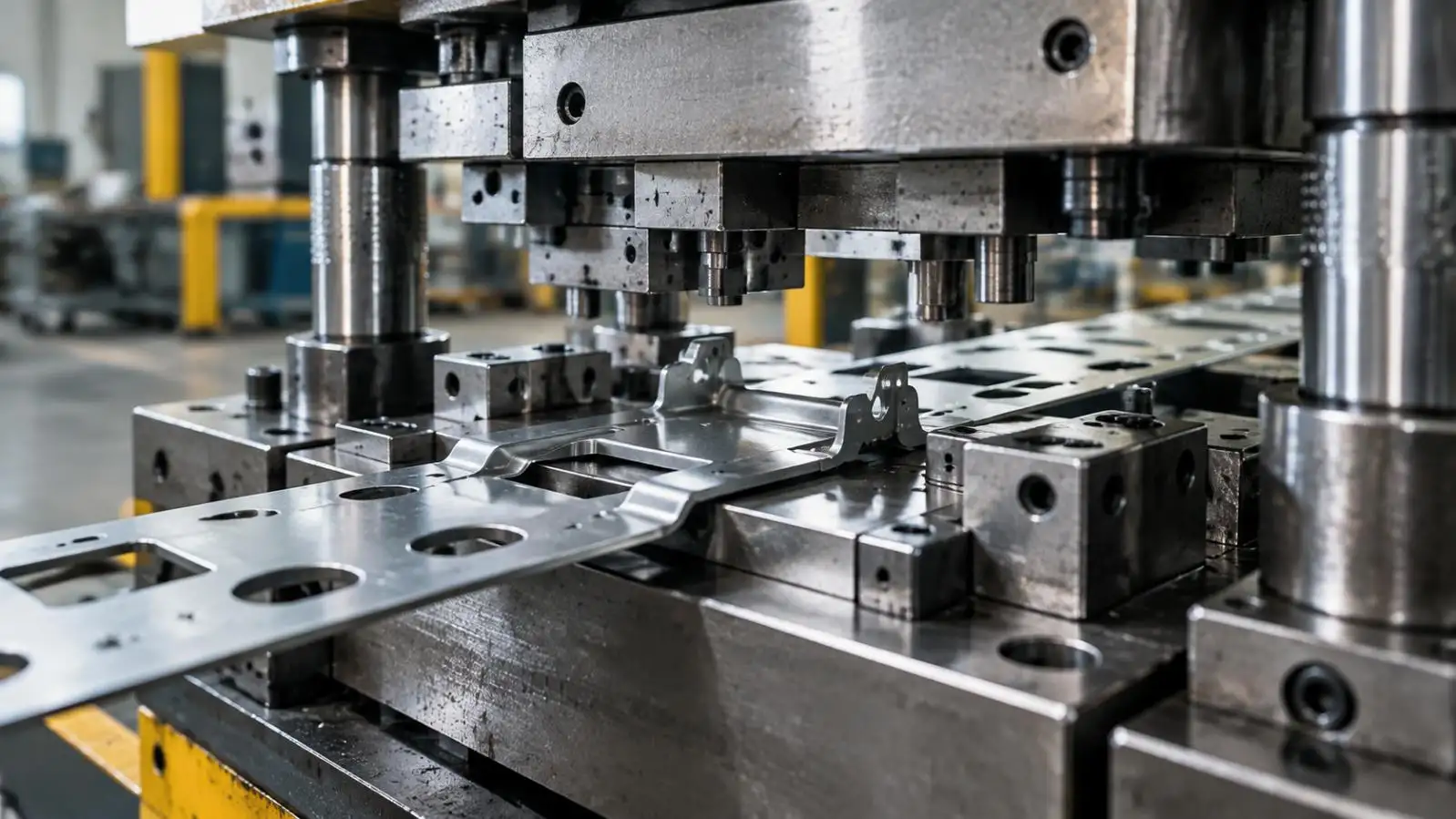
Hardware Stamping Springback Control for High-Strength Steel Parts
2026-09-24By KT Engineering -
 Hide blog post
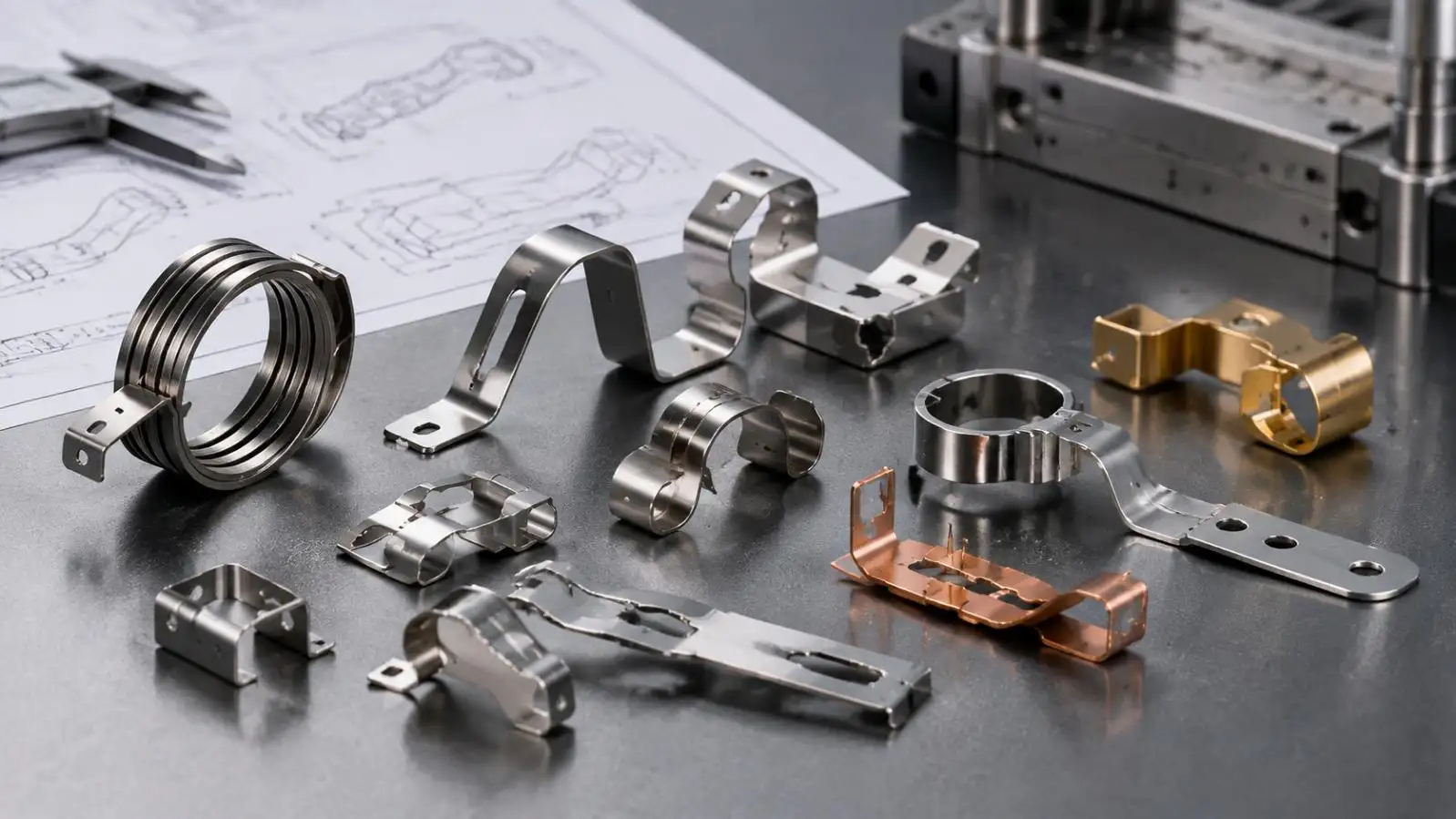
Spring Stamping Fatigue Life: How Geometry, Material and Edge Quality Affect Cycle Life
2026-09-24By KT Engineering -
 Hide blog post
Mechanical Automation Parts for Robot End Effectors and Positioning Accuracy
2026-09-23By KT Engineering