Contact Us
  Home /
 Die Casting Mold Guide


Table of Contents
- What Is a Die Casting Mold?
- Why Die Casting Mold Design Matters
- Main Components of a Die Casting Mold
- Common Materials Used for Die Casting Molds
- The Die Casting Mold Design Process
- Design Considerations for Better Mold Performance
- Common Die Casting Mold Defects
- Mold Maintenance Best Practices
- Industries That Depend on Die Casting Molds
- Choosing the Right Die Casting Mold Supplier
- Conclusion

The key to a good die casting project is a die casting mold. From producing automotive parts to electronic housings to industrial machinery to consumer goods, the quality of the mold directly affects the manufacturing process, the accuracy of the parts, and the manufacturing cost. Because the die casting mold is expected to endure thousands (or even millions) of castings, it's crucial that it be engineered properly for consistent performance.
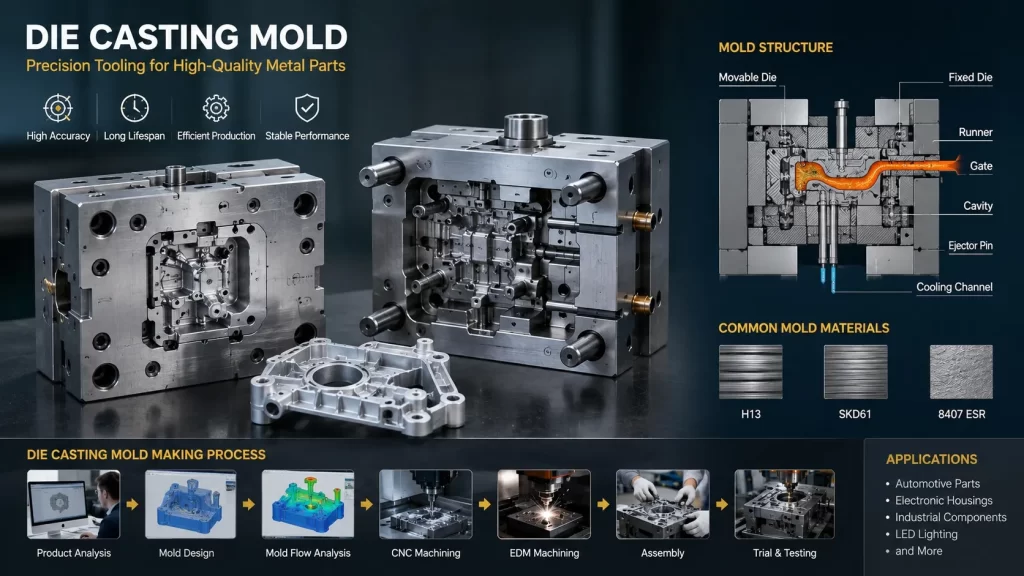
This guide outlines the operation of die casting moulds, the significant parts and components, the types of commonly used materials, design considerations, manufacturing of the moulds, maintenance and mould life extension advice.
What Is a Die Casting Mold?
A die casting mold, also known as a die, is a highly precision-machined steel container that is employed to inject high-pressure molten metal into a closed cavity in order to shape metal parts. After the molten alloy cools and hardens, the mold is opened, and the molded object is ejected.
Die casting molds do not need to be disposed after casting, and are designed for long-term use. With these benefits and their durability, die casting becomes one of the most cost effective manufacturing processes for medium and high volume production.
The commonly used materials in die casting are:
- Aluminum alloys
- Zinc alloys
- Magnesium alloys
- Copper-based alloys
The design of the mold is a critical factor that influences product quality as the mold dictates the shape, dimensions, surface finish etc. of the product being made.
Why Die Casting Mold Design Matters
Using an optimized mold design has multiple benefits:
Higher Part Accuracy
Precision machining guarantees close tolerance and repeatability of thousands of cycles.
Better Surface Finish
The cavities in a well-designed product reduce surface defect, and decrease the need for secondary finishing operations.
Faster Production
Coolers can reduce cycle times and ensure quality in an efficient manner.
Longer Tool Life
Correct material selection and heat management decrease cracking, wear and heat fatigue.
Lower Manufacturing Costs
While tooling is significant investment, a good quality mold can drastically reduce the cost of producing parts in huge numbers.
Main Components of a Die Casting Mold
A complete die casting mold consists of several integrated systems working together.
1. Mold Cavity
The cavity is the outside shape of the casting. The dimensional accuracy of the product depends on its machining accuracy.
2. Core
The cavity alone cannot be used to form the internal features of the core, such as holes, recesses, and channels, as the material below the surface melts.
3. Parting Line
The parting line is the boundary between the two sections of the mold, which are stationary and movable. Secure positioning prevents flash; and parts are easier to remove.
4. Runner System
The molten metal is carried from the injection chamber to the mold by the runner.
A well organised runner system helps:
- Maintain consistent metal flow
- Reduce turbulence
- Improve filling efficiency
- Minimize material waste
5. Gate System
The gate controls how molten metal enters the cavity.
Its design affects:
- Filling speed
- Pressure distribution
- Air entrapment
- Final casting quality
6. Overflow Wells
Overflow areas are designed to capture the extra metal and also to dislodge air and contaminants during metal filling.
7. Venting System
Proper venting allows gases to escape from the cavity before solidification.
Effective vent design helps prevent:
- Gas porosity
- Short shots
- Surface defects
- Burn marks
8. Cooling Channels
Cooling channels circulate water or oil to regulate mold temperature.
Uniform cooling improves:
- Cycle time
- Dimensional stability
- Surface quality
- Tool life
9. Ejector System
After solidification, ejector pins push the casting out of the mold safely without damaging delicate features.
Common Materials Used for Die Casting Molds
Because molds experience repeated exposure to high temperatures and injection pressures, premium tool steels are typically used.
Popular choices include:
H13 Tool Steel
The industry standard for aluminum die casting due to its excellent toughness, wear resistance, and thermal fatigue performance.
SKD61
Widely used for high-volume production with excellent heat resistance.
8407 ESR Steel
Provides superior polishability and extended service life for demanding applications.
The appropriate mold material depends on:
- Alloy being cast
- Production volume
- Expected mold lifespan
- Part complexity
The Die Casting Mold Design Process
Developing a die casting mold involves multiple engineering stages.
Step 1: Product Evaluation
Engineers analyze:
- Wall thickness
- Draft angles
- Undercuts
- Tolerances
- Production quantity
This determines whether die casting is the most suitable manufacturing process.
Step 2: Mold Flow Analysis
Simulation software predicts:
- Metal flow
- Air entrapment
- Temperature distribution
- Solidification behavior
Virtual testing helps identify potential defects before manufacturing begins.
Step 3: Mold Structure Design
Design engineers create:
- Cavity layout
- Core configuration
- Runner system
- Gates
- Cooling channels
- Vent locations
- Ejection mechanism
Step 4: CNC Machining
High-precision CNC machining creates the mold components with micron-level accuracy.
Additional processes often include:
- EDM machining
- Wire cutting
- Grinding
- Polishing
Step 5: Assembly and Testing
After assembly, trial production validates:
- Filling performance
- Cooling efficiency
- Ejection
- Dimensional accuracy
- Surface quality
Necessary adjustments are made before mass production begins.
Design Considerations for Better Mold Performance
Several factors influence mold quality and production efficiency.
Draft Angle
Adequate draft allows easier part removal while reducing mold wear.
Typical draft ranges from 1° to 3°, depending on material and geometry.
Uniform Wall Thickness
Consistent wall thickness promotes even cooling and minimizes shrinkage defects.
Rounded Corners
Sharp internal corners create stress concentrations.
Generous radii improve metal flow and extend mold life.
Gate Position
Proper gate placement ensures balanced filling and reduces turbulence.
Cooling Layout
Efficient cooling channels shorten production cycles while minimizing thermal distortion.
Vent Design
Proper vent placement eliminates trapped air and significantly reduces porosity.
Common Die Casting Mold Defects
Even well-designed molds require optimization.
Typical issues include:
Flash
Excess material forms along the parting line due to insufficient clamping force or mold wear.
Porosity
Gas entrapment or shrinkage leaves internal voids that reduce mechanical strength.
Short Shots
Incomplete filling occurs when molten metal solidifies before reaching every section of the cavity.
Soldering
Molten aluminum adheres to the mold surface because of improper temperature control or unsuitable coatings.
Heat Checking
Repeated thermal cycling causes small surface cracks over time.
Routine maintenance helps prevent these problems.
Mold Maintenance Best Practices
Regular maintenance significantly extends mold life.
Recommended practices include:
- Clean cavities after each production run
- Inspect ejector pins regularly
- Polish worn surfaces
- Monitor cooling channel performance
- Replace damaged inserts promptly
- Lubricate moving components
- Check alignment of mold halves
Preventive maintenance minimizes downtime and ensures stable production quality.
Industries That Depend on Die Casting Molds
Die casting molds are widely used across modern manufacturing industries.
Major applications include:
- Automotive engine components
- Electric vehicle housings
- Consumer electronics
- Telecommunications equipment
- Industrial machinery
- LED lighting fixtures
- Medical devices
- Aerospace components
As lightweight metals continue replacing heavier materials, demand for precision die casting molds continues to grow.
Choosing the Right Die Casting Mold Supplier
Selecting an experienced tooling manufacturer is critical for project success.
Look for suppliers that provide:
- Professional mold design support
- Mold flow simulation
- Advanced CNC machining
- Strict quality inspection
- Tool maintenance services
- Engineering optimization
- High-volume production capability
Having a successful supplier to speed up development time and product quality during the mold service life.
Conclusion
A die casting mold isn't just a production tool; it's the heart of a successful and productive die casting operation. Every design decision impacts production speed, part quality and manufacturing costs, from cavity design to cooling systems, venting, gating, material selection and more.
An engineered mould allows manufacturers to achieve a high degree of accuracy, superior surface finishes, longer mould life and lower per part costs. From making automotive parts, electronic housings to industrial components, a good quality die casting mold is crucial for a manufacturing company to succeed in the long-term and stay competitive in the manufacturing market.
Talk to the Manufacturer, Not a Middleman
Resources & Insights
-
 Hide blog post
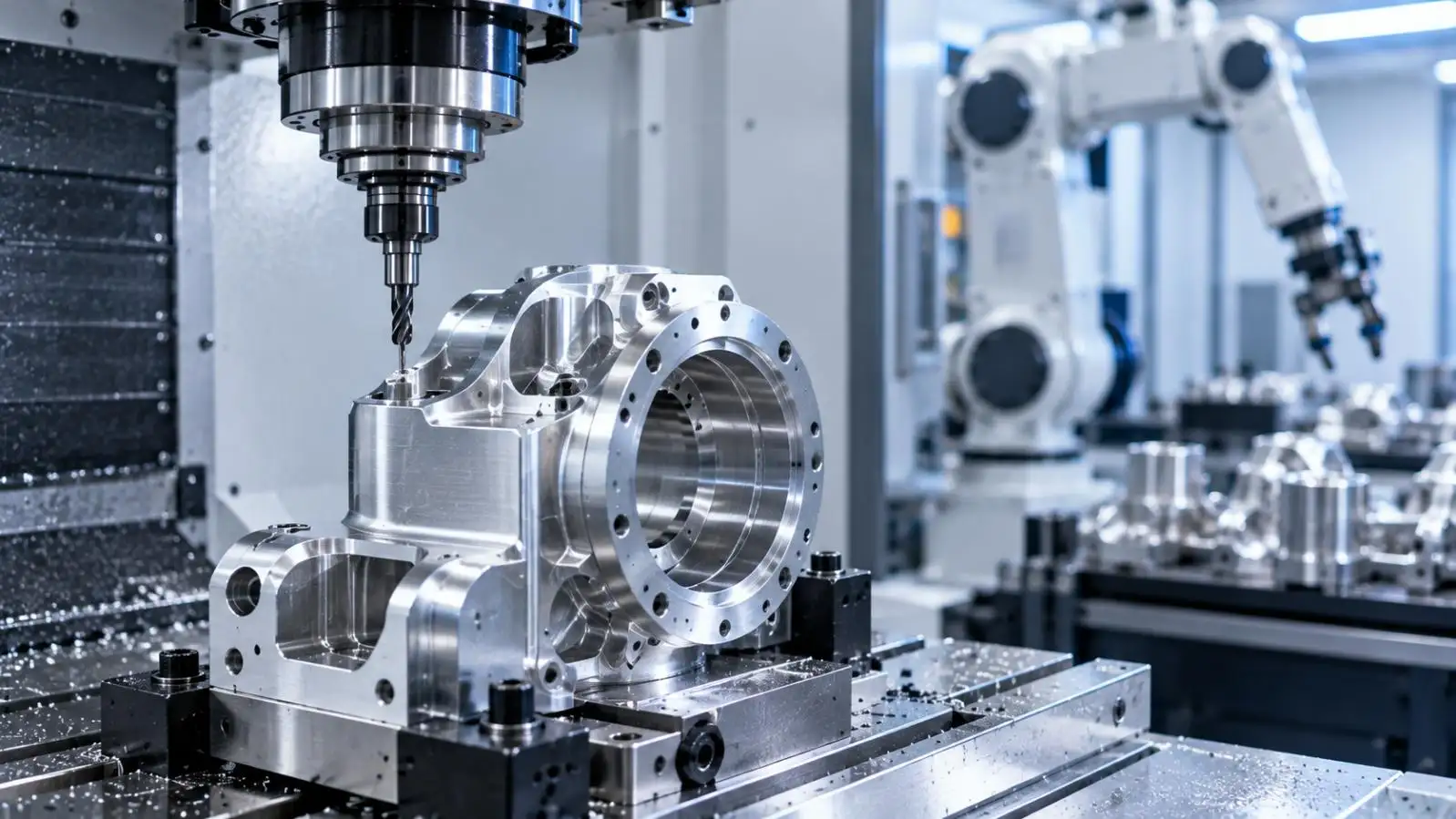
CNC Machining Robotic Parts: How GD&T Controls Robot Assembly Accuracy
2026-09-24By KT Engineering -
 Hide blog post
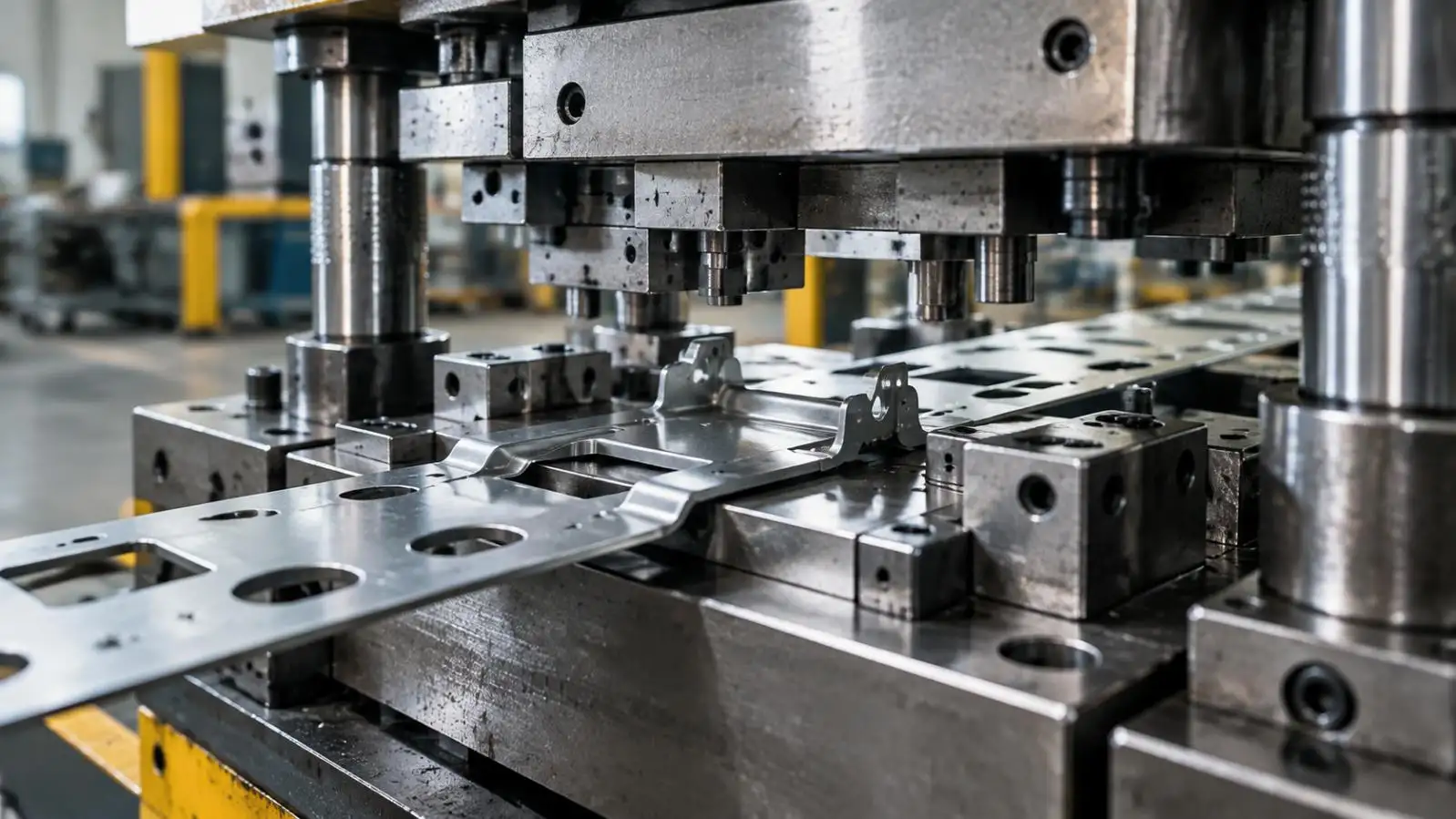
Hardware Stamping Springback Control for High-Strength Steel Parts
2026-09-24By KT Engineering -
 Hide blog post
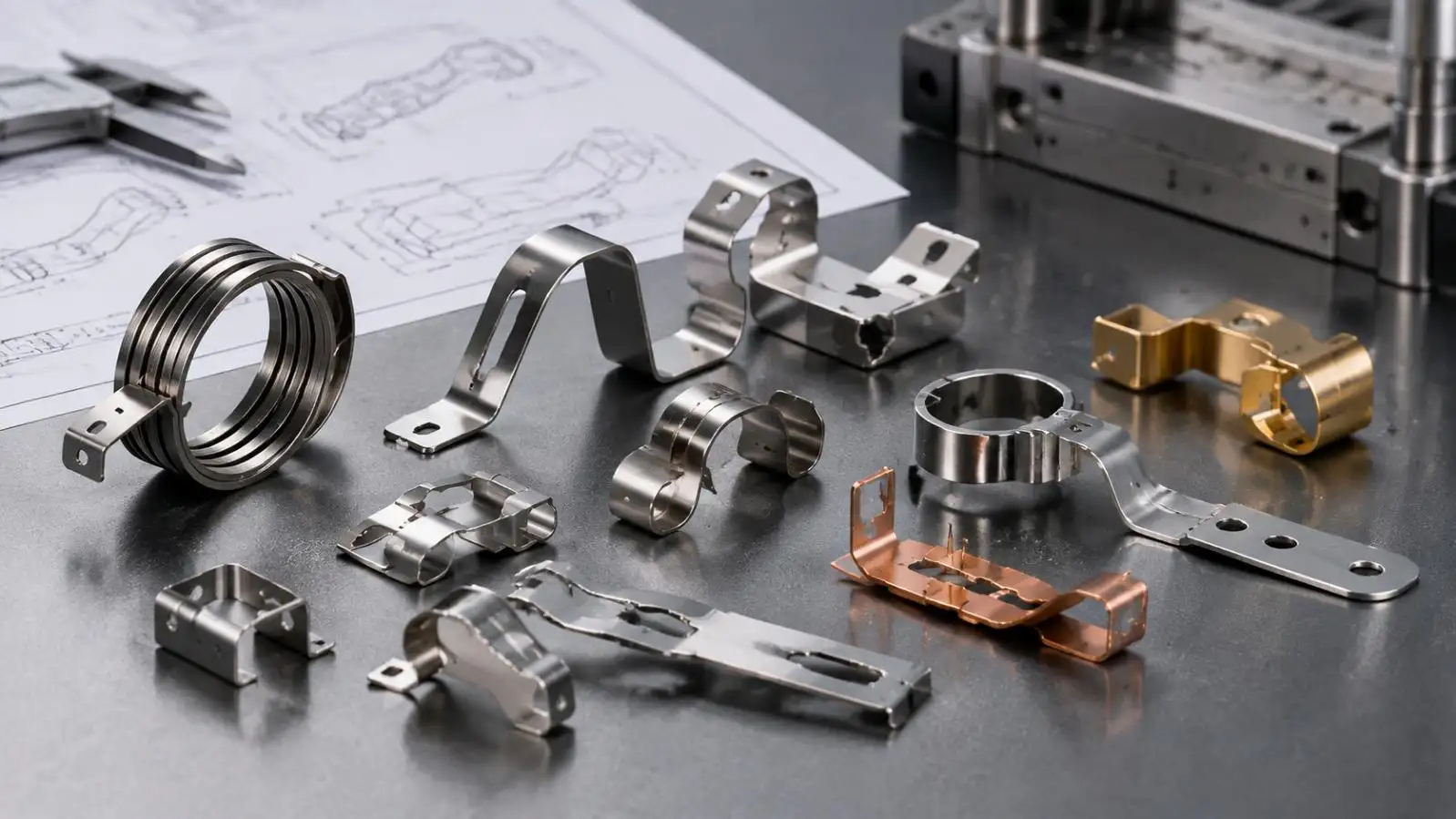
Spring Stamping Fatigue Life: How Geometry, Material and Edge Quality Affect Cycle Life
2026-09-24By KT Engineering -
 Hide blog post
Mechanical Automation Parts for Robot End Effectors and Positioning Accuracy
2026-09-23By KT Engineering