Contact Us
 Home /
How to Choose a Custom Automation Parts Manufacturer for Reliable, High-Precision Production


Table of Contents
- Why your choice of manufacturer matters
- Start with your own requirements
-
Core criteria for evaluating manufacturers
- CRITERION 01 CNC machining and manufacturing capabilities
- CRITERION 02 Experience with automation equipment components
- CRITERION 03 Quality system and process stability
- CRITERION 04 Communication and technical support
- CRITERION 05 Lead times, delivery reliability, and flexibility
- CRITERION 06 Cost structure and total value
- CRITERION 07 Long-term partnership potential
- Questions to ask a potential manufacturer
- How KTC Machining matches these criteria
- A practical selection process
- Visual examples of a suitable manufacturing environment
- Conclusion

Selecting a custom automation parts manufacturer is a key decision for any company building automation equipment, robotics, or production lines. The precision and reliability of your parts affect machine performance, downtime, and customer satisfaction.
Whether you are an equipment OEM, system integrator, or end user, you need to look beyond unit price. A good partner offers the right capabilities, stable processes and clear communication, as well as long-term support.
This guide outlines how to evaluate a custom automation parts manufacturer, drawing on KTC Machining’s experience as a China-based CNC machining supplier for automation components.
Why your choice of manufacturer matters
Automation systems depend on the quality of their parts. Custom machined components such as brackets, housings, shafts, plates, and frames must hold tight tolerances and withstand demanding conditions.
Risk from a poor supplier
Inconsistent dimensional accuracy; quality issues that appear during assembly or in the field; delivery delays that disrupt project schedules; and higher overall cost from rework, scrap, and downtime.
Value from a strong partner
Stable, repeatable quality over many batches; parts that assemble easily and perform reliably; predictable lead times and on-time delivery; and lower project risk and lifecycle cost.
Start with your own requirements
Clarify your needs before you approach manufacturers. This helps you filter out suppliers who are not a good fit and compare responses more effectively.
Define technical specifications
Specify the material, including aluminum alloys for light structural parts, stainless steel for corrosion resistance, tool steel for high-wear components, and engineering plastics for insulation or weight reduction.
Define dimensional and geometric tolerances, such as ±0.01 mm or tighter, flatness, perpendicularity, and concentricity. Also specify surface finish, Ra values, cosmetic needs, load capacity, stiffness, mating-part fit, and thermal or environmental conditions.
Clarify volume and delivery needs
Automation projects may require prototypes and small batches for new designs, medium-volume production for established models, and repeat orders for spare parts and upgrades.
Define expected batch sizes, required lead times from order to shipment, and forecast annual demand. This helps you match with a manufacturer that can support both development and long-term supply.
Core criteria for evaluating manufacturers
Use a structured approach when comparing custom automation parts suppliers. The following criteria cover capability, experience, quality, communication, delivery, value, and partnership potential.
CRITERION 01 CNC machining and manufacturing capabilities
Look for CNC milling for 3D surfaces, plates, and housings; CNC turning for shafts, bushings, and round parts; multi-axis machining for complex geometries and tight positional tolerances; and secondary operations such as grinding, tapping, threading, and deburring.
Ask about the number and type of CNC machines, maximum part size and weight, typical production tolerances, and the ability to handle both prototype and production quantities. A shop like KTC Machining, which focuses on precision CNC machining for automation equipment, usually offers a complete set of metal and plastic machining services suited to this field.
CRITERION 02 Experience with automation equipment components
Not every CNC shop understands automation needs. Producing these parts requires high stability and repeatable accuracy, consistent dimensions across batches, an understanding of assembly, motion, and alignment requirements, and awareness of dynamic loads and vibration.
Check whether the manufacturer has a long-term focus on automation components and experience supplying parts for robots, production lines, or industrial machinery. Suppliers that have grown by serving automation equipment manufacturers, such as KTC Machining, are more likely to understand real application needs and common failure modes.
CRITERION 03 Quality system and process stability
Ask about incoming material inspection and certificates, in-process inspection, final inspection procedures and records, and measuring equipment such as CMMs, height gauges, and micrometers.
Look for documented process controls, standardized fixtures and setups, traceability for batches and revisions, and experience in long-term supply programs. KTC Machining, for example, focuses on production and quality stability, which matters when you need the same part over the full life of a machine.
CRITERION 04 Communication and technical support
Evaluate how the manufacturer reviews 2D drawings and 3D models for manufacturability, suggests tolerance changes and cost-effective machining approaches, and flags potential assembly problems early.
Look for fast replies to RFQs and technical questions, clear explanations of feasibility, risks, and alternatives, and regular production updates for critical orders. Shops that work with international customers, like KTC Machining, typically have established ways to manage time zones and keep projects moving.
CRITERION 05 Lead times, delivery reliability, and flexibility
Ask about standard lead times for prototypes and production runs, the ability to support urgent or pulled-in schedules, and historical on-time delivery rates. A manufacturer that commits to on-time delivery for every order, as KTC Machining states, fits the needs of fast-moving automation projects.
Your supplier should also handle design iterations, engineering change orders, and customization for different machine variants. They should implement drawing revisions quickly, handle short runs and changes without quality issues, and adjust capacity as project volume grows or shrinks.
CRITERION 06 Cost structure and total value
Chasing the lowest unit price can increase total cost through quality issues and delays. Look at quality and consistency that reduce rework and scrap, reliable delivery that protects schedules, and engineering support that prevents design and production problems.
A manufacturer that offers competitive pricing together with stable quality and delivery, such as KTC Machining, often delivers better value than a low-price-only supplier.
CRITERION 07 Long-term partnership potential
Automation equipment can remain in service for many years. Consider whether the supplier shows commitment to long-term cooperation, capacity to handle repeat orders and growth, ongoing improvement in technology and processes, and a stable team and organization.
KTC Machining emphasizes steady growth with both new and existing customers, which signals a focus on long-term partnerships.
Questions to ask a potential manufacturer
Use these questions during evaluation and RFQ stages.
Technical and process
1. What tolerances do you usually hold on CNC-milled automation parts?
2. Which materials do you most often machine for automation equipment?
3. How do you keep quality consistent across many batches?
4. Can you help optimize designs for manufacturability and cost?
Capacity and delivery
1. What are your standard lead times for prototypes and production?
2. What batch sizes are your processes best suited for?
3. How do you handle urgent orders or schedule changes?
4. What is your typical on-time delivery rate?
Experience and references
1. Do you supply parts for automation equipment, robots, or production lines now?
2. What types of automation components have you produced?
3. How long have you been serving international customers?
Communication and service
1. How quickly do you usually respond to RFQs and technical questions?
2. How do you update customers during production?
3. What documentation do you send with shipments, such as inspection reports or material certificates?
Traits of a strong automation parts supplier
From an automation equipment manufacturer’s point of view, a strong custom parts partner shows a professional CNC machining focus and clear specialization in automation components; high and stable quality proven through repeat production and long-term customers; reliable, on-time delivery supported by planning systems; willingness to support long-term projects rather than only one-off jobs; and the ability to communicate effectively with international customers.
KTC Machining positions itself in this way as a China CNC machining supplier for automation components, with an emphasis on stable quality, reliable delivery, and long-term relationships.
How KTC Machining matches these criteria
For buyers considering China-based CNC machining for automation equipment, KTC Machining illustrates how a supplier can align with the criteria above.
Focus on automation components
KTC Machining specializes in precision CNC parts for automation equipment, including structural parts and mounting brackets, machined plates and frames, precision housings and interfaces, and custom metal and plastic parts used in industrial automation.
This focus means that fixtures, inspection methods, and quality standards are adapted to automation needs.
Emphasis on quality and stability
KTC Machining prioritizes high-quality CNC machining, stable production processes for ongoing supply, and continuous cooperation with both new and existing customers. These points match the needs of OEMs and integrators who rely on dependable part performance over many years.
Delivery and long-term cooperation
KTC Machining stresses on-time delivery for every order and long-term cooperation and mutual development with customers. For automation projects with staged design, assembly, and commissioning, such reliability is vital.
Each buyer should still carry out their own audits and qualification, but KTC Machining’s positioning and track record make it a relevant candidate in the China CNC machining market for custom automation parts.
A practical selection process
STEP 01 Build a shortlist
Identify manufacturers that provide precision CNC machining, show experience with automation equipment parts, and present clear, professional, international-facing information. If you are looking for a specialized China CNC machining partner, include KTC Machining in your shortlist.
STEP 02 Hold an initial technical review
Share 2D drawings and 3D models of representative parts, material, tolerance, and finish requirements, as well as expected quantities and lead times. Then judge the quality and speed of their responses and their understanding of automation-specific needs.
STEP 03 Place sample or prototype orders
Use small orders to check dimensional accuracy and surface finish, review packaging, documentation, and delivery performance, and see how the supplier responds to feedback and small changes. Suppliers who perform well in this phase are more likely to be strong long-term partners.
STEP 04 Expand to regular production
After successful prototypes, add more parts and higher volumes, align forecasts and delivery plans, and consider framework or long-term agreements. Continue to track quality, communication, and delivery against your expectations.
Visual examples of a suitable manufacturing environment
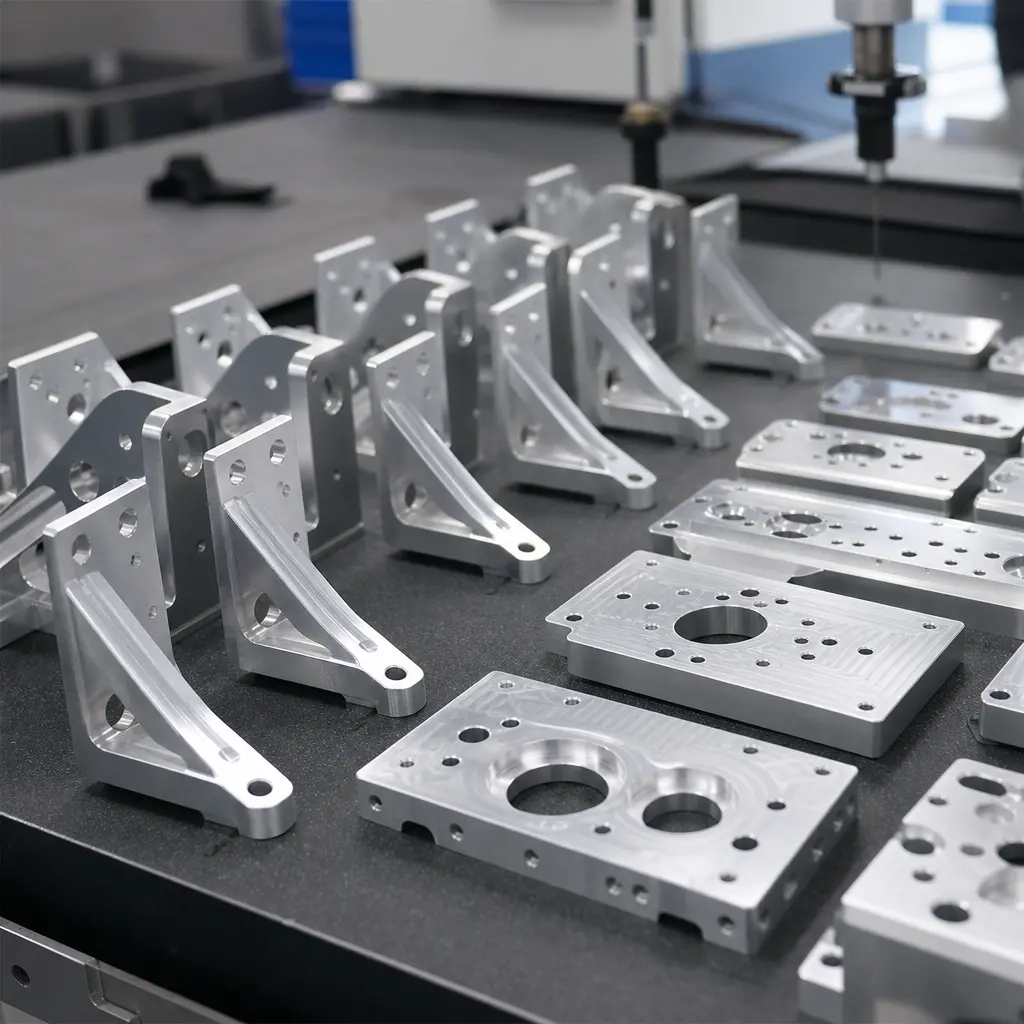
— Precision-machined automation components arranged for inspection
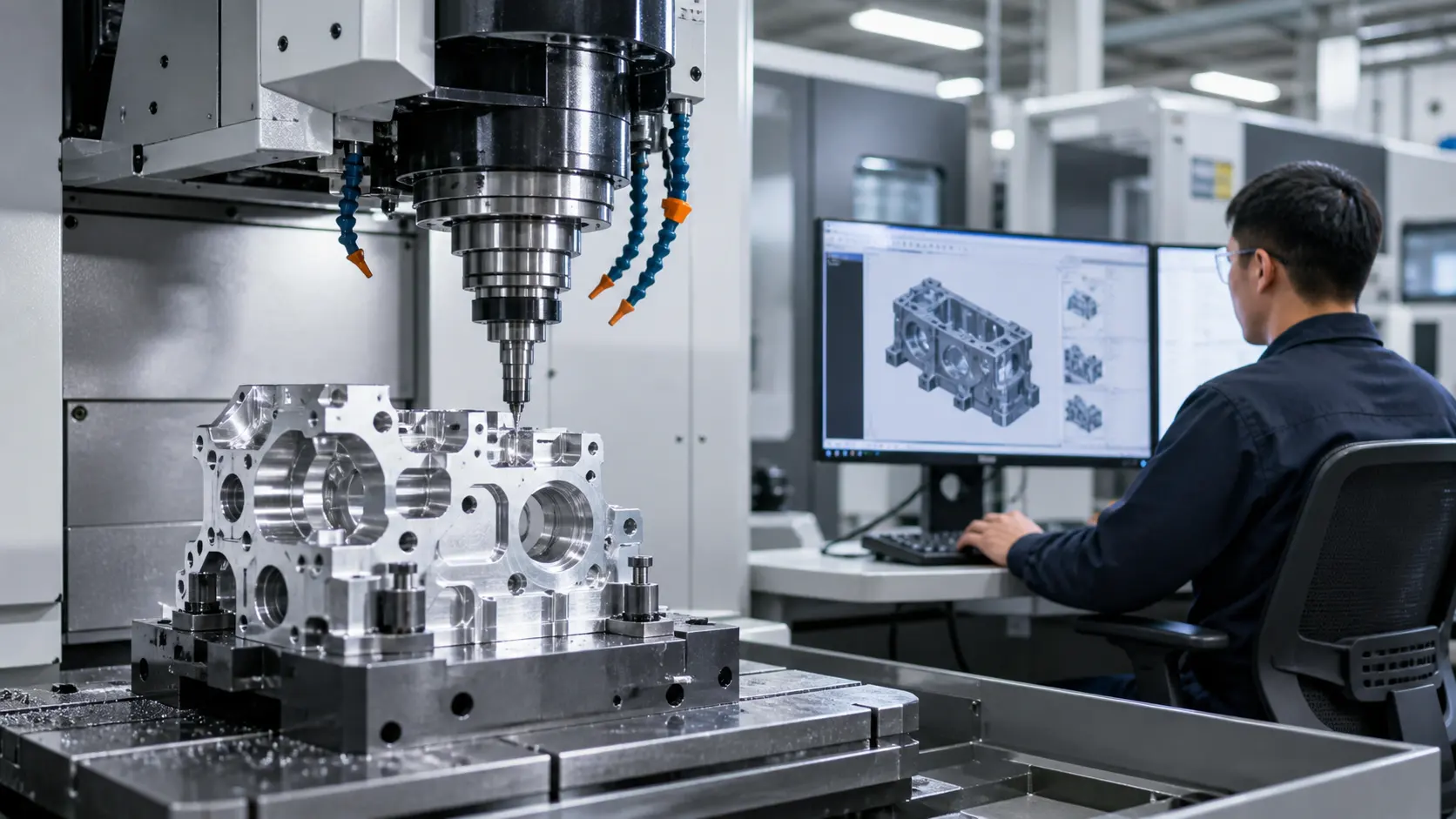
— CNC machining center and engineering review
These images show the kind of shop floor, equipment, and part handling you should expect from a professional custom automation parts manufacturer.
Conclusion
Choosing a custom automation parts manufacturer is a foundation for any automation project. The right supplier understands automation-specific requirements, offers precise and stable CNC machining capabilities, delivers on time at a competitive and value-focused cost, and supports long-term cooperation and continuous improvement.
By carefully reviewing technical capability, quality systems, communication, delivery, and partnership potential, you can reduce project risk and improve equipment performance.
For companies looking for a dedicated China CNC machining supplier for automation components, KTC Machining is an example of a manufacturer aligned with these needs, combining specialized CNC focus, stable quality, and a long-term customer approach.
If you are planning new automation equipment, upgrading existing systems, or seeking a more reliable source of custom parts, it is a good time to review your suppliers and engage with specialists who can support your growth with high-quality automation components.
FAQ: choosing a custom automation parts manufacturer
Talk to the Manufacturer, Not a Middleman
Resources & Insights
-
 News
CNC Machining Robotic Parts: How GD&T Controls Robot Assembly Accuracy
2026-09-24By KT Engineering -
 News
Hardware Stamping Springback Control for High-Strength Steel Parts
2026-09-24By KT Engineering -
 News
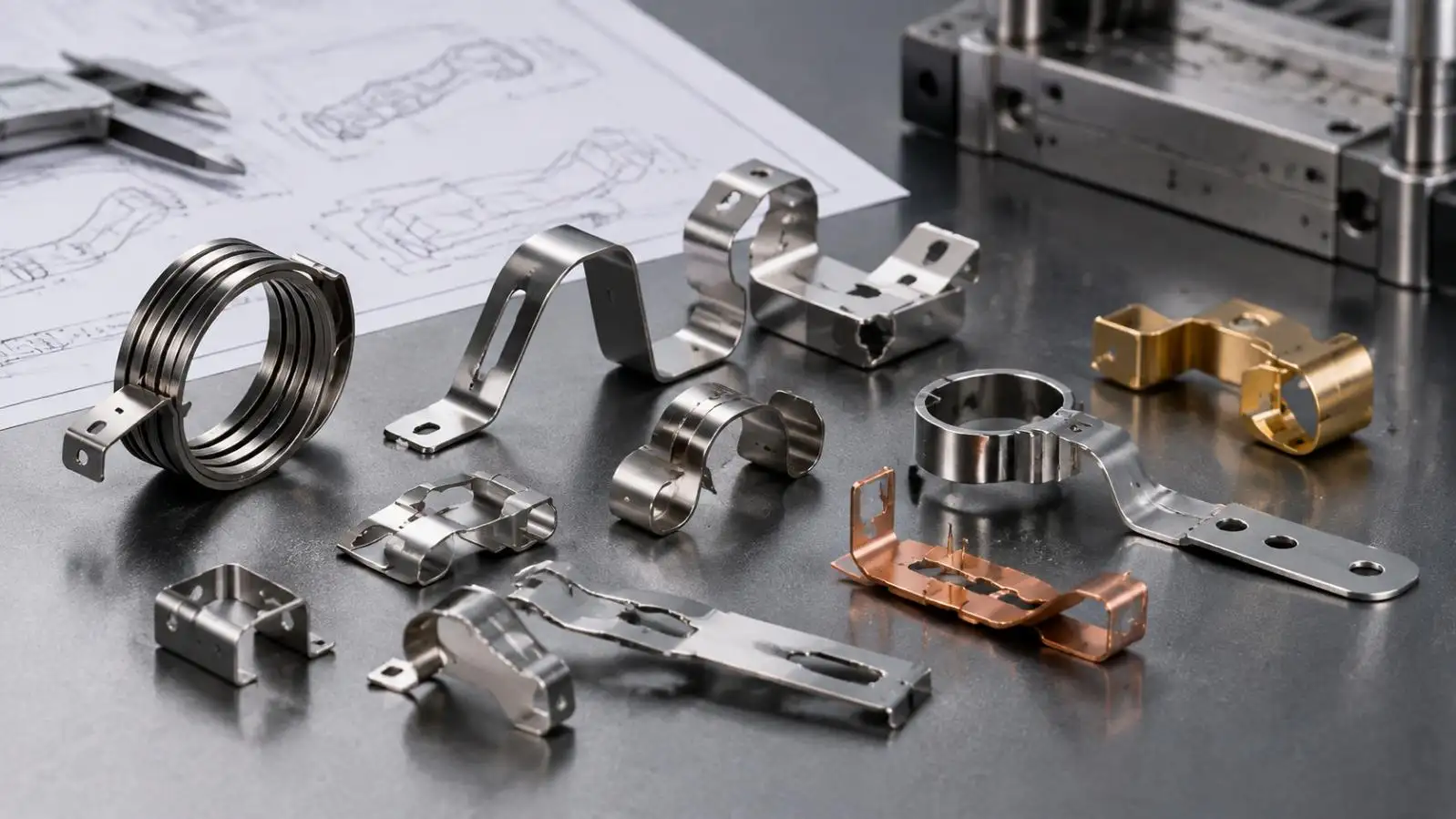
Spring Stamping Fatigue Life: How Geometry, Material and Edge Quality Affect Cycle Life
2026-09-24By KT Engineering -
 News
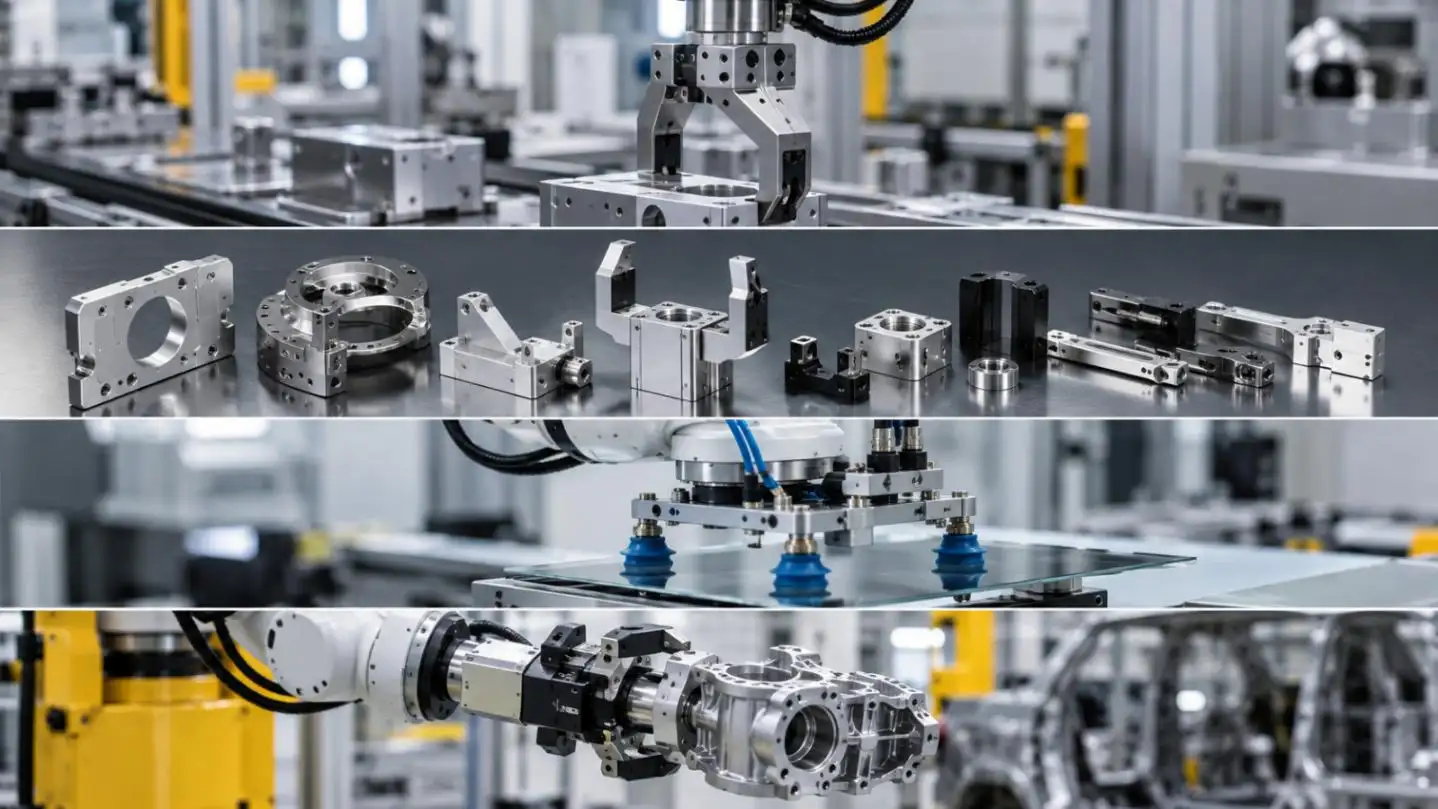
Mechanical Automation Parts for Robot End Effectors and Positioning Accuracy
2026-09-23By KT Engineering