Contact Us
  Home /
 Low-Tolerance Machining Services | CNC Manufacturing Solutions


Table of Contents

What are Low-Tolerance Machining Services?
Low tolerance machining services are manufacturing processes where parts are machined to very tight dimensional tolerances, as small as ±0.001 inch (±0.0254 mm) or even smaller in ultra-precision machines.
This degree of control is realized by:
• CNC accuracy production systems.
• Real-time monitored advanced machining solutions.
• Ultra-precision fabrication methods
• Stringent dimensional accuracy control systems.
This kind of services is required when parts should fit perfectly in assemblies such as engines, surgical equipment, robotics, and defense systems.
Any slight deviation may lead to failure in such industries as aerospace component manufacturing. This is why tight tolerance production is regarded as the mainstay of mission-critical production.
Low-Tolerance Machining Services: Component Precision Engineering
- Not only is precision a requirement in modern manufacturing, but it is the foundation of performance. Low-tolerance machining services are important in manufacturing parts where a single micron variation can impact functionality, safety, and durability. In aerospace assemblies, medical implants, and other industries, precision low-tolerance machining is used to make sure that all the parts fit and do just what they were designed to do.
- This field is fundamentally the control of variation. It combines high-technology engineering, CNC automation, and strict quality controls in order to achieve high precision machining services to meet the most demanding specifications.
CNC Low-Tolerance Machining and Modern Manufacturing
The current trend in the industry in the production of complex and accurate parts is CNC low-tolerance machining. Multi-axis CNC machines allow manufacturers to create very complicated geometries at a very high level of accuracy.
Modern processes include:
- CNC milling and turning.
- Multi-axis machining (3-axis, 4-axis, and 5-axis) operation.
- Computerized CNC machining.
- Accurate metal-cutting technology.
- High-performance manufacturing workflow
Such systems are able to support the accuracy of CNC machining standards in thousands of parts.
Applications of Low-Tolerance Machining Services
Low-tolerance machining is not limited to a single industry. It supports a wide range of high-performance industries.
Aerospace Industry
• Aircraft engine components
• Structural brackets
• Turbine parts
• Precision housings
Automotive Industry
• Engine blocks
• Transmission systems
• Fuel injection components
• High-performance braking systems
Medical Industry
• Surgical instruments
• Orthopedic implants
• Diagnostic equipment parts
• Biocompatible precision components
Defense Industry
• Weapon system components
• Navigation systems
• Tactical equipment housings
Electronics Industry
• Micro connectors
• Heat sinks
• Precision enclosures
Close tolerance engineering is applied in all these industries to ensure safety, performance, and reliability.
Micron Precision Machining Technical Standards
The tight control systems and measurement technologies are required to attain the micron-level machining accuracy.
Key standards include:
• Tolerances of machining to within ±0.001 inch.
• Surface roughness (Ra values as low as 0.2 µm)
• Checking the repeatability of CNC machining.
• Engineering to tolerance requirements.
• Production of quality in line with the ISO standards.
In order to have consistency, manufacturers have to be very dependent on quality assurance, machining standards, and in-process monitoring systems.
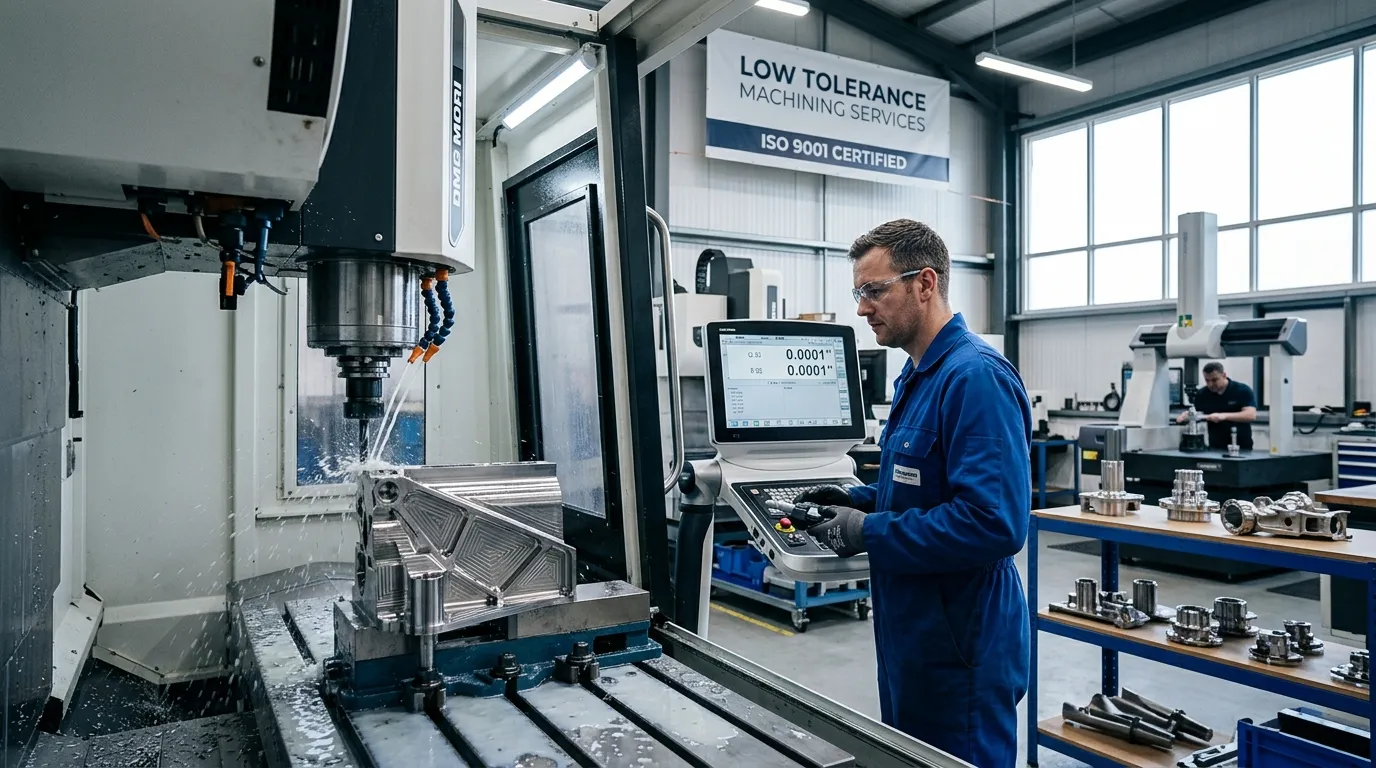
The Processes Behind Ultra-Precision Fabrication
Low-tolerance machining is a combination of high-tech processes to achieve its results.
- Subtractive Manufacturing Processes
A cutting tool is used to cut a solid block to remove material, and it is highly accurate.
- Prototype Machining Services
Tested and validated before full production.
- Batch Production Machining
Assures uniformity in mass production.
- Tailor-Made Metal Fabrication
Customized products to meet special engineering needs.
Industrial Machining Processes
Designed to be applied in heavy-duty and high-performance environments. The processes result in an efficient and precise high-performance manufacturing workflow.
Surface Finish and Control of Dimensional Accuracy
Performance is largely dependent on surface quality. Improper finishing can lead to friction, wear, or failure.
Manufacturers control:
• Roughness of the surface (Ra, Rz values)
• Tool vibration levels
• Maximization of cutting speed and feed rate.
This guarantees control of dimensional accuracy and enhances product life.
State-of-the-Art CNC Low Tolerance Production
Modern factories have advanced systems in place so as to take precision limits to a higher level.
Capabilities include:
• Live CNC monitoring systems.
• AI-assisted machining adjustments
• High-speed spindle technology
• Thermal deformation compensation
• Automated calibration systems
These inventions enhance high-end CNC low-tolerance production and enhance reliability in industries.
Connecting Precision Machining to Plastic CNC Turning
Metals are not the only materials that can be machined with low tolerance. It also contaminates plastics, which require special treatment due to the flexibility of the material. A good example is CNC plastic turning, where precision is the most important factor for lightweight and non-metal components.
Plastic machining requires:
• Regulated cutting speeds to avoid melting.
• Clean-edge sharp tooling.
• Thermal stability management
• Flexible materials, tight tolerance calibration.
This expands the scope of precision machining to electronics, automotive interiors, and medical housings.
Why are Industries Attracted to Low-Tolerance Machining Services
This method is adopted by companies as it provides unparalleled reliability.
Key advantages include:
• Precise high-accuracy machining of complex designs.
• Reduced assembly errors
• Improved product lifespan
• Mass production with high repeatability.
• Conformance to rigorous engineering requirements.
This renders it suitable for industrial tight-tolerance CNC machining and mission-critical applications.
KT CNC Machining: Accuracy That You Can Count On
At KT CNC Machining, the advanced systems and skilled engineering give world-class precision solutions. From prototyping to mass production, the focus is on offering custom CNC machining of tight-tolerance parts that are up to global standards.
The company integrates:
• ISO-certified machining services
• Advanced machining solutions
• CNC accuracy production skills.
• Stringent tolerance checking mechanisms.
This guarantees that each part is to precise engineering standards.
Conclusion:
Low-tolerance machining does not simply involve cutting metal or molding plastic. It is doing things perfectly in motion, where a single micron counts and each detail determines performance. The basis of the innovation is low-tolerance machining services that are needed in a world where industries need faster production and error-free execution.
Contact KT CNC Machining when you need precision, dependability, and flawless performance for your project. Study better engineering, high-quality, and unmatched accuracy production that is oriented towards vital industries.
Talk to the Manufacturer, Not a Middleman
Resources & Insights
-
 Blog
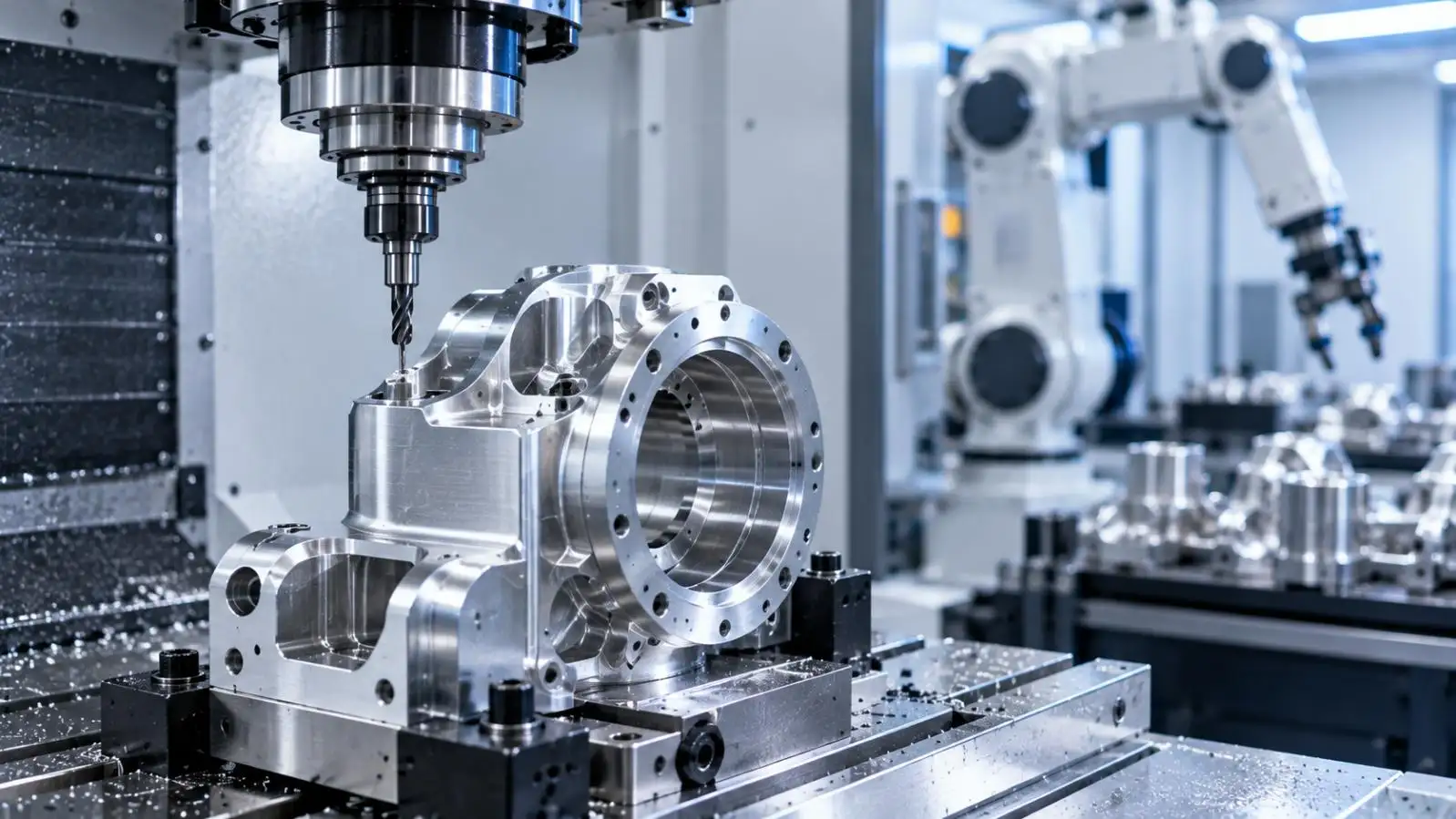
BlogCNC Machining Robotic Parts: How GD&T Controls Robot Assembly Accuracy
2026-09-24By KT Engineering -
 Blog
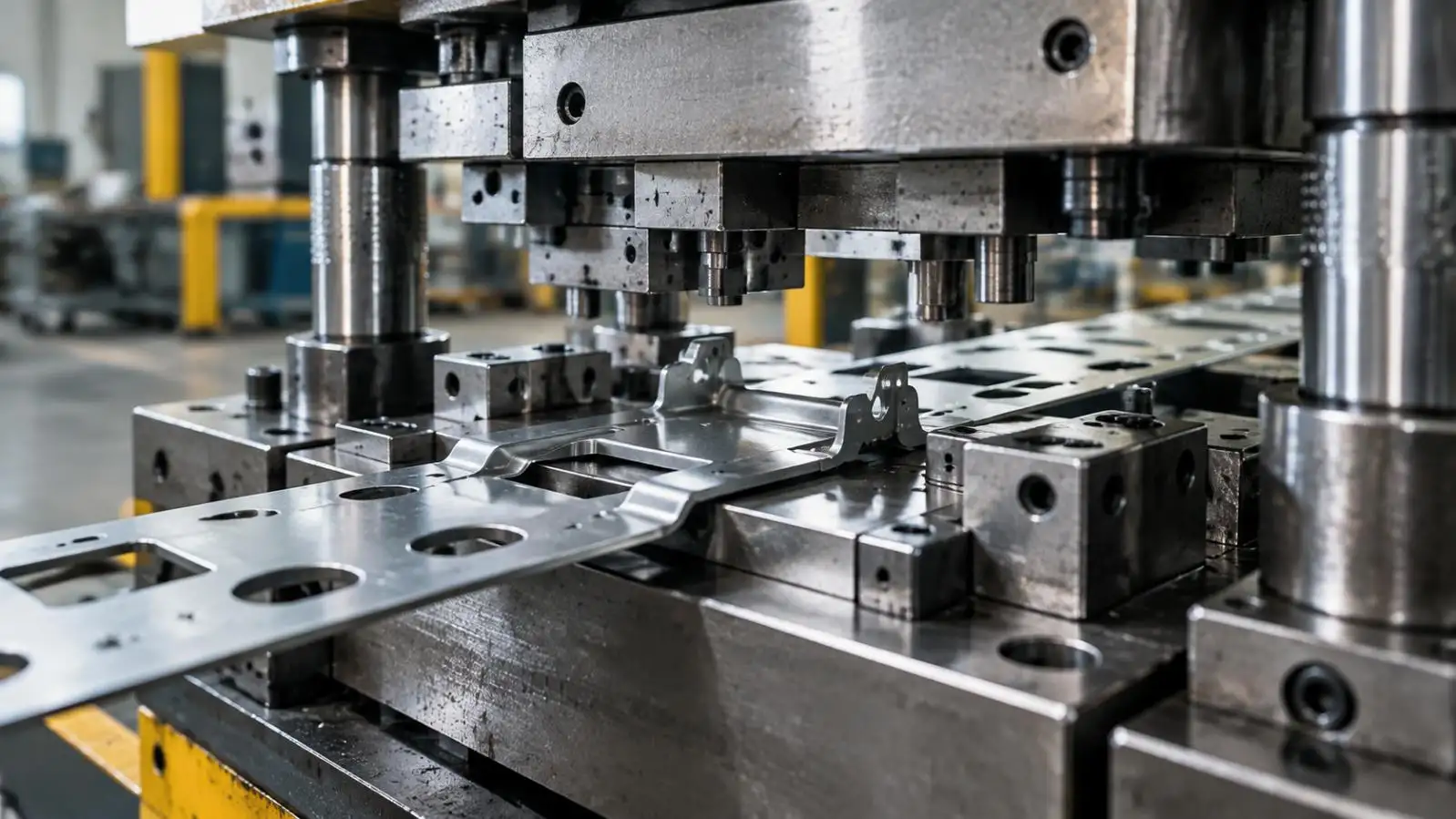
BlogHardware Stamping Springback Control for High-Strength Steel Parts
2026-09-24By KT Engineering -
 Blog
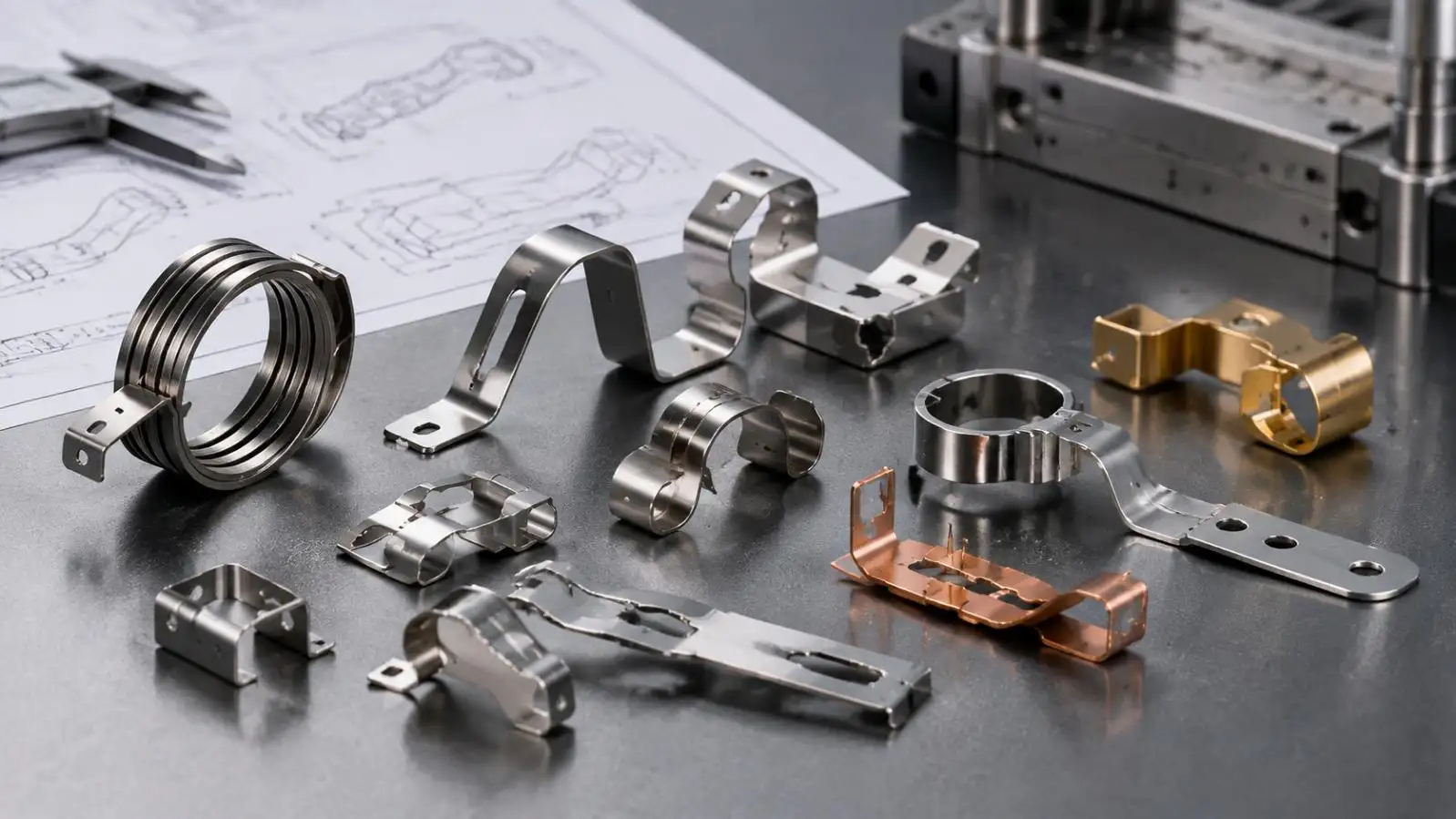
BlogSpring Stamping Fatigue Life: How Geometry, Material and Edge Quality Affect Cycle Life
2026-09-24By KT Engineering -
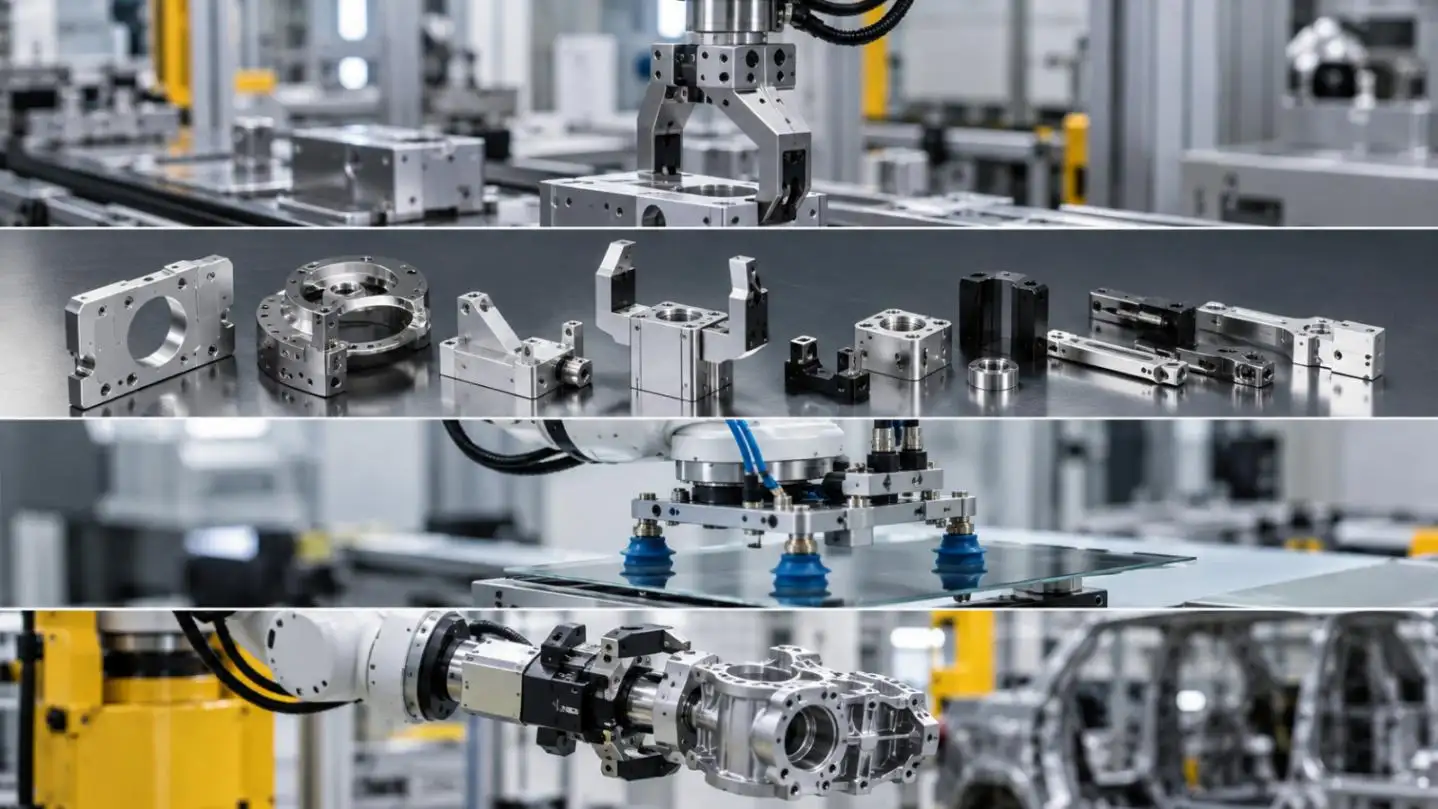 Blog
BlogMechanical Automation Parts for Robot End Effectors and Positioning Accuracy
2026-09-23By KT Engineering