Contact Us
  Home /
 What are the benefits of rapid prototyping compared to traditional manufacturing?


Table of Contents
- What Is Rapid Prototyping?
- What Is Traditional Manufacturing?
- 1. Faster Product Development
- 2. Lower Development Costs
- 3. Easier Design Changes
- 4. Improved Design Validation
- 5. Better Communication Across Teams
- 6. Reduced Risk Before Mass Production
- 7. Supports Complex Geometries
- 8. Faster Functional Testing
- 9. Ideal for Low-Volume Production
- 10. Accelerates Innovation
- Rapid Prototyping vs. Traditional Manufacturing
- When Should You Choose Rapid Prototyping?
- When Is Traditional Manufacturing the Better Option?
- Choosing the Right Manufacturing Partner
- Conclusion

With the fierce competition in today's manufacturing market, speed, flexibility and innovation are key to getting a successful product to market. From designing consumer electronics, automotive parts, medical devices, and industrial equipment, the method used to produce the product can make a significant difference in the cost, quality, and time of your project.
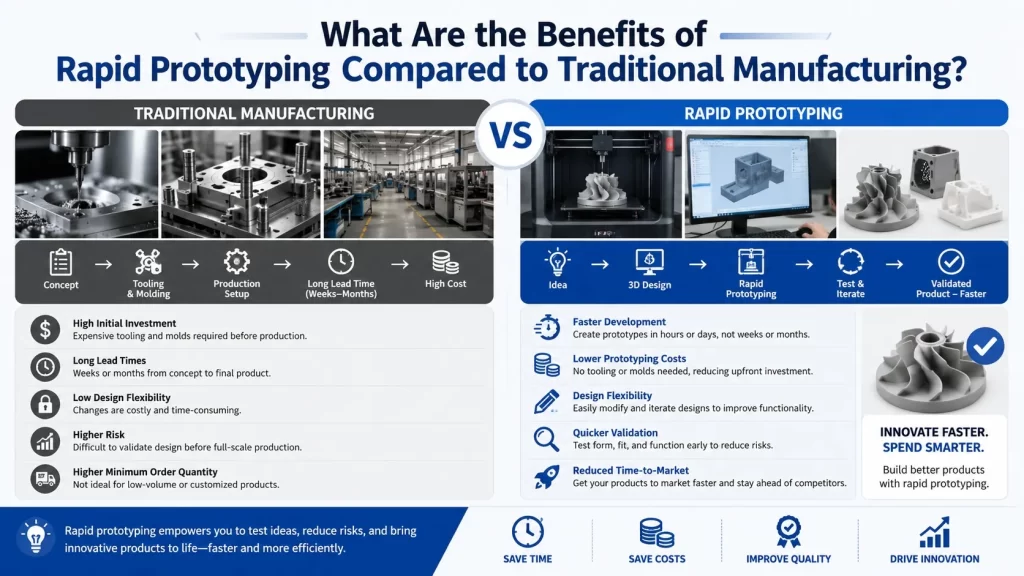
In the modern era, rapid prototyping has completely revolutionized the product development process by enabling designers and engineers to develop functional prototypes in just days rather than weeks or months. Rapid prototyping provides a number of advantages over the conventional manufacturing processes, such as a rapid design validation process, cost-effective development process, and greater product innovation.
This guide covers the importance of rapid prototyping versus traditional manufacturing and how to make this method a simple way to get more businesses into the product development process.
What Is Rapid Prototyping?
The term rapid prototyping is given to a set of manufacturing techniques that are employed for the quick production of physical models directly from a CAD (Computer-Aided Design) file. The following is a list of common rapid prototyping techniques:
- 3D Printing (FDM, SLA, SLS, MJF)
- CNC Machining
- Vacuum Casting
- Urethane Casting
- Rapid Injection Molding
Rapid prototyping is not, as in traditional manufacturing, a process that needs costly tooling before production can start, but rather a process that enables manufacturers to make parts with minimal tooling and much shorter lead times.
What Is Traditional Manufacturing?
Traditional manufacturing typically involves processes designed for mass production, including:
- Injection molding
- Die casting
- Metal stamping
- Forging
- Extrusion
- Compression molding
These techniques are very good for making thousands or millions of identical parts with a high degree of consistency. But they typically need custom molds, dies and/or tooling, which can take weeks or months to make.
Consequently, traditional manufacturing is best for high volume production, but not as effective in the early stages of product development.
1. Faster Product Development
The greatest benefit of rapid prototyping is its speed.
Prototype parts can be delivered to the engineer's doorstep in as little as 24 to 72 hours, as opposed to waiting several weeks for production tooling.
With this sped up process, development teams can:
- Validate product concepts quickly
- Identify design flaws early
- Test multiple design iterations
- Reach the market faster
Faster development cycles give companies a competitive edge, particularly in fast-changing industries such as those in technology, medicine, and agriculture.
2. Lower Development Costs
The traditional manufacturing process can be very costly to make any part at all with expensive tooling.
For example:
- Injection mold tooling can cost thousands to tens of thousands of dollars.
- Metal stamping dies require significant engineering investment.
- Die casting molds involve precision machining and heat treatment.
Rapid prototyping does not incur such tooling costs or does not require them to a large degree.
Parts are made directly from digital files, giving companies the option of testing and verifying designs before investing in expensive production equipment.
This means that financial risk is greatly minimized in product development.
3. Easier Design Changes
Product designs rarely stay the same in the course of development.
When making a design change in traditional manufacturing, it can be costly because it may involve:
- Tool rework
- Additional machining
- New tooling inserts
- Production delays
Rapid prototyping enables engineers to quickly make changes to the CAD designs and create new prototypes almost instantly.
This flexibility fosters innovation and reduces the development costs.
4. Improved Design Validation
Physical prototypes help teams evaluate much more than digital models.
Engineers can verify:
- Dimensions
- Ergonomics
- Assembly fit
- Mechanical performance
- Surface finish
- User experience
When testing is done on a real part before mass production, it can help to avoid costly errors that may only be identified once production has started.
5. Better Communication Across Teams
Physical prototypes improve collaboration among:
- Engineers
- Industrial designers
- Manufacturing teams
- Marketing departments
- Customers
- Investors
Instead of discussing computer models, stakeholders can inspect and evaluate an actual product.
This often results in faster decision-making and fewer misunderstandings.
6. Reduced Risk Before Mass Production
A lack of testing can result in costly product recalls, production delays, or customer complaints.
Rapid prototyping allows manufacturers to discover issues early on, such as:
- Weak structural areas
- Poor component fit
- Assembly issues
- Functional defects
- User interface improvements
Correcting these issues before production dramatically reduces project risk.
7. Supports Complex Geometries
The industrial 3D printing is an example of modern rapid prototyping technology which can produce complex shapes that are hard or even impossible to produce using conventional manufacturing methods.
Examples include:
- Internal cooling channels
- Lightweight lattice structures
- Organic designs
- Topology-optimized components
- Integrated assemblies
Traditional manufacturing often requires multiple machining operations or separate components to achieve similar designs.
8. Faster Functional Testing
Rapid prototypes are no longer limited to visual models.
Today's materials can simulate production-grade plastics and metals, allowing engineers to perform:
- Mechanical testing
- Thermal evaluation
- Chemical resistance testing
- Functional assembly validation
- Limited production trials
Functional testing early in development helps improve product reliability.
9. Ideal for Low-Volume Production
Many products require only a small production quantity before full-scale manufacturing begins.
Rapid prototyping is perfect for:
- Pilot production
- Market testing
- Customer demonstrations
- Trade show samples
- Beta testing
- Spare parts
Without investing in expensive tooling, companies can manufacture dozens or hundreds of parts economically.
10. Accelerates Innovation
Rapid prototyping encourages experimentation.
Prototypes can be created in a short amount of time and at low cost, making designers more likely to try out new ideas and approaches.
This iterative design process can result in:
- Better product performance
- Improved customer satisfaction
- Higher manufacturing efficiency
- More innovative products
Companies that prototype frequently tend to bring more successful products to market.
Rapid Prototyping vs. Traditional Manufacturing
| Feature | Rapid Prototyping | Traditional Manufacturing |
|---|---|---|
| Initial Cost | Low | High |
| Tooling Required | No or Minimal | Yes |
| Lead Time | 1–7 Days | 4–12 Weeks |
| Design Changes | Easy | Expensive |
| Best Production Volume | Low to Medium | High Volume |
| Product Development | Excellent | Limited |
| Customization | Excellent | Limited |
| Time to Market | Fast | Slower |
When Should You Choose Rapid Prototyping?
Rapid prototyping is the preferred choice when you need:
- Fast product development
- Design verification
- Functional prototypes
- Low-volume manufacturing
- Custom components
- Engineering samples
- Investor demonstrations
- Market validation
It is particularly valuable for startups, R&D teams, and companies introducing innovative products.
When Is Traditional Manufacturing the Better Option?
Traditional manufacturing remains the best solution when:
- Production volumes exceed several thousand units.
- Unit cost must be minimized.
- Long-term consistency is essential.
- Tight production tolerances are required at scale.
- Manufacturing efficiency is the highest priority.
For many projects, rapid prototyping and conventional manufacturing are used in combination. Prototypes are created and developed in a rapid manner, and then the final design is sent to injection molding, die casting or stamping for mass production.
Choosing the Right Manufacturing Partner
In addition to choosing the right production process, it is essential to choose an experienced manufacturing partner. A good supplier should be able to advise you on the best prototyping technology for your product considering the geometry, materials, performance and production volume.
Look for a partner that offers:
- Multiple rapid prototyping technologies
- Engineering and design support
- Material selection expertise
- Tight quality control
- Fast turnaround times
- Seamless transition from prototyping to mass production
- OEM and custom manufacturing services
Using a full-service manufacturer can streamline the development process and lower overall project costs.
Conclusion
Rapid prototyping has become a vital part of today's product development process because of its ability to shorten product development time, to reduce cost, and to allow the continuous improvement of design. It also provides more flexibility and quicker iteration and lower risk of a project in the early stages as compared to traditional manufacturing.
Traditional manufacturing is the most cost-effective way to make large quantities, but if you need a more agile and faster method to test out a concept before committing to tooling and large-scale production, rapid prototyping will help you achieve this. When these two methods are used together, businesses can boost their innovation speed, enhance the quality of their products, and bring their new ideas to market more quickly and effectively.
Talk to the Manufacturer, Not a Middleman
Resources & Insights
-
 Hide blog post
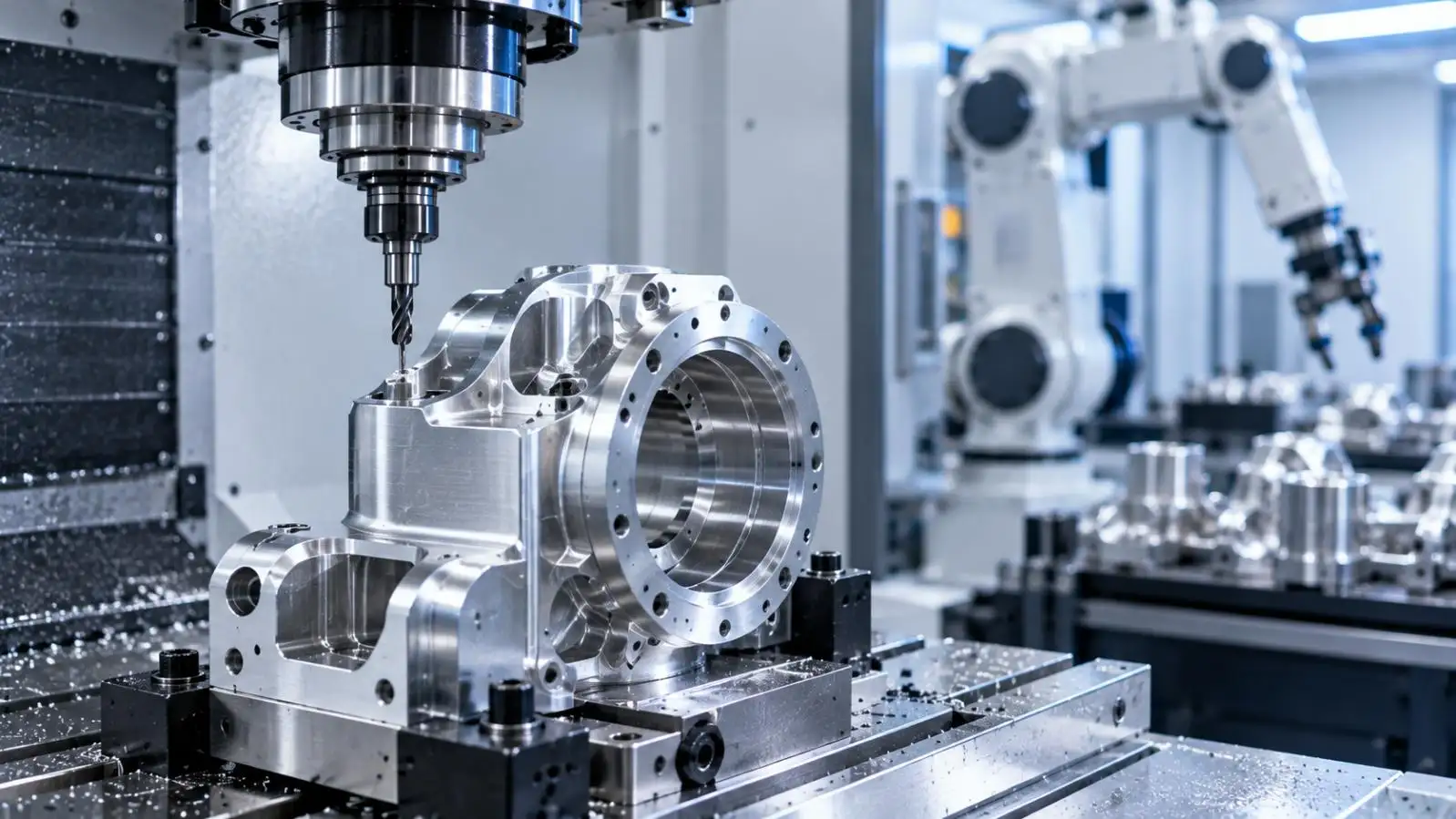
CNC Machining Robotic Parts: How GD&T Controls Robot Assembly Accuracy
2026-09-24By KT Engineering -
 Hide blog post
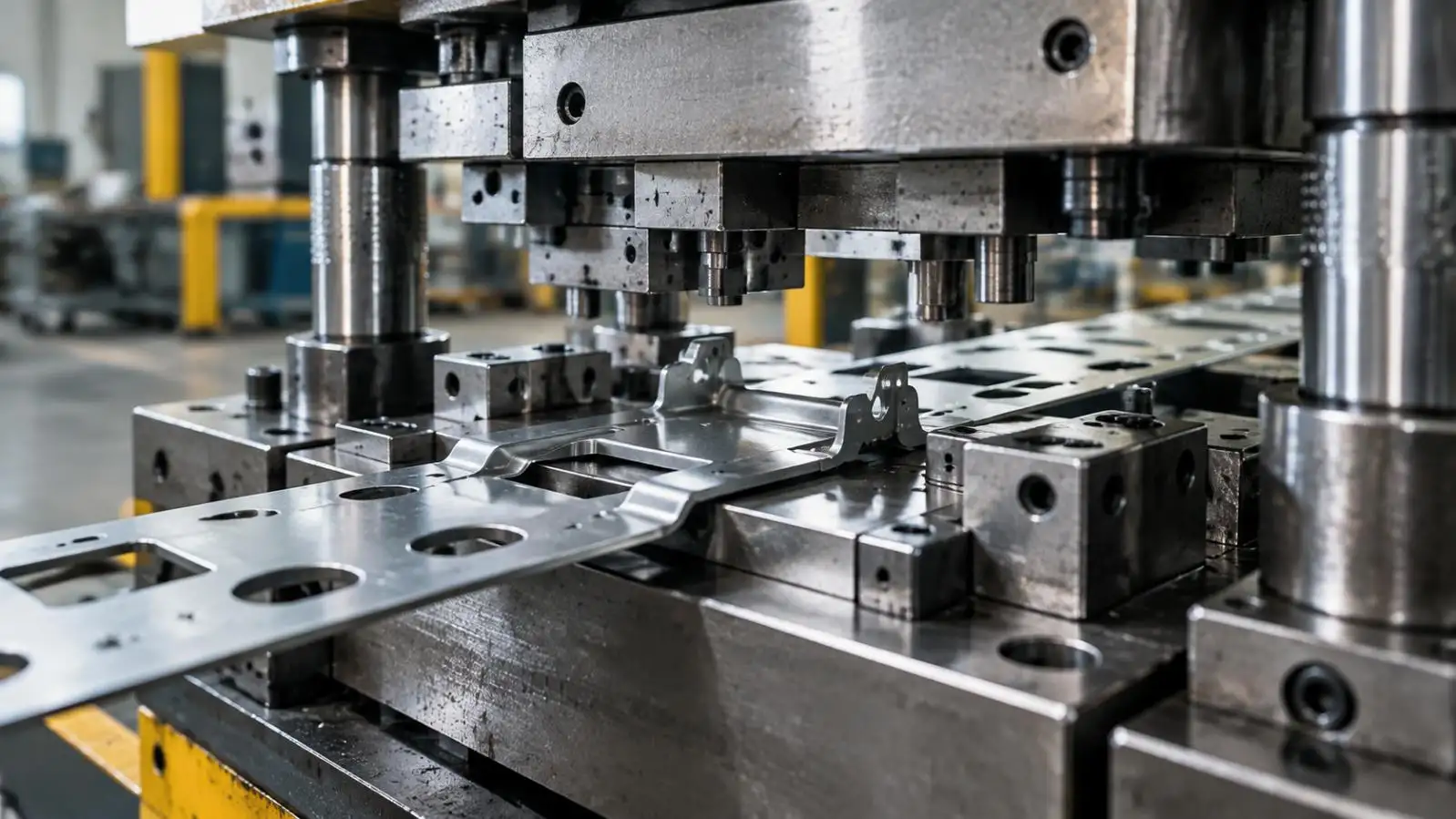
Hardware Stamping Springback Control for High-Strength Steel Parts
2026-09-24By KT Engineering -
 Hide blog post
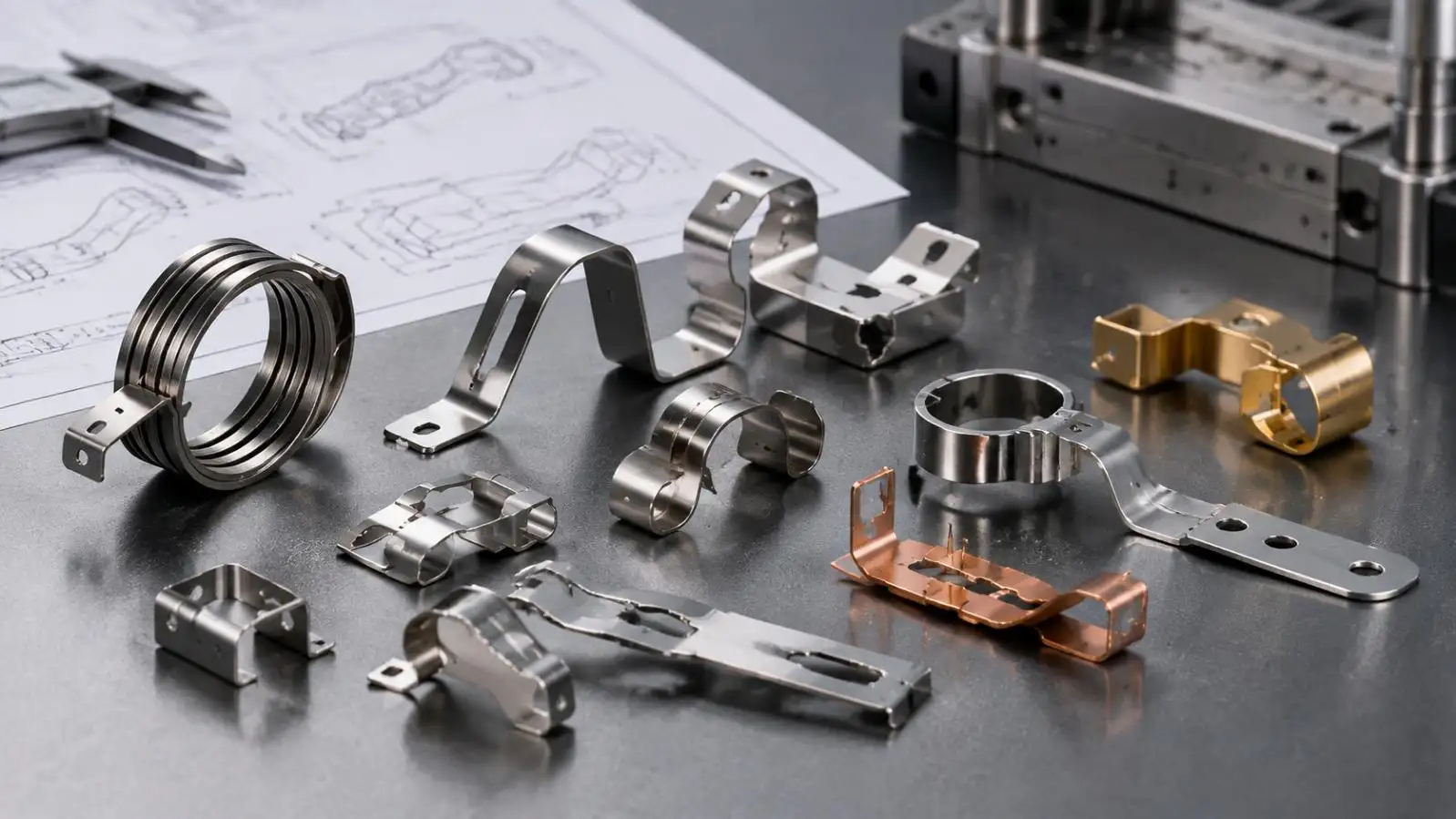
Spring Stamping Fatigue Life: How Geometry, Material and Edge Quality Affect Cycle Life
2026-09-24By KT Engineering -
 Hide blog post
Mechanical Automation Parts for Robot End Effectors and Positioning Accuracy
2026-09-23By KT Engineering